The Deadliest Beaches In America
The water at these beaches looks like every other stretch of American coast right up until it kills someone. A few of them are dangerous because of sharks. Most are dangerous because of rip currents and heavy shore break that drag swimmers out in seconds. One stretch of Oahu breaks necks and backs so often that locals named it for the injury. People still crowd all of them on a normal weekend. The flags and the lifeguards keep most days uneventful. These are some of the deadliest beaches in the country, and the reasons why.
Grand Haven State Park, Michigan

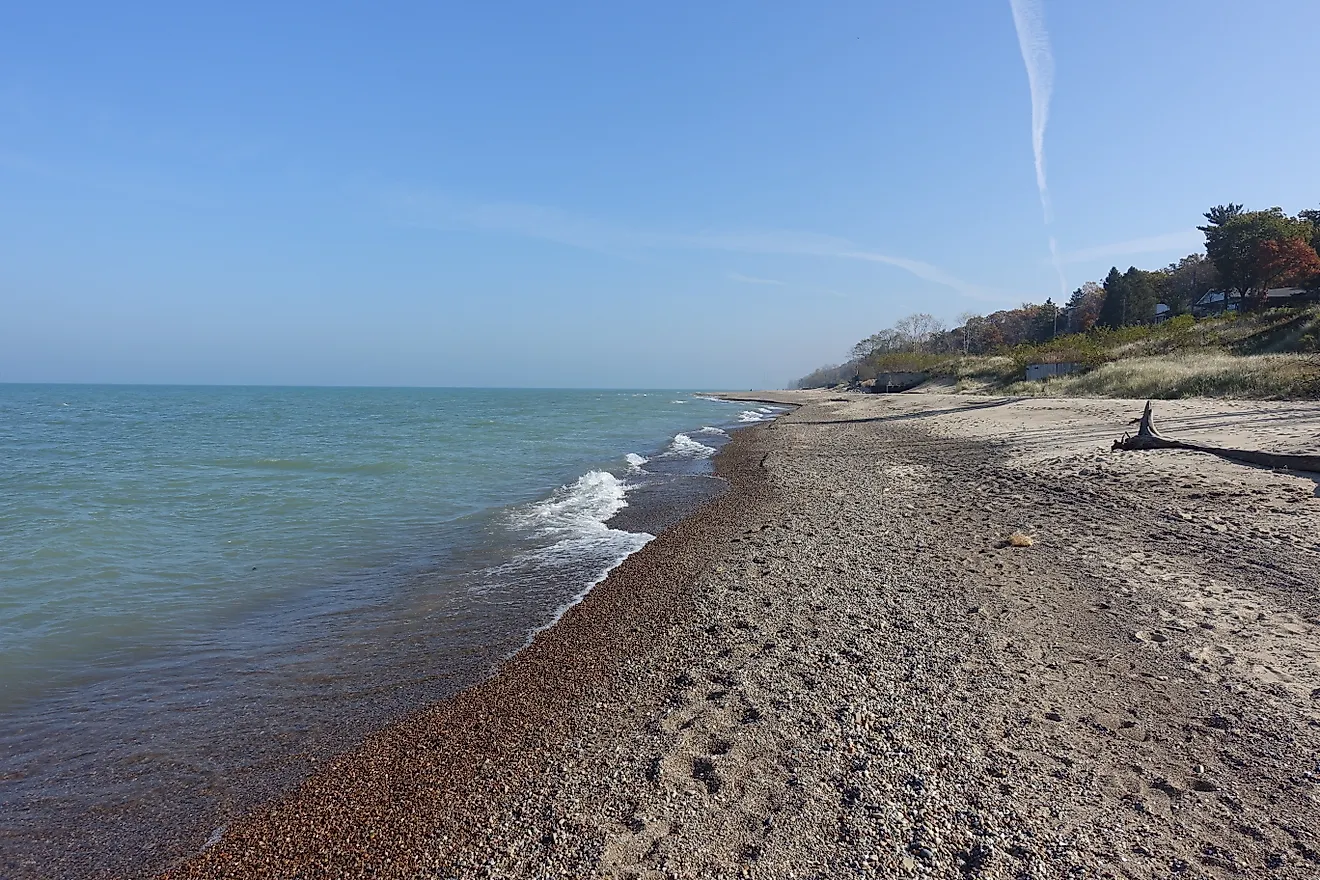
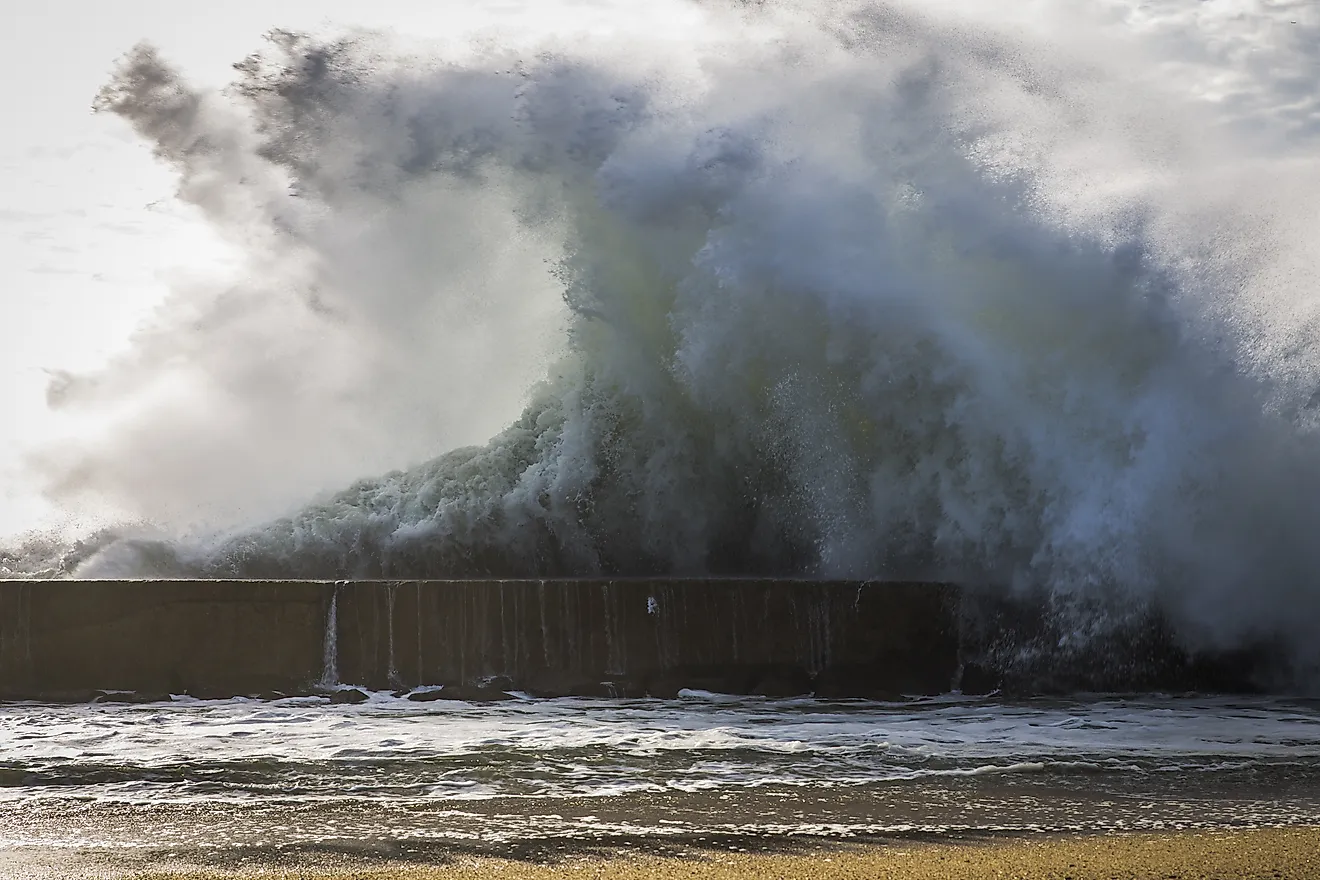
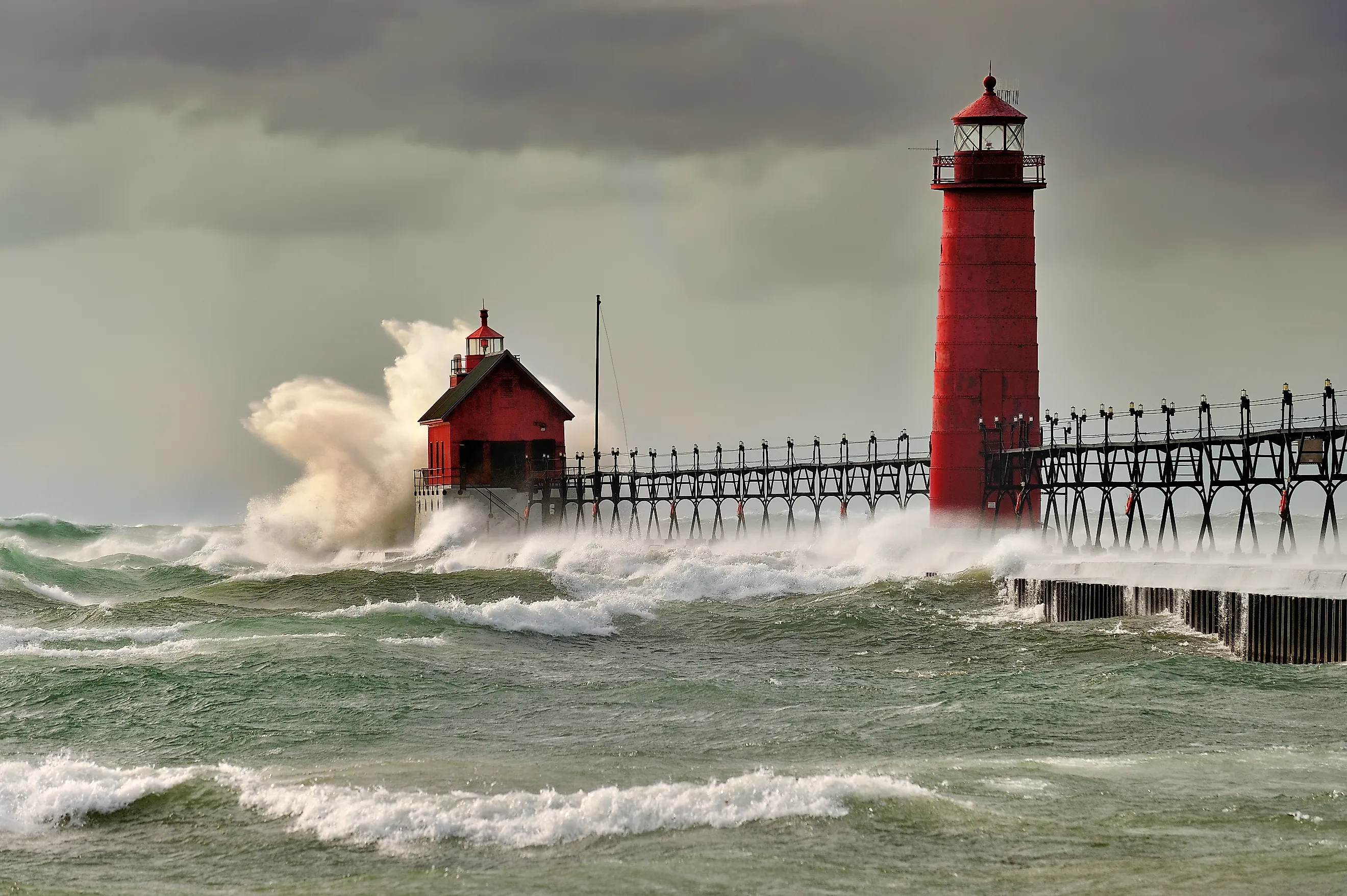
Lake Michigan is often called the most dangerous of the Great Lakes, and Grand Haven State Park is one of the places where swimmers meet that danger. The half-mile sandy stretch is a popular spot for swimming and fishing, but strong winds and waves can turn it hazardous, with swells rebounding off the concrete pier and dragging swimmers into deep, cold water. The state park has no lifeguards, which leaves each person responsible for their own safety. Beachgoers are advised to stay out of the water when red flags are flying. In August 2018, two people drowned here during a weekend of rough surf.
Hanakapiai Beach, Hawaii

Hanakapiai ranks among the deadliest beaches in Hawaii. It sits on Kauai's Napali Coast, where the shore takes the full force of the Pacific Ocean's swells. The most dangerous waves tend to arrive in winter, but they can also strike on seemingly calm days and pull unsuspecting swimmers out to sea. The beach is also remote, reachable only by a two-mile stretch of the Kalalau Trail, with no access road and no lifeguards. A relaxed afternoon can turn dire in seconds, which is why swimming here is strongly discouraged. Dozens of people have been swept out over the years, including a 32-year-old visitor from Alaska in December 2024, whose three-day search was suspended without a recovery.
Panama City Beach, Florida

Fast-moving rip currents in the Gulf of America make Panama City Beach one of the deadliest in the country. The currents usually form during storms and strong winds, and they can appear at any time of year. Several people have died here over the years, including seven who drowned during a nine-day stretch in June 2023, a toll that made it the deadliest U.S. beach that year. Officials advise swimming in designated areas near lifeguards and checking the forecast, and the city closes the water to swimmers when double red flags are up. A first violation carries a $500 fine, and a repeat offense is a second-degree misdemeanor punishable by up to $500 more and as much as 60 days in jail.
Monastery Beach, California

This California beach is so deadly that locals call it Mortuary Beach. Part of Carmel River State Beach, it draws scuba divers with clear water and abundant marine life, but a steep underwater drop-off and powerful currents overwhelm even strong swimmers, so swimming is strongly discouraged. Several deaths have been recorded over the past decade, including a young boy swept out in 2017 and a father who died after being pulled into the surf alongside his child. A 2019 report in the Monterey Herald counted more than 30 deaths at the beach, cementing its grim reputation.
Sandy Beach, Hawaii

Sandy Beach is one of Oahu's favorite bodyboarding and bodysurfing spots, and also one of the country's most dangerous. Its powerful shore break drives swimmers headfirst into a shallow, hard-packed bottom, producing one of the highest rates of water-related spinal cord injuries in Hawaii. Locals call it "break-neck beach," and the waves that slam onto the sand have left visitors with broken necks and backs. Lifeguards here perform some of the busiest rescue work on the island, yet serious injuries and deaths still occur. The state Department of Health lists Sandy Beach among the worst in Hawaii for spinal cord injuries, and even on calm-looking days the shore break is considered experts-only.
Ocean Beach, California

San Francisco's Ocean Beach is dangerous for its combination of heavy surf and cold water that make swimming unpleasant year-round, and fog through spring and summer only adds to the risk. Many visitors come simply to stroll or fly kites, but the waves draw surfers who have to reckon with strong rip currents and large sets. Many people have died along this 3.5-mile shoreline, including seven in 1998 and eight more between 2014 and 2020. In May 2026, a 55-year-old surfer died after being pulled unconscious from the water during a rare late-spring swell. Winter swells here are legendary, and inexperienced surfers are advised to stay out and watch from the sand.
New Smyrna Beach, Florida

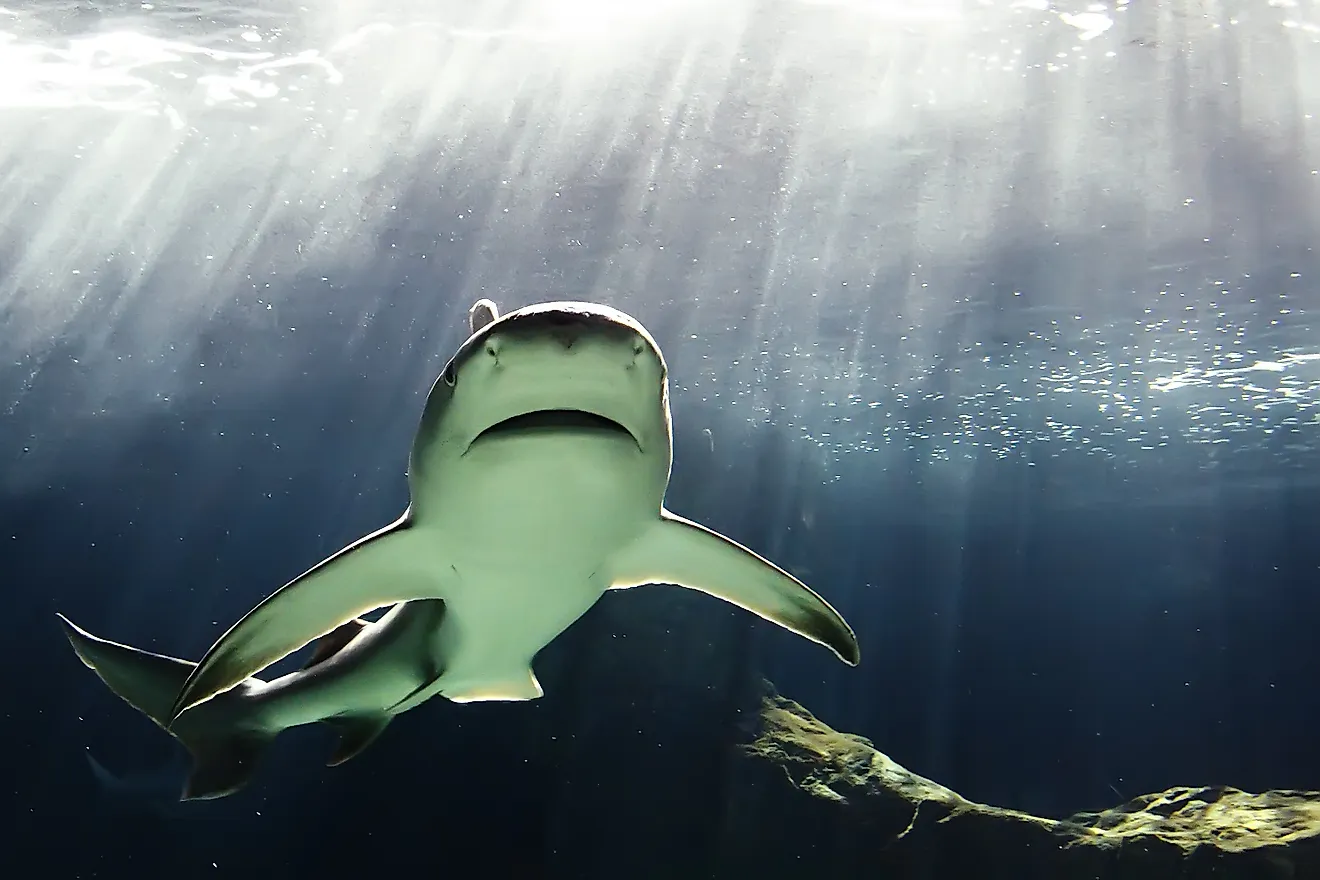
New Smyrna Beach is a favorite watersports spot on Florida's Atlantic coast, running some 17 miles. It is also one of the country's most dangerous, in large part because of its shark bites. Located in Volusia County, unofficially dubbed the "shark bite capital of the world," it records more unprovoked shark bites than anywhere else in the country, most of them in the warmer months. The bites happen because baitfish draw in sharks that occasionally mistake a swimmer's splashing for prey. Swimmers are advised to stay alert and avoid thrashing, especially on crowded summer afternoons.
No fatal shark attack has ever been recorded at New Smyrna Beach. Most deaths here come from other hazards, chiefly drowning, since rip currents can pull swimmers out at any time of year. The beach is also a lightning hotspot and is sometimes closed entirely during storms. In June 2025, a man standing in ankle-deep water was killed by a lightning strike. Two golfers hit indirectly at a nearby course that same afternoon survived.
Daytona Beach, Florida

Daytona Beach earns its place through rip currents that trigger hundreds of rescues in summer and occasionally end in drowning. Over the 2026 Fourth of July weekend, two people drowned along the Volusia County coastline, part of a weekend in which Volusia County Beach Safety logged more than 200 rescues. Swimmers are advised to stay in front of a staffed lifeguard tower and watch the flags, especially double red for strong currents and purple for dangerous marine life. Like nearby New Smyrna Beach, Daytona has also seen shark bites, one more hazard to weigh before going in.
Respecting the water
The beaches on this list are among the most beloved stretches of American coastline, and among the most lethal. Some are dangerous because of what lives in the water, and most because of the currents and surf that can overpower a swimmer without warning. Enjoy these places with real caution, or take in the view from shore, particularly at the unstaffed spots like Hanakapiai. Watch the flags, check the forecast for severe weather, and remember that the danger is present even on a day that looks perfect.