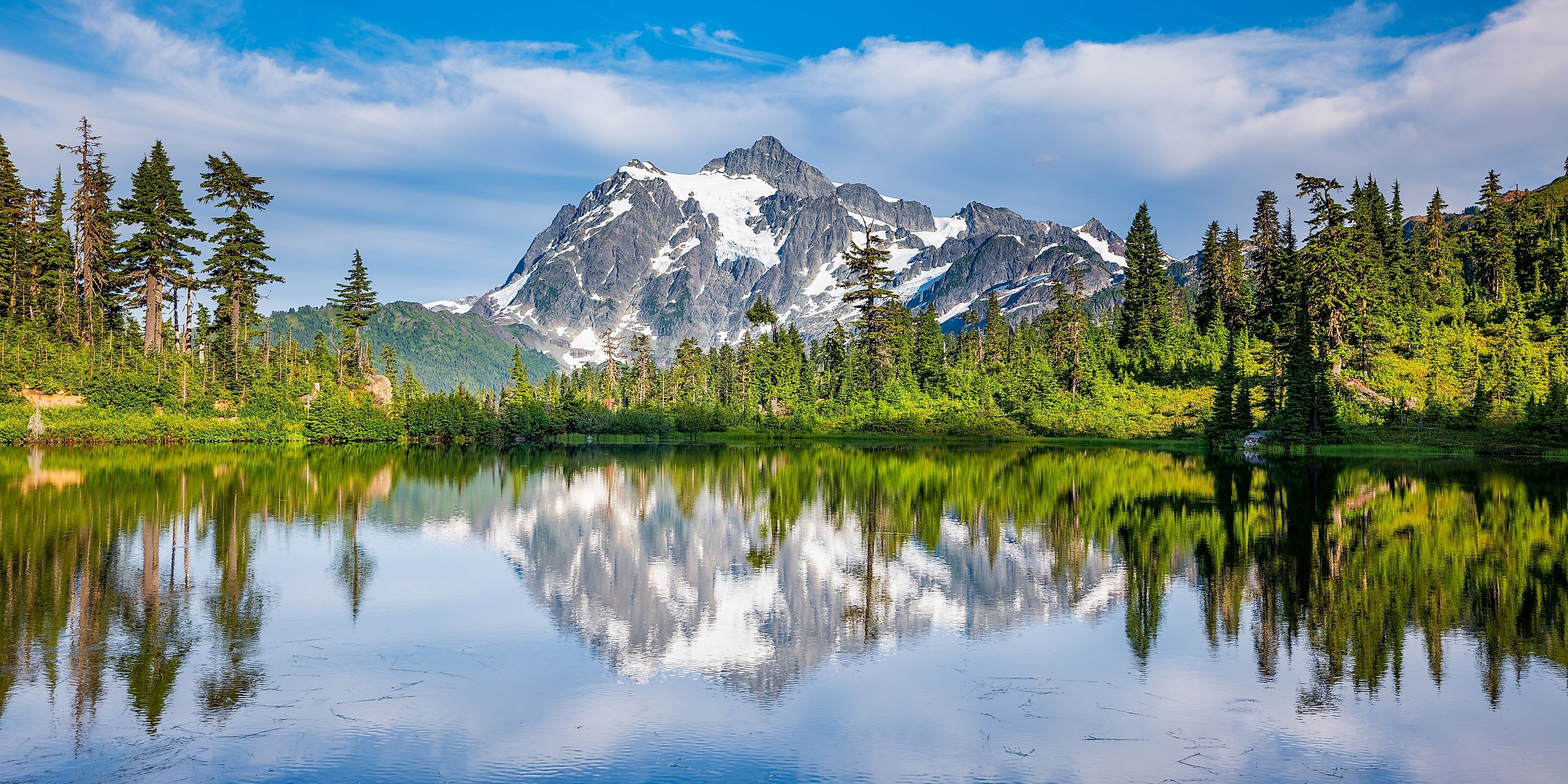
The Least Visited National Park In The Pacific Northwest
North Cascades National Park recorded 46,925 recreation visits in 2025, according to the National Park Service, fewer than almost any other national park in the country. That makes it the least visited national park in the Pacific Northwest by a wide margin. Its neighbors draw far bigger crowds, with Olympic, Mount Rainier, and Crater Lake each seeing hundreds of thousands to millions of visitors a year. Yet North Cascades holds more than 300 glaciers, the most heavily glaciated landscape in the United States outside Alaska. The reason so few people visit has less to do with its scenery than with how the park is built.
A Park Without Roads

Most of North Cascades National Park is designated wilderness, and almost no roads enter it. The North Cascades Highway, the scenic route that most visitors drive, actually passes between the park's two main sections through Ross Lake National Recreation Area, not through the park itself. To set foot in the national park proper, visitors usually have to hike, often on steep trails that climb into the mountains.
The park also has very few services. There are no hotels or restaurants inside its boundaries, cell service is scarce, and much of the backcountry requires a permit for overnight stays. Travelers used to parks with lodges, shuttle buses, and visitor centers at every turn may find North Cascades remote, even though it sits within a few hours' drive of the Puget Sound region.
The Visitor Count Catch

The low visitor number comes with an important catch. The National Park Service manages North Cascades as a complex that includes two neighboring national recreation areas. Ross Lake runs along the highway, and Lake Chelan surrounds the remote village of Stehekin. Many people who think they visited North Cascades National Park, including those who stopped at the famous Diablo Lake Overlook, were actually counted in Ross Lake National Recreation Area.
Visitation also swings with the weather and wildfires. In 2024, wildfires closed the North Cascades Highway during part of the summer, and the park recorded only about 16,000 visits. When the road stayed open in 2025, visitation nearly tripled, but North Cascades still ranked among the least visited national parks in the country.
What Visitors Find

Those who do make the effort find some of the most dramatic mountain scenery in the lower 48 states. Jagged granite peaks rise above deep valleys, hanging glaciers cling to the cliffs, and waterfalls pour down from snowfields. The Cascade Pass Trail, one of the most popular hikes in the park, climbs through meadows to a pass with views of glaciers and peaks in every direction. Mountain goats and marmots are common sights along the way.
Along the highway, the turquoise water of Diablo Lake, colored by fine glacial rock flour, is a favorite stop for photographers. The North Cascades Environmental Learning Center on the lake's shore offers classes and programs. Farther east, Washington Pass Overlook looks out over towering spires.
A Wild Place For Wildlife

The same lack of roads that keeps visitors away makes North Cascades one of the wildest places in the lower 48 states. Its forests, meadows, and high ridges are home to black bears, mountain goats, pikas, wolverines, and gray wolves. The wolves have returned to the region on their own in recent years. The park also shelters an unusually rich mix of plants, thanks to its range of elevations and the sharp difference between its wet western slopes and drier eastern valleys.
In 2024, the National Park Service and the US Fish and Wildlife Service approved a plan to restore grizzly bears to the North Cascades ecosystem, where only a handful had been confirmed in recent decades. If the plan moves forward, the reintroduced bears would be tracked closely in one of the country's most watched wildlife recoveries.
How It Compares Across The Region

The Pacific Northwest's other national parks are among the most visited in the West. Olympic National Park has rainforests, beaches, and Hurricane Ridge, and Mount Rainier National Park has paved roads to Paradise and Sunrise. Each draws well over a million visitors in a typical year. Crater Lake, in Oregon, also welcomes hundreds of thousands of visitors to its rim drive and lodge. What sets those parks apart is easy access, with roads leading right to their most famous views. In North Cascades, the best views usually come at the end of a long climb, which keeps the crowds small.
Stehekin, The Back Door

The park's southern edge can be reached through Stehekin, a tiny village at the head of Lake Chelan with no road connection to the outside world. Visitors arrive by passenger ferry, floatplane, or on foot, then ride a shuttle up the valley toward trailheads that lead into the national park.
From Stehekin, hikers can reach Rainbow Falls and trails that climb toward Cascade Pass from the east. The village has a small bakery, a few lodging options, and some of the quietest backcountry access in the entire park.
When To Go
The best time to visit North Cascades is July through September, when the North Cascades Highway is open and high trails are mostly free of snow. The highway usually closes between late fall and spring because of avalanche danger, and October brings sharply fewer visitors. Road and fire conditions can change quickly, so it pays to check with the National Park Service before setting out, carry supplies, and plan for limited services. For those willing to make the effort, the least visited national park in the Pacific Northwest offers some of the finest mountain scenery in Washington without the crowds.