Why There Are No Copperheads West Of Texas
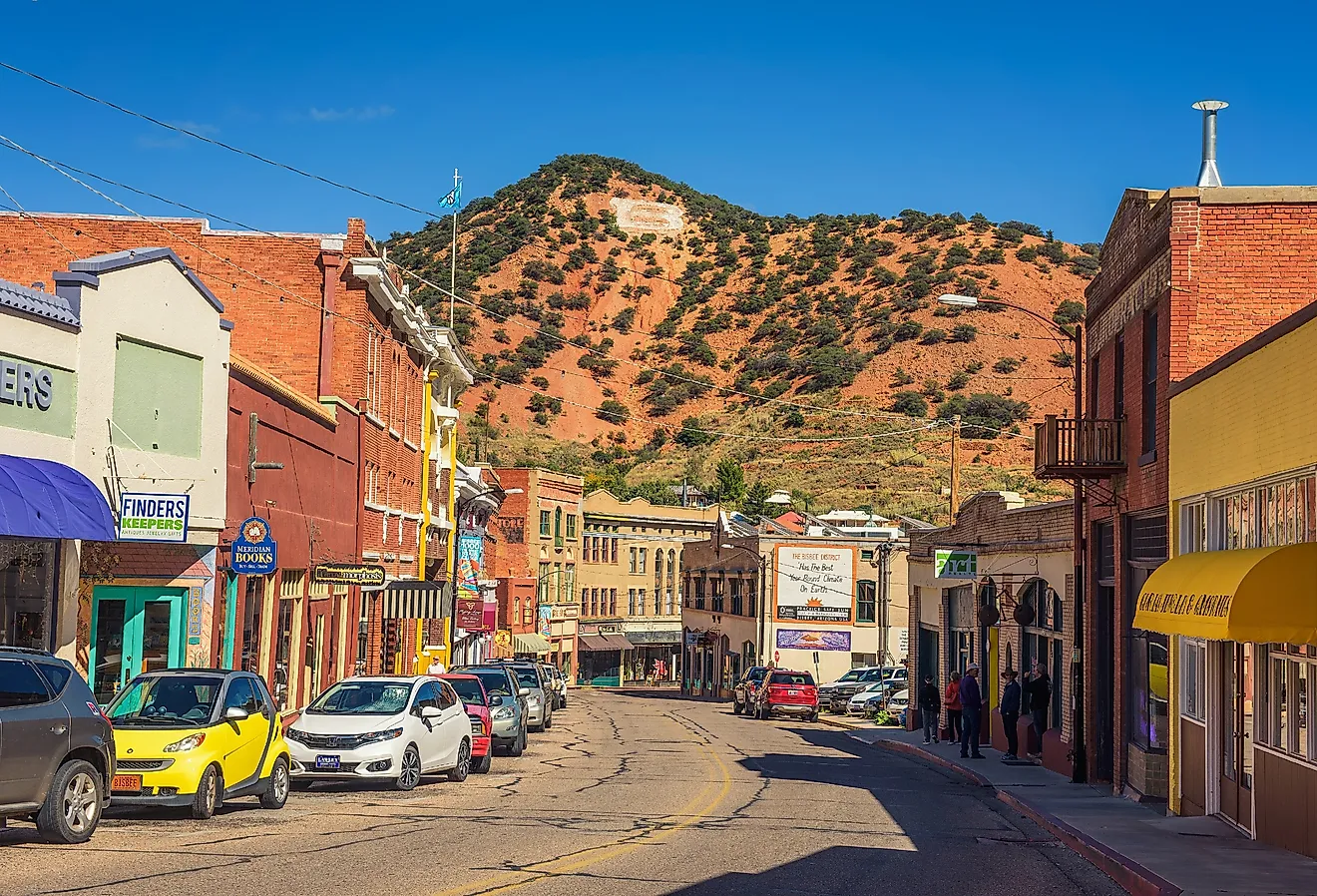
The copperhead is one of the most widespread venomous snakes in the United States, turning up in some 28 states from New England all the way down to Texas. Yet for all that range, it comes to a hard stop right around the edge of Texas and simply never crosses into the desert Southwest. There are no copperheads in New Mexico, no copperheads in Arizona, and none in the wider American West at all. For a snake this adaptable, that abrupt border is genuinely surprising. Here is why there are no copperheads west of Texas.
Where the Copperhead's Range Ends

The copperhead blankets the eastern and central United States, ranging from southern New England and the Appalachians down to northern Florida, then west through the Midwest and into Texas. Texas is where the story gets interesting, because the snake pushes about as far west as it possibly can there, with hardy populations hanging on even in the Trans-Pecos region of far West Texas. But that is the wall. Cross the state line into New Mexico or Arizona, and the copperhead is simply gone, having reached the absolute western limit of its entire range.
The Problem Is the Dryness

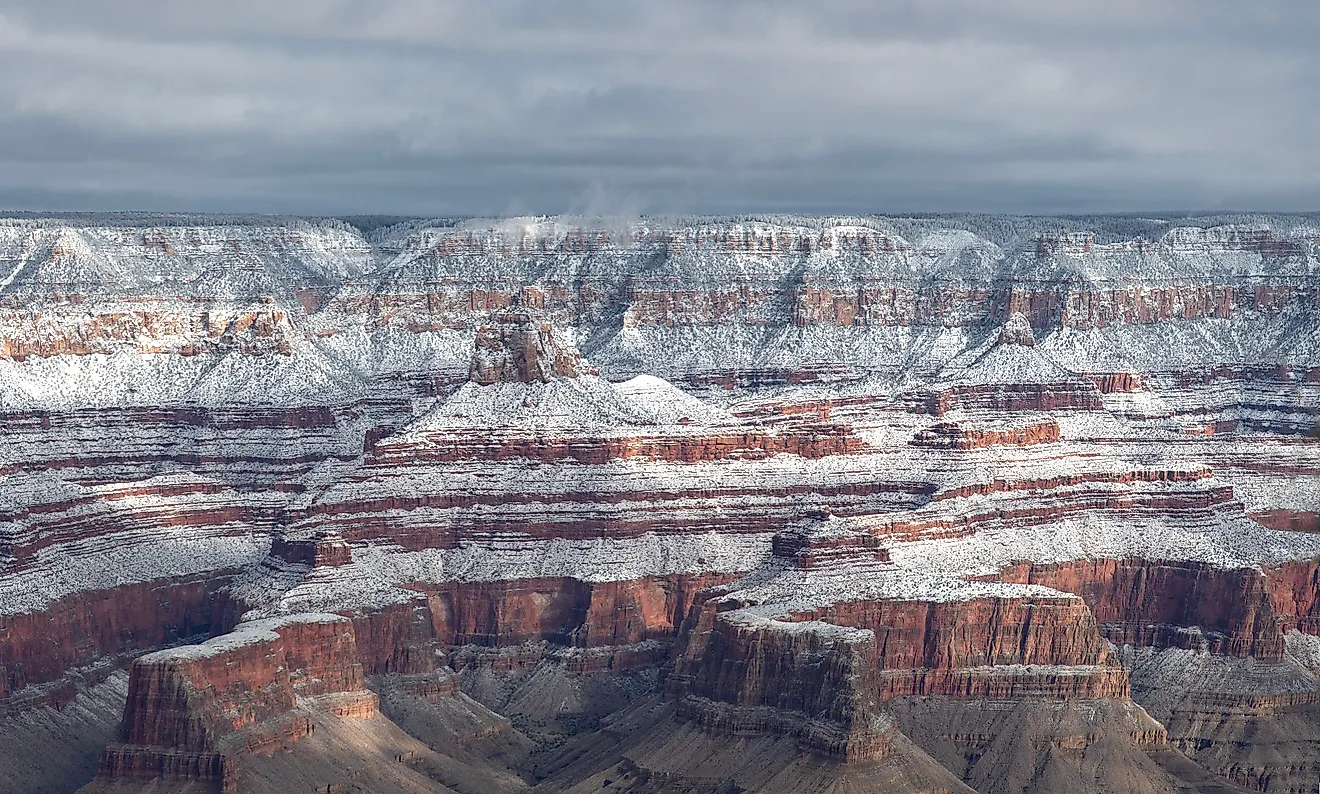
The single biggest reason is moisture, or rather the lack of it. Copperheads are animals of relatively humid country, and they depend on damp microhabitats to avoid drying out. Even their westernmost Texas populations survive only by clinging to riparian strips along rivers and the wetter pockets of mountain ranges like the Davis Mountains, little green islands in an otherwise parched landscape. West of Texas, the land dries out completely into the Chihuahuan and Sonoran deserts, and that relentless aridity forms an invisible wall the moisture-loving copperhead cannot get past.
No Forest, No Leaf Litter, No Copperhead

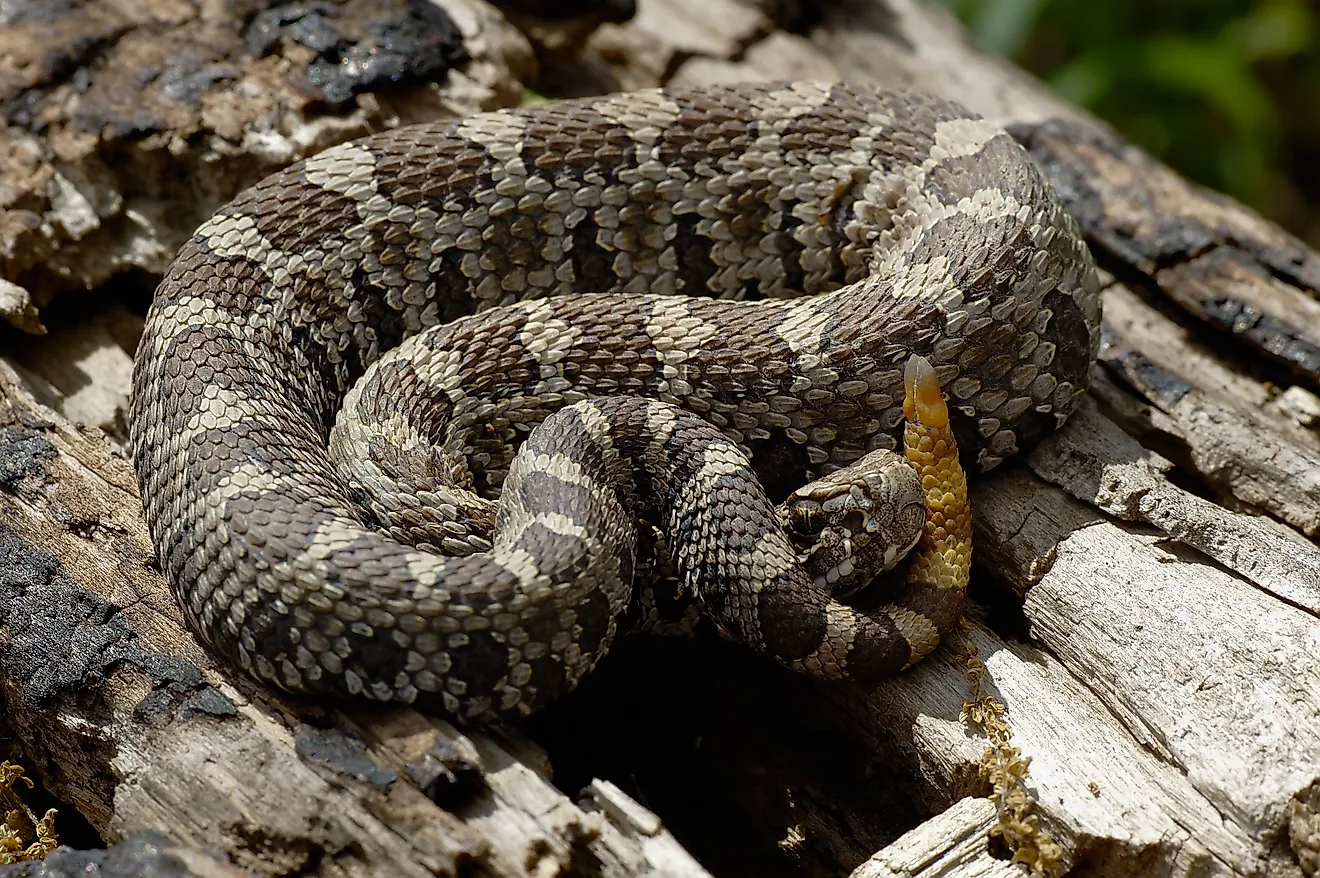
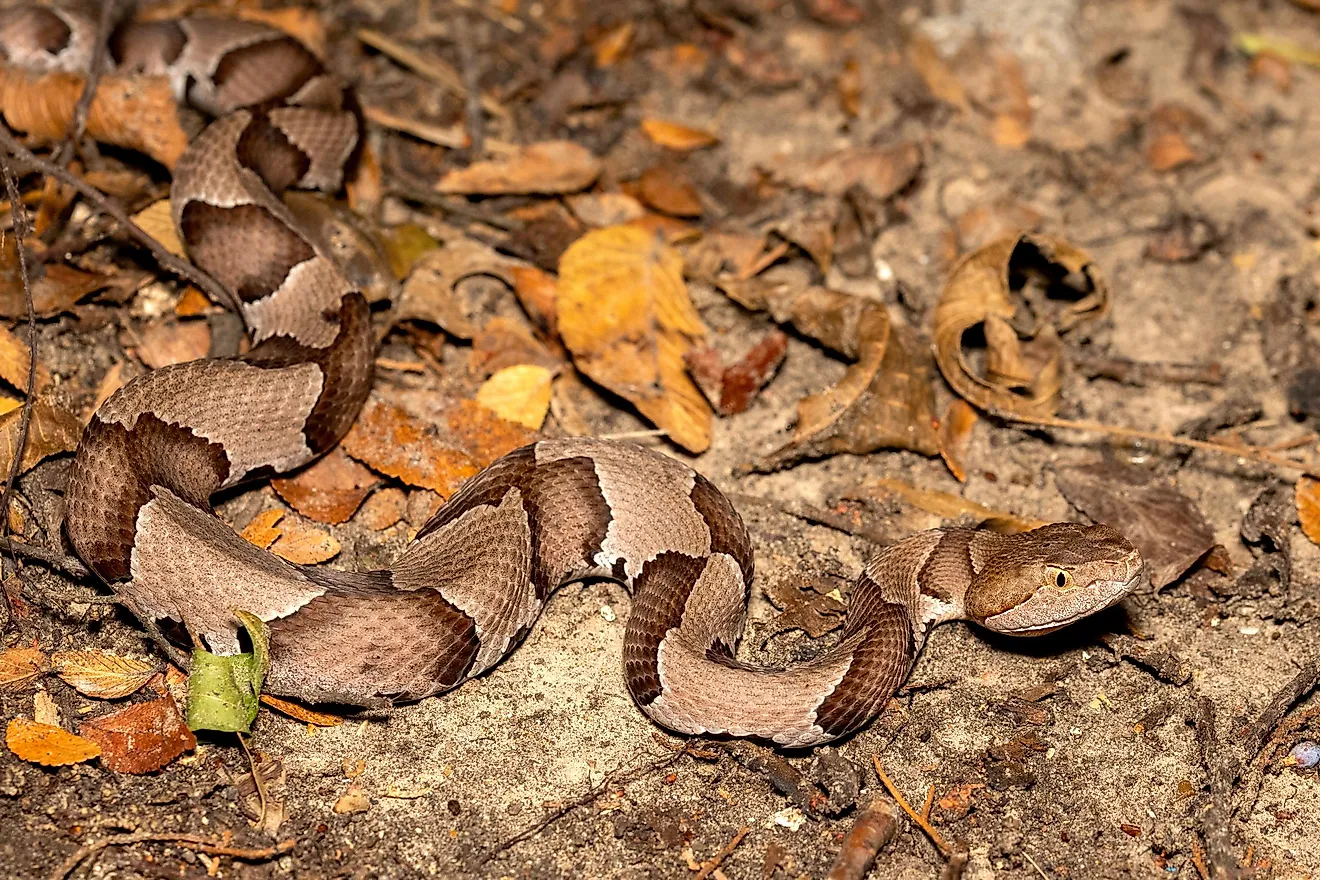
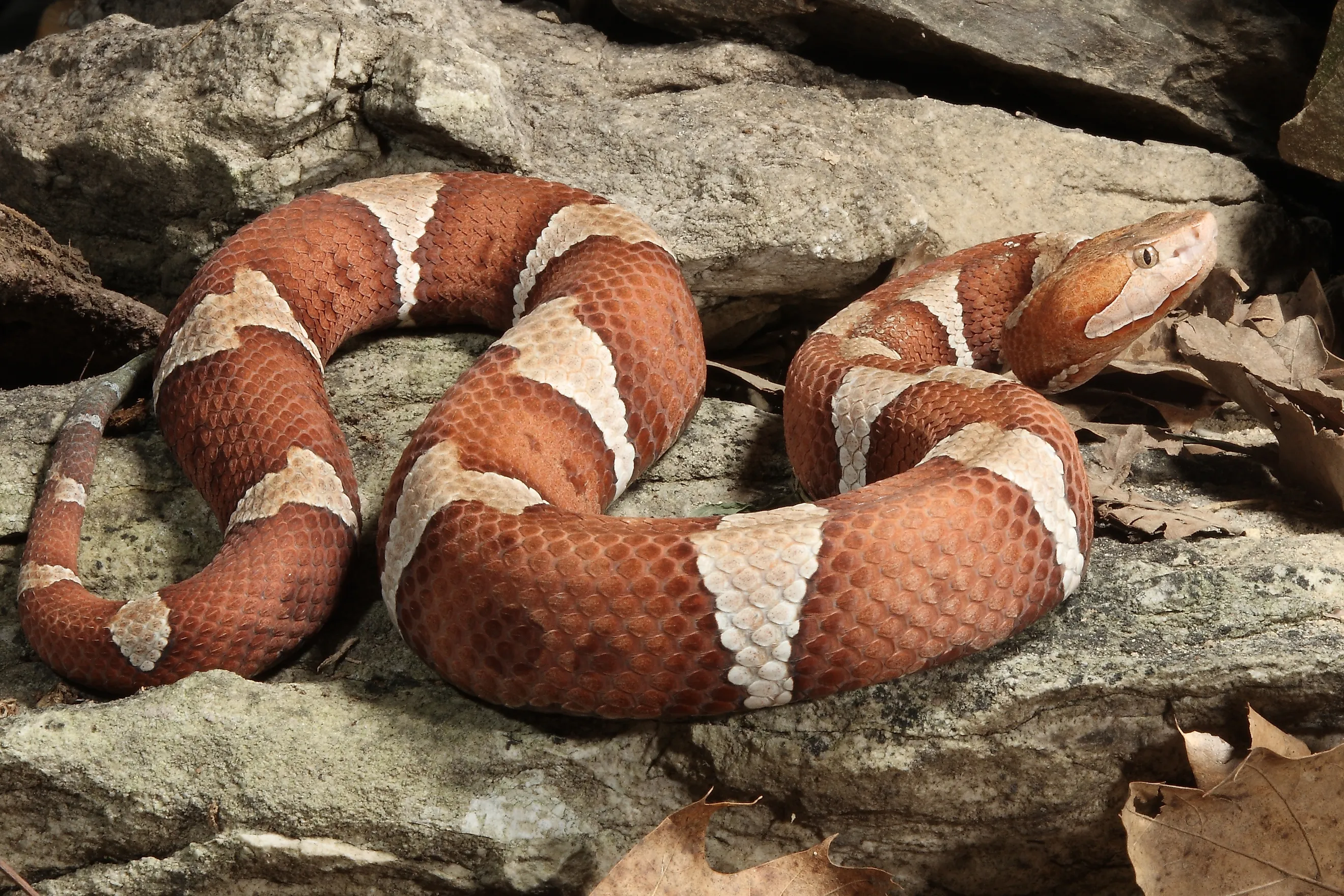
Dryness goes hand in hand with the copperhead's other problem out west: a total lack of the right habitat. The copperhead is a woodland ambush hunter, so closely tied to fallen leaves that it is sometimes nicknamed the "leaf snake." It needs deciduous forests, river bottoms, and rocky wooded hillsides, where its coppery, hourglass-banded body melts perfectly into the leaf litter while it waits for prey. The open desert scrub and bare rock west of Texas offer no forest canopy, no carpet of dead leaves, and almost nowhere at all for such a snake to hide or to hunt.
The Desert Already Has Its Vipers

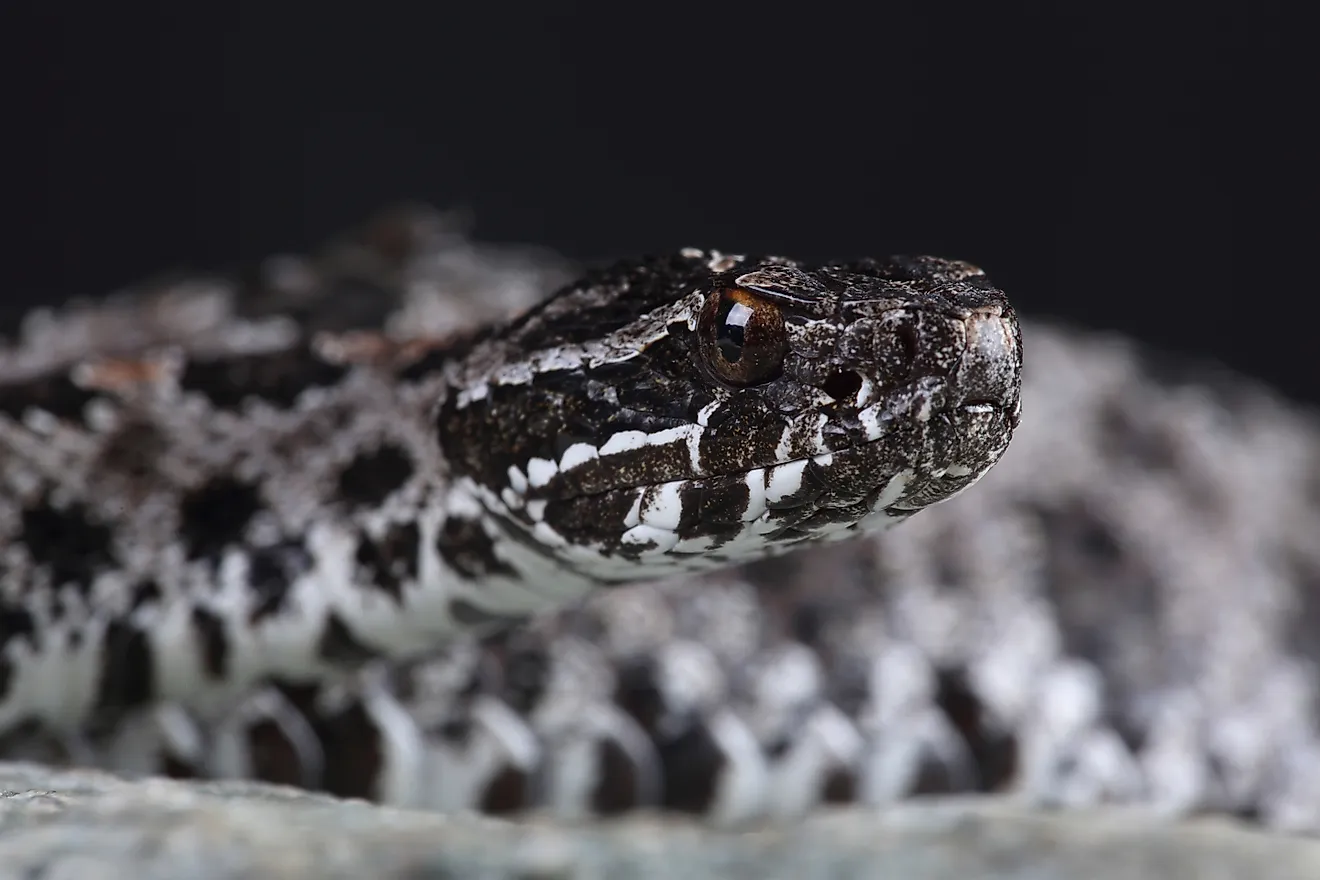
There is also simply no job opening for a copperhead out west, because the role is already filled. The niche of the venomous, ambush-hunting pit viper in the arid Southwest belongs to the rattlesnakes, which are superbly adapted to desert life. Arizona alone is home to around 13 species of rattlesnake, from the western diamondback to the Mojave and the sidewinder, all of them thriving in exactly the hot, dry country that would quickly defeat a copperhead. A forest snake trying to muscle into the rattlesnake's desert would find every available niche already taken.
A Snake of the Eastern Forest

In the end, the copperhead is best understood as a creature of the humid eastern woodlands, superbly built for one kind of world and poorly suited to another. Texas happens to be the great crossroads of American wildlife, the place where the forested, rain-fed East collides with the dry West and the deserts begin. The copperhead rides those eastern forests and river systems as far west as they will carry it, deep into Texas, and then it runs out of road. Beyond lies a desert that is too dry, too open, and too thoroughly claimed by rattlesnakes, a hard biological barrier that has kept the copperhead an eastern snake for as long as it has existed. So the next time someone worries about copperheads out in Arizona, you can reassure them: that coppery, leaf-loving pit viper never made it past Texas, and the desert is the reason why.