The American Mountains With The Most Black Bears
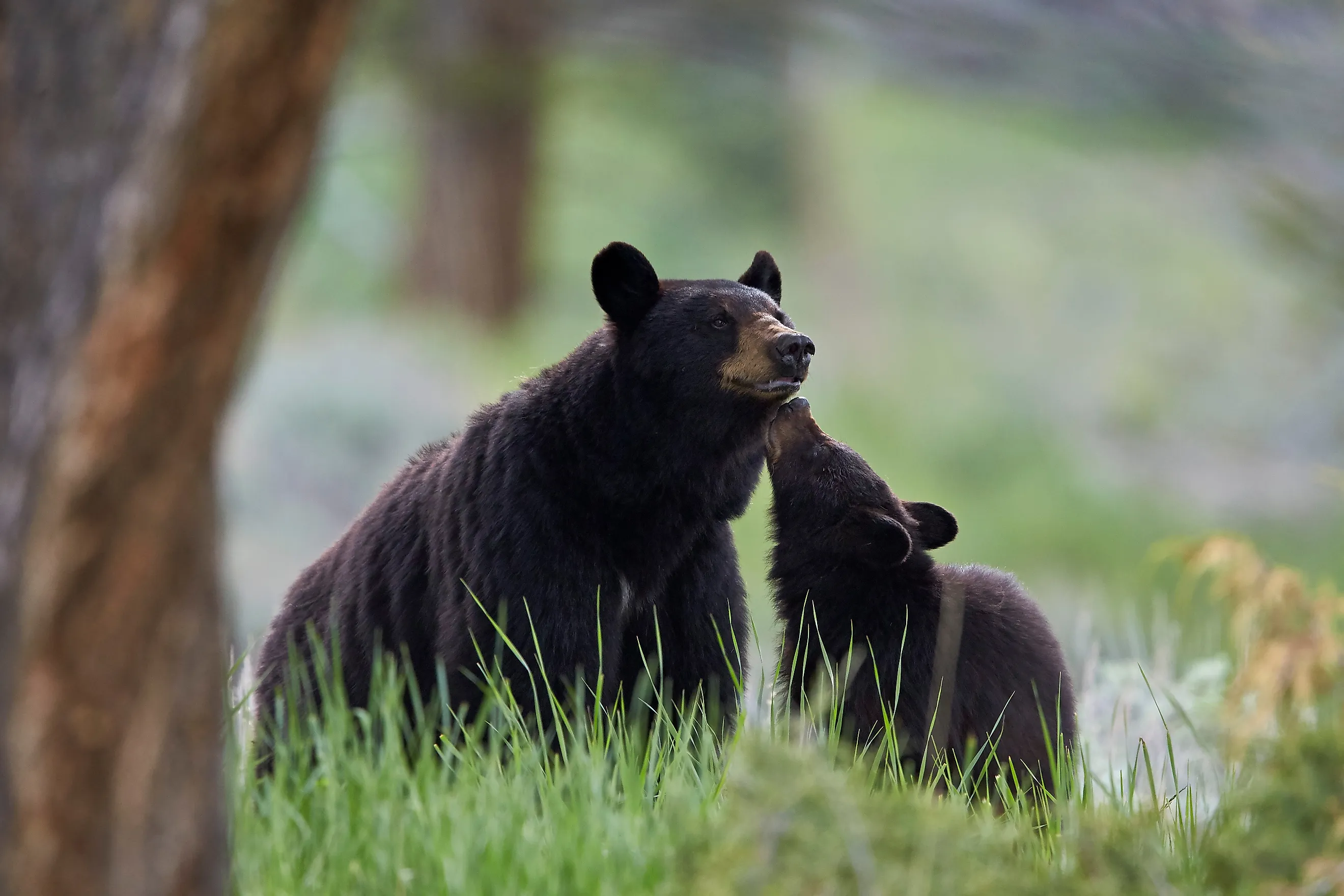
There are somewhere between 300,000 and 400,000 black bears in the United States, and roughly a third of them live in Alaska. In the Lower 48 the populations concentrate in four mountain systems, and the rankings change completely depending on whether you count total animals or animals per square mile. The Cascades and the northern Rockies hold the biggest numbers. The southern Appalachians hold the densest concentration anywhere in the country, at about two bears per square mile. And the Sierra Nevada is unusual enough that wildlife agencies treat its bears as a single population group spanning three states.
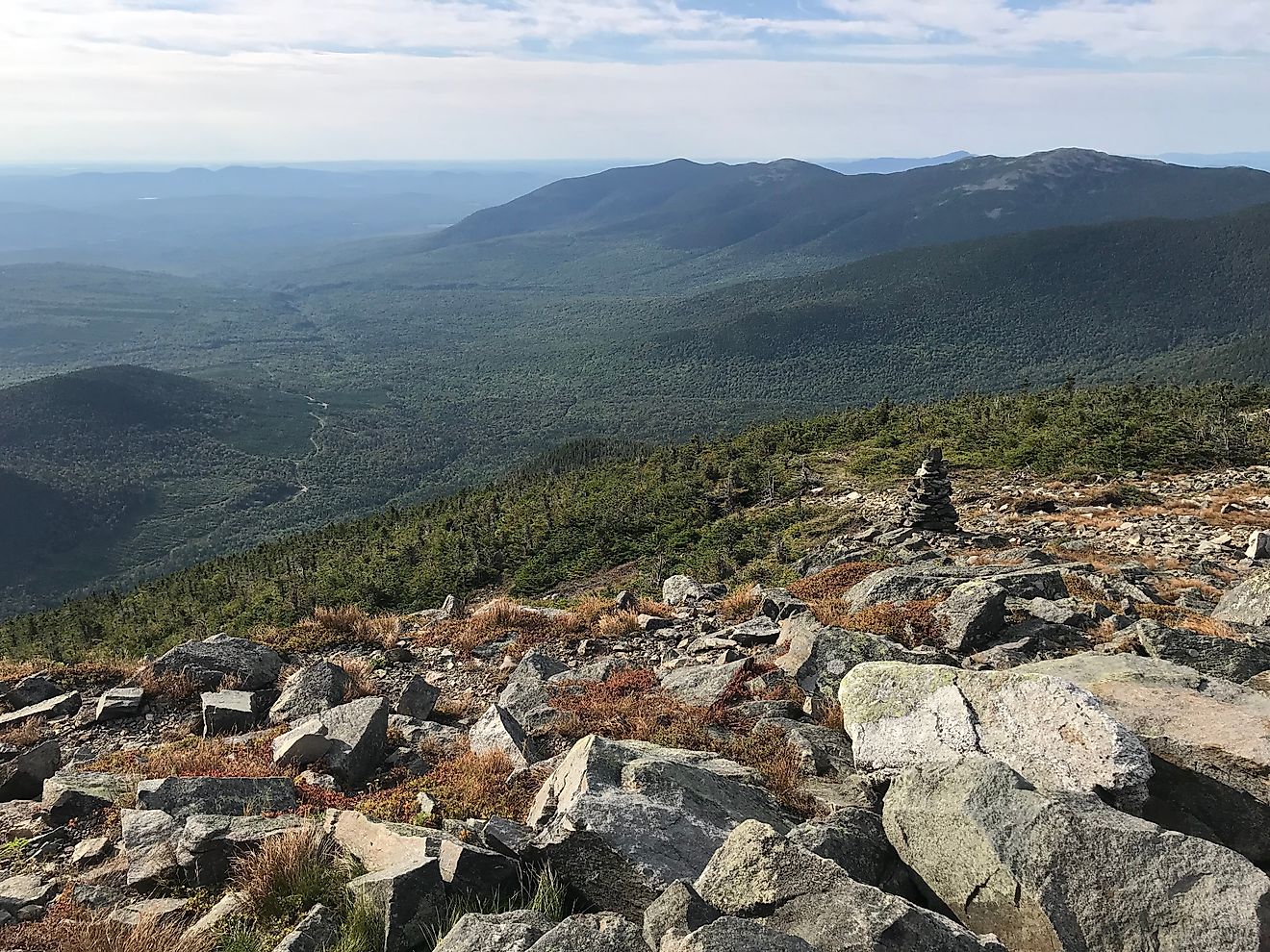
The Southern Appalachians Are The Densest

No mountain range in America packs bears in as tightly as the southern end of the Appalachians. The National Park Service estimates roughly 1,900 black bears in Great Smoky Mountains National Park alone, which works out to about two bears per square mile and is described by the agency as the densest black bear population in the country.
The bears are not confined to the park boundary either. They range across the Blue Ridge, the Unakas and the Nantahalas through North Carolina, Tennessee, Virginia, Georgia and West Virginia, and they regularly turn up on the outskirts of Gatlinburg.
What makes the terrain work is food. Oak and hickory mast, berries, and old-growth forest with large hollow trees for denning add up to unusually good bear country in a relatively small area.
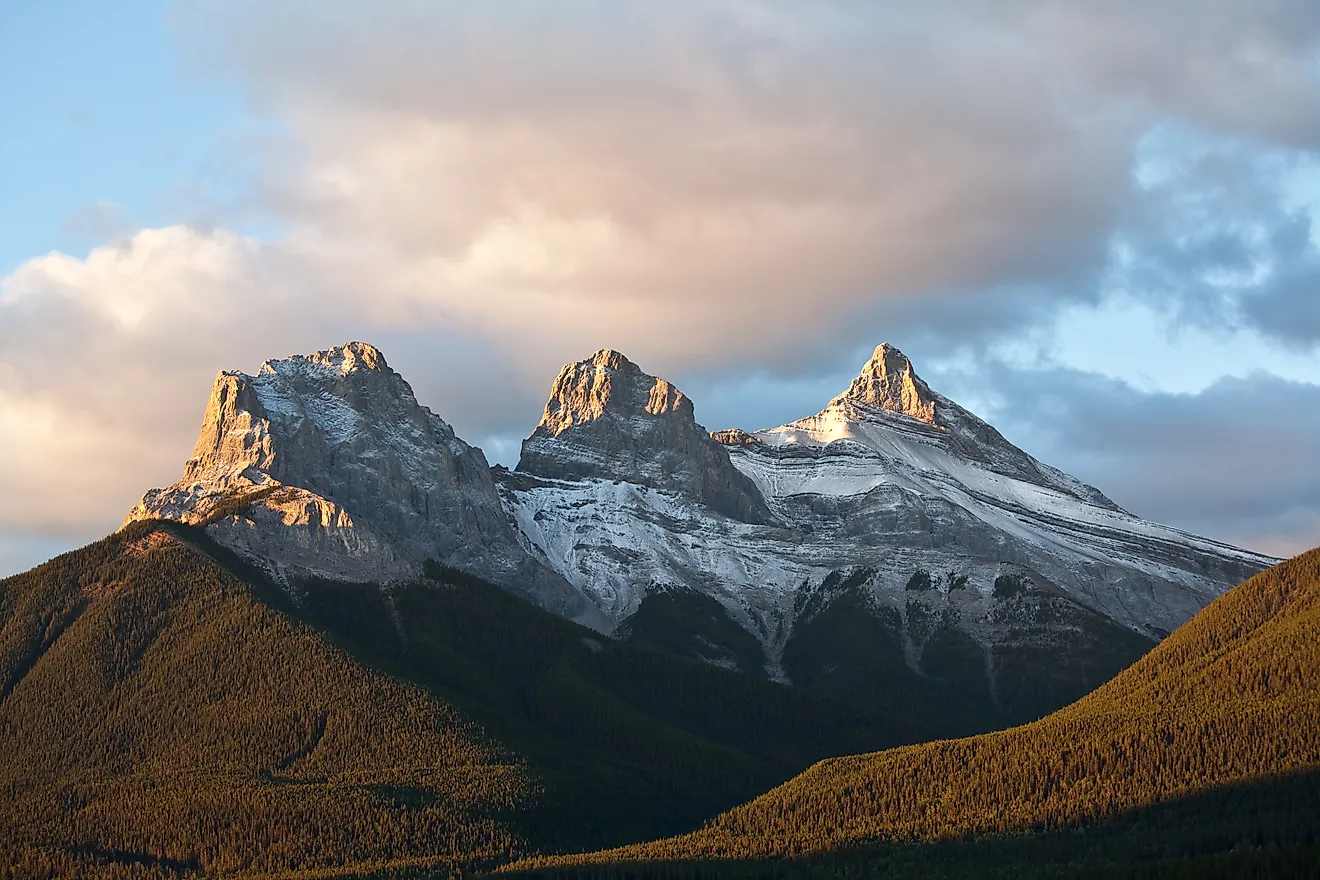
The Cascades Hold The Biggest Numbers

By raw population the Pacific Northwest wins, and Washington is the single biggest contributor in the Lower 48. The state holds an estimated 25,000 to 30,000 black bears across the Cascade Mountains and the coastal rainforests, which is more than any other state outside Alaska by most counts. Oregon's Cascades carry a comparable population, and the range runs essentially unbroken from British Columbia to northern California.
The Cascades offer something the Appalachians do not, which is sheer size. Lower densities across far more territory still produce the largest totals in the contiguous United States.
The Northern Rockies Are Close Behind
Idaho supports somewhere between 20,000 and 30,000 black bears across its mountain country, which puts it in direct competition with Washington for the top spot depending on which year's estimate you use.
Montana's ranges carry a substantial population as well, and the northern Rockies have the added complication of grizzlies occupying the same ground. Yellowstone's northern range holds roughly 20 black bears per 100 square kilometers, one of the highest densities in the northern Rockies, which is a reminder that the famous grizzlies are not the only bears up there.
The Sierra Nevada Is Its Own Population

Wildlife agencies treat the Sierra Nevada bears as a single population group rather than as a set of separate state populations, which is unusual and tells you something about how the animals actually move.
That group spans the Sierra Nevada, the Cascade Range of northern California and southern Oregon, and the mountains of western Nevada, and is estimated at 10,000 to 15,000 animals. Nevada's entire bear population of around 500 is a subset of it.
California's statewide figures are genuinely contested, with published estimates running from 25,000 to 35,000 and some sources going considerably higher. The state's wildlife department reports the population is growing and that bears are appearing in parts of the central coast and the Transverse Ranges where none lived fifty years ago.
The Southern Rockies
Colorado holds around 16,000 black bears across the southern Rockies, which is a large population in a state with a great deal of high country and a great many people recreating in it.
The Colorado bears also come with the best color fact in American wildlife. Colorado Parks and Wildlife reports that roughly 90 percent of the state's black bears are brown, honey-colored or cinnamon rather than black, which means most black bears in Colorado are not black.
Alaska Is Not Really In The Contest
Alaska holds around 100,000 black bears, roughly a third of the national total, spread across the Chugach, the Alaska Range, the Talkeetnas and the coastal mountains of the southeast.
That is more than every Lower 48 state combined by some counts, in terrain most people will never visit. Any ranking of American mountain ranges by bear population is really a ranking of everywhere else, with Alaska standing outside the comparison.
The Comeback Is The Real Story
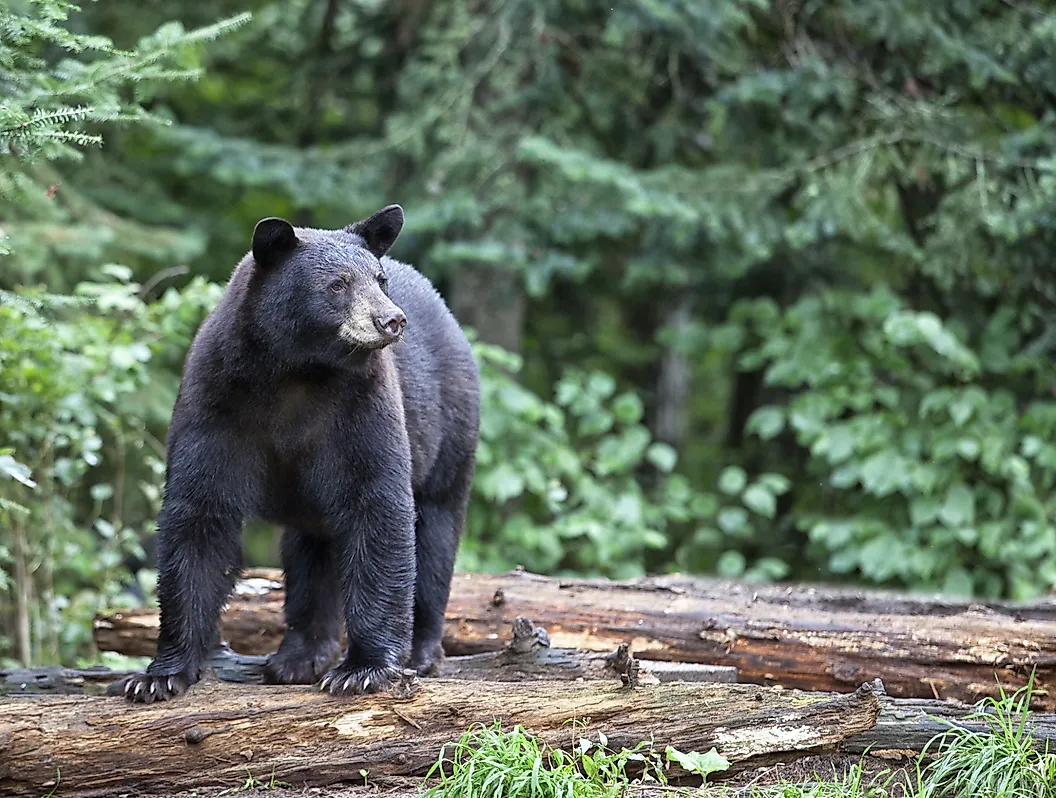
The most striking thing about all these numbers is how recently they would have been impossible. Before European colonization the black bear ranged across most of North America. Habitat loss and unregulated hunting reduced that drastically, and by the early 1900s bear populations had been nearly eliminated from the continental United States. The Smokies population survived, barely, and became one of the seed stocks for recovery elsewhere.
Arkansas is the clearest case. The state's bears were effectively wiped out, then reintroduced, and the Ozarks and Ouachitas now hold a population in the thousands. States across the East have run the same arc from extirpation to healthy numbers within a century.
They Are Mostly Eating Berries
Given the subject, it is worth being precise about what these animals actually do, because the reputation does not match the diet.
Roughly 85 percent of a black bear's diet is berries, plants, nuts and acorns. The protein comes largely from insects, grubs and carrion rather than from hunting. A black bear spends most of its waking life eating vegetation in a manner closer to a very large pig than to a predator.
They are also smaller than people assume, being the third-smallest bear species in North America after accounting for the polar bear and the grizzly, and overwhelmingly inclined to leave when they notice a person.
Where You Will Actually See One

Density determines sightings rather than total population, which is why the Appalachians beat the Cascades for anyone actually hoping to see one.
In the Smokies, bears live at every elevation and show up in meadows, roadside clearings and along trails, with Cades Cove the best-known spot. In the western ranges the bears are spread across far more ground, so encounters are less frequent despite the larger populations.
The sensible approach is the same everywhere: store food properly, keep your distance, never leave anything edible accessible, and accept that a bear that gets into human food usually ends up dead. Park Service figures note that bears which access human food and garbage often live only half as long.
The Ranking

By total population it is the Cascades and the northern Rockies, with Washington at 25,000 to 30,000 and Idaho at 20,000 to 30,000 trading places depending on the survey. By density it is the southern Appalachians, at around two bears per square mile. By sheer scale it is Alaska's ranges, with about a third of every black bear in the country.
And the most useful framing is that all of these numbers are recovery figures. A century ago this article would have had almost nothing to count.