The Native Fish Species That Depend On American Reservoirs
In the 1990s, a visitor at a Lake Mead boat launch spotted an adult razorback sucker eating popcorn. Biologists had considered that population lost since surveys came up empty in the 1970s. Razorbacks in Lake Mead now sustain their own population, with wild-born young reaching adulthood.
Every native fish in American reservoirs belongs to a lineage thousands of years older than the dams. Several endangered species now depend on that impounded water to survive. Eleven bonytail from Lake Mohave helped found the only broodstock used to breed the species today. Winter-run Chinook eggs below Shasta Dam make it through summer when managers release cold water from deep in the reservoir. California's only native sunfish now lives mainly in transplanted lake and reservoir populations, including several on the eastern side of the Sierra. Here are six native fish whose survival now depends on water held behind a dam.
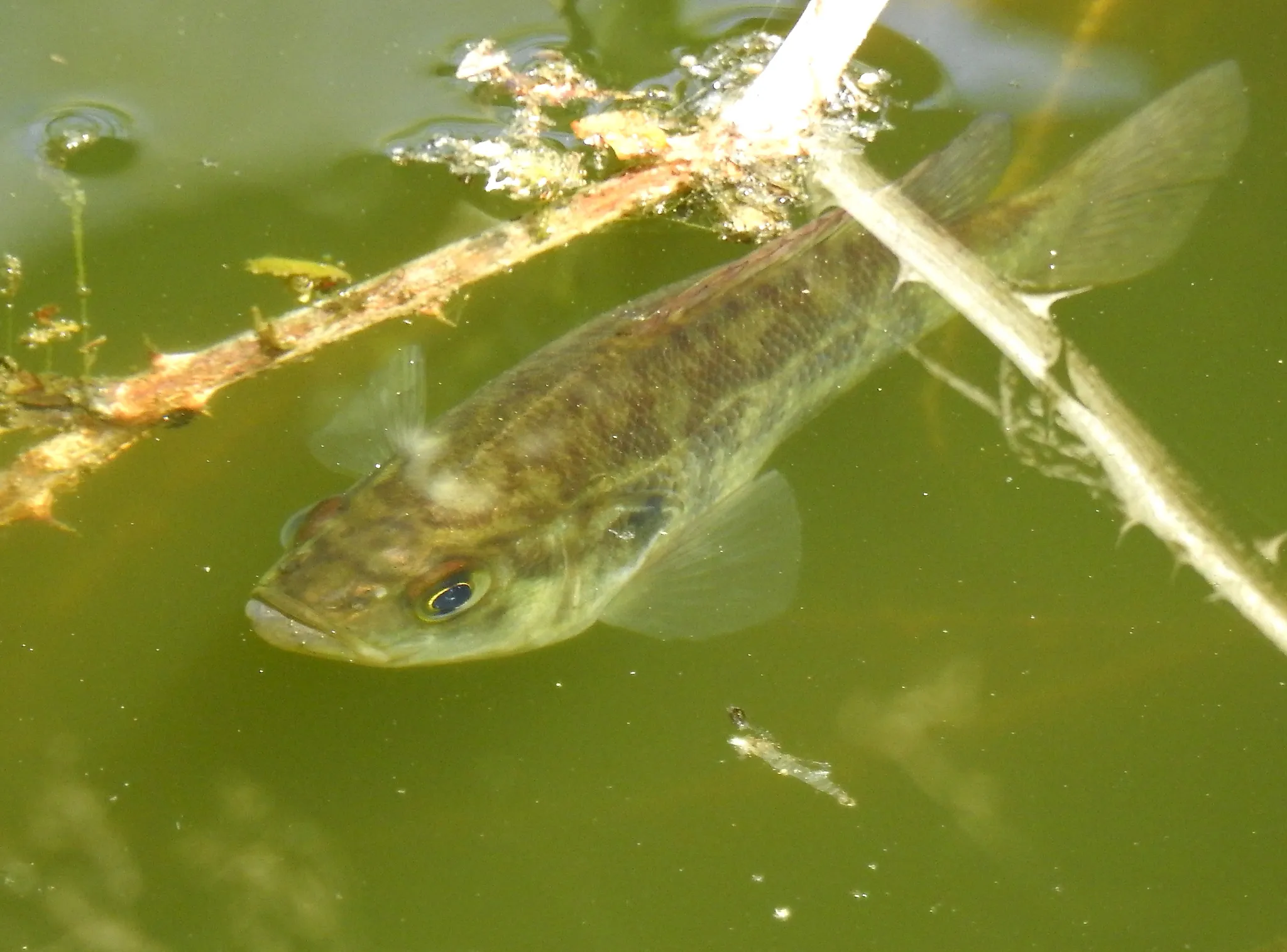
Sacramento Perch

The California Department of Fish and Wildlife says Sacramento perch once occupied the Sacramento-San Joaquin Delta, Clear Lake, the Pajaro and Salinas drainages, and tributaries flowing toward San Francisco and San Pablo bays. Today, its populations occur mainly in lakes and reservoirs where people transplanted it. Some surviving waters have conditions that prevent competing nonnative fish from becoming established, which has helped preserve isolated Sacramento perch populations.
Crowley Lake, Bridgeport Reservoir, and Biscar Reservoir are among its modern strongholds. In 2023, CDFW moved about 300 Sacramento perch between Biscar and Bridgeport reservoirs and a conservation pond to improve genetic diversity and rebuild populations within the historic range. Sacramento perch is also California's only native sunfish. A fish that disappeared from much of the Central Valley now hangs on in scattered waters hundreds of miles apart, including reservoirs tucked against the eastern side of the Sierra Nevada.
Razorback Sucker

Razorback sucker larvae are doing something rare in Lake Mead. Some survive long enough to join the adult population. The U.S. Fish and Wildlife Service describes the population as self-sustaining, a major distinction for a species whose young are often eaten by introduced predators elsewhere in the Colorado River system.
Razorbacks can exceed three feet and live for about 40 years, with a tall ridge behind the head that makes a large adult hard to mistake for anything else. Biologists now survey Lake Mead annually. Lake Mohave also supports razorbacks, although managers there collect larvae, raise them beyond their most vulnerable stage, and release the larger fish back into the reservoir.
Bonytail
The bonytail population that survived in Lake Mohave was small. Federal records show that 34 wild fish were captured there between 1976 and 1988. Eleven of them, six females and five males, helped establish the captive broodstock used to prevent the species from disappearing.
Those Lake Mohave fish still have descendants in recovery programs. The Bureau of Reclamation reported in 2024 that the Southwestern Native Aquatic Resources and Recovery Center in New Mexico maintains the world's only bonytail broodstock used for species propagation, with its parent stock originating from Lake Mohave. Young bonytail can spend two or three years in captivity before reaching the 12-inch size required for release. Each receives an identification tag that allows researchers to recognize it if it turns up again.
Many have gone straight back into reservoir country. Federal records show that about 209,500 bonytail were stocked into Lake Havasu between 1981 and 2013, with additional releases across the lower Colorado basin since then. Nonnative predators still make natural recruitment extremely difficult. Even so, today's propagation program carries genes from that tiny group of wild fish collected from Lake Mohave decades ago.
Sacramento River Winter-Run Chinook Salmon

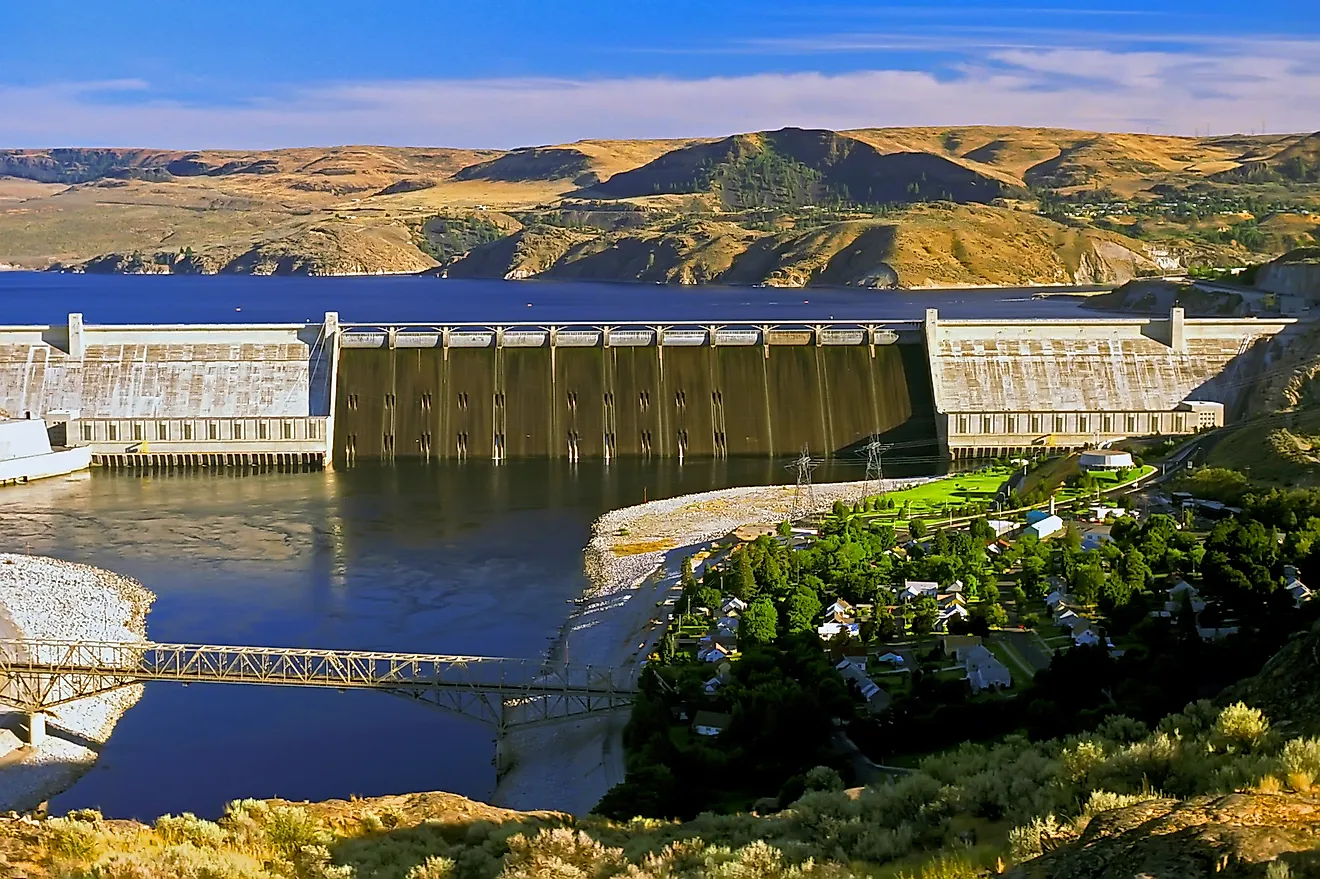
Winter-run Chinook spend their lives outside Shasta Reservoir, but cold water stored deep inside Shasta Lake has become crucial to their survival. Historically, these salmon reached cold, spring-fed spawning waters in the upper Sacramento River system. Shasta and Keswick dams blocked those routes, leaving the remaining population to spawn downstream during warm months. NOAA Fisheries now tracks the amount and temperature of water in Shasta closely because carefully timed releases can protect incubating eggs from dangerous summer heat.
In 2021, NOAA estimated that high river temperatures caused about 75 percent temperature-dependent egg mortality. Conditions changed dramatically in 2022. Managers conserved Shasta's limited cold-water supply while irrigators reduced diversions, and the estimated mortality fell to about 17 percent. NOAA uses 53.6°F as an important threshold when assessing safe egg development. That makes the cold layer deep in Shasta much more than an interesting feature on a reservoir profile. Its size and temperature can affect how many endangered salmon hatch downstream below Keswick Dam.
Lost River Sucker

Clear Lake Reservoir in far northern California holds one of the remaining spawning populations of the endangered Lost River sucker. The U.S. Geological Survey has monitored suckers there consistently since 2004 because the population is important to Klamath Basin recovery work. Adults spend much of the year in the reservoir and can move into Willow Creek and its tributaries when spring flows open the route to spawning habitat. USGS sampling from 2004 through 2007 found evidence that new Lost River suckers were consistently joining the population.
Upper Klamath Lake, another major home for the species, has had severe trouble getting young suckers into its adult population. More recent Clear Lake monitoring still shows a long-term decline in abundance, so the problem is far from solved. Juvenile suckers there have nevertheless appeared across a broader range of ages and shown better apparent survival than juveniles in Upper Klamath Lake, giving researchers two very different populations to compare.
Shortnose Sucker

Shortnose suckers share Clear Lake Reservoir with Lost River suckers, and USGS crews have caught plenty during monitoring. Across surveys in 2008 and 2009, researchers tagged 2,874 new shortnose suckers and 389 new Lost River suckers. Low reservoir levels concentrated fish during the especially large 2009 catch, so those totals are not direct population estimates.
In spring, adult shortnose suckers can leave the reservoir and swim into Willow Creek and its tributaries to spawn. Researchers have installed remote antennas that recognize individually tagged fish as they pass. During dry years, low flow in Willow Creek can sharply reduce the number detected making that migration.
The younger fish have supplied some encouraging evidence. USGS monitoring in 2021 and 2022 found that most suckers caught during juvenile surveys at Clear Lake were three to five years old. That is a useful milestone for a species whose recovery has repeatedly been hampered by poor survival during its early years. Those catches confirm that at least some young suckers at Clear Lake are making it several years beyond their first season.
A Strange New Chapter For Native Fish

Reservoirs complicate the usual conservation story. Many were created by dams that damaged native river habitat, yet some now support populations that managers cannot afford to lose. That means recovery is not always about returning a landscape to exactly what it was before. Sometimes it means working carefully with the altered system that exists now, managing water, predators, spawning access, and genetics well enough to give native fish a real chance to persist.
.jpg)