The Lakes Where Largemouth Bass Grow Largest
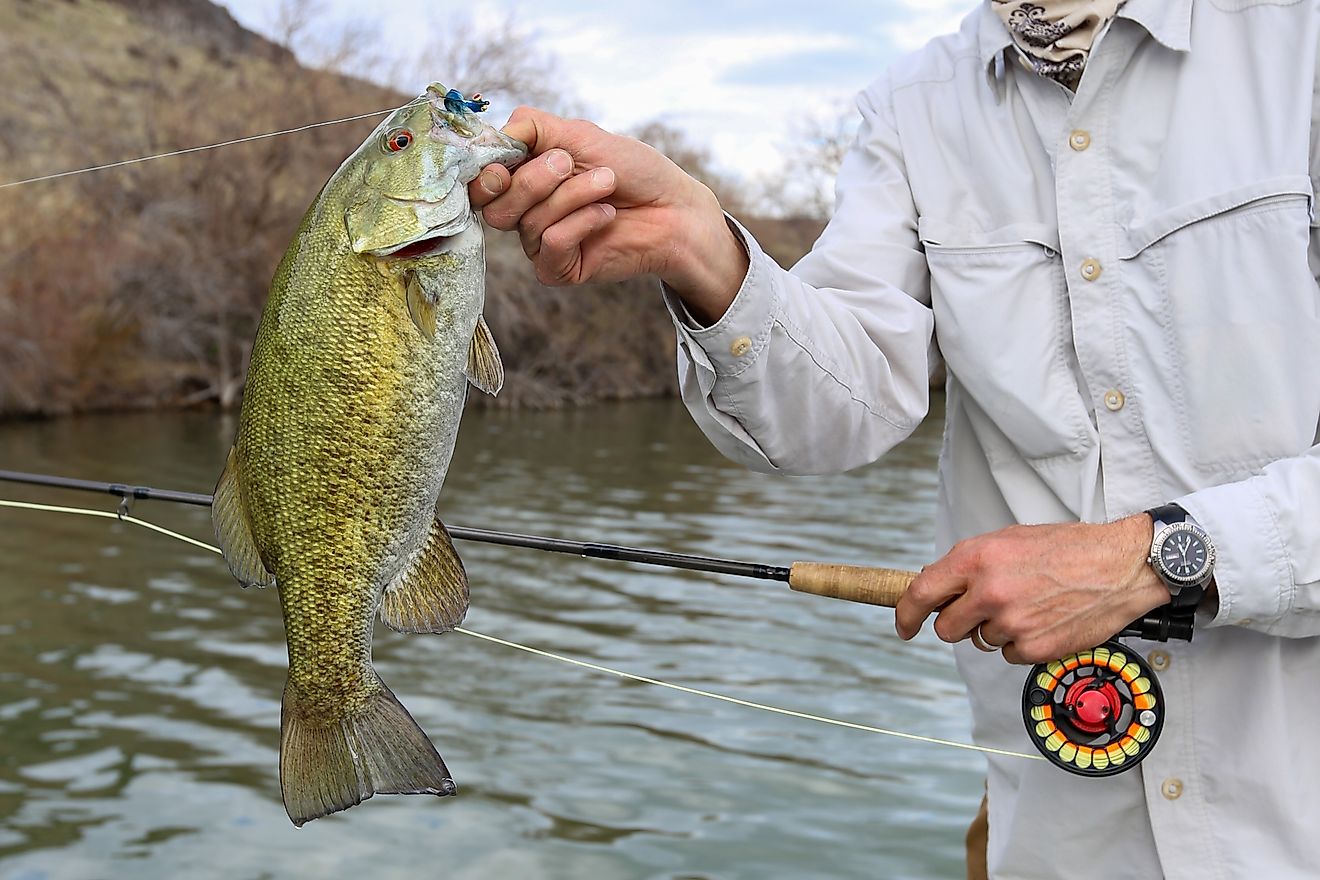
The largest largemouth bass ever certified weighed 22 pounds 4 ounces, it was caught in 1932 by a twenty-year-old Georgia farmer who then ate it, and no one has beaten it in ninety-four years. A Japanese angler tied it in 2009 with a fish that was actually an ounce heavier, and a California bass weighing 25 pounds was caught, photographed and released without ever entering the record book. That is the strange shape of this particular record: the most pursued mark in freshwater fishing has been matched once, exceeded unofficially at least once, and beaten never. The lakes that get close cluster in three states and two foreign countries, and the reasons are diet, genetics and water temperature in roughly that order.
Here is where the giants actually come from, and why the same handful of places keep producing them while most of the country tops out at six pounds.
Montgomery Lake, Georgia
The record lake is barely a lake. Montgomery Lake is a small oxbow off the Ocmulgee River in Telfair County, and on June 2, 1932 the fields were too wet to work, so George Washington Perry went fishing there with his friend Jack Page. They had a homemade boat between them and one rod, one reel and one lure.
The bass Perry caught measured 32.5 inches long with a 28.5-inch girth and weighed 22 pounds 4 ounces on a scale at a local store. He entered it in Field and Stream's Big Fish Contest, won, and received 75 dollars worth of sporting equipment. Then the family ate the fish, which fed six people for two dinners, because this was the Depression and a 22-pound bass was primarily food.
He won the contest again in 1934 with a 13-pound 14-ounce largemouth. He later ran an airstrip in Brunswick, taught dozens of people to fly, and died in a plane crash in Alabama in 1974. No confirmed photograph of the record fish has ever surfaced.
Lake Biwa, Japan

Only one water has ever matched Montgomery Lake, and it took 77 years. On July 2, 2009 Manabu Kurita landed a largemouth from Lake Biwa near Kyoto that weighed 22 pounds 4.97 ounces, a full ounce more than Perry's fish.
He did not take the record outright. International Game Fish Association rules require that a new record under 25 pounds beat the existing mark by at least two ounces, to allow for scale error, so Kurita's heavier fish was certified as a tie rather than a win. The most famous record in bass fishing is now jointly held by a Georgia farmer and a Japanese angler born half a century apart.
Biwa is Japan's largest lake and an ancient, stable, exceptionally clear system with a huge native forage base. It also received Florida-strain largemouth decades ago, which is the genetic ingredient every fishery on this list has in common.
Lake Dixon, California

The largest largemouth anyone has ever put on a scale came out of a small reservoir near Escondido, California, and officially it does not exist. In April 2006 Mac Weakley caught a bass at Lake Dixon that weighed 25 pounds 1 ounce, nearly three pounds above the world record. It was foul-hooked, meaning hooked somewhere other than the mouth, which is contrary to California law and disqualifies a fish from record consideration. Weakley photographed it, weighed it and released it without submitting a claim.
The fish was known locally as Dottie, for a distinctive black spot, and she had been caught and released more than once before. She was found floating dead in the lake two years later. The heaviest largemouth in recorded history therefore exists as a photograph, a weight, and a decision not to file the paperwork.
Why California Produces Them
Southern California has no business growing world-class bass and does it anyway, for a single reason that has nothing to do with the lakes themselves. The fish are eating trout.

State hatcheries stock rainbow trout into reservoirs for put-and-take fishing, and the bass discovered that a hatchery trout is a large, soft, high-calorie meal that arrives on a schedule. A bass that switches from shad to trout is consuming several times the calories per strike, and the growth rates follow.
That is why lakes like Dixon, Castaic and Casitas, none of them large and none of them famous for anything else, have produced fish in the 20-pound class. The mechanism is a hatchery truck.
The Florida Strain Is The Genetic Half
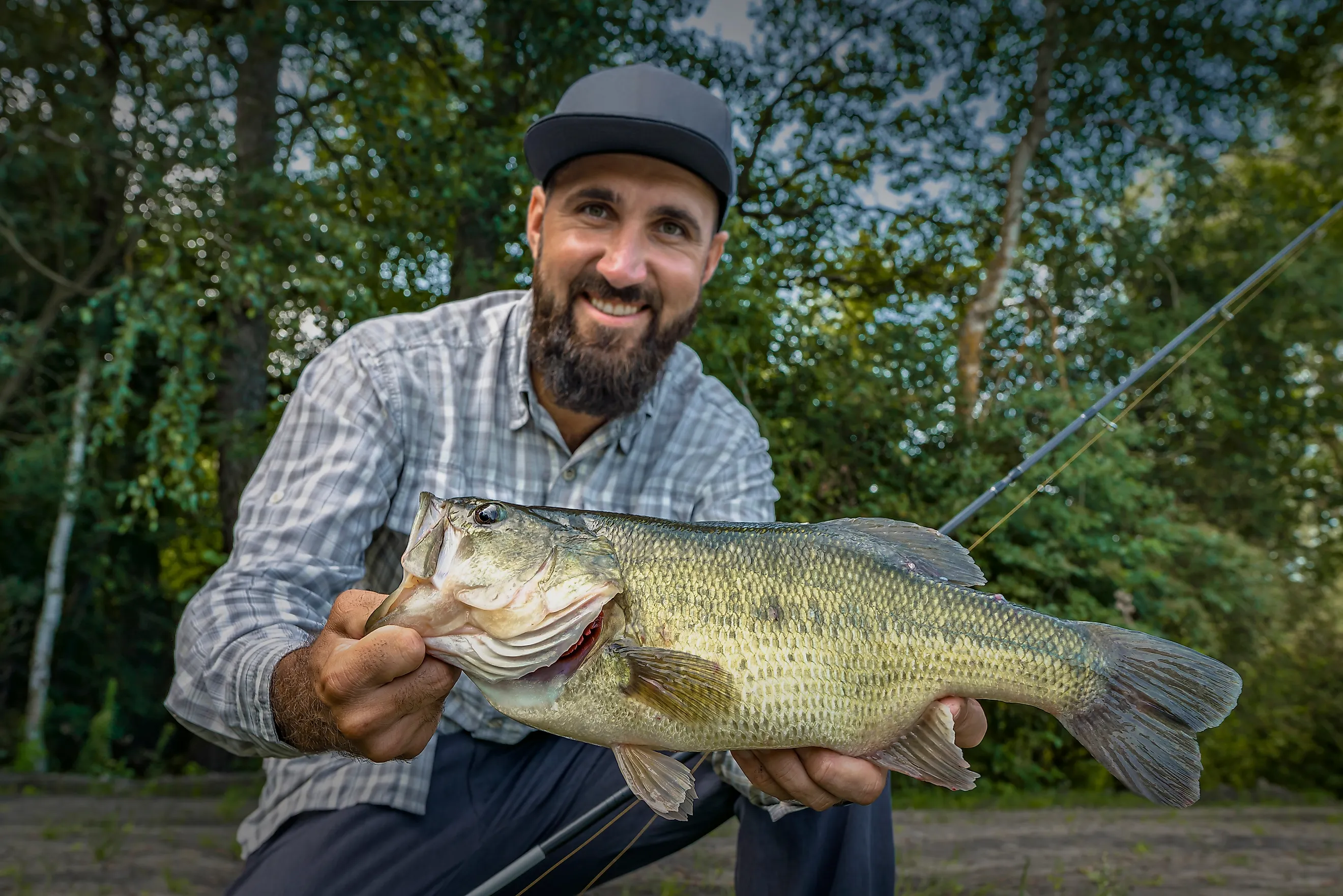
Largemouth bass come in two main varieties, and only one of them gets enormous. The northern strain tops out well below 15 pounds in most waters. The Florida strain grows faster, lives longer and reaches sizes the northern fish simply does not.
That is why Florida-strain fish have been stocked into California, Texas, Mexico and Japan, and why every water on this page has them. It is also the strain's limitation, because Florida bass do not handle cold winters well, which is precisely why the trophy map stops at a certain latitude no matter how good the forage is.
The combination that produces a 20-pounder is Florida genetics plus a long growing season plus an oversized food item. Remove any one of the three and the ceiling drops several pounds.
Lake Fork, Texas
Lake Fork is the most consistently productive trophy largemouth water in the United States, and the only one on this list deliberately engineered to be. It was impounded in the 1980s and stocked with Florida-strain fish from the start, over flooded timber that was deliberately left standing rather than cleared. That timber is the cover a big bass wants, and the result is a reservoir that has produced a large share of the biggest bass ever recorded in Texas, including the state record.
Texas also runs the ShareLunker program, which takes donated 13-pound-plus bass for selective breeding and then returns their offspring to public water. It is the only state-level attempt to manufacture a world record, and it has been running for decades.
Florida's Natural Advantage

Florida does not need to stock anything, because the Florida-strain bass is native here and the growing season never really stops. Lake Okeechobee, the Kissimmee Chain and the shallow vegetated lakes of the central peninsula produce enormous numbers of bass and a steady supply of double-digit fish. What Florida does not tend to produce is the single extreme outlier, because its bass do not have the one oversized calorie source that pushes a California fish past 20 pounds.

The trade is volume against ceiling. Florida gives you the best chance of catching a ten-pound bass and California gives you the only realistic chance of catching a twenty-pound one.
Mexico Is The Sleeper
The reservoirs of Sinaloa and Tamaulipas, particularly El Salto and Baccarac, are the closest thing to a purpose-built bass paradise anywhere on the planet. They are Florida-strain fisheries in a subtropical climate with a year-round growing season, enormous tilapia forage, and until relatively recently very little fishing pressure. Anglers regularly report double-digit catch rates of fish that would be the trip of a lifetime in most American states.
What Mexico has not produced is a record, and the likely reason is that the fish grow fast and die relatively young rather than accumulating weight over a long life, which is what a record actually requires.
Why The Record Has Stood Since 1932

Ninety-four years is an extraordinary run for a fishing record, especially one this heavily pursued, and there are three reasons for it. The first is that a 22-pound largemouth requires a rare combination that does not occur often even in the best water: the right genetics, more than a decade of life, an exceptional food supply and the luck to avoid every angler in between. The second is that the fish that could break it live in small, heavily fished California reservoirs where they get caught repeatedly and named, like Dottie, long before they reach maximum size.
The third is procedural. The two-ounce rule means a challenger has to beat 22 pounds 4 ounces by a clear margin rather than edge past it, and a foul-hooked fish, however large, is not eligible at all. The record has effectively been exceeded once and tied once, and remains unbroken on technicalities both times.
The Honest Ranking

For the certified record it is Montgomery Lake in Georgia and Lake Biwa in Japan, tied at 22 pounds 4 ounces and 77 years apart, which is the strangest shared record in sport.
For the biggest bass ever actually weighed, it is Lake Dixon in California at 25 pounds 1 ounce, disqualified and released. For the best odds of a genuine giant today, it is the Southern California trout reservoirs. For the most reliable trophy fishing, it is Lake Fork in Texas. And for sheer numbers of big bass, it is Florida.
The pattern underneath all of it is the same. A largemouth gets huge when Florida genetics meet a long warm year and a food item far bigger than a bass would normally eat, and the one place that reliably supplies that last ingredient does it with a hatchery truck full of trout.