What Happens To Miami If The Florida Reef Dies
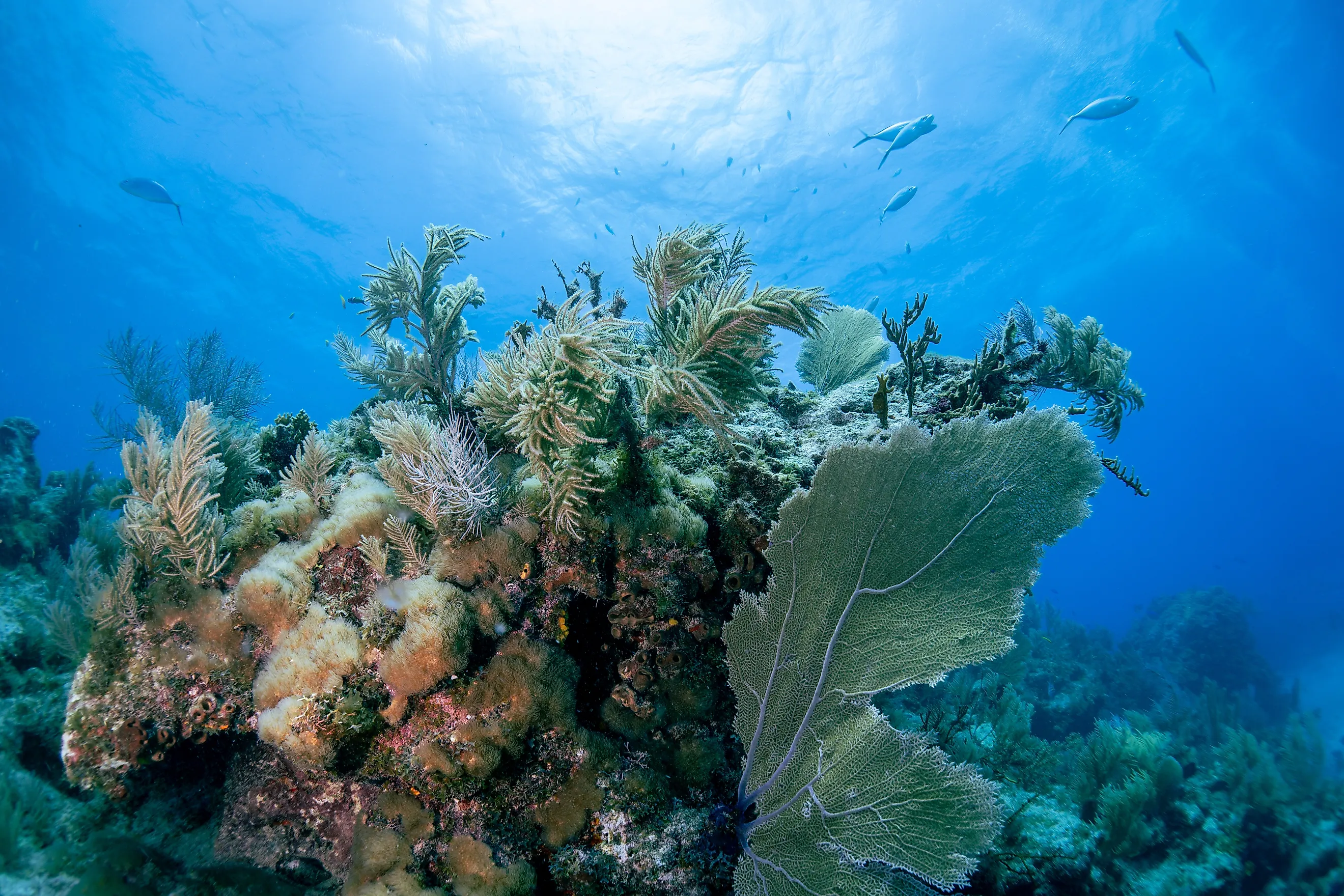
Every year, the coral reef off southeast Florida stops more than $675 million worth of flood damage before it ever reaches shore, according to the US Geological Survey. In a major hurricane, the reefs off Miami and Fort Lauderdale alone would prevent more than $1.6 billion in losses. Florida's Coral Reef is the only coral barrier reef in the continental United States, and its northern section runs right past Miami's beaches. If it died, the city would not disappear. It would lose a natural seawall, a major fishery, and one of the biggest draws for the millions of visitors who fuel its economy.
Miami Would Lose A Natural Seawall

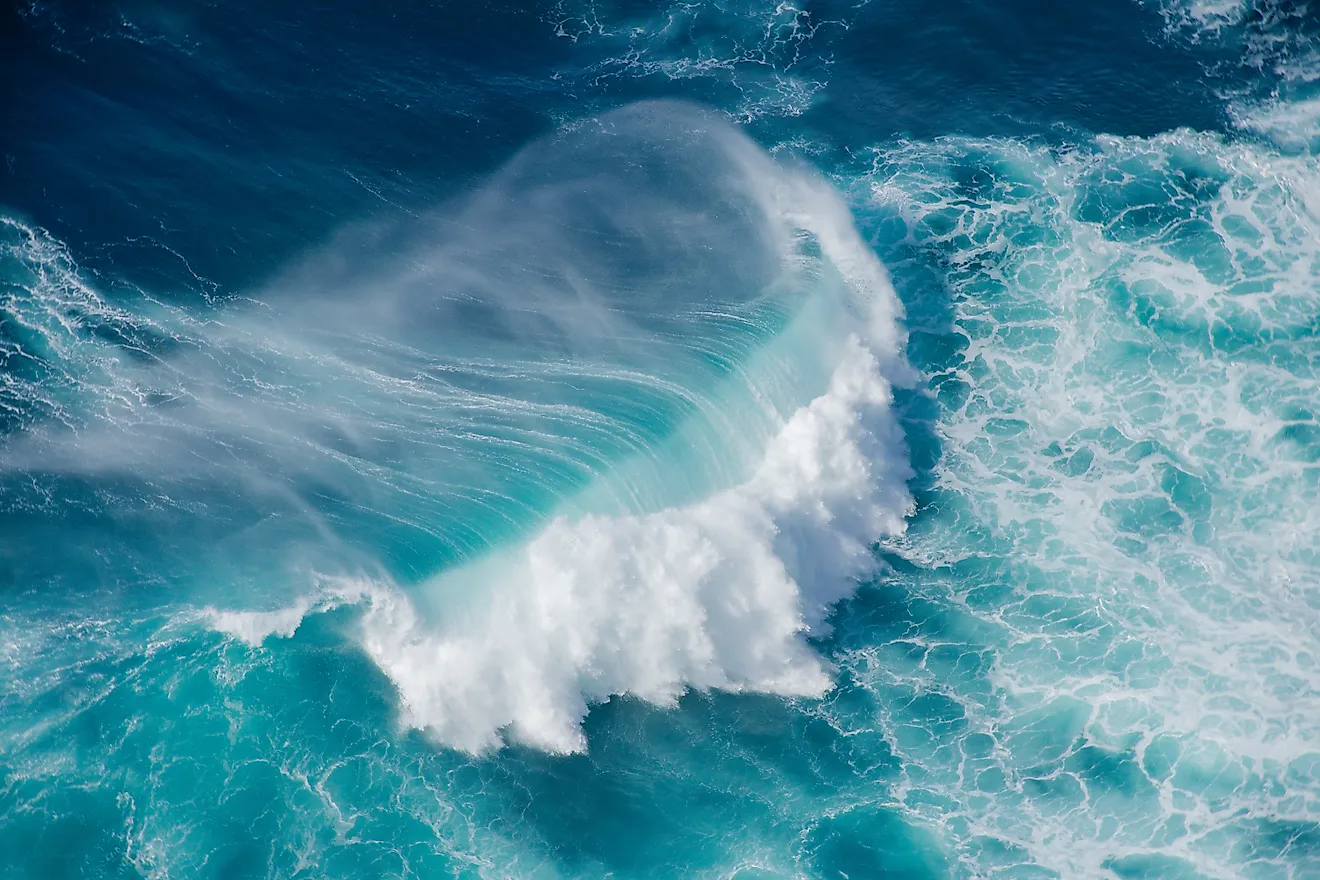
A healthy reef works like a speed bump for the ocean. Waves rolling in from the Atlantic break and lose energy as they pass over the rough, rocky reef, so they hit the beach with far less force. The USGS study found that Florida's reefs protect about 5,600 people, along with homes, roads, and businesses, from flooding every year. When corals die, the reef slowly erodes and flattens, letting bigger waves through. For a low-lying city like Miami, already dealing with rising seas and frequent tidal flooding, that would mean higher storm surge, more beach erosion, and more pressure to build expensive seawalls and pump more sand onto its beaches.
The Economy Would Take A Hit

The reef is a serious economic engine. According to the Florida Department of Environmental Protection, it supports a tourism economy worth more than $6 billion a year and about 71,000 jobs in South Florida, including dive shops, charter boats, and the hotels and restaurants that serve reef visitors. The reef also anchors the region's fishing industry, sheltering the snapper, grouper, lobster, and other species that support thousands of commercial and recreational fishing jobs. Without living coral, those fish would lose much of their habitat, and the boats, shops, and seafood businesses that depend on them would shrink with it.
Thousands Of Species Would Lose Their Home

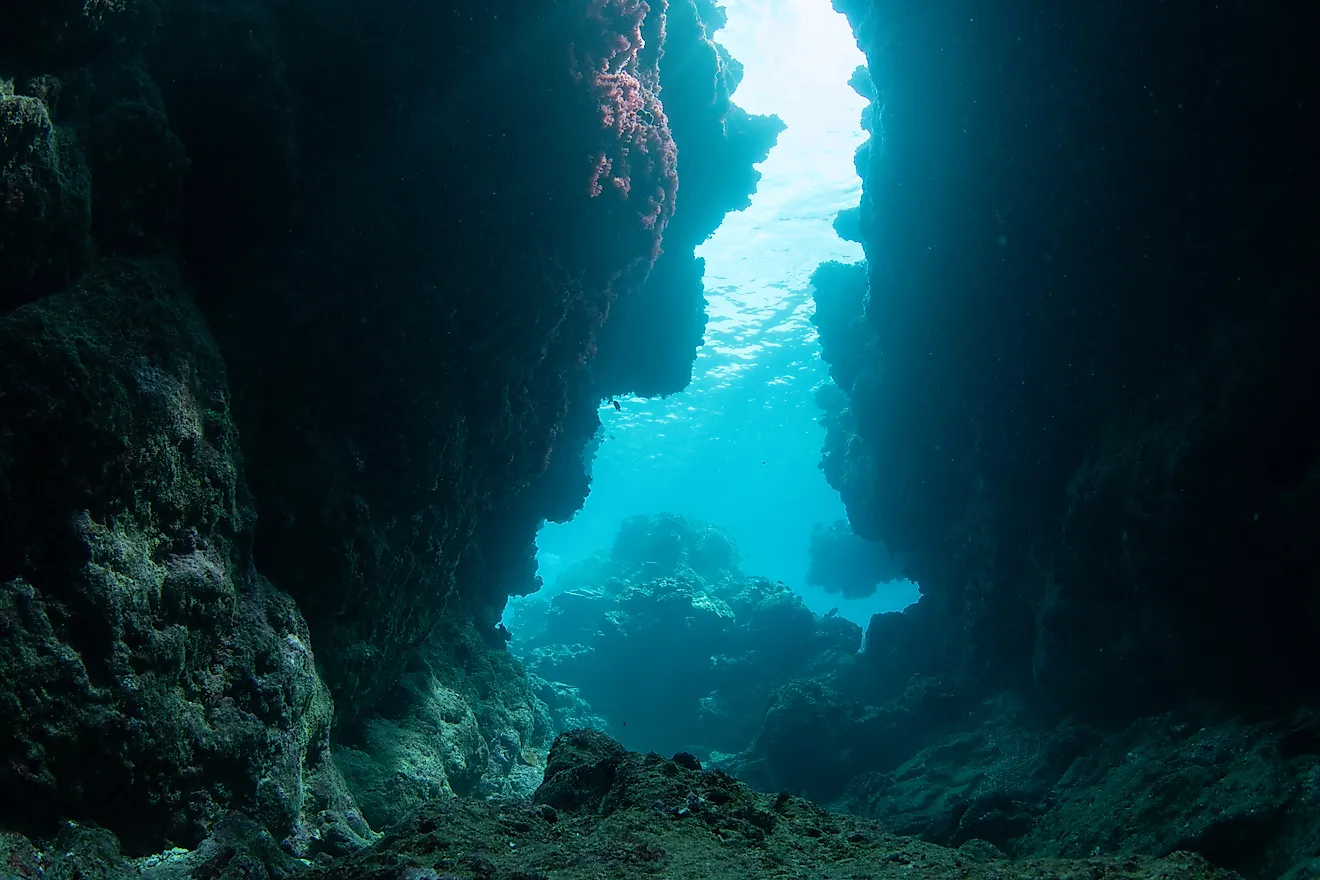
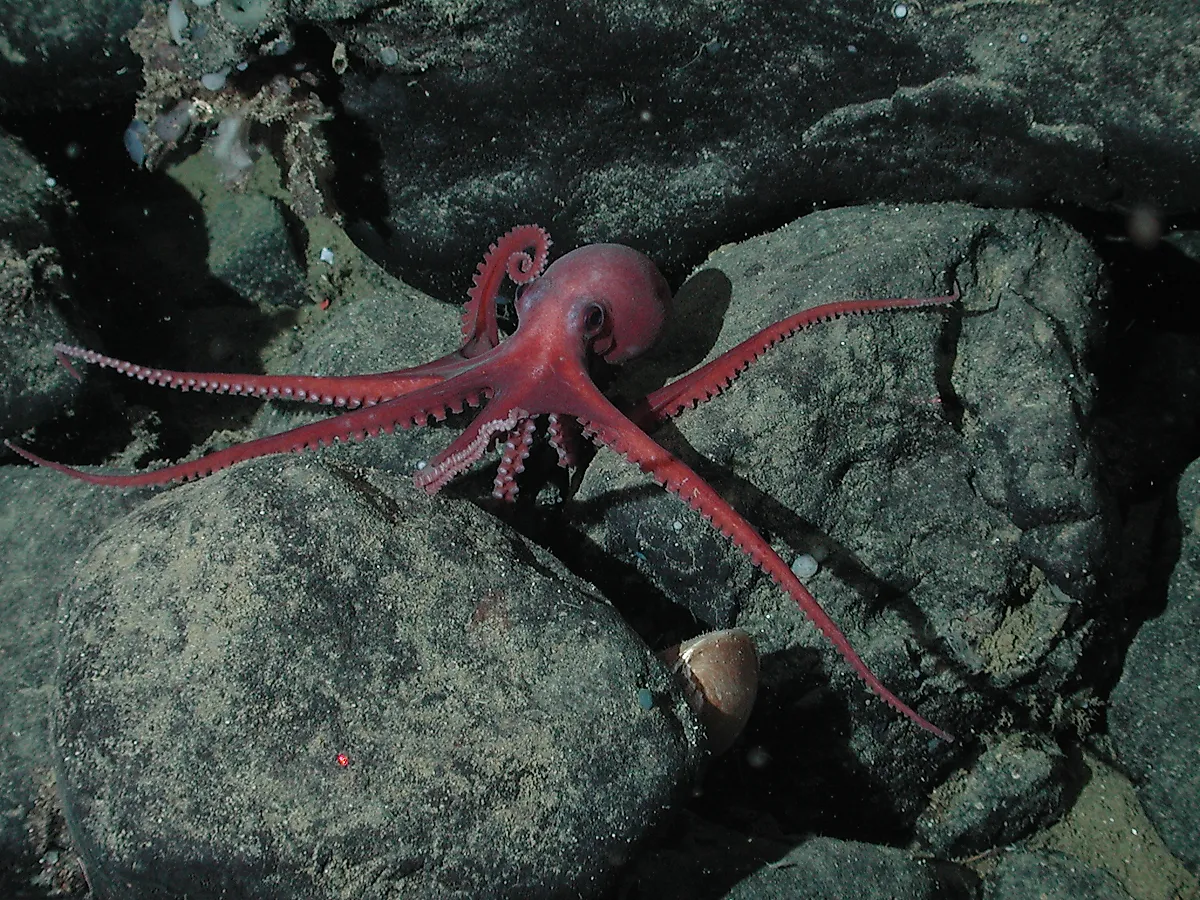
Florida's Coral Reef is home to more than 6,000 species of marine life, including sea turtles, sharks, sponges, crabs, and colorful reef fish. Many of them depend on the reef at some stage of their lives, using its crevices as nurseries or hunting grounds. If the corals died, algae and seaweed would likely take over the reef, as has happened on degraded reefs elsewhere in the Caribbean. The fish and creatures that need living coral would decline, and visitors to places like Biscayne National Park, just south of Miami, would find a much emptier underwater world.
Why The Reef Is In Trouble

The Florida reef has already lost much of its living coral over the past several decades. Two recent blows hit especially hard. Starting in 2014, a coral disease called stony coral tissue loss disease began spreading from waters near Miami and swept down the reef, killing many species of reef-building coral. Then, in 2023, record-warm ocean water caused widespread coral bleaching, in which stressed corals expel the tiny algae that give them food and color. Water pollution, coastal construction, and boat damage add to the strain.
Can The Reef Be Saved?
Florida is not giving up on its reef. State and federal agencies, universities, and aquariums now run coral nurseries, rescue rare corals from the wild before disease or heat can kill them, and replant thousands of young corals onto damaged reefs each year. Florida has also begun treating reef restoration as flood protection, so that coral projects can compete for disaster-prevention funding. For Miami, the payoff is clear. A living reef offshore means calmer waves, a busier tourism season, and a natural barrier that no seawall can fully replace.