The Lakes Where Smallmouth Bass Grow Largest
Ask any angler and they will tell you: pound for pound, nothing in freshwater fights dirtier than a smallmouth bass. Hook a big one and it goes airborne, headshakes like it owes you money, and generally behaves like a fish with a personal grudge. To grasp just how special a giant is, consider this: a 10-pound smallmouth is roughly as rare as a 20-pound largemouth, which is to say most anglers will never touch one. So where do these bronze-flanked bruisers actually get huge? A short list of lakes grows them to comical proportions, from a Tennessee reservoir clutching a 70-year-old record to a string of lakes that turned into smallmouth feedlots almost by accident. Grab your net.
Dale Hollow Lake, Tennessee and Kentucky

Every smallmouth story starts here, and honestly, it kind of ends here too. On July 8, 1955, a man named David L. Hayes hauled an 11-pound, 15-ounce smallmouth out of Dale Hollow Lake, and 70 years later nobody has topped it. Think about that: the record has survived Elvis, the moon landing, and the entire history of graphite fishing rods. Dale Hollow was not just lucky once, either, since it also produced the second-biggest smallmouth ever recorded and part of a tie for third, which is a little like one high school producing three NBA all-stars. Something in that cold, clear, deep water grows bass the size of small dogs, and record-chasers have been showing up ever since, rods trembling with hope.
Lake Erie

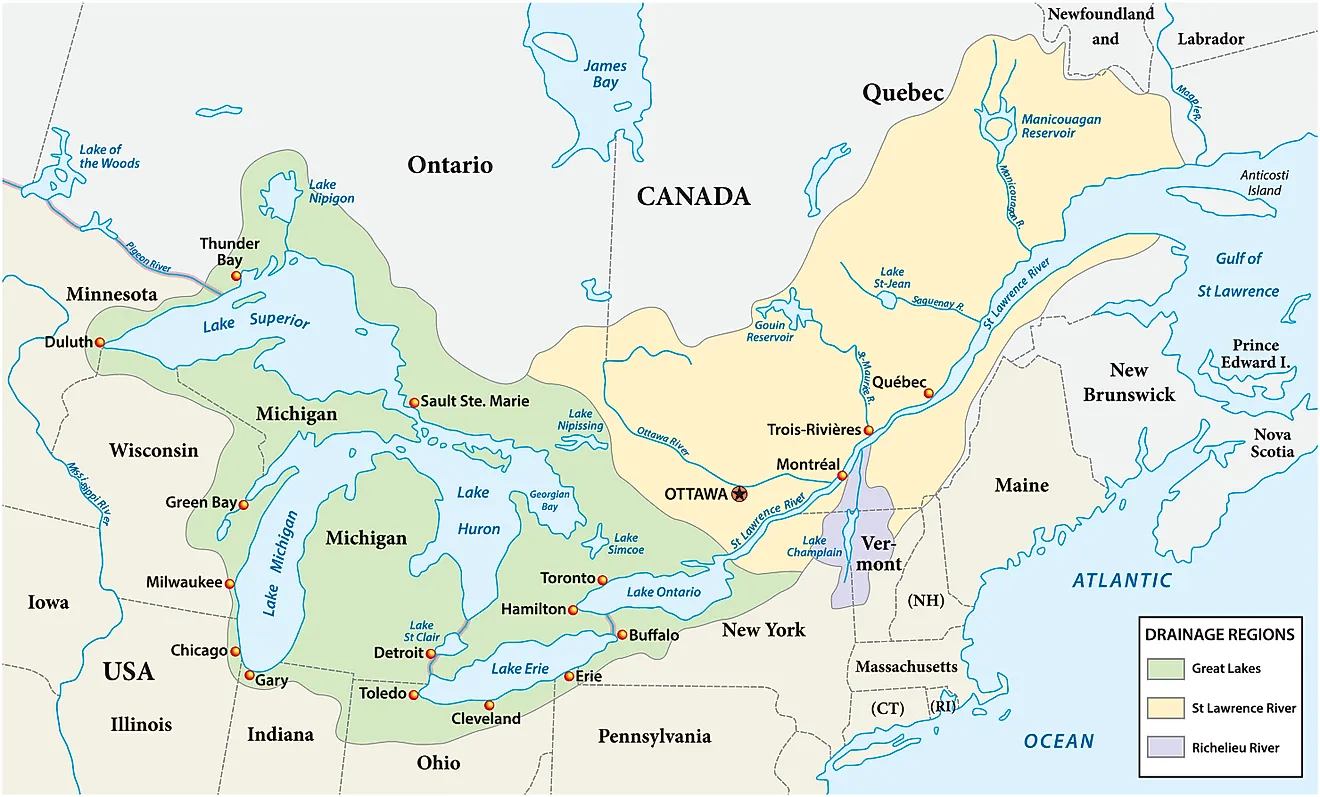
If Dale Hollow is the grand old champion, Lake Erie is the young upstart currently eating everyone's lunch, sometimes literally. Erie went from decent to jaw-dropping for a genuinely bizarre reason: invasive species accidentally built the perfect bass buffet. Zebra mussels showed up in the 1980s and scrubbed the water clean, and then round gobies arrived in the 1990s and volunteered themselves as an all-you-can-eat snack. The smallmouth responded by getting enormous. In November 2022, an angler netted a 10.15-pounder on the Canadian side near Port Clinton, Ohio, believed to be the first confirmed double-digit smallmouth in Great Lakes history. On Erie, a five-pound fish barely earns a photo.
Lake St. Clair, Michigan

Wedged between Lake Huron and Lake Erie like the overlooked middle child, shallow little Lake St. Clair quietly cashes in on the same goby-and-mussel jackpot feeding its famous neighbors. Its superpower is relentlessness. St. Clair does not just cough up the occasional giant, it produces quality smallmouth in absurd numbers, day after day, which is why it perpetually ranks among the best bass lakes on the continent. Pair it with the connected Detroit River and you have one giant, fish-stuffed playground. Throw a tube or a drop shot over the right rock pile here and you can lose count of your catches before lunch, with a true tank always lurking on the next cast.
Saginaw Bay, Lake Huron, Michigan

Lake Huron completes the Great Lakes smallmouth dream team, and its Saginaw Bay is where the numbers get silly. This is serious tournament water, and here is the reality check: it can take a five-fish limit weighing more than 20 pounds a day to win, a figure that would get you a trophy and a parade almost anywhere else. Like its neighbors, Huron rode the wave of clear water and endless gobies straight to fish-of-a-lifetime territory. And beyond the bay, Huron sprawls out over untold miles of lightly fished rocky shoreline, which means its scariest smallmouth secret may be that we have not even found its best water yet.
Green Bay, Lake Michigan, Wisconsin

Up in the northwest pocket of Lake Michigan, the Green Bay area around Sturgeon Bay, Wisconsin, has a reputation that makes trophy hunters go a little weak in the knees. This is where anglers casually mention six-pound smallmouth and then float the idea that the world record itself might be swimming out there somewhere. Cold, clear water, endless rocky reefs, and, yes, another buffet of gobies conspire to grow bass with the girth of a Nerf football. Spring is the main event, when giant pre-spawn females move shallow, and the fish caught during those magic weeks have a habit of ending up splashed across national fishing headlines.
Lake Ontario, New York and Ontario

The easternmost Great Lake refuses to be left out, and it may grow the roundest bass of the bunch. Lake Ontario and its celebrated Bay of Quinte pump out fat, football-shaped smallmouth, especially in the chilly months when the fish stuff themselves silly before winter. The connected St. Lawrence River is so ridiculously loaded that a pro tournament there in 2022 was won with a four-day haul topping 100 pounds of smallmouth, a first in the entire sport, and the river also recently gave up a New York state record around nine pounds. Fish the open lake or duck into the bays; either way, your personal best is in real danger.
Mille Lacs Lake, Minnesota

Poor Mille Lacs. It is so famous for walleye that its world-class smallmouth barely get a mention, which honestly seems to suit the bass just fine. This big, shallow Minnesota lake has quietly become one of the elite smallmouth destinations in the country, absolutely stuffed with fish and perfectly willing to hand you a five-pounder. Rock, gravel, and weed edges give smallmouth their ideal address, and smart management has kept the whole thing humming. For Upper Midwest anglers who want numbers and genuine size without booking a flight, Mille Lacs is the rare lake that delivers both, all wrapped in a postcard north-woods setting.
Lake Champlain, Vermont and New York

Straddling the Vermont-New York line, the 490-square-mile Lake Champlain is one of the great all-around bass fisheries in the East, and its smallmouth are the headliners. The average fish here runs a very respectable two and a half to three pounds, but the lake spits out true giants often enough to keep the record-chasers hooked, and it does so with almost comical abundance. Grass flats, deep rock basins, and island-dotted shorelines offer more water than you could fish in a lifetime, from Ticonderoga in the south to Plattsburgh in the north. Southern reservoirs like Pickwick Lake grow bruisers of their own, but for size and sheer volume together, Champlain is awfully tough to beat.