The Deepest Point Off The California Coast
About 80 miles southwest of Monterey, an extinct underwater volcano called Davidson Seamount rises from the floor of the Pacific Ocean. Even its summit sits more than 4,000 feet below the surface. At its base lies the deepest point in Monterey Bay National Marine Sanctuary, the largest marine sanctuary off California's coast. The National Oceanic and Atmospheric Administration puts that spot at 12,743 feet down, deep enough to stack two Grand Canyons with room to spare. Many sources credit this record to the famous Monterey Canyon, but NOAA places it at the foot of the seamount instead. There is no single official deepest point off California, since the seafloor keeps sinking farther from shore, but this is the deepest spot measured in the state's protected waters.
The Bottom Of Davidson Seamount

Davidson Seamount is an ancient volcano about 26 miles (42 km) long and 8 miles (13 km) wide. Measured from its base, it towers nearly 7,500 feet (2,280 m) tall, yet its peak never comes close to breaking the surface. In 2008, NOAA added it to Monterey Bay National Marine Sanctuary, making it the first seamount protected within a US national marine sanctuary.

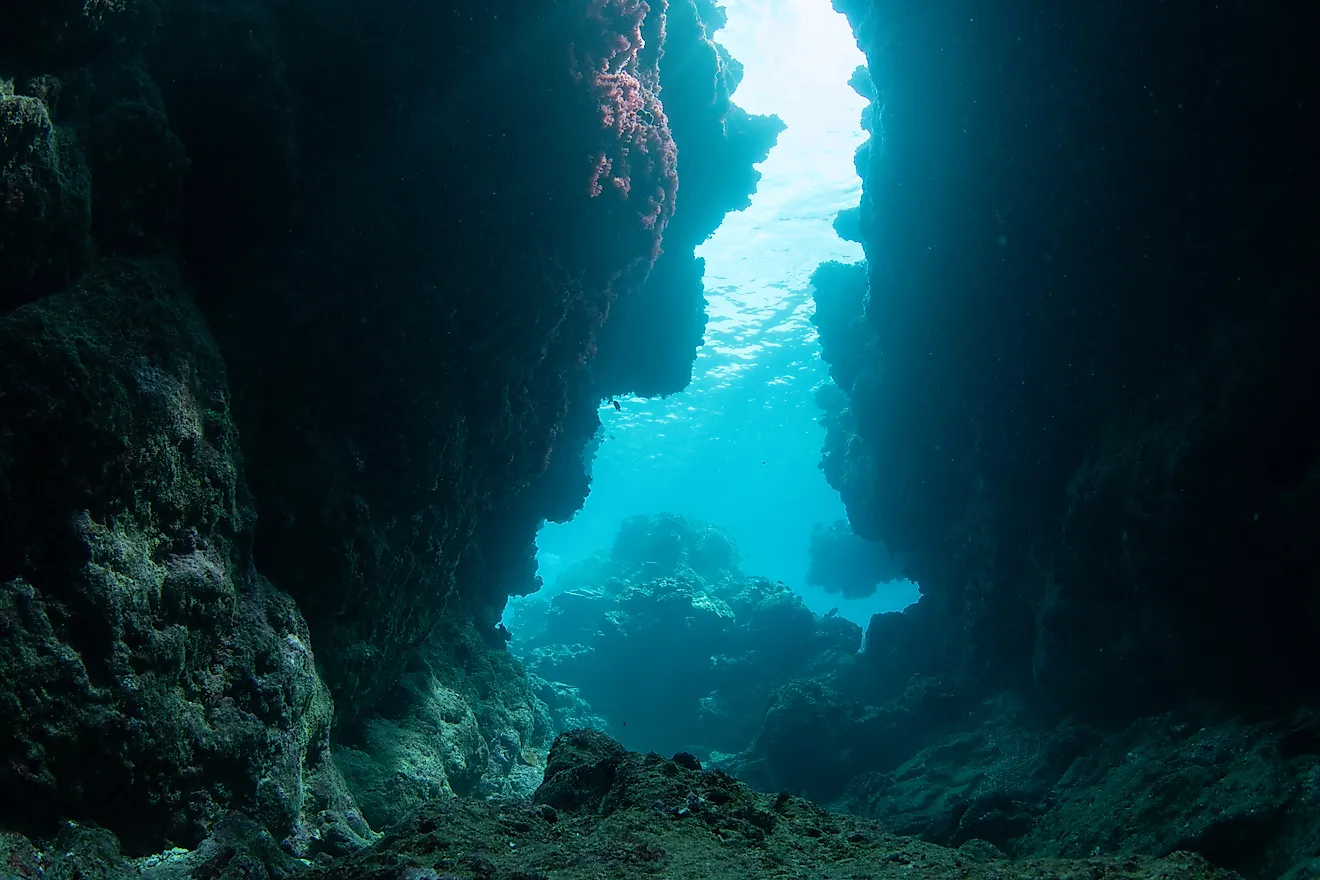
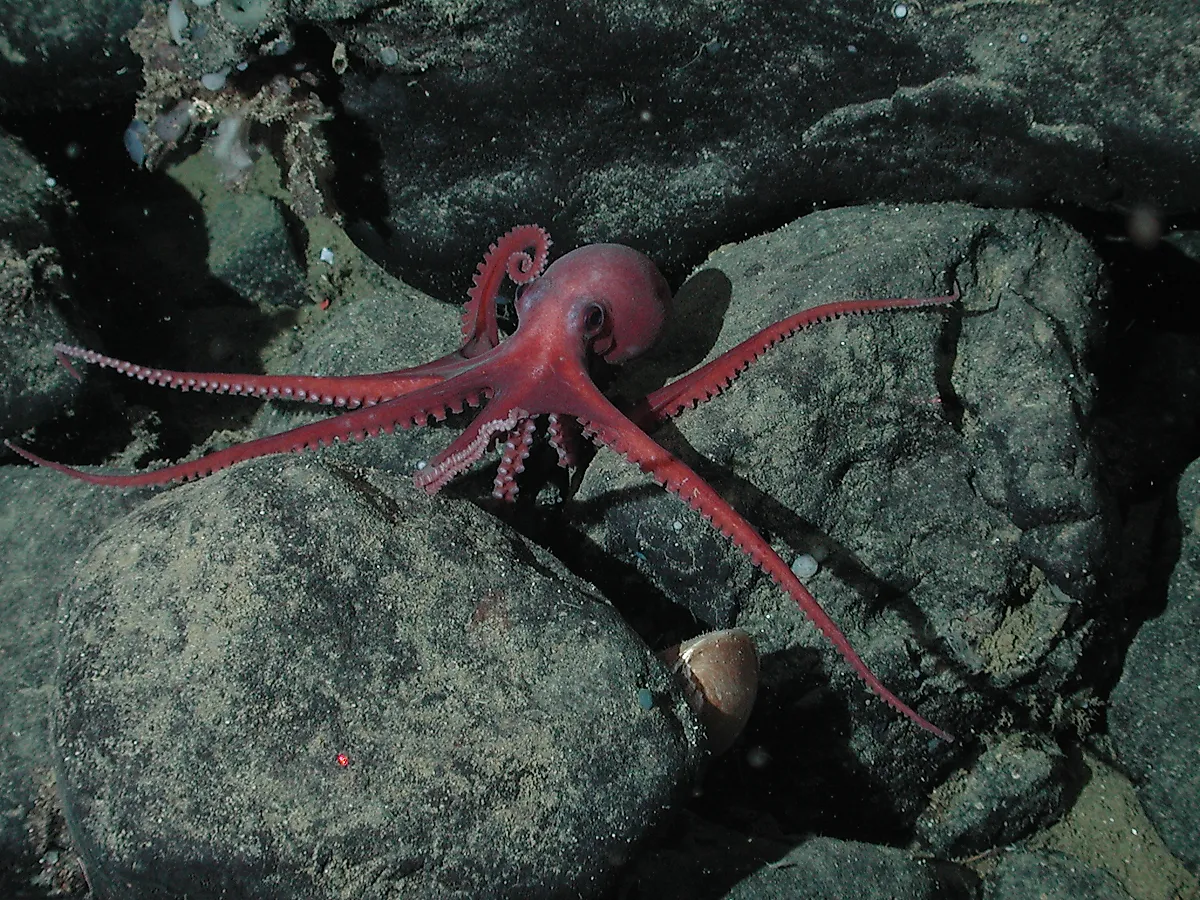
Life thrives here despite the darkness and near-freezing water. When scientists first explored the seamount in 2002, they found a pristine landscape of huge, ancient deep-sea corals and sponges. In 2018, explorers discovered something even more surprising near its base, an "octopus garden," where thousands of deep-sea octopuses gather to brood their eggs beside seeps of slightly warmer water flowing from the seafloor. Because the seamount is so deep and so far offshore, it is also beyond the reach of most fishing gear, which has helped keep it untouched.
Monterey Canyon, The Famous Runner-Up

If Davidson Seamount holds the record, Monterey Canyon holds the spotlight. This giant submarine canyon begins just offshore of Moss Landing, in the middle of Monterey Bay, and winds out to sea for almost 250 miles (400 km), according to the Monterey Bay Aquarium. It is the largest submarine canyon off the US Pacific coast, with walls nearly as tall as those of the Grand Canyon, and far offshore, beyond the sanctuary's boundary, its deepest reaches drop to about 2.5 miles (4 km).

What makes the canyon special is how close it comes to shore. Deep water begins only a short boat ride from the beach, which brings whales, dolphins, and deep-sea creatures unusually close to land. Scientists have spotted vampire squid, glowing jellies, and strange siphonophores drifting through the canyon's dark waters, and the deep, cold water that rises from it feeds one of the richest marine ecosystems on the planet.
How To Explore The Deep From Shore

You don't need a submarine to see California's deep sea. The Monterey Bay Aquarium works with the Monterey Bay Aquarium Research Institute, known as MBARI, to bring deep-sea animals and footage from the canyon to the public, and its exhibits show what lives thousands of feet below the bay. MBARI's remotely operated vehicles have explored both Monterey Canyon and Davidson Seamount, and the institute regularly shares video from its dives. For a closer look at the canyon's effect on wildlife, whale-watching trips from Moss Landing and Monterey head straight for the deep water, where humpback whales, dolphins, and sea lions feed above the canyon.
A Coast That Drops Off Fast
California's deepest waters are not hidden in some distant trench. They begin just offshore, where Monterey Canyon carves into the continental shelf and Davidson Seamount rises from the abyss. Even at more than 2 miles deep, these places are still only about a third as deep as the Mariana Trench's Challenger Deep, the deepest point in any ocean. Yet few coastlines anywhere put the deep sea so close to shore, and so close to the scientists and visitors exploring it.