The Lakes Supplying Drinking Water To The Most Americans
Seven lakes supply drinking water to more Americans than any others. Five are the natural Great Lakes, and two are reservoirs created through damming efforts. These lakes are crucial sources of water for metro areas and drier areas of the US, such as the American Southwest. In some cases, droughts and invasive species have disrupted their ecosystems and threatened these supplies. They are ranked here by the number of Americans served, beginning with the lake that supplies the most.
Lake Mead

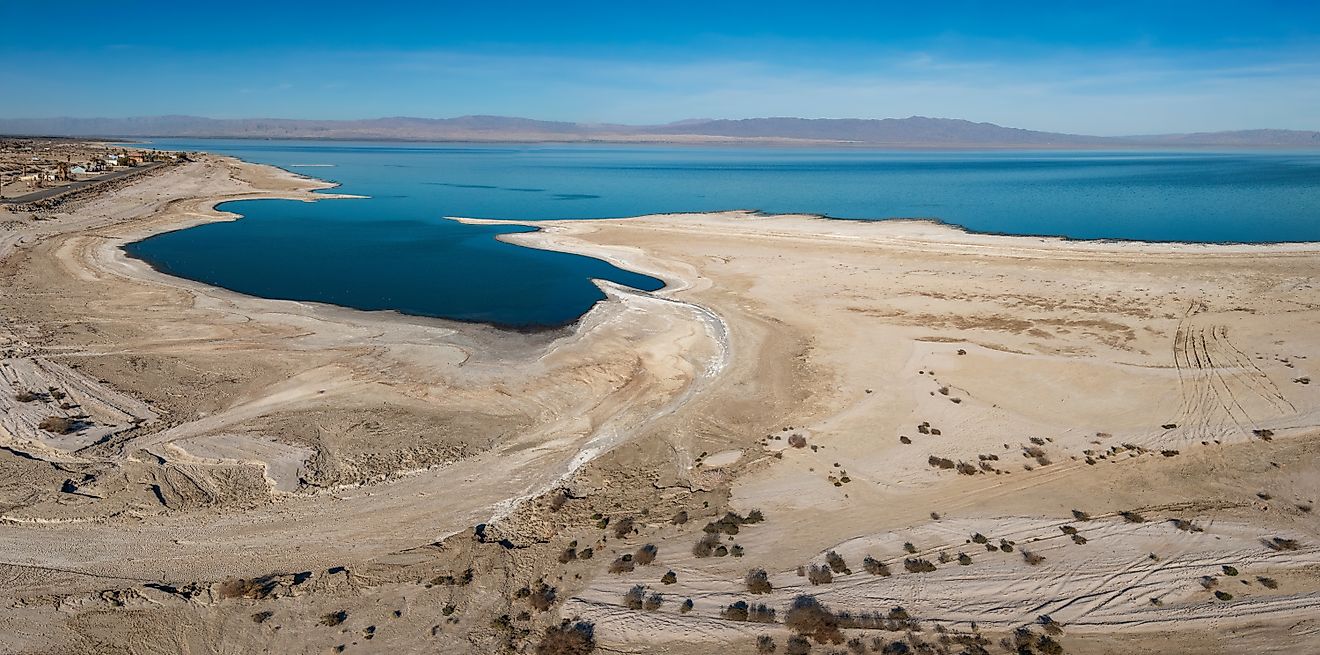
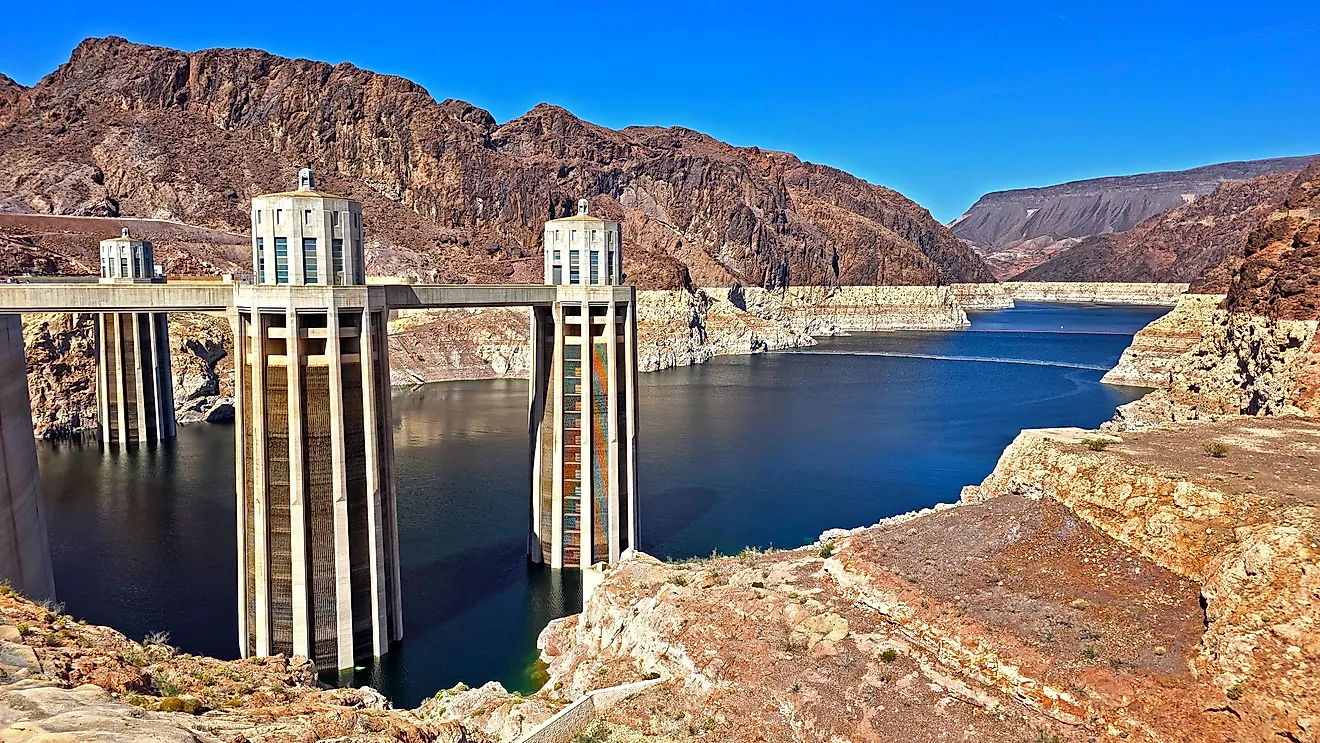
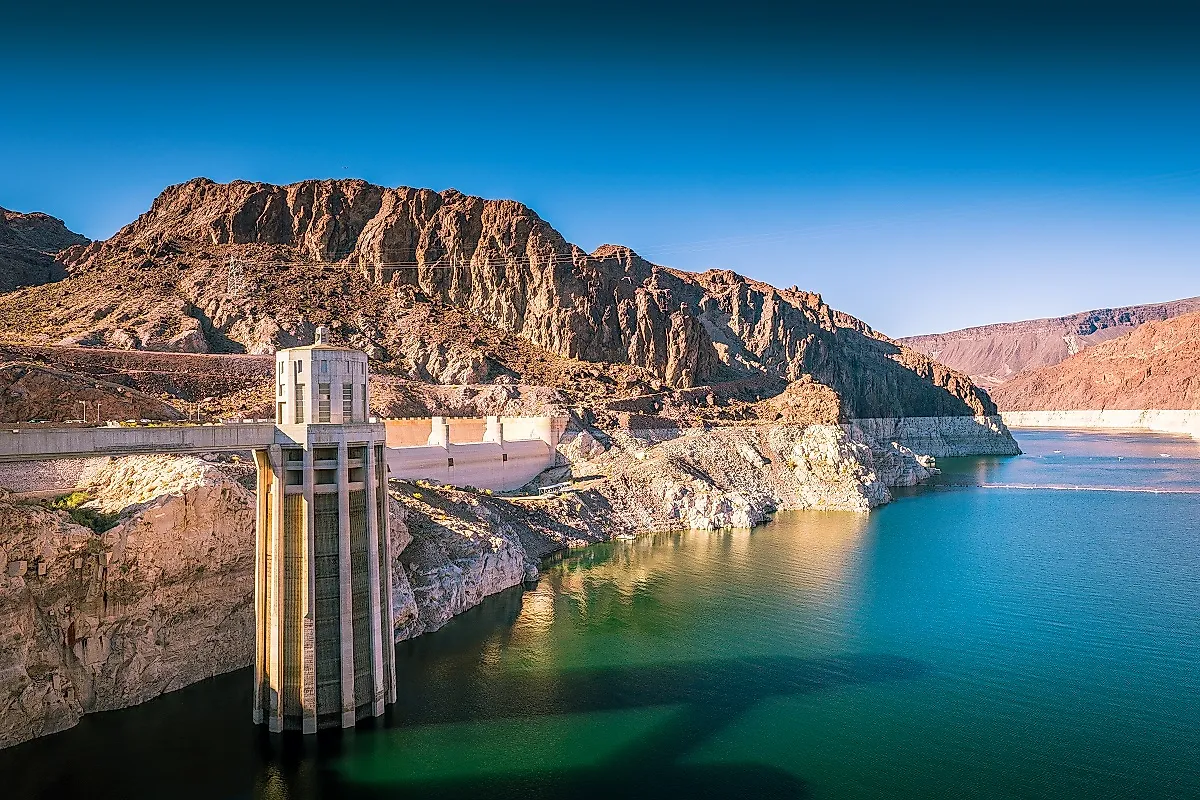
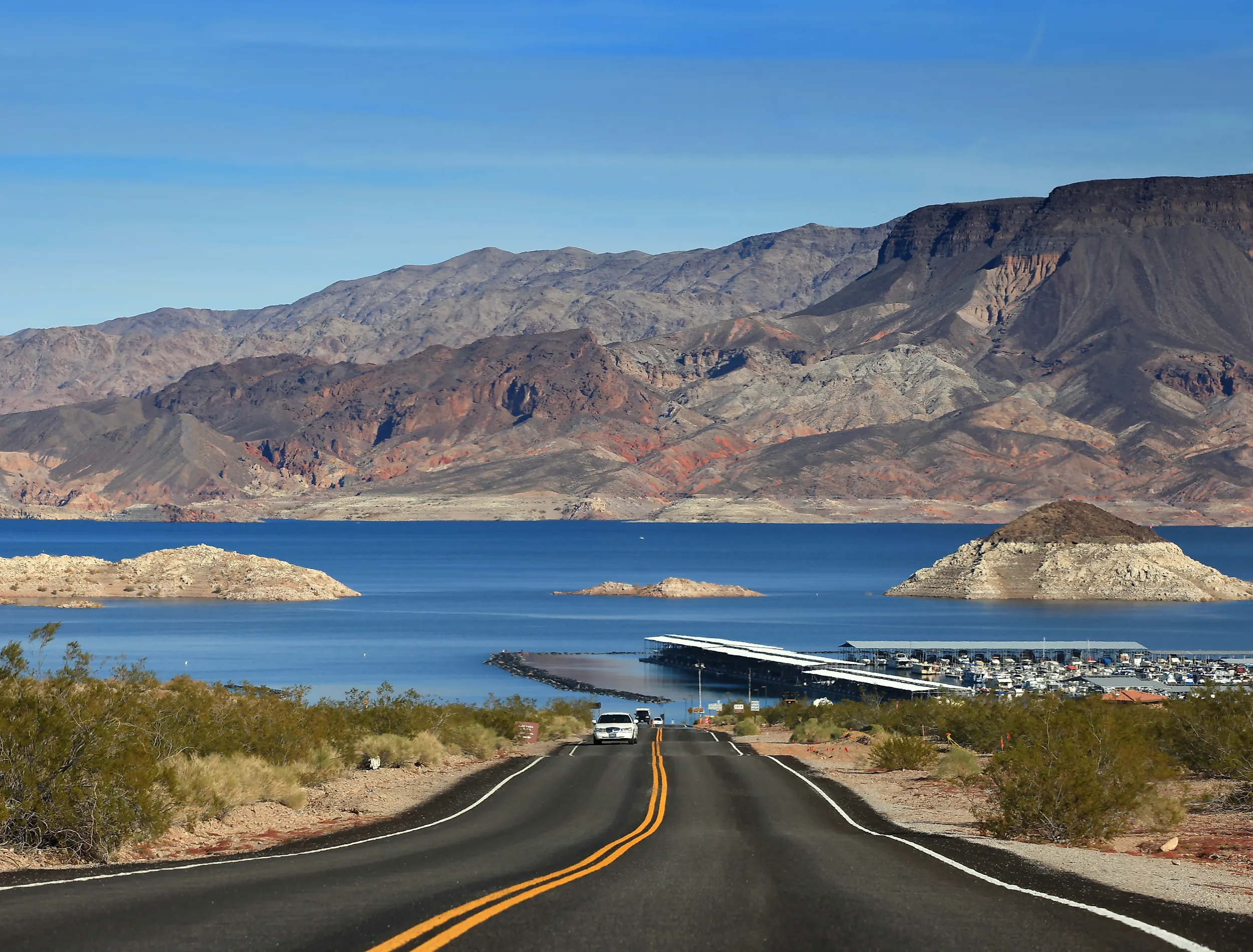
Lake Mead supplies water to 25 million people in the Southwestern US. Located between Arizona and Nevada, it began filling behind the Hoover Dam on the Colorado River in 1935. Lake Mead is the largest human-made reservoir in the US, with more than 750 miles of shoreline.
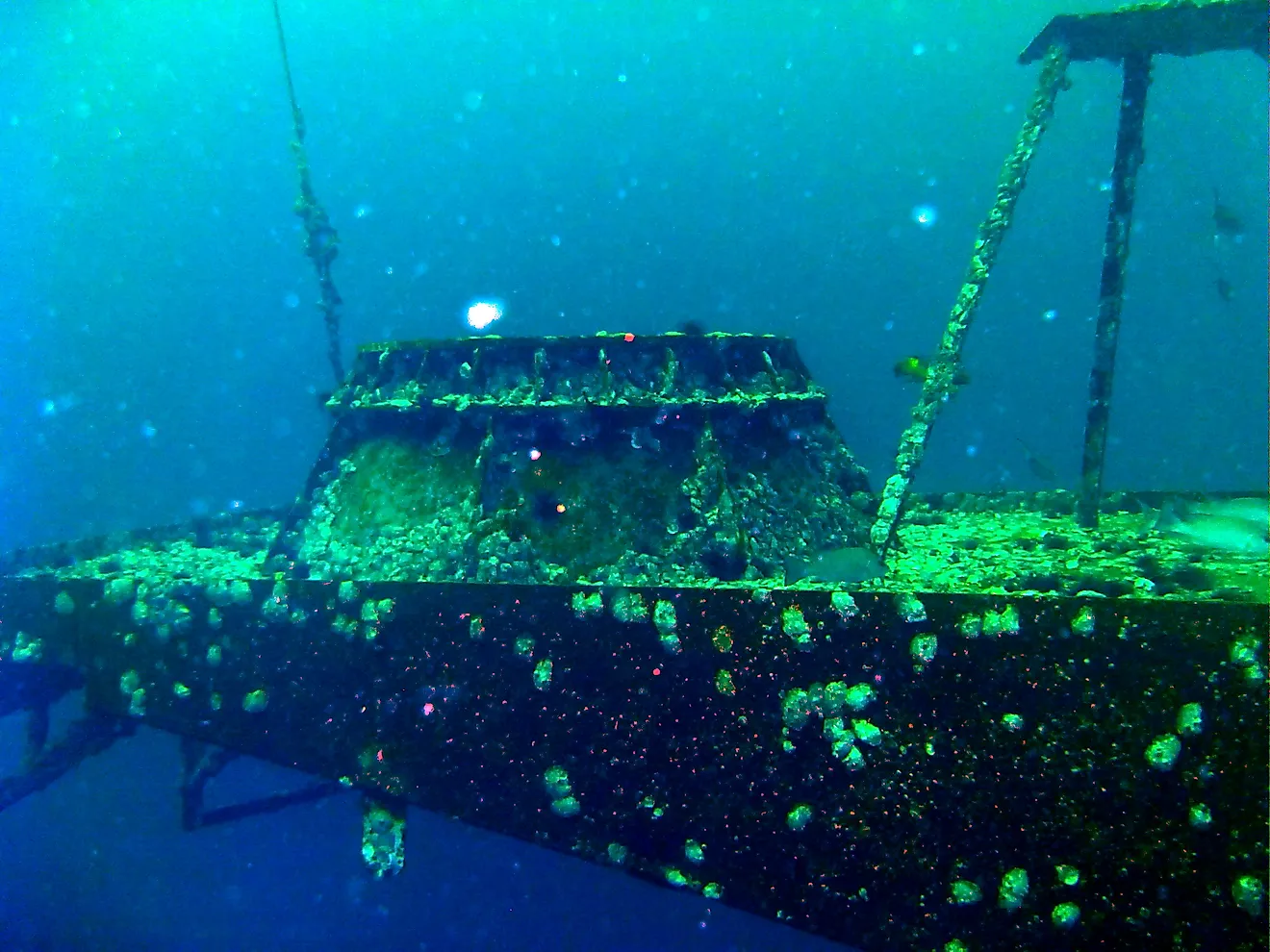
The lake reached its highest water level of 1,225.44 feet above sea level in July 1983. However, in 2022, a major drought dropped its levels to 27% of full capacity. As the water receded, it exposed long-submerged items, including human remains and World War II military equipment. There have been multiple proposed methods to refill Lake Mead, such as restricting water released through Hoover Dam.
Lake Michigan

More than 12 million people in the US rely on Lake Michigan for drinking water, especially in the urban centers of Chicago, Illinois, and Milwaukee, Wisconsin. Unlike the other Great Lakes, Lake Michigan is contained entirely within the US borders, stretching across Wisconsin, Michigan, Illinois, and Indiana. It is the third largest of the Great Lakes by surface area at 22,300 square miles and the second largest by water volume at 1,180 cubic miles, which is still less than half the volume of Lake Superior.
Due to its urban population, the lake has dealt with significant pollution that led to outbreaks of typhoid fever and other diseases in the 19th century. To handle this, Chicago built the Chicago Sanitary and Ship Canal to redirect the Chicago River away from Lake Michigan. Currently, Lake Michigan is under threat from the invasive Asian carp, which could outcompete native fish for resources if it reached the lake.
Lake Erie

Lake Erie provides drinking water to around 11 to 12 million people in total in the US and Canada, of which around 10 million live in the US. Lake Erie borders Michigan, Ohio, Pennsylvania, and New York in the US and the province of Ontario in Canada.
Lake Erie is the smallest of the Great Lakes by water volume at 116 cubic miles, and is also the shallowest, with a maximum depth of 210 feet and an average depth of 62 feet. This shallow water makes it the warmest of the Great Lakes, but also leads to it freezing over more completely than any of the other Great Lakes, with ice coverage reaching 80.20%. Many fish species live in Lake Erie, of which the most famous are walleyes.
Lake Lanier

Lake Lanier is a source of freshwater for more than 5 million people in the metro area of Atlanta, Georgia, and other areas. It is a human-made reservoir that was created in 1956 by the Buford Dam on the Chattahoochee River. The lake is named after Georgia musician and poet Sidney Lanier. It is 26 miles long with 692 miles of shoreline and sits just 50 miles from Atlanta. With the Atlanta metro population expected to reach 7.9 million by 2050, planners expect demand on the lake to grow.
Beyond drinking water, Lake Lanier is a well-known sporting destination, and it hosted the canoe/kayak and rowing events during the Atlanta 1996 Summer Olympics. Today, 76 recreational parks ring the lake, and anglers fish for 16 game species such as spotted bass and striped bass.
Lake Ontario
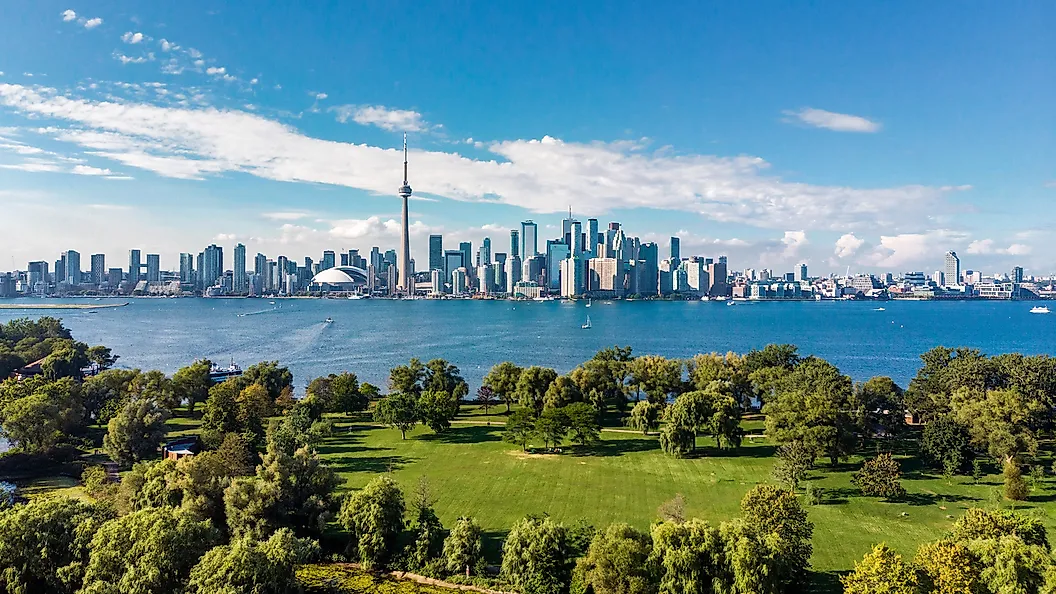
Lake Ontario provides drinking water to 6.3 million Canadians in Ontario and around 2.7 million Americans in New York. More Canadians live in its watershed than any other watershed in the nation. Despite this, Lake Ontario is the smallest of the Great Lakes by surface area at 7,340 square miles, and the second smallest by water volume at 393 cubic miles.
Lake Ontario is the easternmost of the Great Lakes, and it connects directly to the Atlantic Ocean via the St. Lawrence River. Water flows into it from Lake Erie via the Niagara River. Due to damming and human activity, Lake Ontario has also been the primary entry point for invasive species over the decades, such as the sea lamprey.
Lake Huron

Lake Huron provides drinking water to 1.6 million people in Michigan and 1.4 million people in Ontario, Canada. It is one of the two Great Lakes to be bordered by only one US state and one Canadian province. It is the second largest of the Great Lakes by area at 23,000 square miles and the third largest by water volume at 850 cubic miles.
While all of the Great Lakes are interconnected through rivers, Lake Huron is directly connected to Lake Michigan through the Straits of Mackinac. This has led some to categorize Lake Michigan and Lake Huron as one lake. One of the most visited places on Lake Huron is Mackinac Island, where no cars are allowed, so visitors explore the historic sites on foot, by bike, or by carriage.
Lake Superior

Lake Superior provides drinking water to just over 425,500 people in the US and just under 181,600 in Canada. Despite being the largest freshwater lake on Earth by surface area at 31,700 square miles, it has a relatively small watershed population. Lake Superior contains an enormous quantity of water, at 2,900 cubic miles, more than all of the other Great Lakes combined. It is the third largest freshwater lake in the world by volume.
The low population around it contributes to its cleanliness and water clarity, with average underwater visibility at 27 feet. Lake Superior is the coldest of the Great Lakes on average due to its depth, which reaches a maximum depth of 1,333 feet.
Where is the rest of the freshwater in America?
While lakes and rivers provide large amounts of freshwater to US residents, many Americans rely on groundwater for their daily water needs. This is water that flows into cracks and openings in rock, eventually reaching reservoirs. The US withdraws 26% of its total freshwater supply from groundwater, and that usage has increased significantly over time, while surface water has decreased. However, there are still large reserves of groundwater that have yet to be accessed by the US, as an estimated 90% of all freshwater in the US is underground. As a result, millions will continue to rely on the Great Lakes, Lake Mead, Lake Lanier, and other lakes for drinking water.