6 Most Snake-Filled Bodies Of Water In British Columbia
Most people don't think of British Columbia as snake country. The province is home to roughly ten native species. Only one is venomous. The Northern Pacific rattlesnake holds to a dry corner of the south and the rest are harmless to humans. The six bodies of water below are where snake populations cluster thickest. Some are working rivers with garter snake dens running into the thousands.
Fraser River

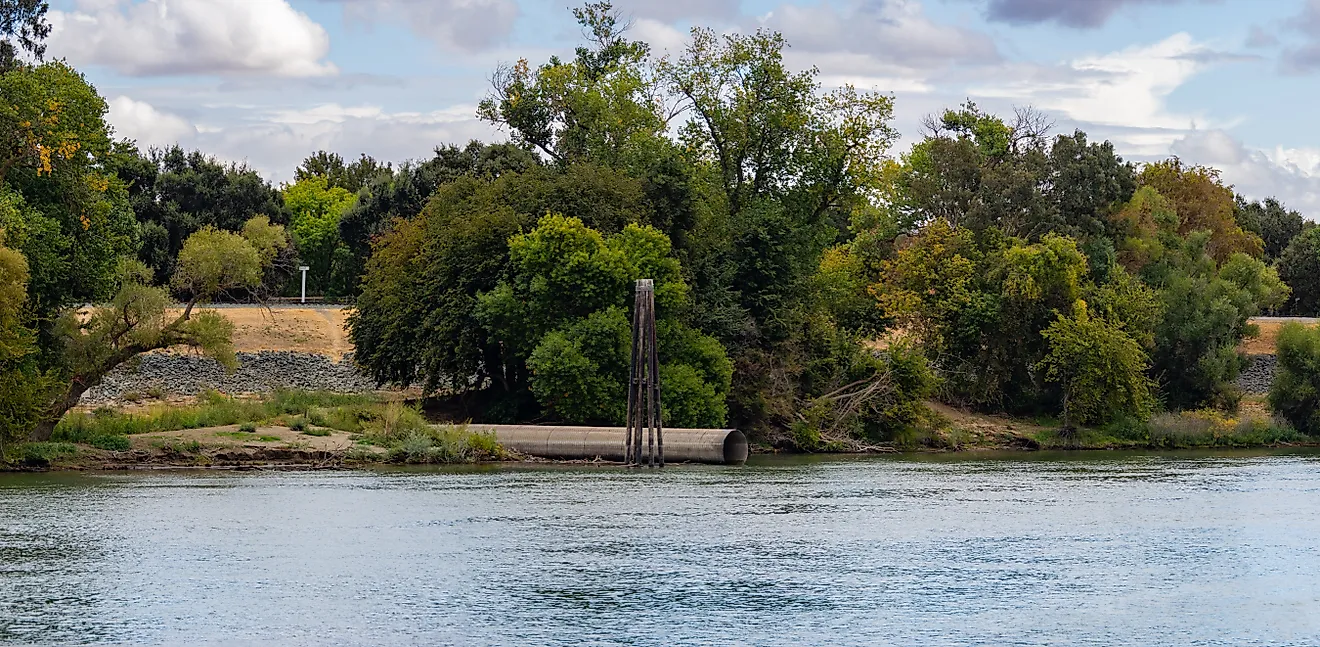
At 1,375 km (854 mi), the Fraser River is the longest in British Columbia. It rises in the Rocky Mountains near Mount Robson Provincial Park on the border with Alberta and flows to its mouth at the Strait of Georgia in Vancouver. Much of the surrounding country has remained largely undeveloped. Boundary Bay near the river's mouth is a protected marine ecosystem that anchors the Fraser estuary.
It's home to three species of garter snake: the common garter (Thamnophis sirtalis), the western terrestrial garter (Thamnophis elegans), and the northwestern garter (Thamnophis ordinoides). Garters are active from spring into fall and then drop into communal dens to hibernate together for winter. The Beach Grove dyke at Boundary Bay is one of the largest known garter snake hibernacula in the region. It's predominantly western terrestrial but the other two species have also been documented using it.
Similkameen River

The Similkameen River flows about 197 km (122 mi) from headwaters near Manning Park to the village of Cawston near the United States border. The Tulameen and Ashnola rivers feed in along the way. Craggy cliffs, wildflower meadows, lush orchards, and rows of vineyards line the valley. The river drains the northeast slopes of the Cascade Mountains and continues into Washington as part of a transboundary watershed.
In British Columbia gopher snakes (Pituophis catenifer deserticola) follow the Similkameen valley west, with their range extending nearly to Princeton and reaching toward Grand Forks. Gophers are the largest snakes in the province at 150-180 cm (5-6 ft). Their thick bodies and blotched coloring often lead to mistaken identification as rattlesnakes. They serve as natural pest control in farming areas by keeping rodent populations in check.
Thompson River

The Thompson River is a major tributary of the Fraser. It splits into two branches. The North Thompson runs roughly 338 km (210 mi) from the Cariboo Mountains east of Wells Gray Provincial Park down toward Kamloops. The South Thompson originates from Shuswap Lake and runs about 255 km (158 mi) to the same junction. The two branches unite in Kamloops and the combined flow continues for about 160 km (100 mi) before merging with the Fraser at Lytton.
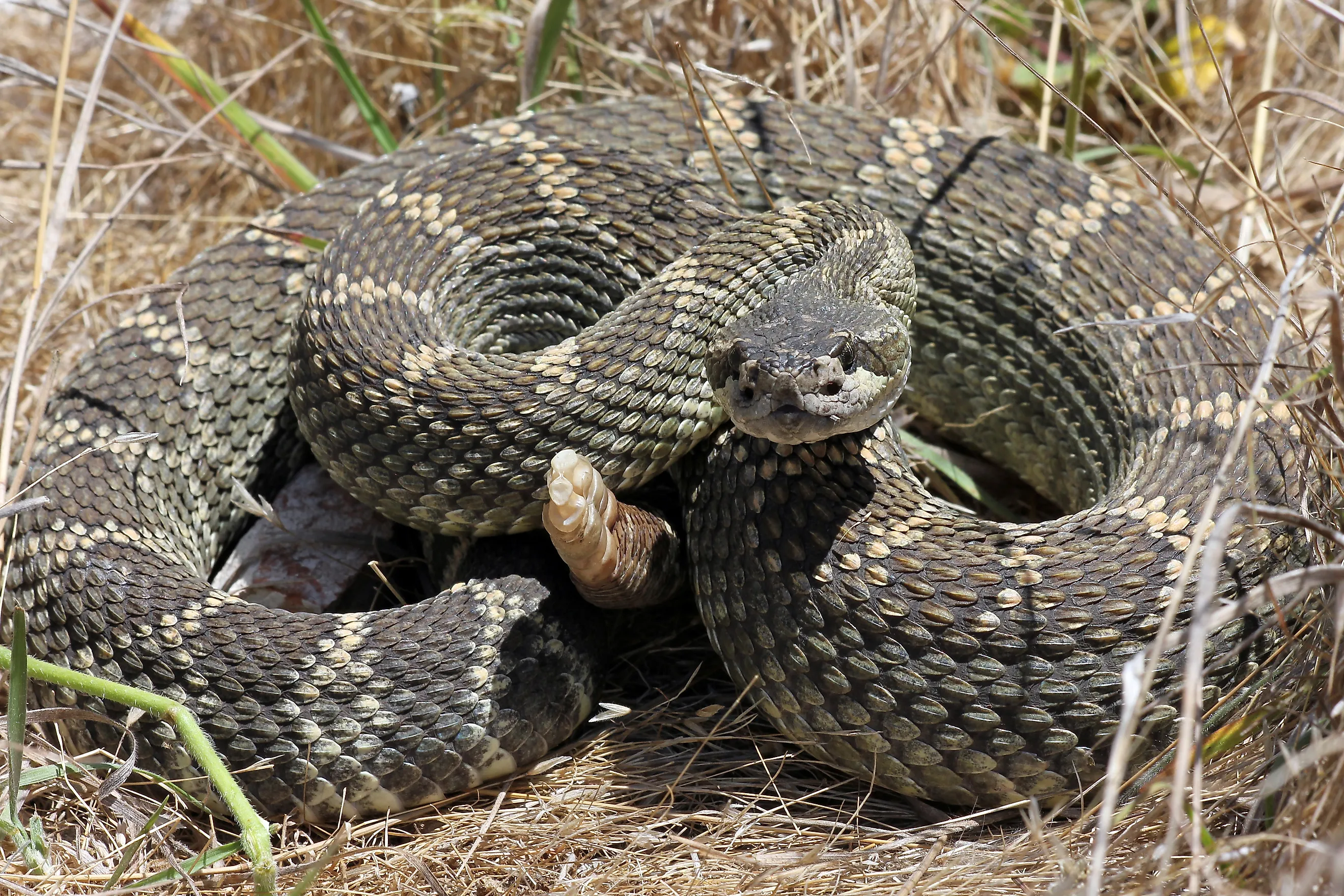
The South Thompson is known as rattlesnake country. The Northern Pacific rattlesnake (Crotalus oreganus) is the only venomous snake in the province and reaches typical lengths of 60-100 cm (2-3.5 ft). Triangular heads and a tail rattle are the easiest field marks. Rattlesnakes hold to the dry south-central interior valleys where they range across open forests and riparian areas.
Kootenay Lake

Kootenay Lake is the largest natural lake in southern British Columbia. The lake sits inside Kootenay Lake Park with abundant swimming, canoeing, kayaking, and fishing options for visitors. Surrounding country runs from alpine tundra into mountains and glacier valleys. Keystone species in the region include grizzly bears, kokanee salmon, and snakes.
Western garter snakes are commonly found around the lake. The species is one of the most widely distributed snakes in Canada. They typically grow to 50-100 cm (20-40 in) with long slender bodies and visible stripes running down their backs. They are seldom found far from water as they use it for both hunting and hiding when threatened. The western garter snake also has one of the most varied diets of any Canadian snake species. It preys on soft-bodied invertebrates like slugs, worms, and leeches as well as frogs, mice, fish, and even other snakes.
Okanagan Lake

Okanagan Lake is the largest lake in the Okanagan Valley. Three major centers anchor its shores. Vernon sits at the north end. Kelowna sits at the midpoint. Penticton sits at the south end. Tourism is the lake's economic backbone so water-quality programs aim to keep it strong.
Okanagan Lake Park draws crowds year-round for its sandy and pebble beaches plus its swimming and water-sports access. Two large campgrounds round out the basics. The dry grassy hillsides around the campgrounds also create ideal habitat for Northern Pacific rattlesnakes. Rattlesnakes turn up on the trails too. They don't chase people. They can't strike beyond the length of their own body. Most are under 1 meter (3.3 ft) long and rely on camouflage. Most often they hold still rather than flee when approached.

While snakes are rarely seen in open water garter snakes are semi-aquatic and often appear along shorelines in brush and rocks and leaf litter. Western terrestrial and common garter snakes are the most commonly observed. Gopher snakes, northern rubber boas (Charina bottae), and racers are also present in the surrounding dry grasslands.
Hotel Lake

Hotel Lake is a shallow lake with an extensive mud bottom at its north end. It sits in the Pender Harbour area of the Sunshine Coast. The lake is largely private with very limited public access. Most of the shoreline is held by surrounding properties.
Four snake species are most likely to turn up around Hotel Lake: the common garter, the western terrestrial garter snake, the northwestern garter, and the northern rubber boa. The northern rubber boa is smaller and thicker-bodied at 30-70 cm (12-28 in) with smooth rubbery skin and a blunt tail. Rubber boas are also strong swimmers and primarily forage near water sources.
British Columbia's Snake-Filled Waters
Most snake species in British Columbia are nonvenomous and harmless to humans. Even the venomous rattlesnake poses minimal threat to people. While there's some chance of an encounter around Okanagan Lake the snakes can be easily avoided and they will not chase visitors. Snakes serve a critical role in their ecosystems by preying on rodents and keeping populations in balance. Their presence around BC's bodies of water shouldn't keep anyone from enjoying the swimming, paddling, or hiking these places offer.