How Great Lakes Water Reaches The Atlantic Ocean
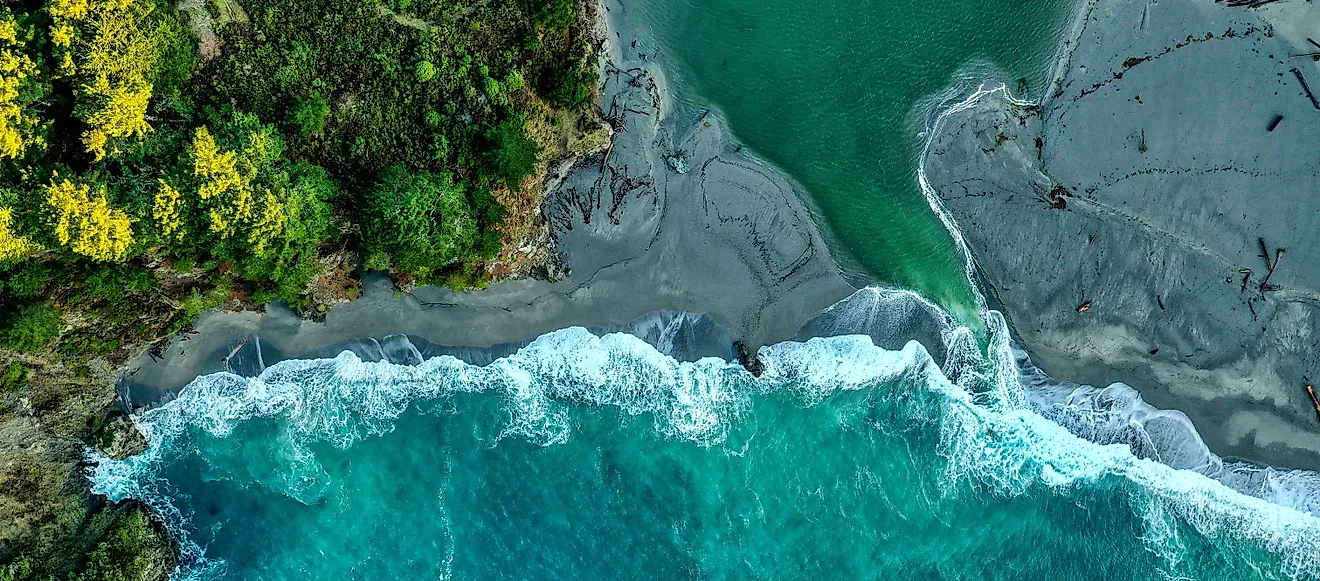
Imagine a lake with a coastline like an ocean beach, with warm sand stretching out end to end, the energy of waves hitting your body as you stand in the sapphire water. There are, in fact, five lakes just like this that border the North American countries of the US and Canada. They are known as the Great Lakes because of their awesome size. Even more awe-inspiring is the realization that this sapphire water embarks on a journey through natural and man-made structures until it reaches the satisfying welcome of the Atlantic Ocean. The connection between the Great Lakes and the Atlantic Ocean is one of ecological, social, and economic consequence.
The Great Lakes

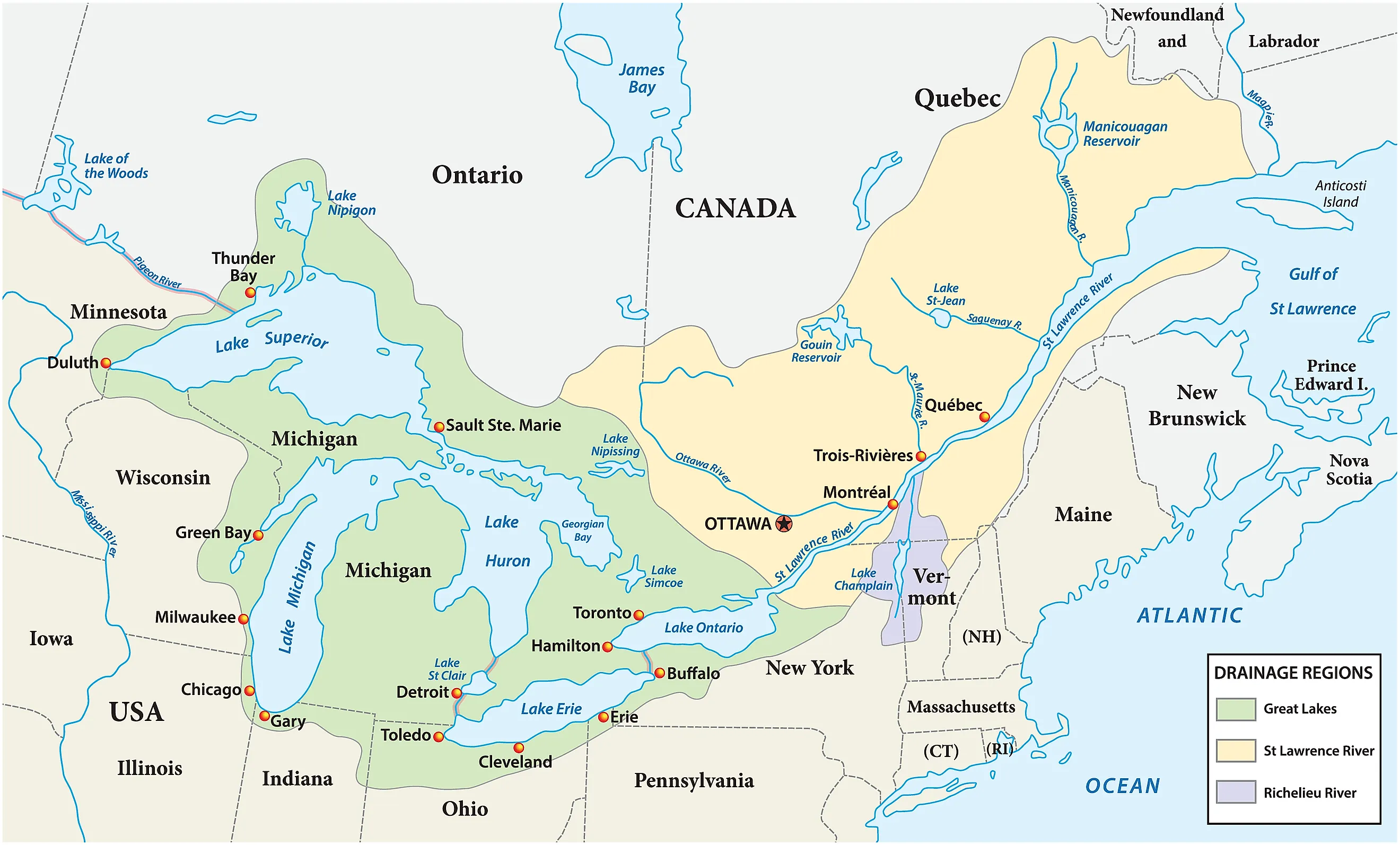
The Great Lakes Region encompasses eight US states, Canada's Ontario province, and five freshwater lakes. These lakes, Ontario, Huron, Michigan, Superior, and Erie, were formed when glaciers retreated and melted 14,000 years ago, filling up with the meltwater that was left behind. Approximately 20% of the earth's surface fresh water is contained in these lakes, making them a vital source of water for drinking, irrigation, and ecological habitat. The Lakes are also economically important. Lake freighters move products like iron ore and potash almost continuously while the lakes are not frozen. Four billion dollars worth of recreational fishing occurs on the lakes annually. People also visit the Great Lakes from outside the area to boat, water ski, swim the beaches, and visit the major regional cities such as Detroit, Toronto, and Chicago.
The Path of Water
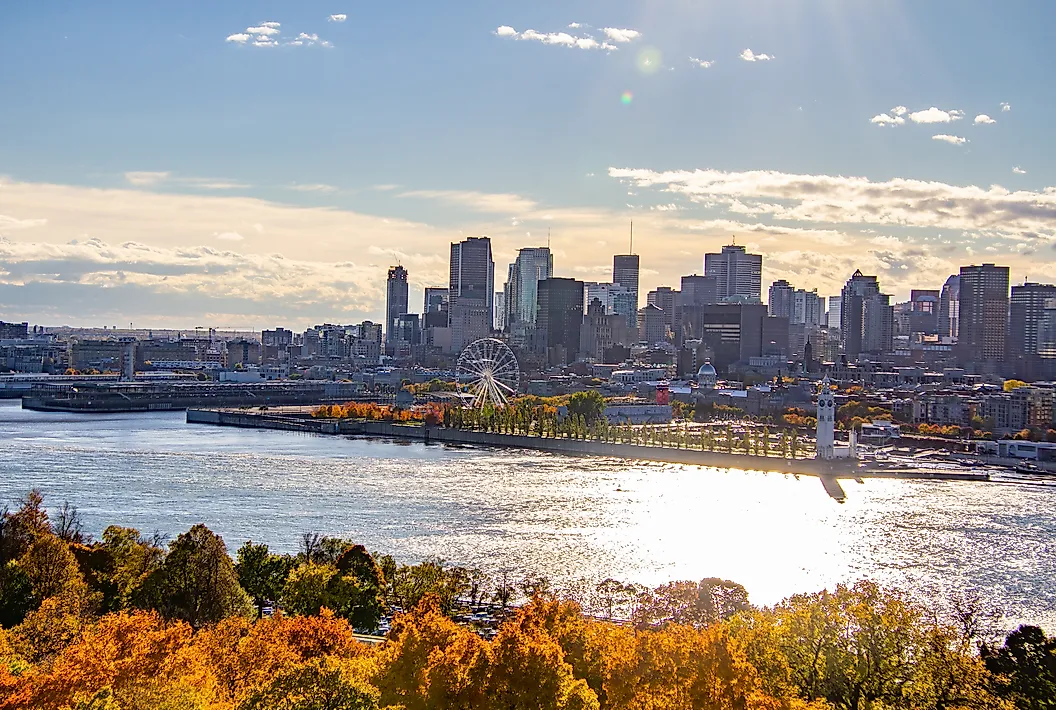
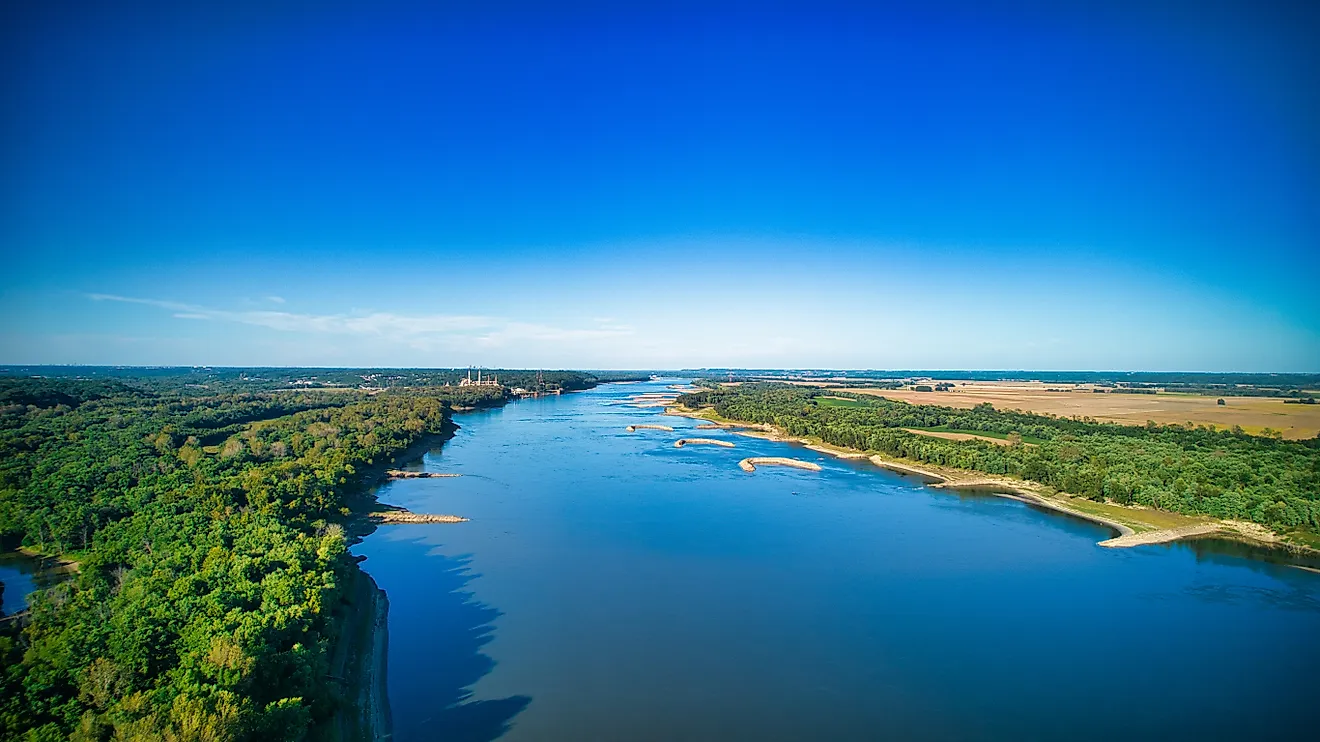
The lakes are interconnected, in part because of their natural development and in part because of man-made structures. Water enters the Great Lakes primarily as rainfall and moves eastward. Lake Superior is functionally the headwaters of the waterway. Flow travels along the St. Mary's River into Lake Huron. Water from Lake Michigan travels northward into Lake Huron as well. Lake Huron and Michigan are in separate basins, but are hydrologically the same lake. The flow then moves out into the St. Clair and Detroit Rivers to reach Lake Erie. Finally, Lake Erie flows to Lake Ontario through the Niagara River. The St. Lawrence River from Lake Ontario to Quebec is largely freshwater. The Gulf of St. Lawrence completes the water's journey as it meets the Atlantic Ocean.
All of this travel is somewhat naturally impeded. However, these natural obstructions have been overcome by binational efforts of the US and Canada to create channels and locks. The St. Lawrence Seaway is the result of the construction projects that eased the path of the water, and by extension, the boats travelling on it, to get to the Atlantic Ocean. Water is essential. It is amazing that in daily life, the path of water is so complex.
Where Fresh and Saltwater Collide

The Atlantic Ocean is the second-largest ocean of five. This body of saltwater stretches from the east coasts of North and South America to the west coasts of Europe and the African Continent. When the freshwater of the Great Lakes begins to mix with the saltwater of the Atlantic Ocean, it forms the St. Lawrence Estuary, the largest in the world. Freshwater is less dense, so it sits on top of saltwater and establishes unique currents. This layering is a called a salt wedge. Estuaries are important areas where brackish water creates the ideal environment for wildlife fisheries, as well as various flora and fauna.
In upper sections of the estuary, both fresh and saltwater fish such as shad, cod, sturgeon, eel, and bullhead catfish are found. The estuary is also home to the largest marine mammals, whales. Beluga, Minke, and long-finned pilot whales can be heard by both recreational and commercial travelers from far and wide. Estuaries are also home to unique saltwater resistant plants like Saltmarsh Cord Grass and Marsh Meadow Grasses. In essence, freshwater and saltwater coming together creates a unique and vital ecological impact.
From the Lake to the Ocean
The connection between the Great Lakes and the Atlantic Ocean is vital. Transatlantic shipping occurs every day, and being able to ship products out from the interior of the continent is important. About 160 million tons of product are shipped across the seaway each year, both within the region and to overseas destinations. The development of major port cities like Montreal and Toronto is due in major part to the ability of people and goods to move back-and-forth. 34 million people reside in the Great Lakes basin between the US and Canada, relying on and appreciating the wonder and utility of the water. From the lakes to the ocean, the water is far-reaching in a multitude of ways.