How Much Iron Ore Gets Stockpiled Before The Soo Locks Close
The iron ore docks on Lake Superior hold about 15 million tons when full, and that figure is not a coincidence. A Department of Homeland Security analysis of what would happen if the Poe Lock failed noted that the dock capacity approximately matches the 15.5 million tons of iron ore storage required to get the steel mills through the normal winter closure of the Soo Locks. The entire system is built to exactly the size of a ten-week gap, with almost nothing spare. Against an average year of 46.2 million tons moving through the Soo, roughly a third of it sits on the ground at once every January.
The Closure Is Fixed And Federal

Everything about the stockpile follows from a date on a calendar that does not move.
Federal rules close the Soo Locks from January 15 to March 25, aligned with typical Great Lakes ice conditions. The Army Corps uses the ten-week gap to dewater the Poe Lock and reach machinery that spends the rest of the year underwater.
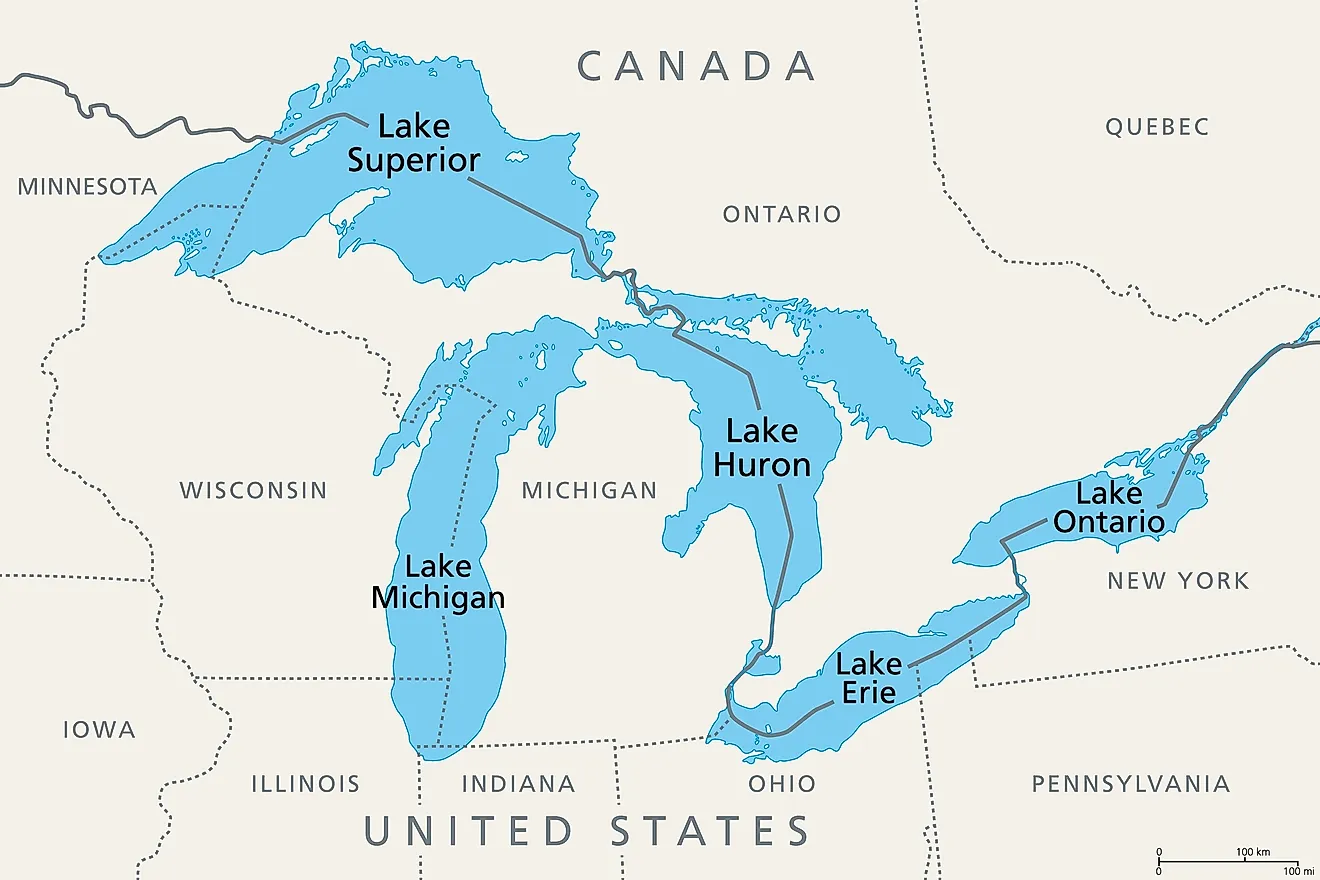
No ship passes between Lake Superior and the four lower lakes during that window. There is no alternative route for a vessel that size.
The Mills Do Not Close

The mismatch that drives the whole operation is that one half of the supply chain stops and the other does not.
Blast furnaces run continuously because restarting one is expensive, slow and damaging. So the steel mills on Lake Erie and Lake Michigan need ore delivered before January 15 that will last until shipments resume.
Iron ore accounted for 42 percent of all tonnage shipped on the lakes in 2020, and it is the commodity the schedule is built around.
Fifteen Million Tons Is The Target

The number appears in the federal analysis of what a Poe Lock failure would do, and it is strikingly precise.
At full capacity the upper-lake iron ore docks hold about 15 million tons. The assessment notes this approximately matches the 15.5 million tons of iron ore storage needed to carry the mills through a normal winter closure.
Against an average of 46.2 million tons of iron ore moving through the Soo annually, the winter stockpile is roughly a third of a year's shipments sitting on the ground at once.
Mills Hold Between Two Weeks And Three Months

The stockpile is not in one place, which matters for how quickly a disruption bites.
Individual steel mills downstream keep somewhere between two weeks and three months of iron ore on hand, depending on the plant and the year. The rest sits at the loading docks on Lake Superior.
That spread is why an unexpected shutdown produces staggered consequences rather than a single deadline. Some mills would run dry within weeks and others would last the quarter.
The Mines Keep Digging Anyway

Production does not pause for the locks, which creates the mirror image of the mills' problem.
Through the winter the mines continue extracting and pelletizing, piling output onto the Lake Superior docks while the mills downstream draw their stockpiles down. One end of the system fills while the other empties.
Minnesota's docks on the western edge of Lake Superior supply the iron ore for roughly 80 percent of the nation's first-pour steel.
Escanaba Used To Be The Safety Valve

There was one port that could keep delivering after January 15, and losing it removed the system's only slack.
The Escanaba dock sat on the southern shore of Michigan's Upper Peninsula, so shipments from it never passed through the Soo. It stayed open past the winter closure and reopened earlier in spring, and in its last full year of operation in 2016 it handled about 9 percent of iron ore shipped on the lakes.
It has since closed. The pressure valve that used to let ore keep moving into late January is gone.
Ice Is The Variable Nobody Controls

The plan assumes ships can actually reach the docks in December and January, and some winters they cannot.
In early 2022 a shortage of Coast Guard icebreaking left 750,000 tons of iron ore, coal and cement carrying capacity delayed, with four of nine Great Lakes icebreakers in maintenance during the critical month. The last US-flag laker did not reach its winter berth until January 27.
Gale-force winds and early ice compound it. Lake Carriers' Association officials have warned that delays in the final weeks can leave mills short.
The Winter That Proved It

One recent winter demonstrated what happens when the stockpile does not get built.
Between December 2013 and May 2014, US-flag cargo movement fell nearly 7 million tons against the previous year. At least two steelmakers had to curtail production and some power plants ran extremely low on coal.
The Lake Carriers' Association put the cost at 705 million dollars and 3,800 jobs. The ore was in the ground and the mills were running. The problem was purely that the ships could not move it in time.
One Lock Carries Most Of It

The concentration of risk is the reason the federal government studied this at all.
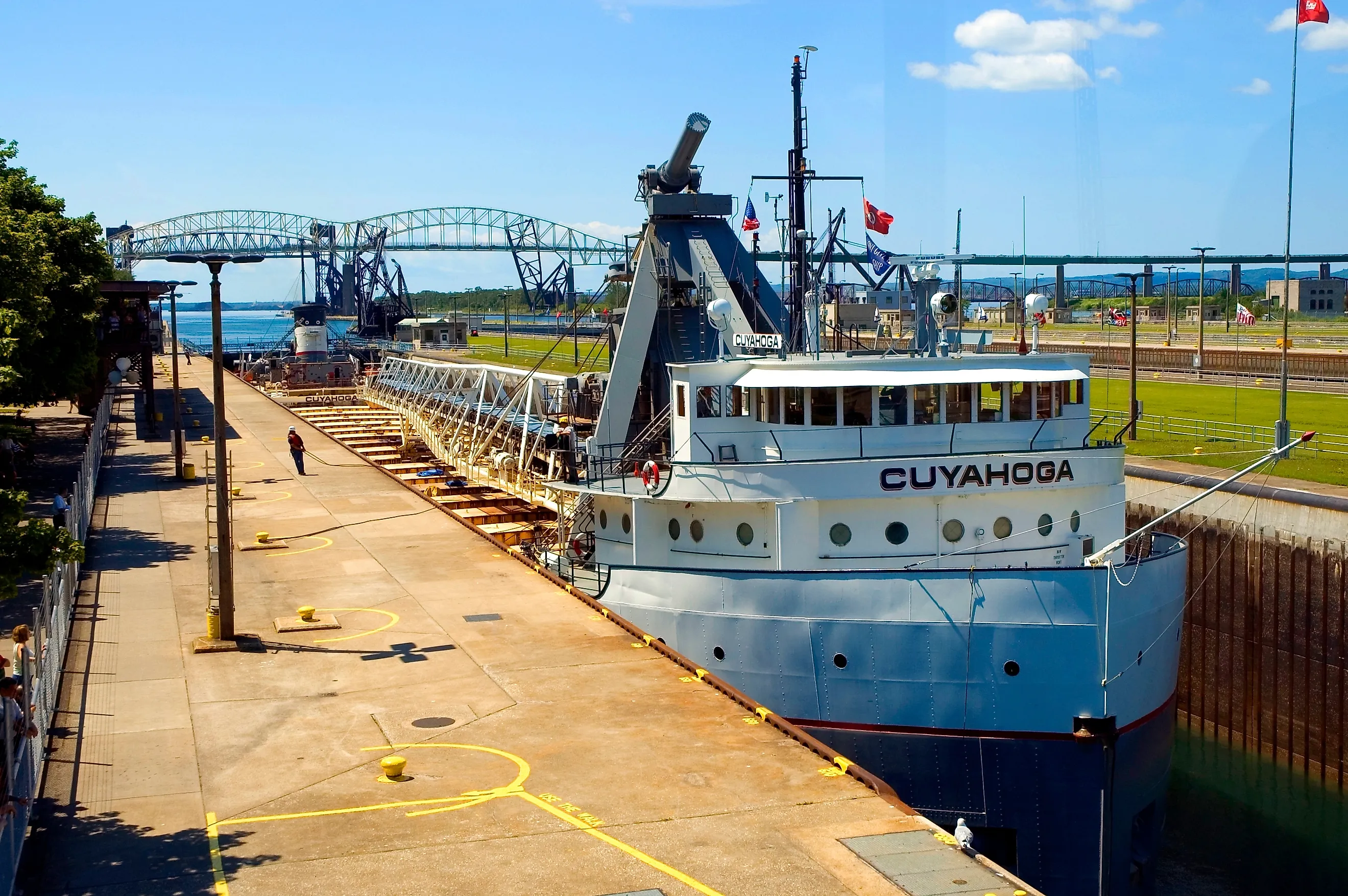
The Poe Lock is the only chamber at the Soo large enough for the thousand-foot vessels that carry iron ore, and it handles roughly 70 percent of the tonnage transiting the complex. The MacArthur Lock takes smaller ships.
Which means a fifteen-million-ton stockpile strategy ultimately depends on one concrete chamber in Michigan staying operational through the shipping season.
The Short Answer

About 15 million tons of iron ore sits in storage when the Soo Locks close on January 15, split between the Lake Superior docks and the mills downstream, which individually hold anywhere from two weeks to three months of supply. Federal analysis puts the requirement at 15.5 million tons, so the system runs with essentially no margin.
Against 46.2 million tons shipped through the Soo in an average year, that is a third of the annual total stockpiled against a ten-week gap. The mines keep digging through the closure and the docks keep filling. Everything depends on the ships having got there first.