Where Leeches Go In The Winter
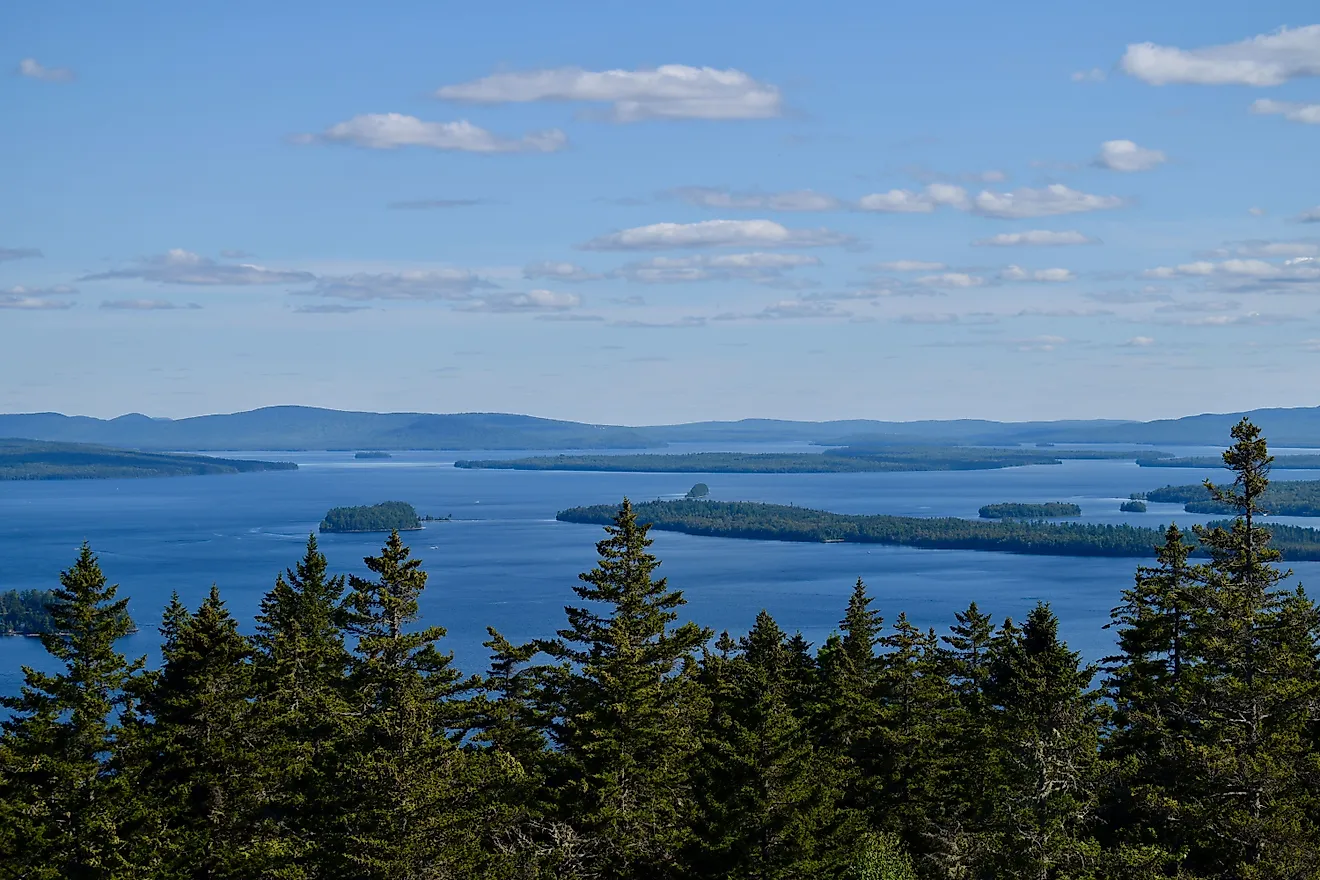
When lakes freeze over, leeches don't pack up and leave. Instead, many retreat into the mud, hide beneath rocks, or shelter among underwater plants until warmer weather returns. Some become nearly dormant, while others remain surprisingly active beneath the ice. Minnesota's Leech Lake, with its shallow bays and deeper waters, offers a fitting setting for exploring how these creatures survive the long northern winter. From slowing their metabolism to enduring low oxygen levels, leeches have several ways of making it through the cold. And when spring finally arrives, they are ready to emerge from their hiding places and resume feeding.
What Are Leeches And Where Do They Live?

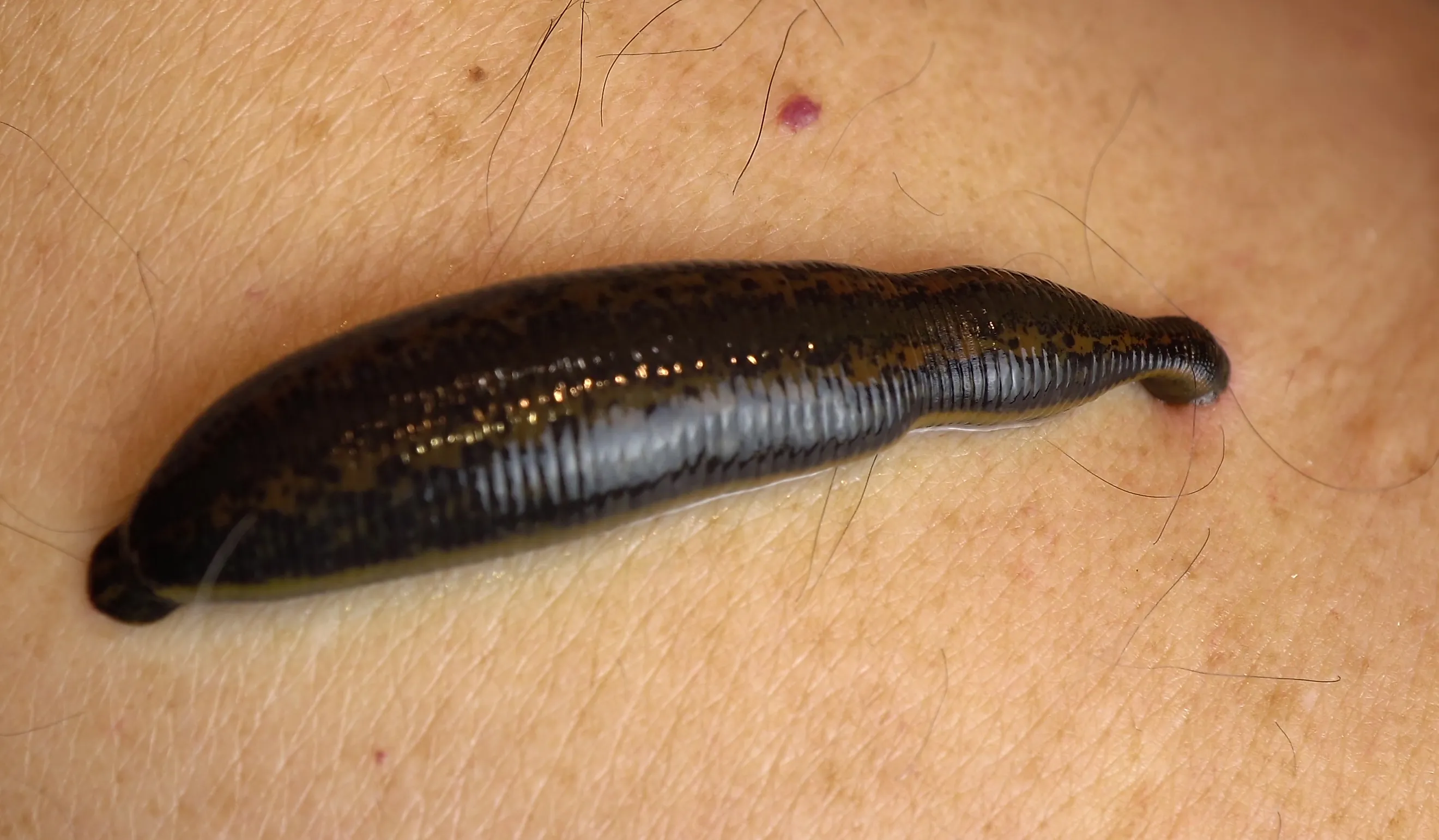
Leeches are segmented worms related to earthworms, although their feeding habits are a bit more sinister than those of their soil-dwelling cousins. They occur worldwide, inhabiting freshwater lakes, ponds, rivers, streams, and wetlands. Some species also live in oceans or on land, particularly in humid, tropical environments. In the US, freshwater leeches inhabit waters from the northern Great Lakes region to the warm ponds and swamps of the South.
Despite their reputation as bloodsuckers, many leeches are actually predatory worms that feed on worms, snails, insect larvae, and other small aquatic creatures. Some even swallow their prey whole. Most freshwater leeches prefer shallow areas with aquatic vegetation, submerged logs, rocks, or muddy bottoms that give them places to shelter. These protective habitats are especially important as the temperature drops and winter changes the conditions beneath the surface of the water.
Where Leeches Go When Winter Arrives

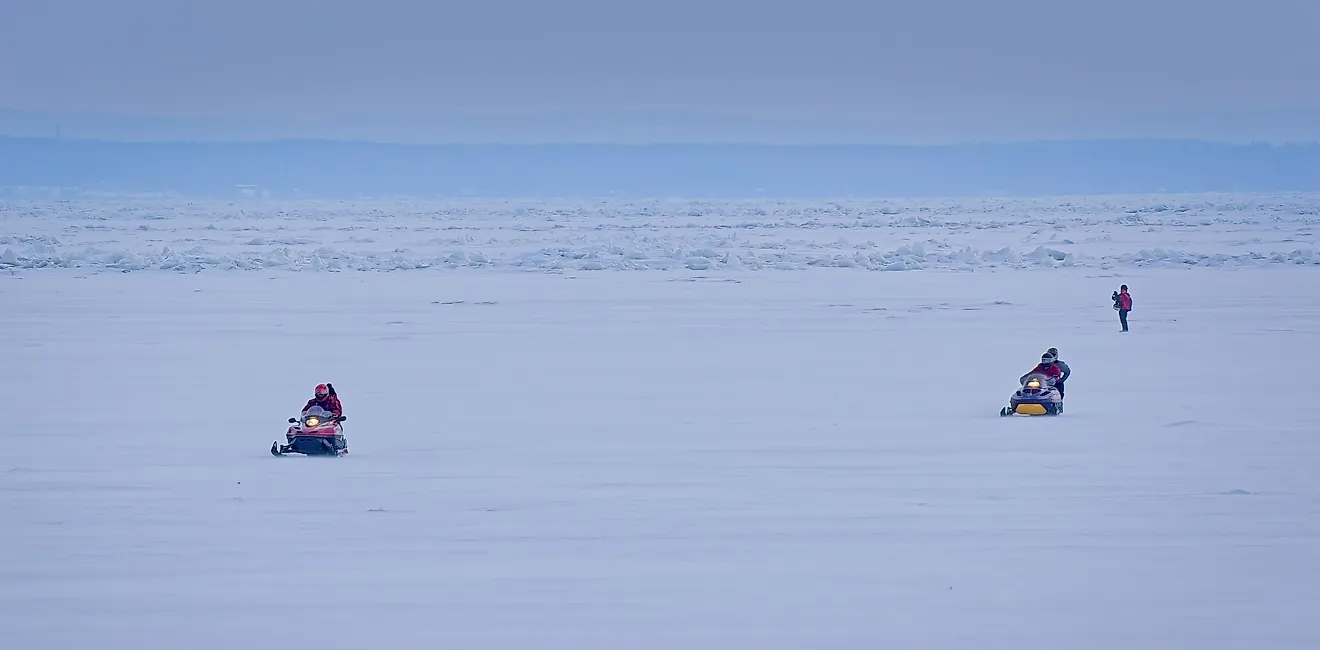
When ice forms across a northern lake, many leeches living beneath it burrow into the soft mud and sediment on the bottom where they are able to shelter from the cold. Others find protection under stones or in submerged vegetation and decaying plant matter. As water temperatures drop, their activity slows, and some enter a period of dormancy that allows them to survive until warmer temperatures return.
Even when a lake freezes over, the water under the ice generally remains liquid. Because freshwater is densest at around 39°F, deeper water can remain near that temperature even when the surface freezes. Underwater, leeches can avoid freezing, but they still have to contend with low temperatures and fluctuating oxygen levels.
Leeches are also found in rivers and creeks, especially slow-moving areas where they can shelter under rocks, among aquatic plants, and other submerged materials. Moving water can remain ice-free even when nearby lakes freeze, although slower sections of rivers and creeks may develop ice. The conditions vary with water depth, current, and temperature, and leeches in these habitats don't necessarily become completely dormant.
Even in icy waters, winter doesn't bring all leech activity to a complete halt. Researchers studying Illinois' Rock River found small leeches attached to freshwater fish in December, when parts of the river had already frozen. The leeches continued growing through the winter, apparently finding enough food to keep them going.
How Leeches Survive Beneath The Ice

Cold temperatures slow a leech's metabolism, which reduces the energy it needs to survive. During periods of dormancy, leeches move less, feed less frequently, and rely on stored energy reserves. They can survive extended periods without eating, which is an advantage during the cold winter when hunting is difficult.
Getting enough oxygen can also be an issue under the ice. When a lake is frozen, the ice layer limits the exchange of gases between the atmosphere and the water. Decomposing plant matter also reduces oxygen levels. Leeches absorb oxygen directly through their bodies, and some species can survive in water with very little dissolved oxygen.
Sheltering in mud at the bottom does not always guarantee that a leech will survive. Some lakes undergo winter drawdowns, when their water levels are deliberately lowered. The practice can help control aquatic weeds and certain unwanted animals, including leeches. According to the New York State Department of Environmental Conservation, lowering a lake's water level during winter can expose leeches to freezing temperatures, killing them in their muddy shelters. This can also harm other aquatic animals that depend on the lake bottom for winter protection.
Do Leeches Hibernate Everywhere?

Not all leeches follow the same patterns in winter. Their activity depends on their species and local conditions. In northern states, where lakes usually stay ice-covered for months, cold temperatures greatly reduce their activity. Even in states with relatively mild winters, some leeches become dormant when temperatures drop.
Researchers studying the Ozark Highlands leech (Macrobdella diplotertia) in a cattle pond in Marion County, Arkansas, found that the species was active during the spring, summer, and early fall. During winter, the leeches appeared inactive. Scientists describe this as dormancy or overwintering, rather than hibernation. The timing and duration vary among species, and some leeches can remain active in cold water beneath winter ice.
When Leeches Wake Up In Spring

As spring warms the water, dormant leeches begin to stir, and finding a meal becomes a priority. For blood-feeding species, that means finding a host, while predatory leeches go after worms, snails, and other small aquatic creatures. When they become active again depends on the species and local conditions.
Finding food is not the only thing on the agenda when warmer weather arrives. Spring and summer also bring mating season. Leeches lay their eggs in protective cocoons, which some species attach to underwater plants or other surfaces. Researchers studying the freshwater leech Nephelopsis obscura in northwestern Minnesota found that leeches matured as the days grew longer and waters warmed, laying their eggs in cocoons around midsummer.
The Creatures Under The Ice
When winter settles over Leech Lake, its namesake creatures have not vanished. They are tucked into the mud or sheltered among underwater plants and debris, waiting for the temperatures to rise. By the time summer swimmers return, the leeches are active again, hunting small aquatic animals or searching for a blood meal. Fortunately, most encounters are considerably less dramatic than the infamous scene in Stand by Me. The leeches, after all, are just going about their lives.