This Connecticut Town Instantly Transports You To The Past
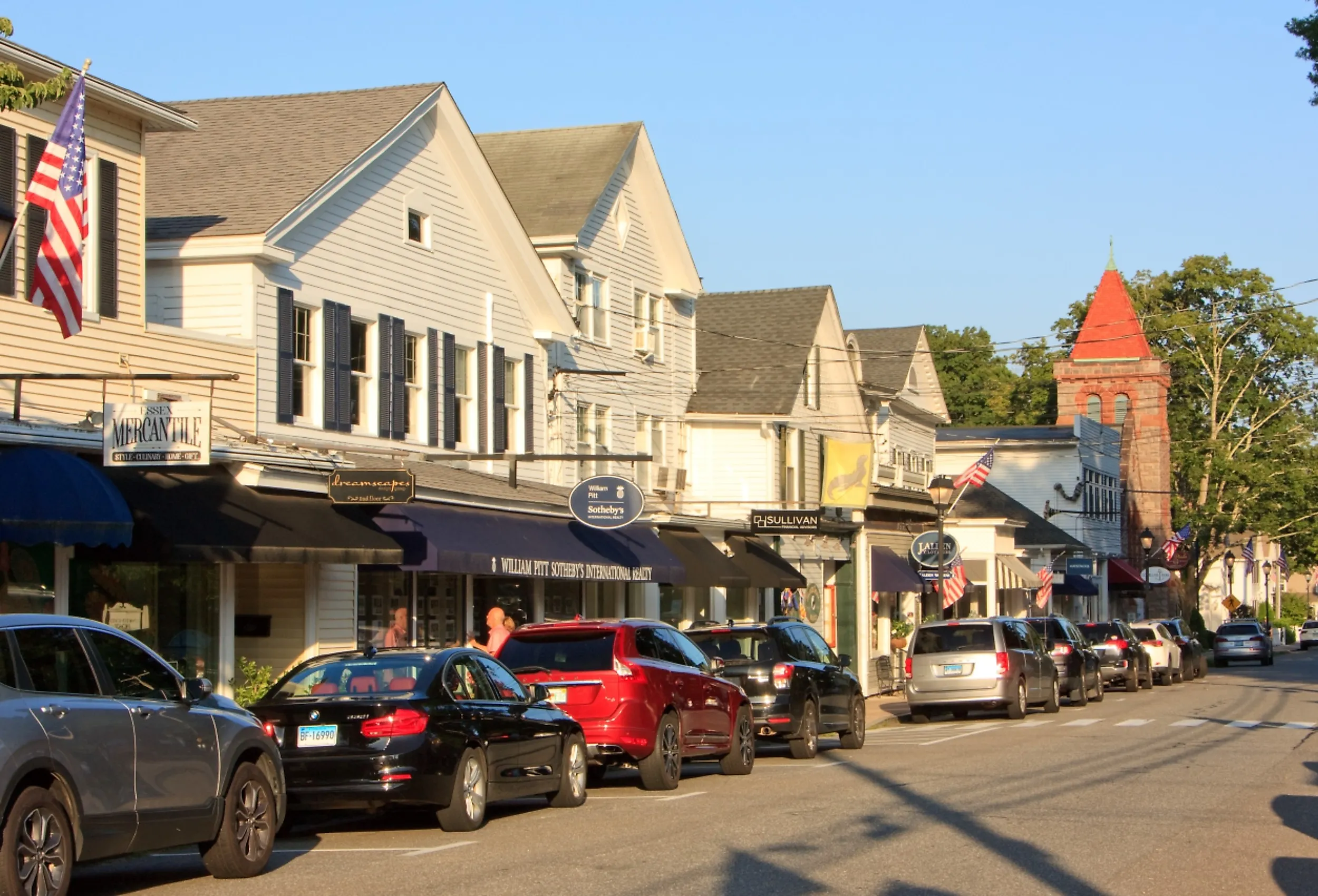
On Main Street in Essex, Connecticut, Federal-style homes still line the blocks that shipwrights built during the town's rise as a shipbuilding center. The Griswold Inn has poured drinks on the same street since 1776. Down at the waterfront, the Connecticut River Museum traces thousands of years of regional history, and the Essex Steam Train runs vintage locomotives through the tidal wetlands of the lower Connecticut River. On the night of April 7 and 8, 1814, a British raiding party rowed six miles upriver and burned 27 vessels in the harbor, the largest single loss of American shipping in the War of 1812. Wethersfield, Guilford, and Litchfield each hold their own well-preserved corners of colonial Connecticut.
The Early Years

The story of Essex begins with the name Potapaug. Taken from the language of the Nehantic, the Indigenous people of the lower Connecticut River, Potapaug literally translates as "a point of land," an extremely apt description of the local topography.
English settlement followed the founding of the Saybrook Colony in 1635, an independent colony established at the river's mouth, and by 1648, the area had been organized as the Potapaug Quarter.
Main Street was laid out on the peninsula in 1748, and the American Revolution soon transformed what was then a quiet farming and trading community into a shipbuilding powerhouse. In 1776, local shipwrights launched the Oliver Cromwell, the first warship built for Connecticut's Revolutionary Navy. It was the largest vessel constructed on the river up to that point.
From Shipbuilding to War

The boom that followed lined Main Street with Federal-style homes, many of them built between 1790 and 1820. The town's increasing prominence as a shipbuilding hub, however, made it a target during the War of 1812. Essex shipyards were especially good at turning out "privateers," privately owned vessels licensed by the government to attack enemy shipping.
Essex became a target on the night of April 7-8, 1814, when 136 British sailors and marines rowed six miles up the Connecticut River from warships in Long Island Sound. Landing at the foot of Main Street at 3:30 in the morning, by the time they withdrew, 27 vessels had been burned, including six newly built privateers. It was to be the largest single loss of American shipping in the entire war.
Though a disaster for the United States, the events are still commemorated by townsfolk. Held each May, the Sailing Masters of 1812, a fife and drum corps dressed in period naval uniforms, march down Essex Main Street to the waterfront. Although officially known as the Burning of the Ships Parade, locals cheerfully call the event "Loser's Day."
The Historic Griswold Inn

By the time the community officially adopted the name Essex in 1852, the town's iconic Griswold Inn was already 76 years old. Established in 1776 and known locally as "the Gris," it's one of the oldest continuously operating inns in the United States, featuring 34 guest rooms spread across several historic buildings.
Public spaces include a gallery housing the largest private collection of works by Antonio Jacobsen, a Danish-American artist regarded as the country's most prolific painter of ships. The Tap Room at The Griswold Inn occupies the town's first schoolhouse, built in 1735 and moved to the site in 1801, while the Covered Bridge Dining Room was assembled from an actual covered bridge brought here from New Hampshire.
The adjoining Gun Room displays firearms dating from the 15th to the 18th centuries. Among the collection is a rare Revolutionary War musket found to contain a hidden patriotic note from 1776. Sea chantey singers, keeping alive the working songs of the age of sail, continue to perform seafaring songs, a tradition that has been going on for more than 50 years.
Essex Main Street

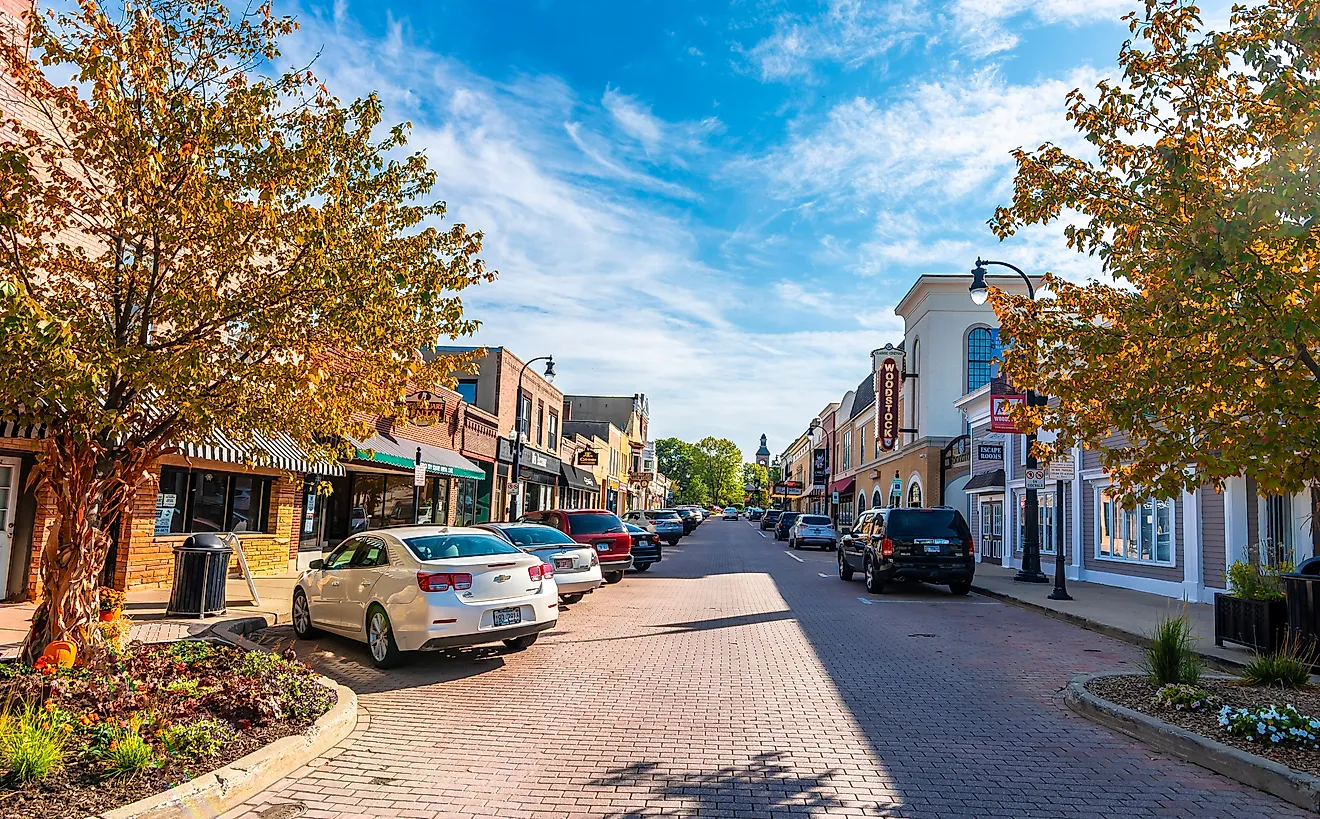
The rest of Main Street is also worth checking out. The Essex Art Association, founded in 1946, is an artist-run gallery that stages several shows a year in a former schoolhouse, while boutique shops like The RiverLane, a women's clothing store, make Main Street shopping fun.
Many of the town's best food and drink experiences are also located in heritage buildings. Olive Oyl's Carry Out Cuisine, a sandwich shop housed in a former gas station, is a popular spot for tourists and locals alike, and the Essex Coffee and Tea Company's white clapboard building also displays work by local artists. Around the corner, the Essex Historical Society operates Pratt House, a colonial farmhouse museum.
Main Street ends at the Connecticut River Museum. Based at Steamboat Dock in a warehouse built in 1878, its three floors portray 12,000 years of history along the 410-mile waterway, from early Indigenous settlement to the age of steam. The star attraction is a full-size working replica of the Turtle, the world's first combat submarine deployed against British warships in New York Harbor in 1776.
Blasts From the Past

Essex offers plenty of opportunities to get out on the very water the town grew up around. From May through October, the Connecticut River Museum runs river cruises aboard the Onrust, a replica of the vessel Dutch explorers used to chart the river in 1614. They also operate the RiverQuest, an eco-tour boat aboard which passengers regularly spot osprey and bald eagles.
For an on-land blast from the past, head to the Essex Steam Train & Riverboat. This heritage railroad departs from Essex Station, built in 1892, with vintage steam locomotives hauling restored passenger cars. The 12-mile round trip rolls through the tidal wetlands of the lower Connecticut River, one of the least disturbed ecosystems left in New England.
Passengers transfer to the Becky Thatcher at Deep River Landing. This triple-deck riverboat, modeled on 1870s paddle-wheelers, then departs for a 75-minute cruise upriver. Along the way, it passes Gillette Castle, a hilltop stone mansion completed in 1919, the Goodspeed Opera House, a Victorian theater in East Haddam, and the East Haddam Swing Bridge.
Other Connecticut Towns Frozen in Time

Wethersfield, settled in 1634 and one of the first English settlements in Connecticut, is home to the state's largest historic district. Old Wethersfield boasts more than 150 buildings that predate the Civil War, including the Joseph Webb House, where George Washington planned the campaign that ended the Revolution at Yorktown.
On the shoreline east of New Haven, Guilford surrounds one of New England's largest town greens and is home to the Henry Whitfield House, built in 1639 and the oldest house in Connecticut. The Town Center Historic District covers four square miles of historic houses, churches, and shops.
In Connecticut's northwest hills, Litchfield preserves the Tapping Reeve House and Litchfield Law School. Tapping Reeve began privately instructing his first law student, future Vice President Aaron Burr, in 1774 and formally opened the Litchfield Law School, regarded as America's first formal law school, in 1784.
A Town That Never Lets Go Of Its Story
Plenty of American towns preserve a historic district. Essex goes further, keeping its history in daily use. The inn that fed shipyard workers in 1776 still serves drinks 250 years later, and its schooners still sail the same river. Wethersfield, Guilford, and Litchfield each guard their own piece of colonial Connecticut.