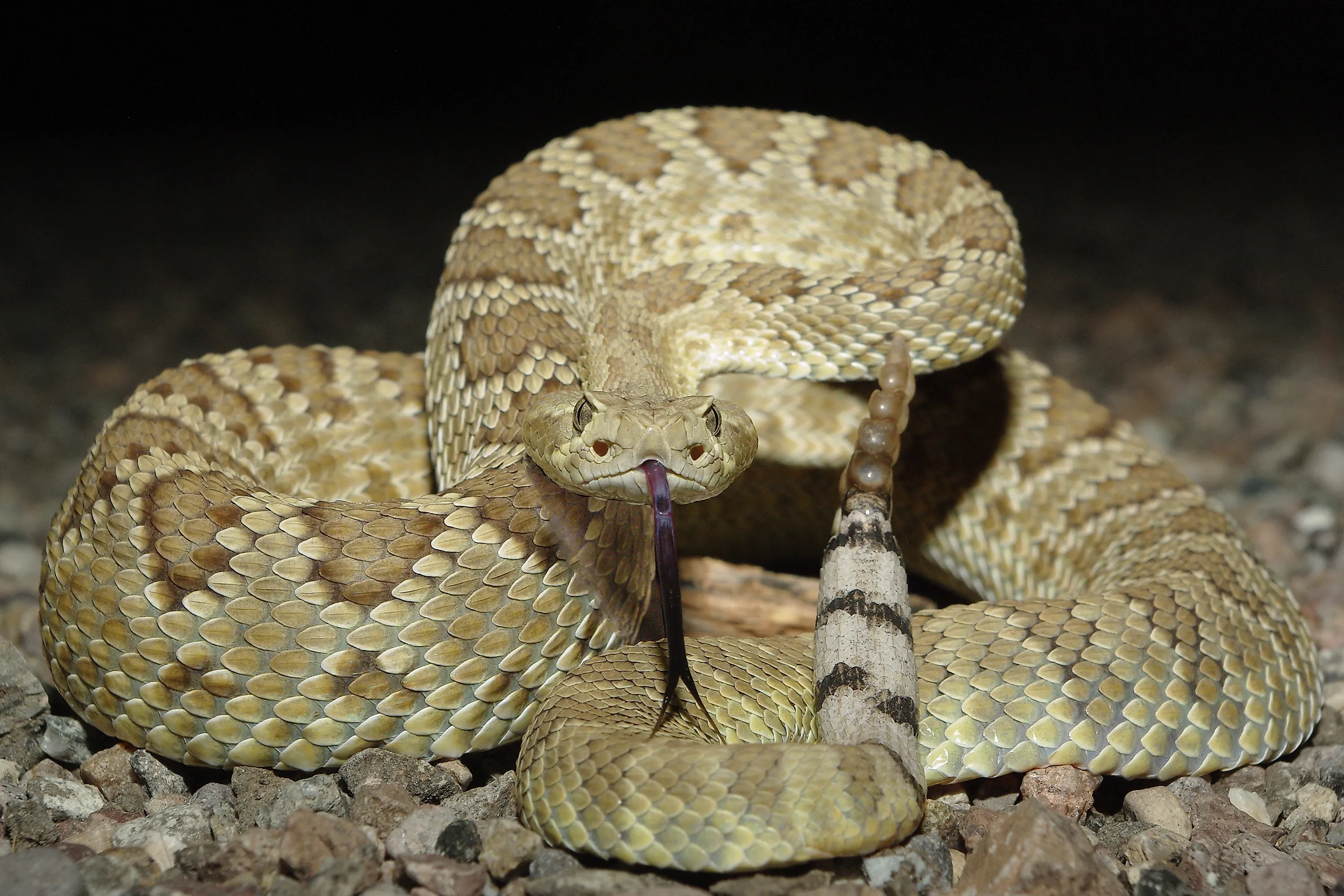
The US Lakes With The Most Rattlesnakes
Lakes do not have rattlesnakes. Shorelines do, which is why a good share of the most snake-populated water in America is artificial and was built on purpose by the federal government. A desert reservoir produces a long strip of warm rock beside permanent water in a place that had almost none, stocks it with rodents and lizards, and then thoughtfully installs a boat ramp in the middle. Lake Mead holds four rattlesnake species along 759 miles of shoreline, which is more than most states manage, and it did not exist before 1935. Nobody set out to build a rattlesnake resort. One got built anyway.
Why Shorelines Concentrate Them
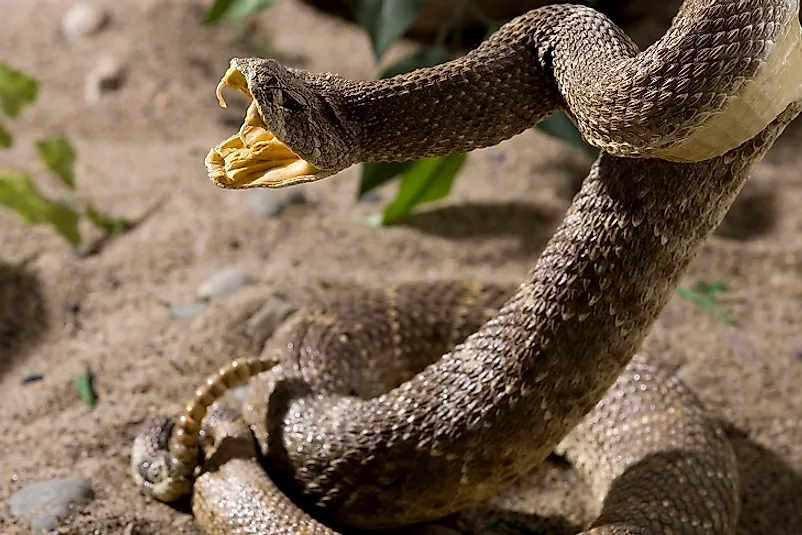
Four things have to line up for rattlesnakes to be abundant anywhere, and a desert lake edge supplies all of them at once. There is thermal mass, because exposed rock, talus slopes and riprap hold heat well into the evening and let a cold-blooded animal stay active longer. There is cover, in the form of crevices, boulders and shoreline debris. There is prey, because permanent water in arid country draws rodents, birds and lizards in numbers the surrounding desert cannot support. And there is water itself, which snakes drink.
Add seasonal shoreline fluctuation, which keeps exposing fresh rock and debris, and you have purpose-built habitat assembled entirely by accident. The Bureau of Reclamation was thinking about water storage. The snakes were thinking about real estate.
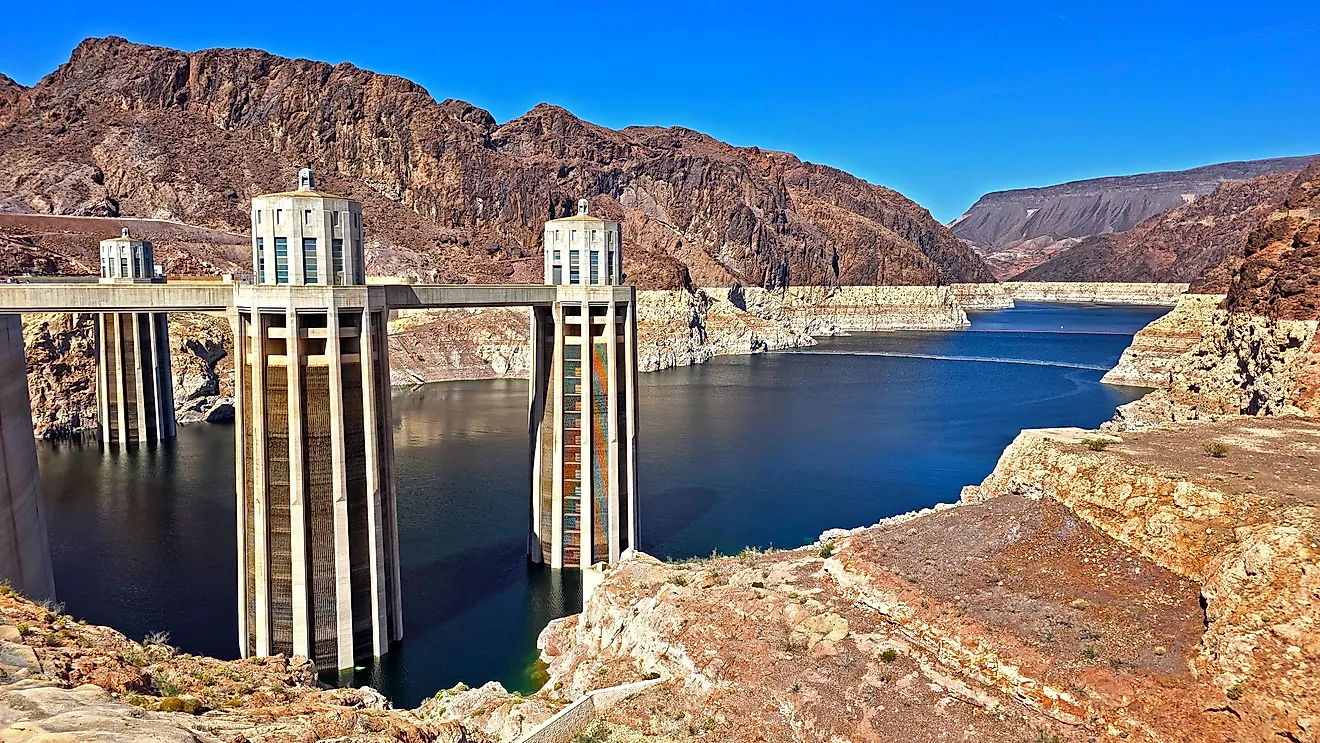
Lake Mead, Nevada And Arizona

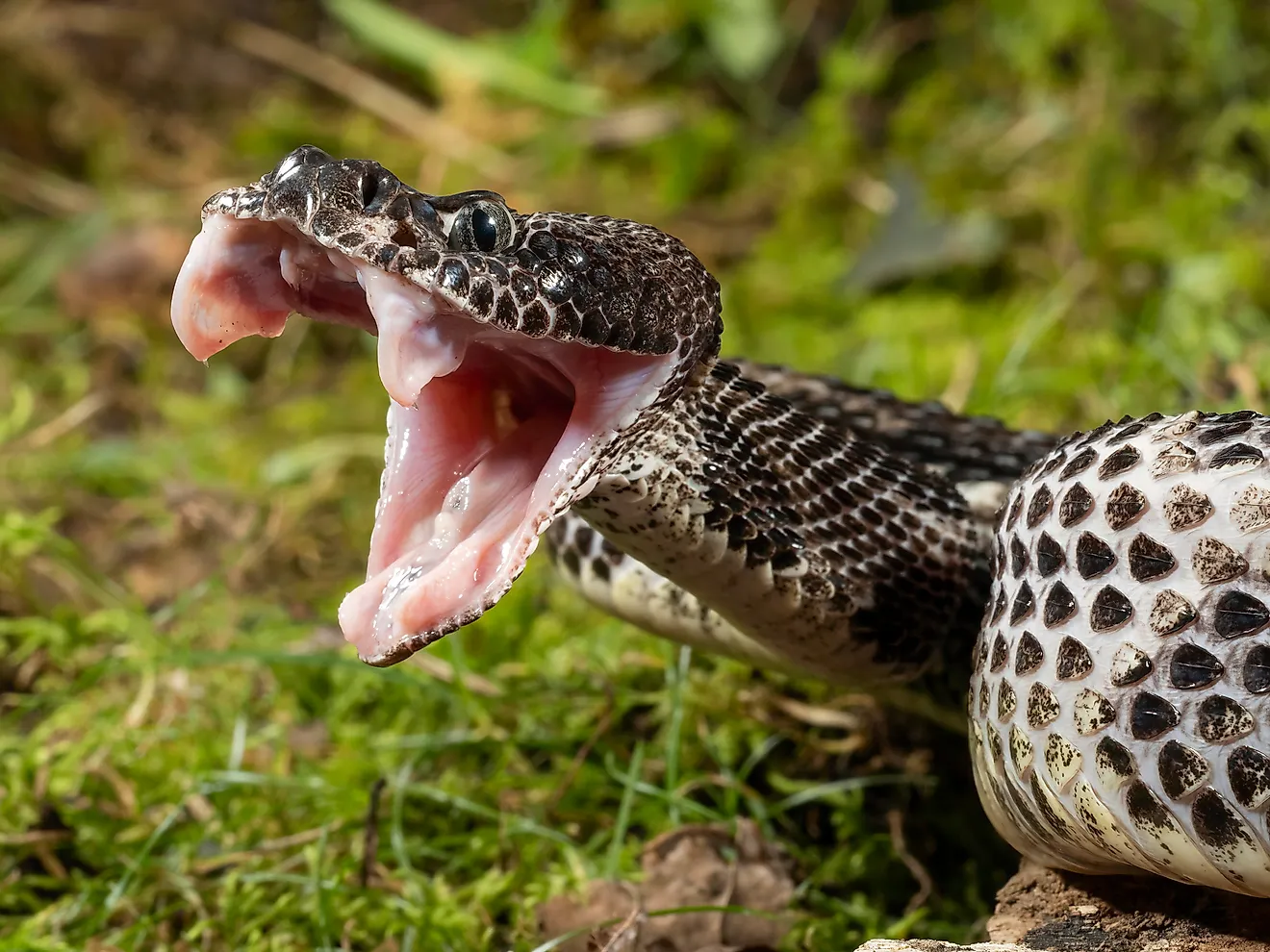
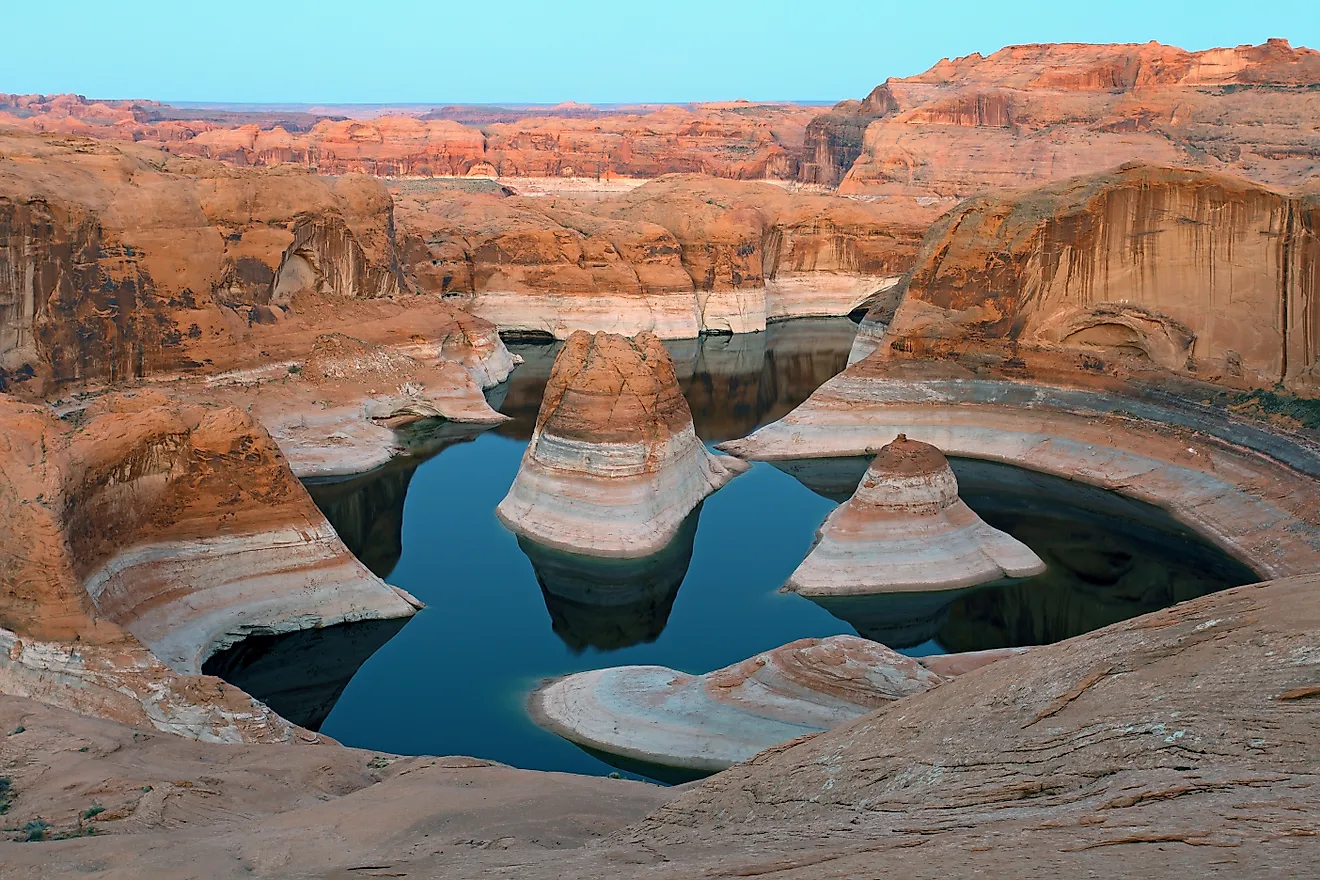
This is the clear leader, and the reason is geographic coincidence rather than anything about the water. Three of the four North American desert ecosystems meet in the Lake Mead National Recreation Area: the Mojave, the Sonoran and the Great Basin. The result is 41 reptile species including four rattlesnakes, the sidewinder, the Mojave, the southwestern speckled and the western diamondback.
Spread those across 759 miles of shoreline framed by slot canyons, coves and talus and you get more rattlesnake species on one reservoir than live in most entire states. Nevada has five species statewide. Four of them are at this one lake, which suggests the fifth is simply antisocial.
Lake Mohave, Just Downstream

Lake Mohave sits between Hoover Dam and Davis Dam, stretching roughly 67 miles along the Nevada and Arizona border, and it belongs to the same recreation area and the same snake population.
The same four species occur here, drawn by the same combination of rocky shoreline and reliable water in the Mojave Desert. The lake is narrower than Mead for much of its length, which means more shoreline per acre of water and a tighter concentration of the habitat snakes use.
Arizona Is The Species Capital
Any national ranking of rattlesnake country eventually arrives in Arizona, because the state holds 14 rattlesnake species, more than anywhere else in the United States.
That means almost any Arizona reservoir sits inside unusually rich rattlesnake territory. The desert lakes north of Phoenix and along the Salt and Verde rivers are surrounded by Sonoran Desert that supports western diamondbacks, Mojaves, tigers, blacktails, sidewinders and more, and the shoreline rock does the same heat-retention job it does at Mead.
California follows with 12 species, which puts its southern and eastern reservoirs in similar company. Between them the two states hold more kinds of rattlesnake than most countries hold kinds of snake.
The Lake With A Rattlesnake Island

Clear Lake in Lake County, California is believed to be the oldest lake in North America, occupying a site that has held lakes for at least 2.5 million years. One of its islands is called Rattlesnake Island.
The name is not decorative. The island sits in a lake with over 100 miles of shoreline in northern California rattlesnake country, and it carries considerable cultural weight as well, being a Pomo heritage site at the center of a long-running dispute over development.
It is also a reminder that American place names are frequently the most reliable wildlife survey ever conducted. Nobody names an island after a snake because of one bad afternoon.
Rattlesnake Island Is Not Unique
There are at least four Rattlesnake Islands in American lakes, and the pattern tells you something. Besides the one in Clear Lake, there is a Rattlesnake Island in Lake Erie in Ohio, another in Lake Winnipesaukee in New Hampshire, and Terminal Island in Los Angeles was called Rattlesnake Island before it was developed.
Islands concentrate snakes because islands concentrate everything. Rocky ground, no large predators and a prey population with nowhere to go is excellent rattlesnake habitat, and every one of those islands earned its name the hard way, presumably from somebody who rowed over to have a look.
The Great Lakes Have One Too
Nobody associates the Upper Midwest with rattlesnakes, which is exactly why the eastern massasauga is worth knowing about. It is the only rattlesnake in Michigan, and it occurs around wetlands, lake margins and shoreline fens across parts of the Great Lakes region. It is small, secretive and federally listed as threatened, and its numbers have fallen substantially with the loss of the wet habitat it depends on.
So the list of lakes with rattlesnakes includes some in states where locals would bet money against it. The difference is that at Lake Mead you might actually see one, whereas in Michigan the snake has spent a century perfecting the art of not being noticed and is extremely good at it.
Keeping It In Proportion

Here is the context that should accompany any article on this subject, and the numbers make the point without needing any reassurance attached.
Lake Mead has recorded more than 200 deaths since 2013, the majority of them drownings. Snakes have not contributed to that figure. The most dangerous thing at a rattlesnake-heavy reservoir is, by an enormous margin, the water.
Rattlesnakes rattle because they would very much prefer to be left alone, and the overwhelming majority of American bites happen when somebody tries to handle, catch or kill the animal rather than when somebody simply walks past one. The snake is doing its level best to avoid you. The lake is not.
Where They Actually Are On A Lake
Knowing the specific microhabitats is considerably more useful than knowing which lake, because distribution within a shoreline is not even. They favor rocky slopes and talus above the waterline, boulder fields, riprap around dams and boat ramps, brush and debris lines left by changing water levels, and the shaded underside of anything large during the heat of the day. They are far less common on open sand or mown recreation areas, which is to say the places where most visitors actually spend the day.
Which means the practical advice is specific. Watch your hands and feet on rock scrambles down to the water, look before stepping over boulders and logs, and give any snake you hear a wide berth rather than trying to locate it closely.
The Ranking
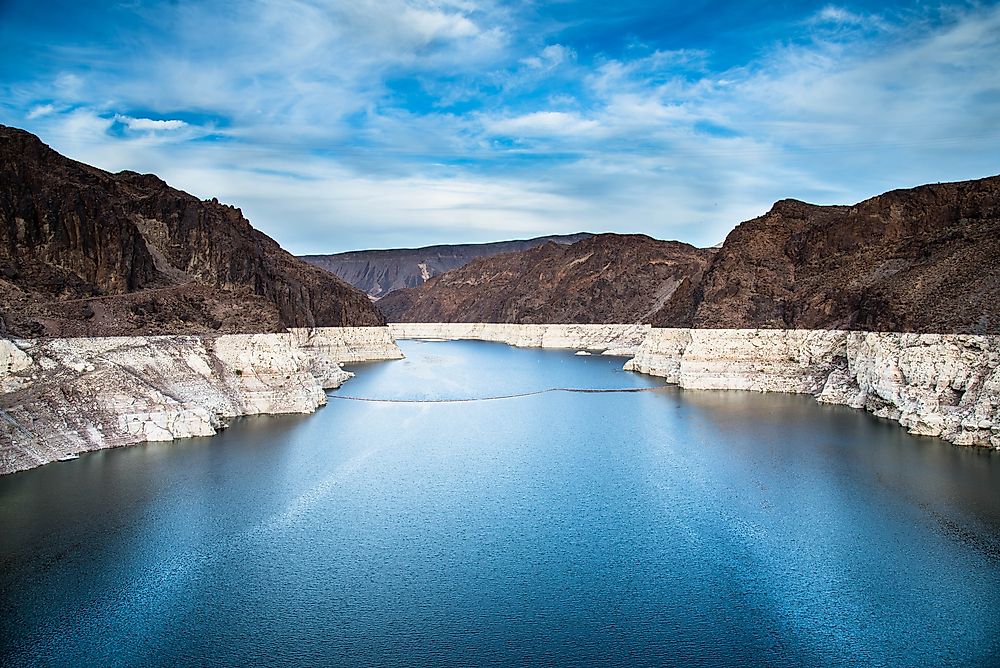
By species count and shoreline length it is Lake Mead, with four rattlesnake species across 759 miles of edge at the junction of three deserts, followed by Lake Mohave on the same system. Arizona's desert reservoirs sit inside the richest rattlesnake state in the country at 14 species, and California's southern lakes are not far behind at 12.
The broader point is that most of these are reservoirs rather than lakes, built within the last century, and the habitat that makes them so good for rattlesnakes was an engineering accident nobody reviewed. Put several hundred miles of warm rock beside permanent water in a desert and something was always going to move in and take the lease.