8 Oldest Founded Small Towns to Visit in New England
In New England, “old” can be measured in street plans laid out before the United States existed.
The earliest small towns in the region were built for survival, near rivers that powered mills, harbors that launched trade, and crossroads that stitched scattered farms into communities. Four centuries later, those choices still shape what visitors experience: compact downtowns you can cross on foot and museums that preserve everything from whaling ships to Revolutionary battlefields. Each one of these eight towns holds a specific founding story that you can still trace in bridges, lighthouses, village greens, and weathered clapboards.
Pawtuxet Village, Rhode Island

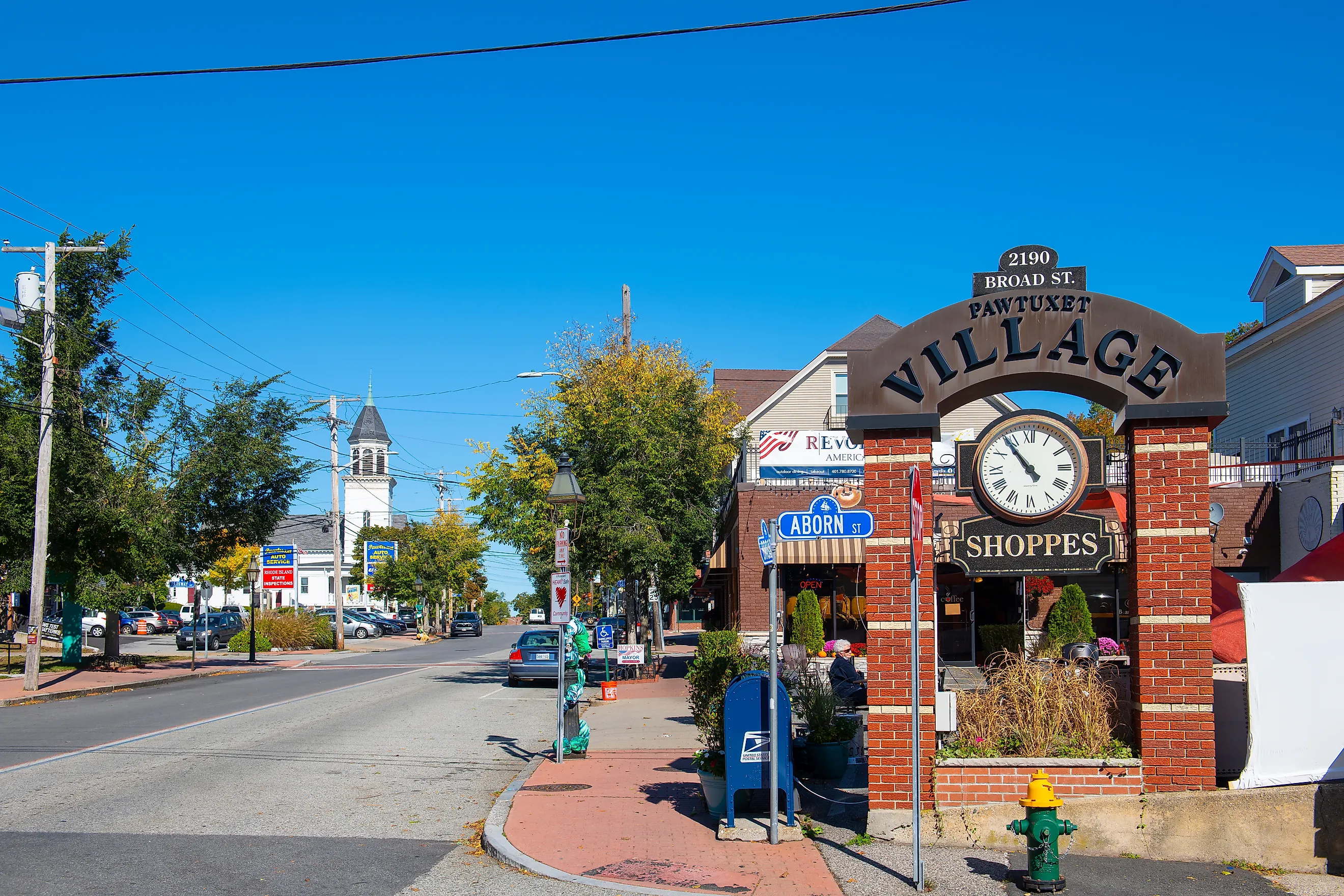
Pawtuxet Village, Rhode Island, is a riverside community in the cities of Warwick and Cranston. The Pawtuxet Village Historic District was founded in 1638, making it one of the oldest in New England and the United States. The charming district contains the most Federal and Colonial architecture in Rhode Island, and the finest way to discover the antique structures is by walking around.
Notable historic sites include the Pawtuxet Bridge, ca. 1711-1932, Remington Arnold House, ca. 1730, and the Smith House, ca. 1775. Downtown Cranston also has a fantastic culinary landscape from breakfast to dinner. In the morning, it is hard to beat Crepe Corner, while O'Rourke's Bar & Grill has you covered for authentic pub food and drink for lunch or dinner.
Woodstock, Vermont

The charming town of Woodstock, Vermont, was established in the 1760s by the Royal Governor of New Hampshire. It is famous today for its vintage architecture and small-town Americana charm. Numerous historic homes, like the Woodstock Inn & Resort, built in the Georgian style, are located in historic Woodstock Village Green.
Other remarkable examples are the Queen Anne-style Billings Farm and Museum and the Neoclassical Woodstock Town Hall. The historic architecture accents the stunning natural landscape of rolling hills and the Ottauquechee River. Woodstock is one of the oldest villages in New England and one of the most carefully preserved.
Mystic, Connecticut

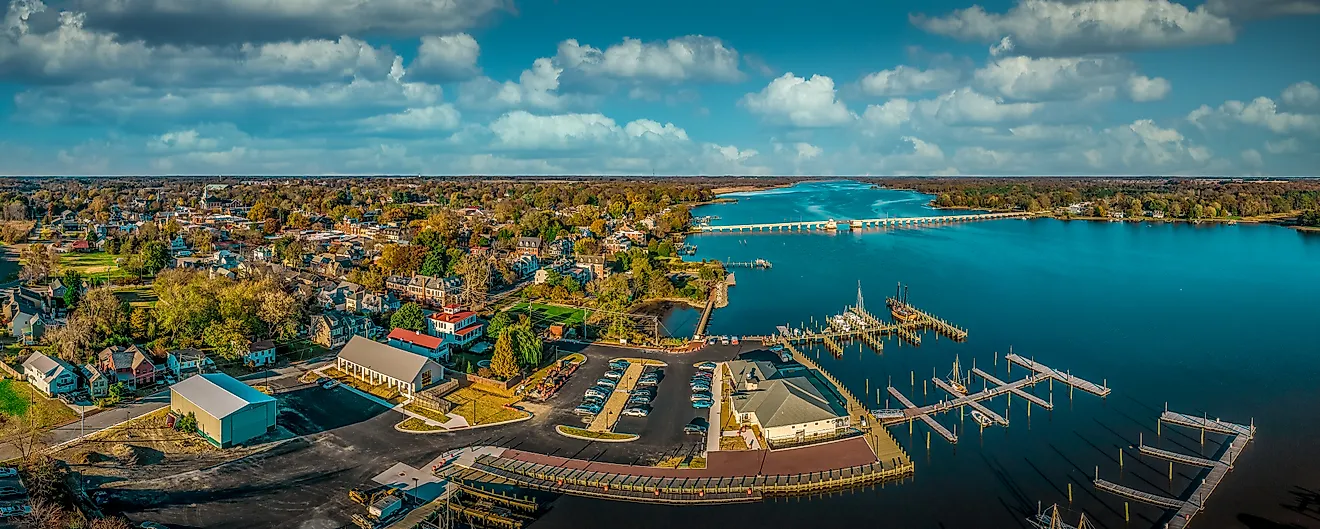
Mystic is a quintessential New England seaport in Connecticut, founded in 1654 at the mouth of the Mystic River. The small village was a whaling epicenter throughout the 19th century. The shipping and local history can be discovered through exhibits at the Mystic Seaport and Marine Museum. Exhibits include the whaling ship Charles W. Morgan, ca. 1841, and the square-rigged Joseph Conrad, ca. 1882.
Other historical sites include the Olde Mistik Village, which has recreated colonial homes and a modern shopping center. There is also a row of preserved captain's houses from the whaling boom of the 18th and 19th centuries. The Historic District is best explored by walking and includes heritage sites like the Mystic Drawbridge and vintage Gothic and Greek Revival architecture.
Salem, Massachusetts

Salem, Massachusetts, was founded in 1626 and rose to infamy during the 1692 witch trials. This history is accessible through the Salem Heritage Tour that stops at the Witch House on Essex Street and the Salem Witch Trials Memorial. Several other museums explore this maritime village's deep and sometimes convoluted history. The Witch Dungeon, Real Pirates Salem, and the New England Pirate Museum are all within walking distance of the historical downtown area.
Embrace Salem's history and modern culture on several walking tours. Children's, food, and ghost tours wind through the streets, exposing visitors to various architectural styles. These styles reflect the transition of a settlement that evolved into a major international seaport from the Revolutionary War through the 19th century. Afterward, one can end the day at the Forest River Park, a scenic location along the coast.
Kennebunkport, Maine

Kennebunkport, Maine, incorporated for the first time as Cape Porpus in 1653. After a few derivations, the seaport was named Kennebunkport in 1821 from the Abenaki Indian word for "long sandbar." Today, the town is famous for its Captain's mansions, beaches, and visitor attractions. Dock Square is a shopping hub in the historic downtown area, with numerous shops and restaurants in vintage structures and clapboard-sided and shingled buildings.
The coastal town also boasts the first electric railway museum in the world, the Seashore Trolley Museum. Visitors are encouraged to ride on an early 20th-century trolley and visit the 1,600-square-foot gallery with exhibits and artifacts. Another fascinating piece of Kennebunkport's history is the Wedding Cake House, built in 1825. It is a showcase of local history and was built by the shipbuilder George W. Bourne. Visitors can opt for the 2-Hour Historical Walking Tour, which covers dozens of suites with a trained guide for a complete insight into the town's past.
Dover, New Hampshire

The colonial seaport of Dover, New Hampshire, was first established in 1623 on the banks of the Bellamy and Cocheco Rivers, which empty into the Piscataqua River. Although initially a maritime trading hub, it gradually transitioned into a center for cotton manufacturing in the 19th century and subsequently for brick manufacturing throughout the 20th century. The vibrantly preserved downtown features Georgian Colonial and Federal architectural styles that reflect this historical legacy, and it hosts attractions such as the Woodman and Children's Museums.
Dover serves as a cultural hub for artists, whose works are showcased during the Dover Art Walk on the first Friday of each month and the Cocheco Arts Festival held in the summer. The downtown district, situated along the Cocheco River, forms the core of the community. It offers various recreational and leisure facilities including skating rinks, public swimming pools, restaurants, and venues for live entertainment, as well as outdoor pursuits such as climbing the Garrison Hill Tower.
Old Saybrook, Connecticut

Old Saybrook, Connecticut's history dates back to the 1620s when Dutch immigrants settled it, and the Saybrook Colony was established soon after in 1635. The town is at the head of the Connecticut River and the mouth of the Long Island Sound. It was incorporated in 1854 and became a major coastal trading stop due to its proximity to the river. This seaside town has a charming and historical downtown area mixed with modern conveniences.
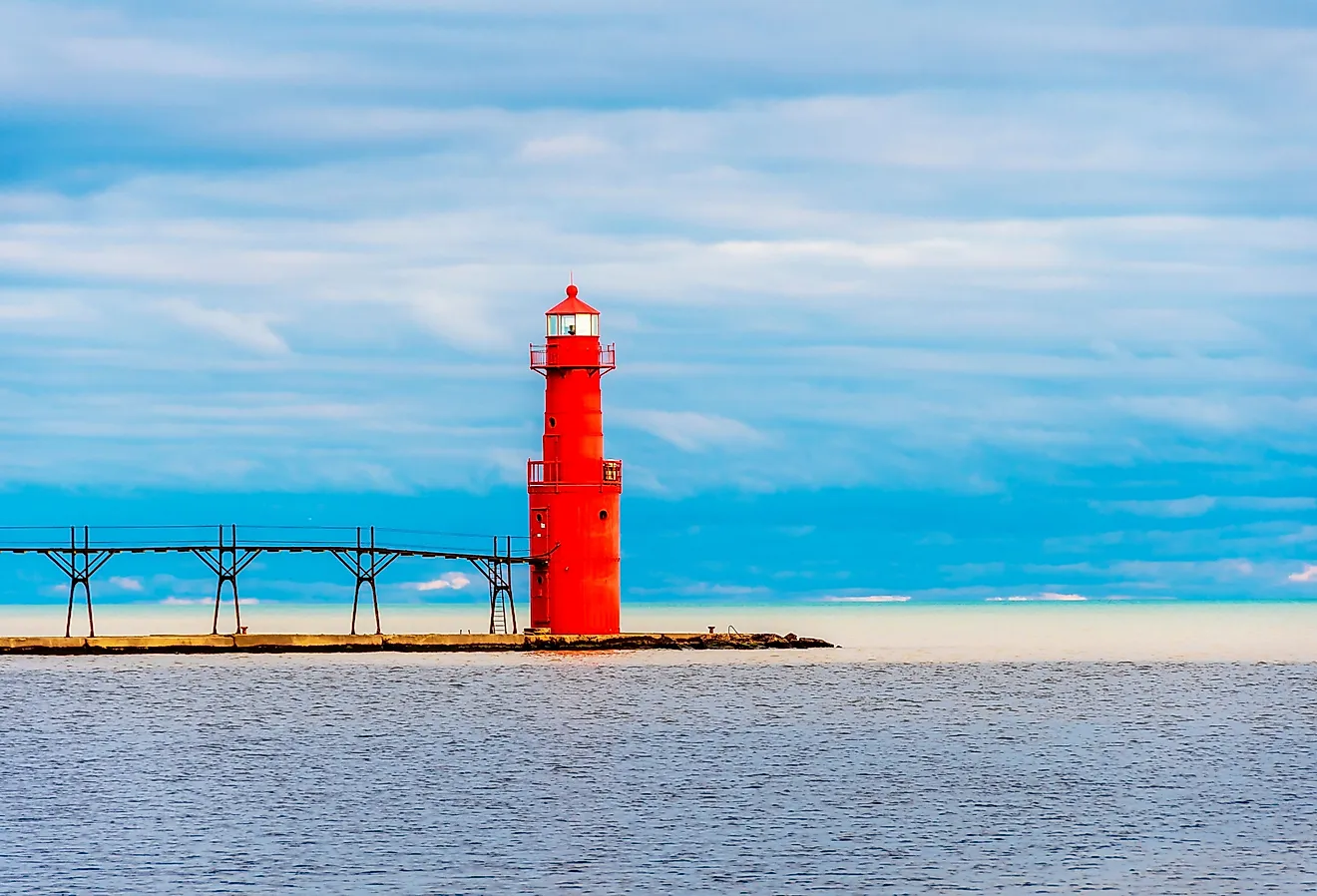
Two majestic, vintage lighthouses cast an elegant charm over the town. The Lynde Point Lighthouse, built in 1803, was initially constructed from wood and burned whale oil for the light. The Saybrook Lighthouse Breakwater Lighthouse, built in 1886, stands tall at the west end of the river and was designed to guide deep draft ships into the shallow harbor. Back inland, Main Street is the heart of the town. Though steeped in four centuries of history, the town has progressed, and Main Street is now home to numerous restaurants and quaint shops.
Concord, Massachusetts

The historic town of Concord, Massachusetts, was established in 1635 and is deeply rooted in American history. Esteemed author Henry David Thoreau regarded Concord as the "most estimable place in all the world," thereby contributing to its illustrious literary heritage. Concord has served as the residence for eminent writers such as Thoreau, Nathaniel Hawthorne, Ralph Waldo Emerson, and Louisa May Alcott. Currently, it is renowned for its numerous Revolutionary War sites and Minute Man Park. The Minute Man National Historical Park is a prominent attraction, commemorating the first battle of the Revolutionary War with a display of numerous 18th-century structures.
To further explore its history, visitors may visit the Ralph Waldo Emerson House, one of several significant landmarks in Concord. Adjacent to it, the historic Old Manse, former residence of Emerson, is also available for tours. A self-guided or guided walking tour is the most effective means to explore the town, with sites such as the Concord Museum, the Thoreau Farm, and the Old North Bridge attracting history enthusiasts.
Wrapping Up
New England, recognized as one of the most historic and venerable regions in the United States, features towns that are abundant in history and charm. Among the earliest settlements, these eight towns exemplify the region's distinguished qualities. Woodstock, Vermont, embodies traditional Americana with its renowned architectural styles, whereas Mystic, Connecticut, and Kennebunkport, Maine, served as important seaports prior to the founding of the nation.
Many of these quaint towns, some exceeding four centuries in age, display a variety of architectural styles. These styles offer insights into the past, reflecting the materials and techniques employed in their construction. Exploring these diverse styles provides a journey through history, emphasizing the unique characteristics that define each town.