The Most Charming River Towns In The United States
America's rivers have given rise to some of the country's most memorable towns, shaping where its people settled, traded, and built communities that still thrive today. From historic ports on the Mississippi to mountain villages in the Pacific Northwest set beside rushing streams, these destinations pair scenic waterfronts with distinctive architecture, local history, and plentiful outdoor recreation.
Some are celebrated for centuries-old landmarks, while others draw visitors with their vineyards, redwood forests, alpine scenery, and much more. They will show you a remarkable variety of landscapes and cultures that have flourished along the waterways connecting the United States from coast to coast, forming some of the best getaways across the continent, whether for a weekend or just an afternoon.
Galena, Illinois

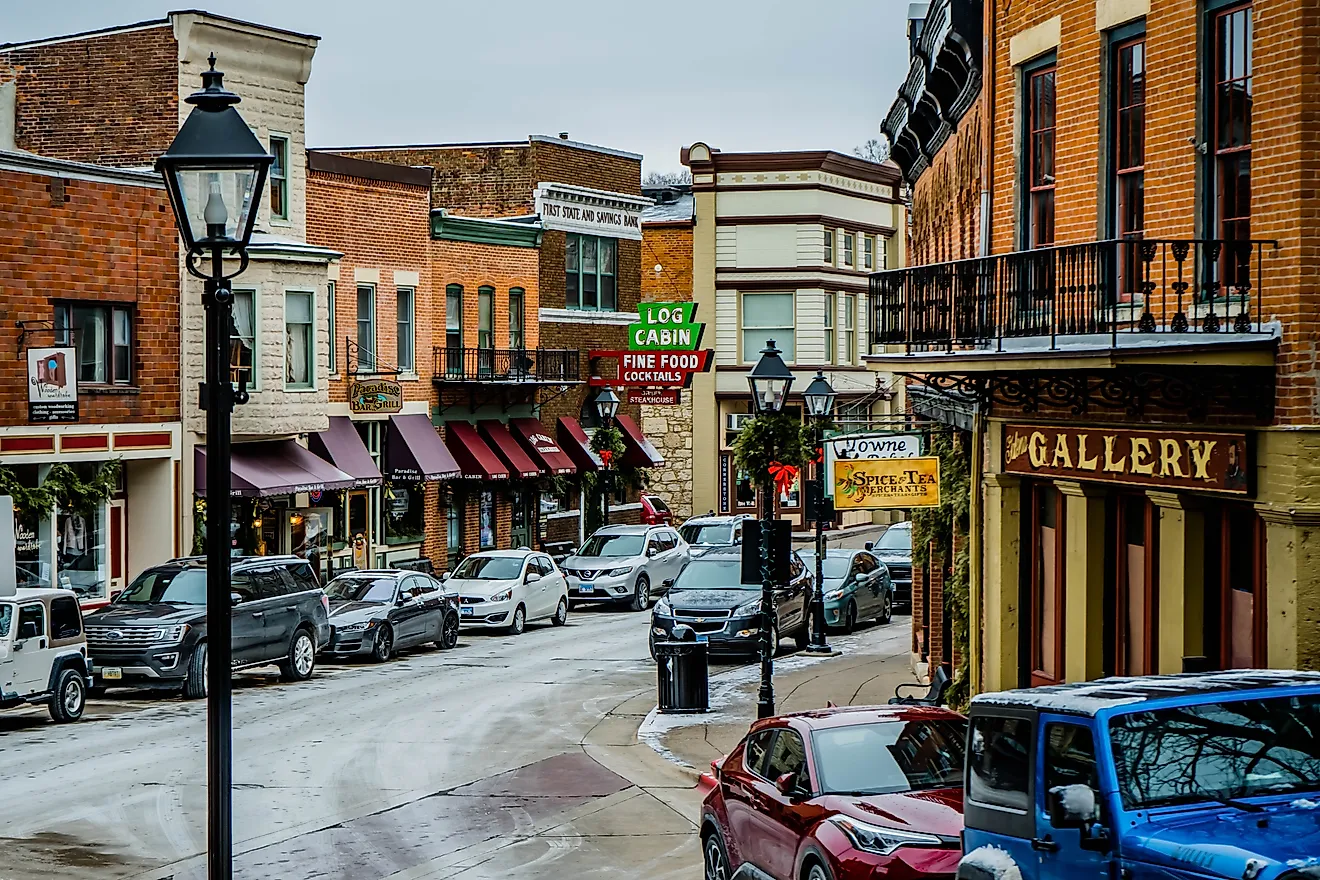
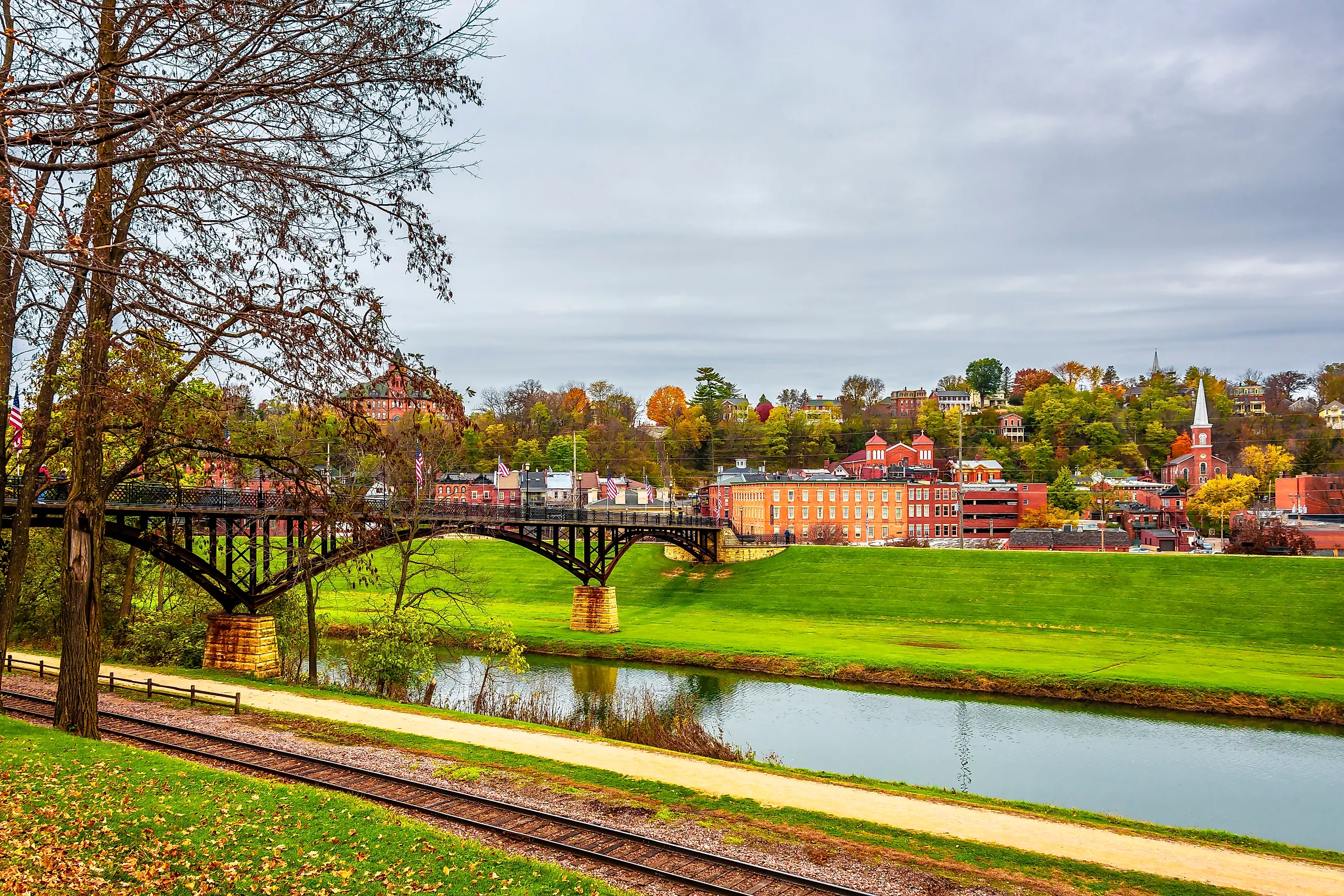
Galena sits along the Galena River in the rolling hills of northwestern Illinois, just east of the mighty Mississippi River, too. During the mid-1820's, it became one of the nation's busiest lead mining and shipping centers, and much of that prosperity is still reflected in its remarkably intact downtown. Now, more than 100 buildings in its historic district date to the nineteenth century, creating one of the largest collections of preserved architecture in the Midwest.
Water Street follows the Galena River and is lined with many nice little independently owned shops, restaurants, art galleries, and boutique hotels, many of which are housed in brick commercial buildings. Nearby, you can then tour the former home of Ulysses S. Grant, which was presented to him by local residents after the Civil War, or climb to Horseshoe Mound Preserve for sweeping views of the surrounding Driftless Area, a region that escaped glaciation during the last Ice Age.
Furthermore, various riverfront parks and walking paths (namely the Galena River Trail) add another dimension to this classic Midwest town, one whose underrated natural landscape is as memorable as its past.
Leavenworth, Washington

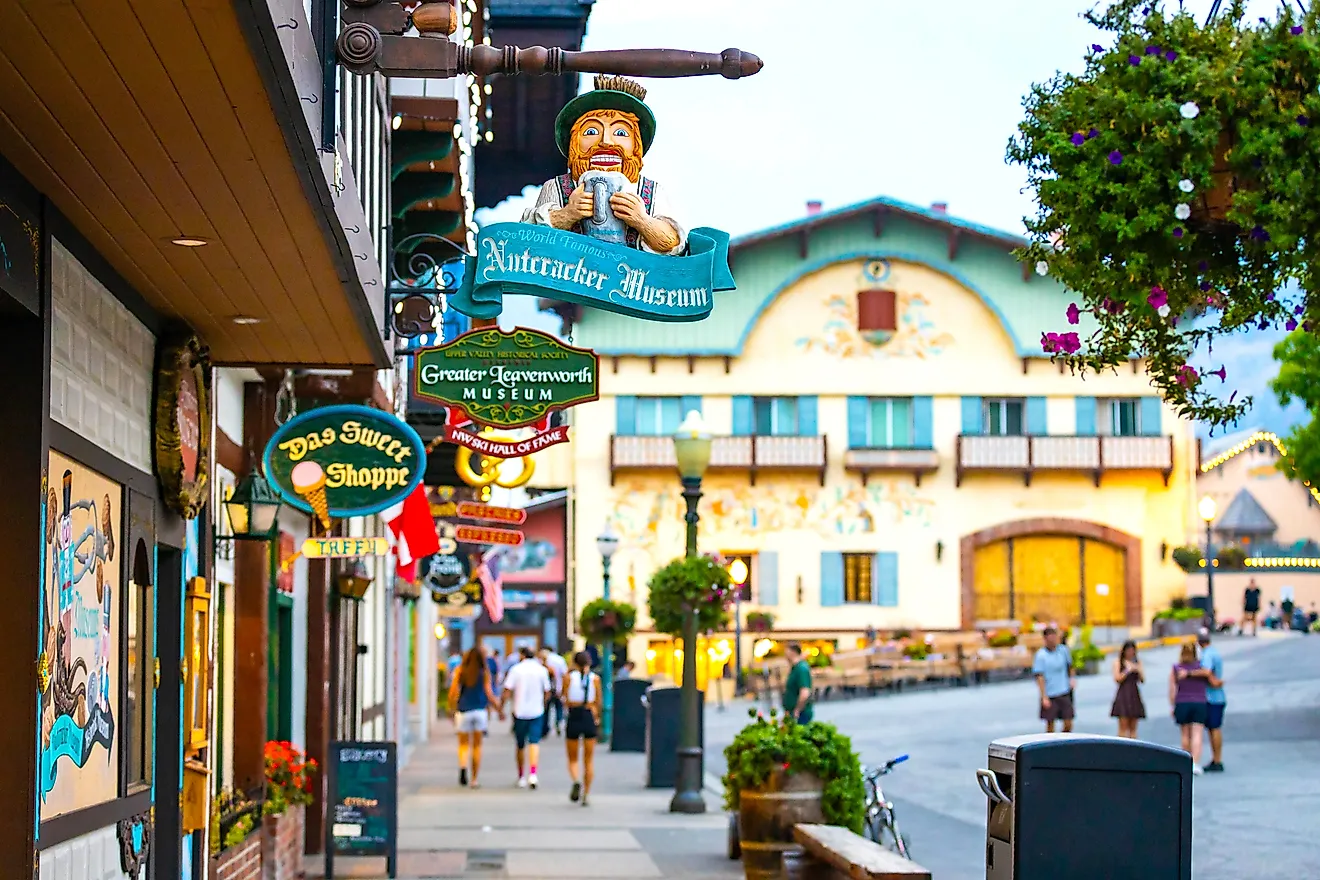
Leavenworth occupies a highly scenic stretch of the Wenatchee River on the eastern slopes of Washington's Cascade Range. Although the town was established as a railroad and timber community in its early days, it reinvented itself during the 1960s by adopting a Bavarian-inspired architectural style that transformed it into one of the Pacific Northwest's most unique destinations.
Here, a number of ornate, timber-framed buildings, flower-filled balconies, and alpine-inspired storefronts line its downtown core, creating a distinctive setting against a backdrop of rugged peaks, orchards, and sprawling vineyards. Be sure to also see the Wenatchee River itself, which runs directly through town, accompanied by spots like Waterfront Park that provide easy access to walking trails, picnic areas, and quiet spots overlooking the water.
During warmer summer months, the river is popular for rafting, tubing, kayaking, and fly fishing, while nearby trails lead into the surrounding Okanogan-Wenatchee National Forest. Just outside town, the Icicle Creek valley boasts steep granite cliffs, forested campgrounds, and hiking routes that further showcase the eastern Cascades in all their splendor.
Leavenworth also hosts a handful of major annual events worth attending, including Oktoberfest, the Village of Lights celebration, and the Washington State Autumn Leaf Festival, drawing visitors all throughout the year.
Harpers Ferry, West Virginia

Harpers Ferry basks within one of the most dramatic river settings in the eastern United States, where the Potomac and Shenandoah rivers converge between steep ridges in West Virginia's Eastern Panhandle. Despite its small size, the town played an outsized role in American history, as it was the site of the federal armory established in 1799 and the location of John Brown's famous 1859 raid, an event that intensified tensions leading to the Civil War.
Today, much of the community is protected within Harpers Ferry National Historical Park, where restored streets, museums, and historic buildings preserve its old-timey character. You are free to walk to Jefferson Rock for a wide view of the river confluence or cross the footbridge over the Potomac to reach the Chesapeake & Ohio Canal National Historical Park. The Appalachian Trail also passes directly through town before climbing Maryland Heights, whose overlook provides one of the region's most photographed vistas, especially beautiful in autumn as the foliage changes color.
Surrounded by dense eastern forests, two major rivers, and historic landmarks, Harpers Ferry perfectly combines its remarkable scenery with a concentration of nationally significant lore found in few other places across the country.
Natchez, Mississippi

Natchez rises above the eastern bluffs of the Mississippi River in southwestern Mississippi, making it one of the oldest European settlements on the river. Founded by the French in 1716, the city later came under British and then Spanish control before becoming part of the United States, making it a real melting pot of cultures.
Much of its history survives in the open air today, with hundreds of antebellum homes, churches, and public buildings reflecting the wealth generated mainly by the cotton trade. Many of these properties are open to visitors during the annual Natchez Pilgrimage, when guided tours highlight their architecture and history.
On the nature side of things, the Natchez Bluff Park and adjacent riverfront provide panoramic views of the Mississippi, particularly at sunset when barges and towboats pass below the towering bluffs. Natchez also marks the southern end of the Natchez Trace Parkway, the 444-mi (715-km) scenic route that follows an ancient travel corridor used for centuries by Indigenous peoples, traders, and early settlers.
Wherever you head off to here, you're almost guaranteed to run into an array of museums, historic cemeteries, parklands, and opportunities for a riverboat cruise that further showcase a community where the Mississippi River has dictated daily life, commerce, and culture for more than three centuries.
New Hope, Pennsylvania

New Hope rests along the Delaware River in southeastern Pennsylvania, where the waterway has long shaped the town's identity as a transportation route, industrial resource, and now, recreational destination. Originally known as Coryell's Ferry, this settlement became an important crossing point on the road between Philadelphia and New York before later developing around its own mills, railroads, and river commerce operations.
These days, New Hope is better known for its antique buildings, riverside trails, art galleries, and mom-and-pop shops, all still sitting within an afternoon's drive from Philadelphia, Trenton, and New York City. Definitely drop by the Delaware Canal State Park, which runs alongside the river and follows the historic canal system that once carried coal from northeastern Pennsylvania to other growing cities. You may also walk or cycle along the local towpath, explore the New Hope & Ivyland Railroad, or cross the nearby bridges connecting Pennsylvania with Lambertville, New Jersey.
Furthermore, the surrounding river valley provides opportunities for kayaking, fishing, and scenic drives through Bucks County, giving you a pleasant and varied combination of industrial heritage and river access. But above all, New Hope remains a notable river town in the Mid-Atlantic that is way too often overlooked, one that you should consider for an off-the-beaten-path outing in an otherwise very deeply metropolitan region of the U.S.
Guerneville, California

Found on the banks of the Russian River in Sonoma County, California, Guerneville is surrounded by towering coast redwoods and hills. Established as yet another western logging community in the 1800s, this quiet town, of course, developed around the timber industry, which relied on the region's immense forests.
However, many of the close-by groves are now protected within parks such as Armstrong Redwoods State Natural Reserve, where you can stroll beneath some of the tallest and oldest trees in the world. Moreover, the Russian River remains central to outdoor life in Guerneville, where swimming, kayaking, canoeing, and fishing are commonly enjoyed. Deeper in town, the longstanding Main Street is host to a nice collection of locally owned restaurants and other amenities, while a few excellent vineyards and wineries nearby connect the community to the broader Sonoma County wine landscape.
Guerneville originally became known as a popular resort destination in the early twentieth century, when visitors traveled by train from San Francisco to escape the city's heat. But even today, its array of river recreation, impressive woodlands, and small-town character in an otherwise crowded state make it a distinctive destination along California's North Coast.
Crystal River, Florida

Crystal River is on the shores of Florida's western coast, where dozens of freshwater springs feed the Crystal River before it ultimately flows into the Gulf of Mexico (Gulf of America). This constant input of pristine spring water keeps the river at about 72°F (22°C) year-round, in turn creating ideal habitat for the largest population of wintering West Indian manatees in the United States.
Curious visitors are welcome to kayak, paddleboard, or join guided tours through these fair waters, also making Crystal River the only place in the country where people may legally swim with manatees under regulated conditions. The nearby Crystal River National Wildlife Refuge and Three Sisters Springs further protect the area's critical habitat while providing boardwalks and more paddling access for wildlife viewing.
Beyond its natural attractions, the town preserves evidence of much earlier settlement at Crystal River Archaeological State Park, where Indigenous peoples built ceremonial mounds more than a millennium ago. Fishing, scalloping, leisure boating, and exploring citrus orchards also play major roles in the local tourist economy, giving this spot a close connection to its waterways that extends from ancient times to the present day.
Explore America Through These Riverfront Towns
From age-old downtowns to dramatic mountain scenery and vibrant waterfronts, these river towns highlight the enduring influence of America's vast network of waterways. Each of the spots above has developed its own identity through its geography, history, and local traditions, giving you far more than scenic views with a visit. Exploring them reveals how the country's rivers continue to shape its communities in a number of memorable ways.