The Pacific Northwest's Most Underrated Region
When most people picture the Pacific Northwest, they think of the coast: temperate rainforests, rugged beaches, and misty mountains in western Washington and Oregon. But the region’s most underrated side is farther inland, across eastern Washington, eastern Oregon, and northern Idaho, where the landscapes turn drier, wider, and far less expected. From the rolling farmland of the Palouse to the geologic drama of the Channeled Scablands, this inland stretch of the Pacific Northwest offers a strikingly different kind of beauty. If you are willing to look beyond the coastline, you will find one of the most varied and overlooked parts of the region.
Palouse

Palouse is a region that encompasses parts of north-central Idaho, large areas of eastern Washington State, and parts of northeastern Oregon. The Palouse is an important agricultural area characterized by its rolling, grass-covered hills that seem to stretch endlessly. This fertile landscape has been shaped by millennia of wind, water, and other unique natural influences.
The origin of the name "Palouse" is debated, but one theory suggests it is derived from the French word "pelouse," which means "land with short and thick grass." This theory aligns with the fact that French-Canadian fur traders were some of the first Europeans to explore the region.
In spring, the Palouse is a vibrant green; in the often dry summer months, it turns golden; and in fall and winter, it takes on an earthy brown hue. This makes it an appealing destination for landscape photographers and outdoor enthusiasts. There are numerous parks, towns, and other sites worth exploring if you want to experience the beauty of the Palouse for yourself.
Steptoe Butte State Park Heritage Site, Washington

Steptoe Butte State Park Heritage Site rises to an elevation of 3,612 feet in Washington, making it easily one of the highest points in the region. Because of this, it is an essential landmark to visit to get a true visual lay of the land. The butte, formed from quartzite over 400 million years old, contrasts with the lower surrounding hills, which are primarily formed out of ancient silt.
A winding road leads to the summit, where you can take in a 360-degree view of farmlands, distant mountains, and ever-changing light patterns across the landscape as clouds drift past the sun. Popular with photographers, sightseers, and even paragliders, the site also holds significance for Palouse's native peoples, as it was a vital waypoint for hunters and gatherers traveling through the area.
Today, the slopes of the butte are covered in apple trees and other tall standing foliage that also contrast with the nearby fields. Its summit also features a modern satellite tower. The land is managed as a heritage site and preserves both its geological history and cultural importance, and is open for the public to explore in the warmer months of the year.
Pullman, Washington

Pullman, Washington, boasts a population of nearly 33,000 residents. It is best known as the home of Washington State University and serves as the main cultural and economic hub for the area. This vibrant town is also one of the best places for travelers to stay, offering a wide selection of amenities, landmarks, and attractions.
For instance, the Pullman Depot Heritage Center is an intriguing location that highlights the community's past as an important train stop. Additionally, buildings like Bryan Hall, with its ornate red brick clock tower, attract those who appreciate vintage architecture.
For those looking to enjoy the natural beauty of the area, Sunnyside Park and Lawson Gardens offer serene green spaces for relaxation. Nearby, Kamiak Butte provides hiking trails with expansive views of the Palouse hills. The Bill Chipman Palouse Trail also connects Pullman to Moscow, Idaho, offering a scenic route for cyclists and pedestrians to enjoy.
The Channeled Scablands

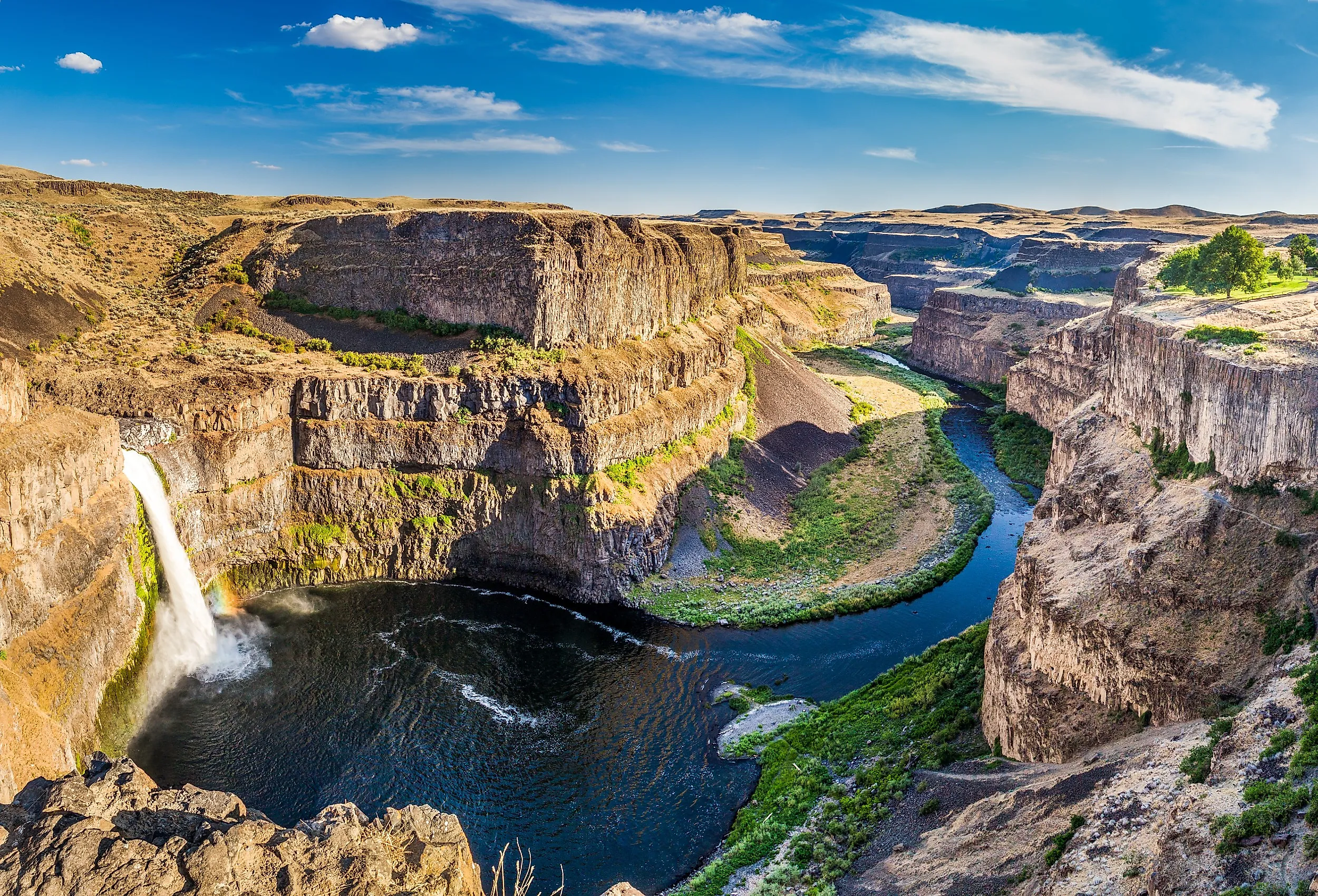
The Channeled Scablands of eastern Washington are an otherworldly landscape shaped by the cataclysmic Missoula Floods during the last Ice Age. These floods, occurring between 15,000 and 13,000 years ago, resulted from the periodic rupture of an ice dam holding back the former Glacial Lake Missoula. When the dam failed, monumental torrents of water (comparable to the combined flow of all the world’s rivers) rushed across the Columbia Basin at once, carving deep channels, dry cataracts, and vast basalt coulees in a relatively short period of time.
Now quite the desert, this rugged terrain spans thousands of square miles and includes features like Dry Falls, a former waterfall that dwarfed Niagara Falls, and the Grand Coulee, a massive canyon system on the mighty Columbia River (the site of the vital Grand Coulee Dam, too).
The Scablands are also home to numerous unusual rock formations, fossil beds, petrified forests, and erratic boulders transported by floodwaters that you can find if you can brave the vast, arid wildernesses of this region.

Today, sites like Sun Lakes-Dry Falls State Park, Palouse Falls, and Ginkgo Petrified Forest State Park are there to offer in-depth knowledge about the incredible geologic history of the Scablands, while also providing spots for hiking, photography, and camping.
Often overshadowed by the lush landscapes of the western Pacific Northwest, the Channeled Scablands are there for those looking for an uncorrupted, barren, yet scenic in its own odd way, destination to explore.
The Deserts of Eastern Oregon
Eastern Oregon is quite different from its western counterpart. Instead of lush coastal scenery, it features harsh, arid desert landscapes that experience extremely hot summers and have few human settlements. Nevertheless, some people appreciate its stark beauty. Here are a few standout locations where you can experience what this region has to offer.
Painted Hills

The Painted Hills of Oregon, part of the John Day Fossil Beds National Monument, showcase vibrant layers of red, gold, and black sedimentary rock. This eye-catching, hilly landscape was formed by changing climate conditions over millions of years, providing a glimpse into the region’s prehistoric story.
The area appeals to paleontologists, both professional and amateur, due to its rich stores of fossilized plants and animals, revealing evidence of ancient ecosystems that once thrived here. You can explore this landmark via short hiking trails, like the Painted Cove and Carroll Rim trails, for up-close views of the hills, and potentially find some new fossils along the way!
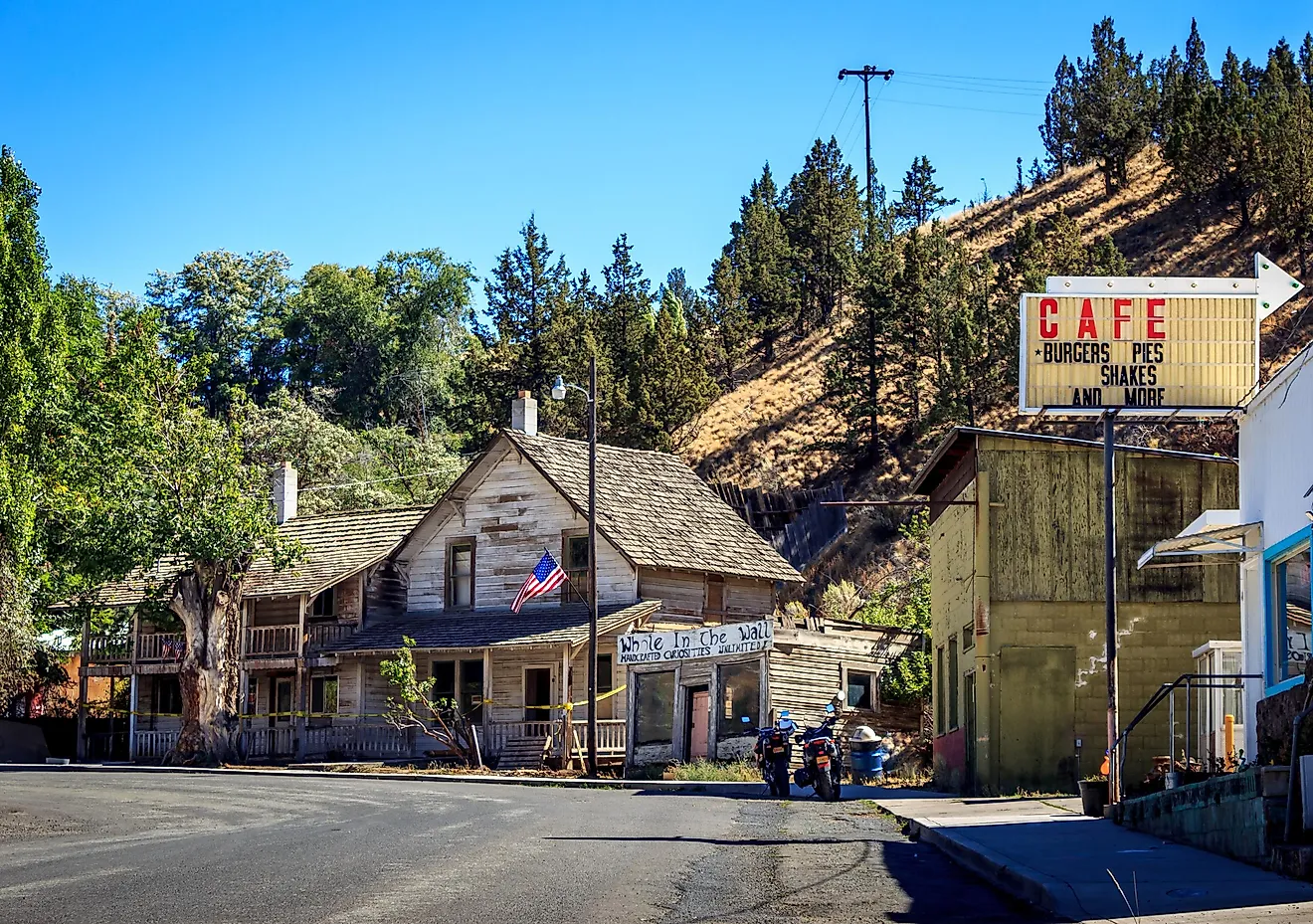
The closest town is the quaint community of Mitchell. Appearing to have not changed since the time of the Wild West, this one street town is home to fewer than 140 residents and truly feels like a step back in time. Be sure to grab a bite to eat and a cold drink at Tiger Town Brewing Co., and then check out the wooden false front shops nearby that look straight out of a cowboy movie.
Alvord Desert

The Alvord Desert is located in the far southeastern part of Oregon, near the Nevada border. This vast and remote playa is known for its stark and breathtaking landscape, which is unlike anything else in the state. The dry, cracked earth stretches for miles, creating a striking contrast with the nearby Steens Mountains. The desert's flat terrain has made it a popular site for staging automotive land speed records.
Once a lakebed, the area is almost entirely devoid of vegetation, except for sparse grasses and sagebrush. It is an ideal destination for those seeking solitude, offering stunning landscape photography opportunities and exceptional stargazing under incredibly clear night skies.
With minimal human development in the surrounding area, many visitors choose to camp overnight in and around the Alvord Desert. Dispersed camping is available at local spots like Frog Spring. Alternatively, visitors can stay at the Alvord Hot Springs Bath House & Campground, which features a natural geothermal spring and an adjacent soaking pool for relaxation.
Smith Rock State Park

Smith Rock State Park, located smack dab in the center of Oregon, is renowned for its towering stone walls and challenging rock climbing routes. The park’s iconic spires and lofty cliffs, primarily composed of volcanic tuff and basalt, rise sharply from the Crooked River and surrounding high desert.
It attracts climbers from around the world, with routes ranging from beginner to expert. Local hiking trails also offer top-notch views of this landmark, making it a favorite for a variety of outdoor enthusiasts.
This state park is a must-visit if you are in the nearby city of Bend, a recommended destination in its own right, with one of the highest concentrations of craft breweries in the United States.
Spokane

Spokane is the largest city in the eastern Pacific Northwest, with a population of around 230,000 and a metropolitan population of about 600,000. It is located along the Spokane River and developed into a major center for trade and industry in the late 19th century, driven by mining, timber, and the railroad.
Today, Spokane's historic downtown features preserved buildings, several notable cultural landmarks, and a strong connection to the stunning landscapes that surround it. Riverside State Park offers hiking, biking, and paddling opportunities, while nearby Mount Spokane provides year-round activities, including skiing in the winter. Additionally, the Centennial Trail follows the river and connects to Idaho, making it a renowned route for cyclists and long-distance hikers.
Nature is easily accessible, with Riverfront Park located in the heart of downtown. Created for Expo ’74, it remains a centerpiece of the city, featuring a network of scenic walking trails, the Spokane Falls SkyRide, and the iconic Pavilion, which serves as a venue for live performances.
Spokane also embraces local culture with institutions such as the Northwest Museum of Arts & Culture and the historic Fox Theater. Gonzaga University further enhances Spokane’s academic and athletic presence, attracting students and contributing to the city's vibrant atmosphere.
The Idaho Panhandle
The Idaho Panhandle is a densely forested area located in the northernmost part of the state. It stretches from the Canadian border down to the Clearwater River and is dominated by the Selkirk, Cabinet, and Bitterroot Mountains, which are part of the Greater Rocky Mountain range. This region is also home to numerous pristine lakes, including Lake Coeur d’Alene, Priest Lake, and Lake Pend Oreille. It is regarded as a primary gateway to a wide range of outdoor activities, offering abundant opportunities for hiking and skiing.
Coeur d'Alene

Coeur d'Alene is the largest city in northern Idaho, located just a short drive east of Spokane. It sits on the shores of the lake that shares its name and offers a wonderful lakeside getaway surrounded by mountainous terrain blanketed in pine forests. Originally a logging and mining community, Coeur d'Alene has transformed into a major outdoor and tourism destination. The lake is central to life in the area, providing boat launches, fishing spots, and scenic cruises operating from downtown.
On land, Tubbs Hill offers hiking trails with panoramic views of the water, while the 72-mile Trail of the Coeur d'Alenes attracts cyclists looking for extensive rides. Downtown features shopping areas, restaurants, and a variety of accommodations, including upscale lakeside hotels such as The Coeur d'Alene Resort.
Sandpoint

Sandpoint is another fantastic lake town to visit in the Idaho Panhandle. Seated on the shores of Lake Pend Oreille, the summer crowds flock here for boating, fishing, and swimming, while Schweitzer Mountain Resort is the place to go for skiing and snowboarding in the winter months. If 'swimming' caught your eye, but you are just visiting and not sure where to go for this, the Sandpoint City Beach Park is conveniently located near downtown and is surrounded by clean, sandy beaches that the public can enjoy.

Historic landmarks in downtown Sandpoint that are worth checking out include the historic Panida Theatre, a cool spot to catch a flick or a live performance just steps from the water that was built in 1927. On the other side of town is the Bonner County Historical Society & Museum, which houses archives, artifacts, and other exhibits dating back to the area's earliest settlements in the early 1800s.
Wallace

If you are interested in exploring the mountains of Idaho, Wallace is an excellent town to visit. Located in the Silver Valley, this small community is known for its well-preserved downtown and rich mining heritage. Once a major producer of silver, Wallace has maintained much of its 19th-century character, featuring brick buildings and museums such as the Wallace District Mining Museum along its downtown streets. Additionally, the Sierra Silver Mine Tour offers a firsthand look at the region’s former major economic driver.
Surrounded by the Bitterroot Mountains, Wallace provides easy access to hiking, skiing, and off-road trails. Nearby parklands, such as the Idaho Panhandle National Forest and the popular Lookout Pass Ski and Recreation Area, add to the town's appeal. Wallace is also a popular destination for mountain bikers and hikers, with the Route of the Hiawatha, a 15-mile trail that follows old railroad lines and winds through a series of tunnels in the nearby mountains.
Experience Another Side of the PNW
Break away from the norm and explore beyond the coastline during your next adventure in the Pacific Northwest. Capture photographs of vast deserts and endless oceans of grass, rather than the typical rain-soaked forests and coastal mountains. Along the way, visit memorable attractions in the eastern half of the region. Whether you explore cities like Spokane or get lost in its expansive wildlands, there is a surprising amount to see and do in this corner of the country; you just have to know where to look!