7 Cutest Small Towns In Gulf Coast To Visit
The Gulf Coast doesn't run short on small towns worth a long weekend. Biloxi pairs a working seafood scene with an 1848 lighthouse that has outlasted every hurricane thrown at it. Grand Isle keeps Louisiana's only inhabited barrier island within striking distance of the marina. Seaside built itself from scratch in the early 1980s around pastel houses and white picket fences. The seven towns below each carry their own pull. Pack the sandals.
Biloxi, Mississippi

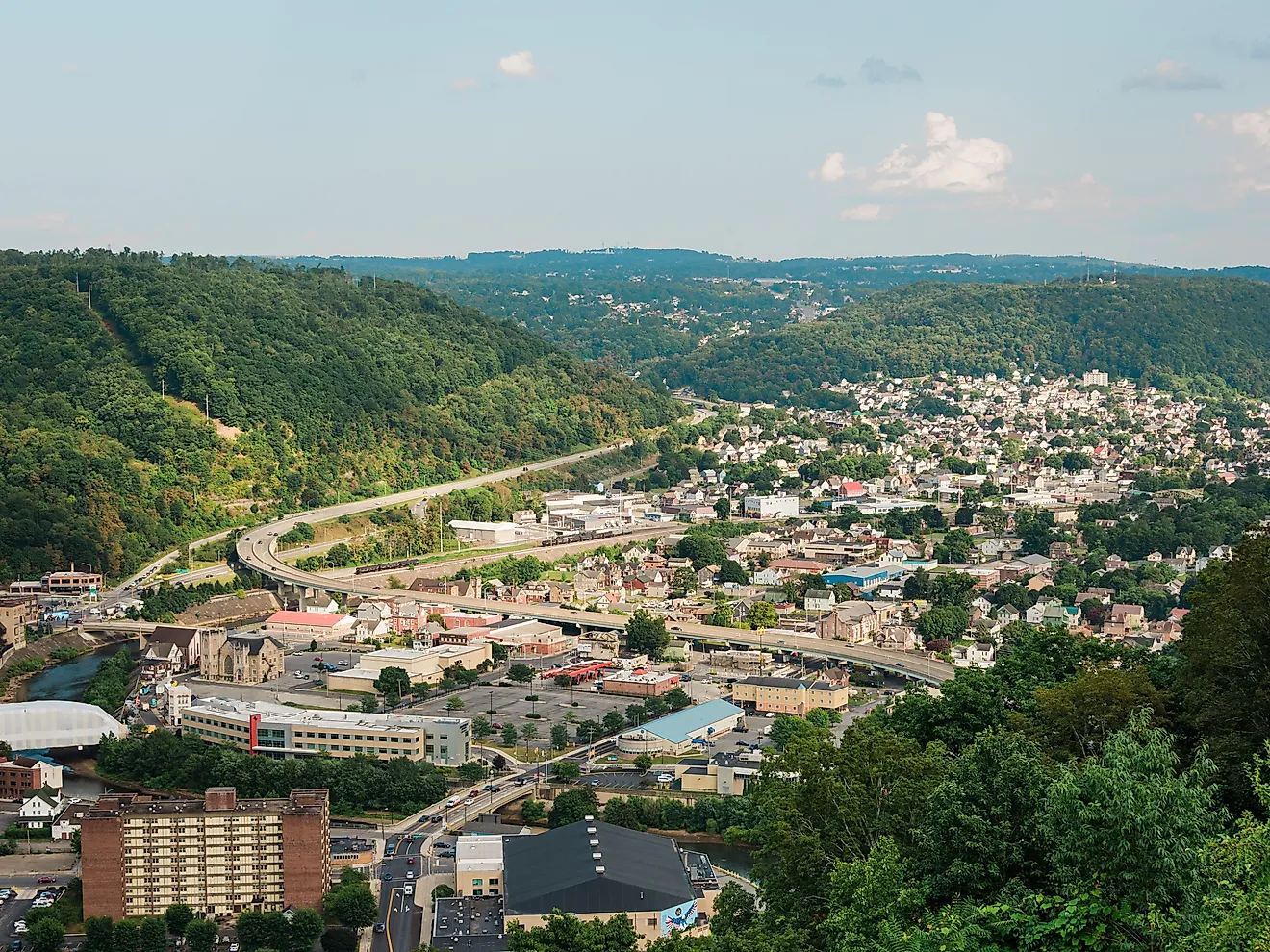
Biloxi sits on the Mississippi Gulf coast and traces its roots to French settlers who arrived in 1699. The town has been through Spanish and British rule, multiple major hurricanes, and the long working life of a seafood industry that still hauls in shrimp and oysters daily. The 1848 Mississippi coast lighthouse anchors the downtown shoreline of the Gulf of Mexico and runs guided tours to the top for one of the best views on the coast. Beauvoir, the post-Civil War home of Confederate President Jefferson Davis, has been restored along with its gardens and now operates as a museum. The Ohr-O'Keefe Museum of Art lives in a Frank Gehry-designed building dedicated to the work of self-taught potter George Ohr.
For dinner, The Reef draws families to a beachfront table for seafood and drinks, with Woody's Roadside next door for burgers and fish tacos. The Golden Nugget Biloxi handles the casino end of things, and Finishline Performance Karting keeps the kids moving. Crossing the Biloxi Bay Bridge at sunset has become the local Instagram shot. Mississippi joined the Union on December 10, 1817, as the country's 20th state, and Biloxi has been there for every chapter since.
Grand Isle, Louisiana

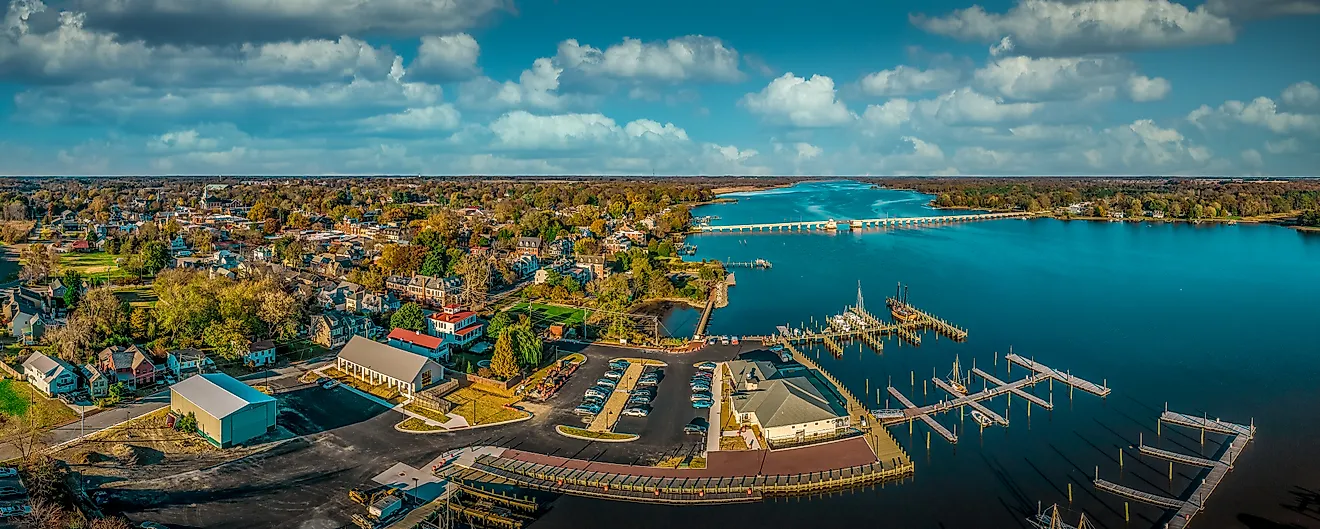
Grand Isle hangs off the southernmost tip of Louisiana as the state's only inhabited barrier island. The marina anchors one end, and Grand Isle State Park anchors the other. In between sits a narrow strip of beaches, oak groves, and salt marsh that has worked as an ecotourism destination for generations. Wake Side Cable Park handles the wakeboarding and kneeboarding scene from a cable system rather than a boat. The Grand Isle Birding Trail winds through coastal oak forest with strong resident and migratory bird populations, while the Butterfly Dome and Elmer's Island Beach pull double duty as wildlife refuge.
Offshore charters head out for tarpon, redfish, and speckled trout from spring through fall. Starfish Restaurant is the local seafood stop with a loyal repeat crowd. Grand Isle has weathered hurricane after hurricane and rebuilt every time, which is part of how the island defines itself.
Ocean Springs, Mississippi

Ocean Springs runs right next door to Biloxi but keeps an entirely different feel. Live oak-lined streets, cottage architecture, and a working arts scene set the tone. The town came back from Hurricane Katrina with its identity intact. The Walter Anderson Museum of Art handles the legacy of the regional artist whose name it carries, and Shearwater Pottery still operates as a working studio nearby. The Charnley-Norwood House from the late 19th century shows up on architectural tours, and the Mary C. O'Keefe Cultural Centre adds exhibitions and classes.
The Peter Anderson Arts & Crafts Festival, the state's largest fine arts festival, takes over downtown every November with hundreds of artists, food vendors, and live music. The Ocean Springs Art Association represents about 300 local artists out of its downtown gallery. Ocean Drive carries more than 200 independent shops, galleries, and restaurants across three entertainment districts, with go-cup-friendly streets that let visitors walk dinner into drinks. Murky Waters BBQ keeps the casual end of dining covered.
Orange Beach, Alabama

Orange Beach kept itself in fishing village mode well into the late 20th century before pivoting toward tourism, and the late arrival shows. The beaches stay less packed than neighboring Gulf Shores, just 7.5 miles up the road. Gulf State Park spreads across more than 6,000 acres of coastal Alabama with a fishing pier, nature center, and miles of public beach. The Hugh S. Branyon Backcountry Trail covers 28 paved miles through nine distinct ecosystems, including longleaf sand ridge, freshwater marsh, and coastal hardwood swamp. Sitting on a tri-county line gives easy access west to Perdido Key in Florida.
At the marina, the Wharf pulls together shopping, dining, and entertainment around its 112-foot Ferris wheel and the Wharf Amphitheatre. The Flora-Bama, straddling the Alabama-Florida state line, has run as a well-known beach bar since 1964 and still hosts live music every night of the week.
San José Island, Texas

San José Island, called St. Joe by locals, sits a short ferry ride from Port Aransas and runs almost entirely on wildlife management. Public access is restricted to the beaches, which is exactly what most visitors want. The island carries 21 miles of beaches that opened to the public after a long stretch as private property. No vehicles are allowed; the daily ferry from Port Aransas Fisherman's Wharf is the only way over. Anglers come for speckled trout, redfish, and flounder, with the rocky edges at North Jetty pulling some of the best saltwater fishing on the Texas coast.
Shell collectors come for lightning whelks, shark eyes, sand dollars, starfish, and angel wings. There are no restaurants or shops on the island itself. Dinner and a place to sleep both wait back across the water in Port Aransas, which is part of the appeal.
Seaside, Florida

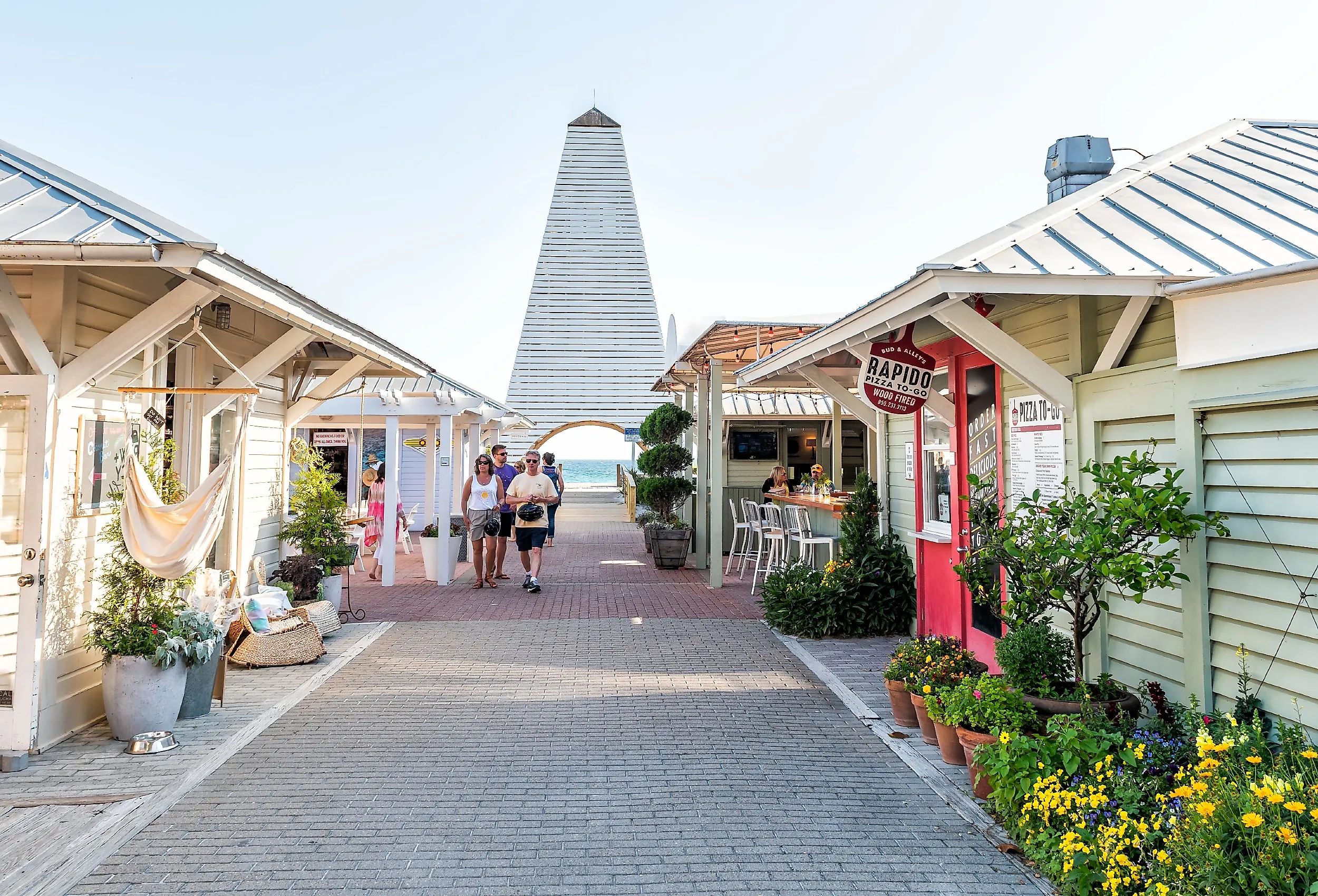
Seaside doesn't have centuries of history. The town was built from scratch in the early 1980s by Robert Davis and Andres Duany as a working model of New Urbanism: pastel-colored houses, white picket fences, walkable streets, and everything within walking distance of everything else. The Truman Show filmed here for a reason. The design encourages community interaction in a way most modern developments don't, and visitors notice the difference within a few blocks.
The Seaside Farmers Market runs Saturday mornings with produce, baked goods, and artisanal foods. Grayton Beach State Park sits next door with nature trails leading straight to Grayton Beach, regularly ranked among the best in the country. The town's Chapel handles dozens of weddings each year and stays open as a quiet stop for visitors not getting married.
Vilano Beach, Florida

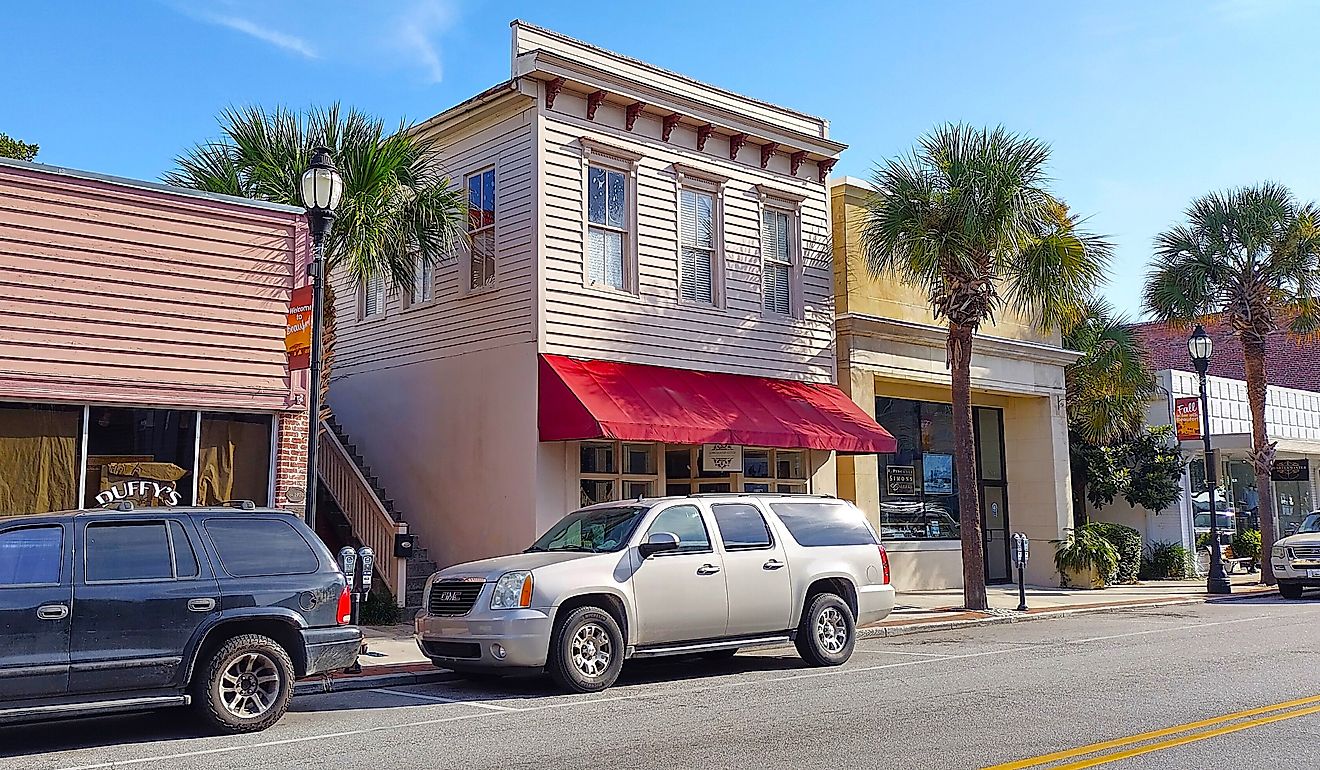
Vilano Beach sits across the inlet from St. Augustine's historic downtown and has worked as a local beach destination for more than two centuries. The Scenic and Historic Coastal Byway is the drive in, running through gopher tortoise habitat and a long string of protected coast. The Dolphin Bay Scenic Shuttle handles the short trip across the inlet between the public pier and St. Augustine Municipal Marina, which means visitors can leave the car behind. The Vilano Beach Pier over the Tolomato River pulls a steady sunset crowd looking back at St. Augustine.
Cap's on the Water, The Reef, and Kingfish Grill all sit on the water with outdoor seating. The Minorcan Clam Chowder is the local specialty, a peppery tomato-based broth tied to the Minorcan immigrants who arrived in Florida in 1768. Surfers work the waves to either side of the pier, and beach access stays uncrowded compared to anything further south.
Where Cute Meets the Coast
The Gulf Coast doesn't have to mean spring break and resort crowds. The seven towns above each carry something specific. Biloxi's lighthouse and seafood history. Grand Isle's barrier-island quiet. Ocean Springs' art scene. Orange Beach's trail-and-beach combination. San José Island's wide-open sand. Seaside's planned-town aesthetic. Vilano Beach's quieter pier-and-byway pull. Any one of them works as a long-weekend base, and the closer ones cluster well for a two-stop trip.