What Happens To A Forest When The Beavers Leave
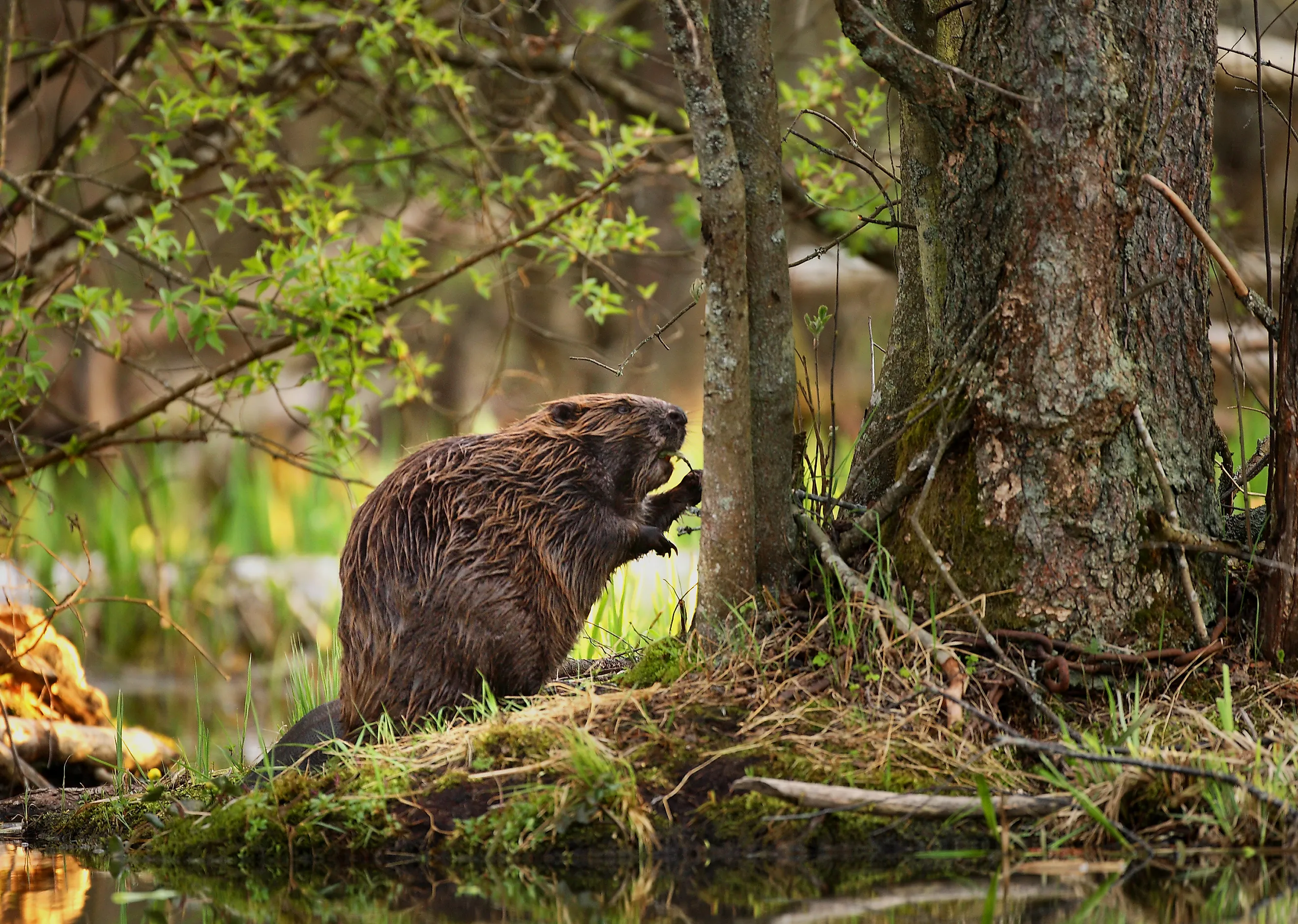
For decades, beavers have been called "nature's engineers" because a single family can transform a small stream into a network of ponds, wetlands, and meadows. But when those engineers disappear, the changes go far beyond the dams falling apart. Entire sections of a forest can change over the following years as water drains away, wildlife moves on, and wildfire risk can increase in places that were once naturally wetter. Across many U.S. national forests, land managers are learning that the absence of beavers can reshape an ecosystem almost as dramatically as their arrival.
Unlike national parks, which are managed largely for preservation, national forests are working landscapes overseen by the USDA Forest Service for many overlapping uses. That makes the ecological role of beavers especially important, because the return or loss of a single species can influence the health of an entire watershed.
Beaver Dams Slowly Fall Apart

Once the site is left, the beaver work stops immediately. The flowing water washes away the vegetation, mud, and sticks in their dams, so beavers constantly repair their dams. Without new material, the structure distends, and parts of it collapse, and water flows through it rather than pooling behind it.
Some dams fail within a year, while others remain partially intact for several years depending on their size, construction, and the force of seasonal floods. As ponds drain, the shoreline recedes, and exposed mudflats begin drying into meadow habitat.
This transition can happen gradually enough that casual hikers may not notice until they revisit the same location years later. Where there once was an open pond surrounded by willows, there may be a grassy clearing, and only hints of the former wetland can be seen from the air.
Wetlands Begin To Dry

The biggest difference is there's no standing water. Beaver ponds slow the flow of streams so that water is spread across floodplains and soaked into surrounding soils. These create wetlands that remain moist for much of the year, even in dry summers.
When the dams have gone, streams often run through old pond beds. Water moves faster downstream and is not stored across the landscape. The soil dries out, seasonal pools disappear, and aquifers can be lowered.
These changes don't just affect a local pond. Water used to flow to the nearby forests, providing life to the trees, shrubs, wildflowers and countless smaller organisms. And without this constant supply of moisture, the vegetation around it begins to change as well.
Wildlife Loses Critical Habitat

Beavers create habitat for hundreds of other species.
Amphibians such as frogs and salamanders depend on shallow wetlands for breeding. Ducks, geese, and herons feed in the ponds. Fish often like deeper pools that stay cool in the summer heat. Beaver-created wetlands benefit dragonflies, turtles, muskrats, river otters, and a host of aquatic insects.
As ponds disappear, many of these animals relocate if suitable habitat exists nearby. Species that require permanent wetlands may disappear from the area entirely.
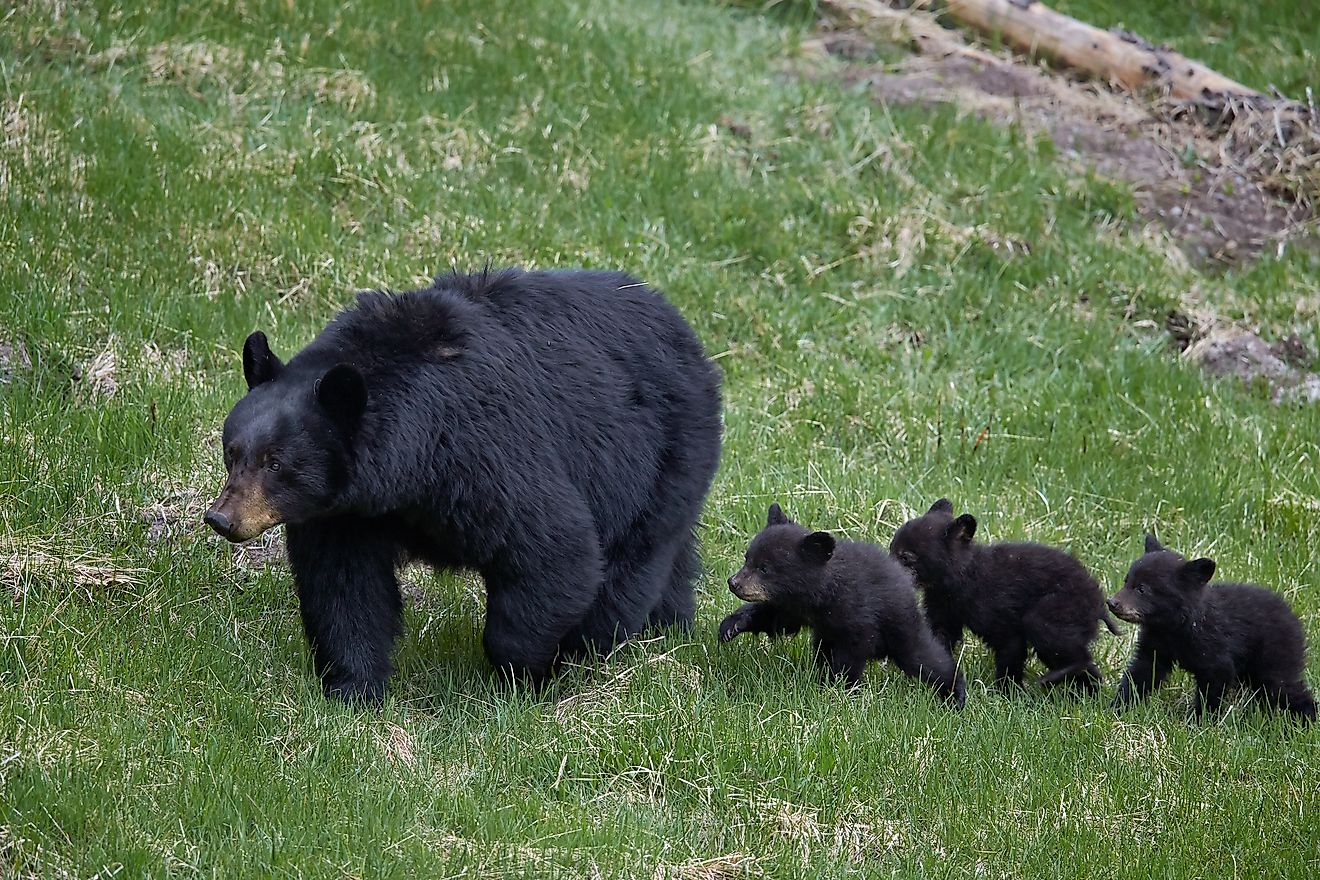
Even large mammals feel the effects. Moose often browse the young willow and aspen that grow around beaver ponds, and deer and elk graze the lush wet meadows. These productive habitats also attract prey species that are hunted by predators such as wolves, coyotes, bears, and mountain lions.
Forest Vegetation Changes

Beavers may cut down trees, but they also let new plants grow. Flooded soils support willows, cottonwoods, aspens, sedges, and other moisture-loving plants. As ponds dry out, those species are progressively replaced by grasses, shrubs, or trees that are more suited to drier conditions.
Former pond bottoms can remain productive wildflower meadows for years before trees eventually take over. The open areas are valuable habitats for pollinators and grazing wildlife, and the species mix is different from the wetland community that was there before.
Beavers move out and set up shop somewhere else, and over decades, forests cycle through wetlands, meadows, and woodlands.
Streams Become Faster And Narrower

One of the less obvious changes happens within the stream itself.
Beaver dams impede the rapid flow of water, resulting in the natural release of sediment behind the dam. They possess complex, expansive streams that include islands, side pools, and a diverse array of habitats.
Without dams, the water will move the sediment downstream, and the streams tend to become narrower and deeper. Water in motion moves faster and flushes out gravel, organic matter, and nutrients held in ponds.
For fish, this can mean fewer slow-water refuges during drought and fewer overwintering pools in colder climates.
Wildfire Can Become More Severe
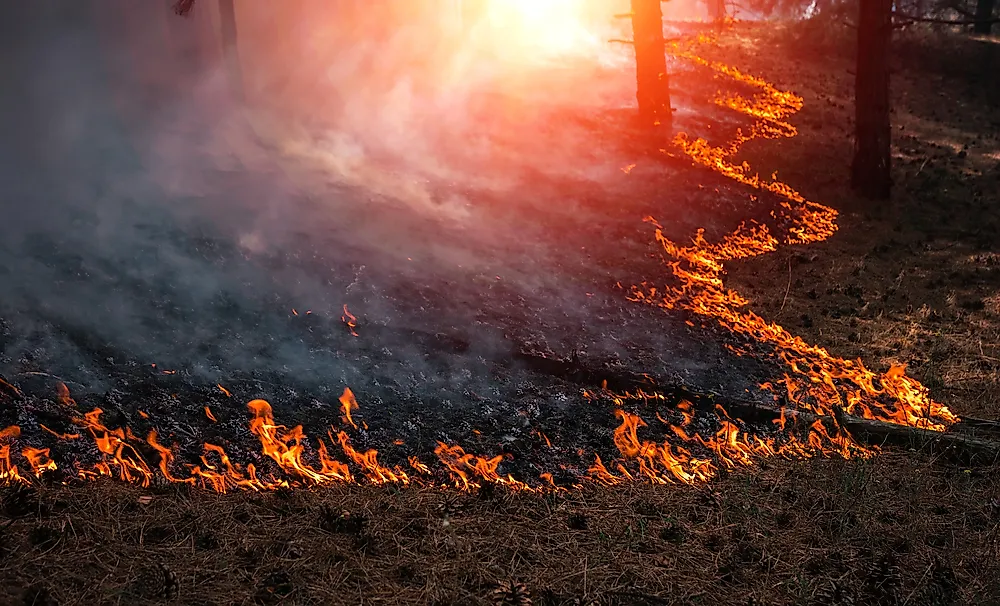
Fire is a part of the ecology of many forests in America, and the USDA Forest Service manages landscapes for that ecological reality. Research has found that in some places, beaver wetlands can buffer the effects of wildfires by creating patches of moist vegetation that are less likely to burn completely.
Even during large wildfires, green strips surrounding active beaver ponds have sometimes remained relatively intact while nearby uplands burned more severely.
When beavers leave and wetlands dry out, that natural source of moisture gradually disappears. Streams shrink, surrounding vegetation becomes drier, and landscapes may lose some of the natural fire breaks that wetlands provide.
That does not mean beavers prevent wildfires, but their engineering can increase landscape resilience by storing water across forested watersheds.
Water Storage Declines During Drought

One of the often overlooked benefits of beaver ponds is their ability to naturally store water. Dams prevent water from rushing downstream after a rain or snowmelt, thereby enabling it to gradually percolate into the soil. This process recharges ground water and maintains streamflow later in the season.
When dams disappear, spring runoff often moves downstream more quickly. During dry months, streams may become shallower because less groundwater is available to feed them.
In many western national forests where drought has become more common, restoring beaver habitat has become part of broader watershed restoration efforts aimed at improving long-term water availability.
Forest Managers Sometimes Help Beavers Return
Because of their ecological value, some land managers now actively encourage beaver recovery.
Beavers establish long-term colonies, so restoration projects tend to focus on restoring stream conditions rather than moving animals. Managers may also install temporary structures called beaver dam analogs that slow water and promote beaver colonization where natural recolonization is less probable.
These projects can improve fish habitat, improve groundwater storage, restore wetlands, and create more resilient forest ecosystems without supplanting the long-term work done by living beavers.