11 Most Charming Towns on the Atlantic Coast
Some of the most charming small towns in the country line the Atlantic coast. Most never outgrew their harbors. Camden still moors a windjammer fleet at the foot of Main Street. Cape May wears Victorian porches up every side street. The draw is the same all along the shore, a working waterfront and a downtown small enough to walk end to end.
Bar Harbor, Maine

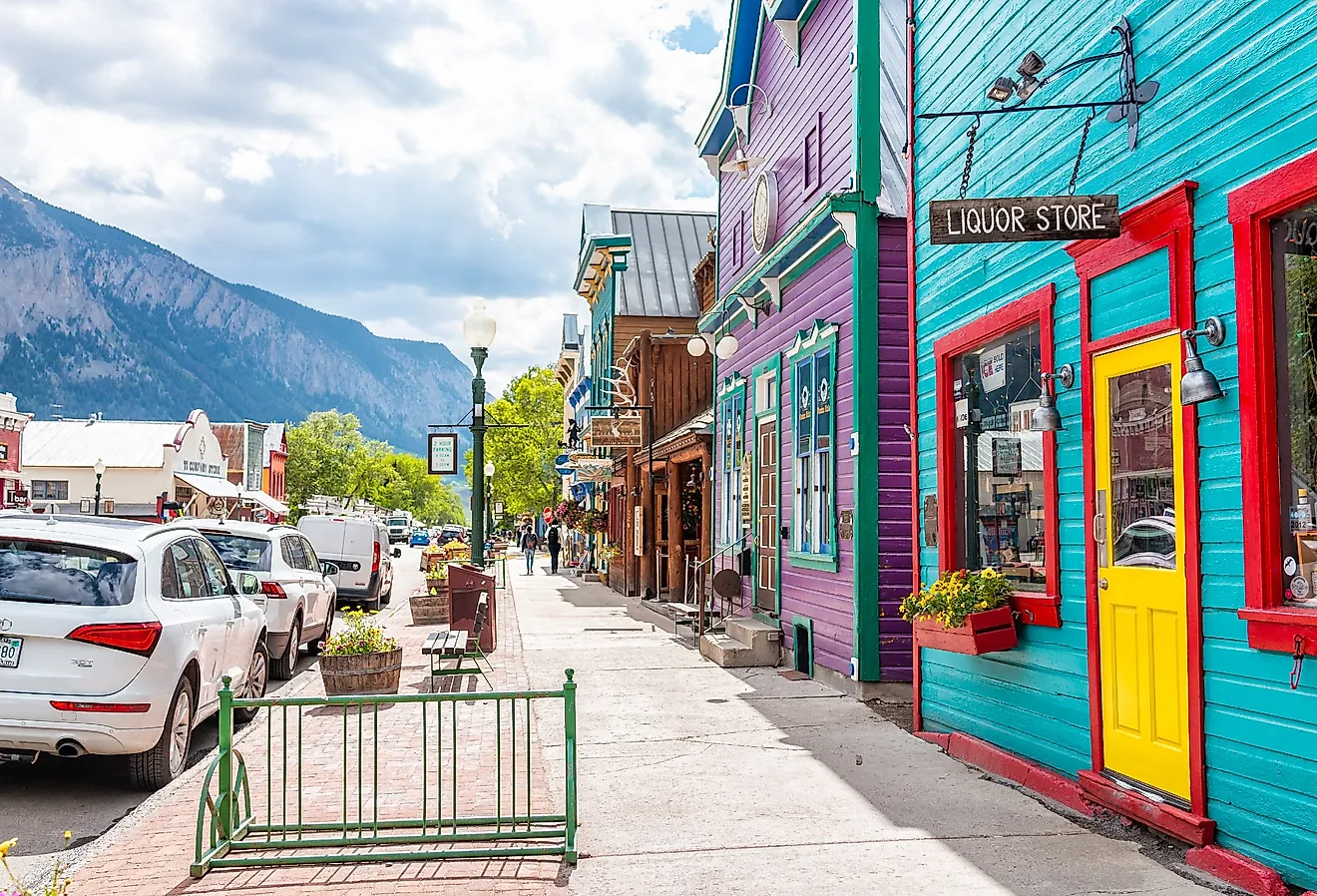
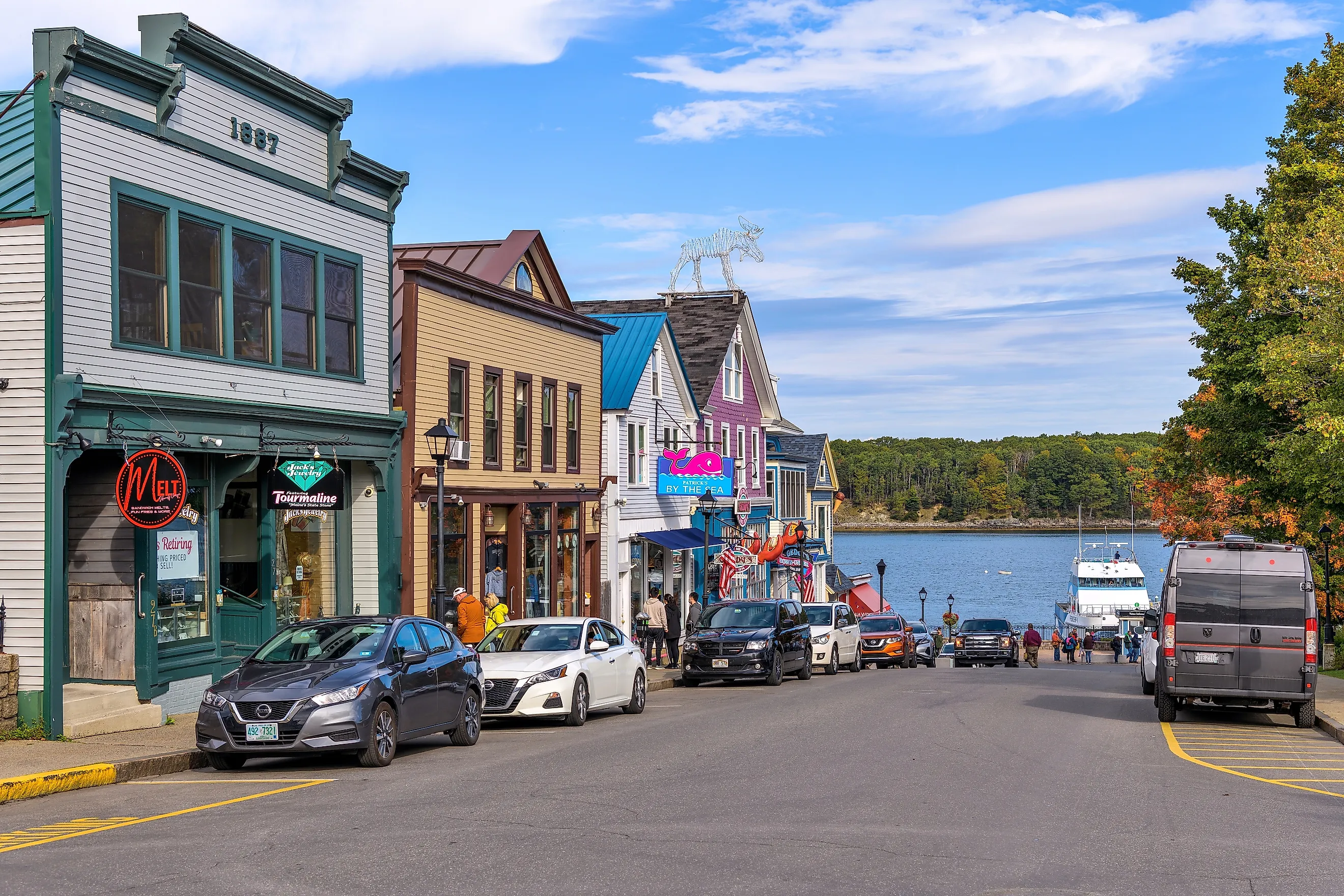
Bar Harbor wraps around Frenchman Bay on Mount Desert Island. Painted storefronts in red and blue face the water. The Village Green still has its old gazebo and iron lamp posts. The town grew up as a summer colony for wealthy rusticators in the late 1800s. A 1947 fire burned through most of the grand cottages along the bay. Few were rebuilt. The town turned to its harbor and its summer visitors instead. Most plates still arrive with something pulled from the bay that morning.

At low tide a gravel bar surfaces just north of the West Street pier. It opens a walking path across to Bar Island. The water comes back and closes it again. Anyone heading over checks the tide table first. The island trails climb to overlooks of the harbor. Acadia National Park reaches the edge of town. Its carriage roads and granite summits stand minutes from the downtown storefronts.
Camden, Maine

Penobscot Bay does the heavy lifting in Camden. Windjammers tie up at the foot of Main Street. Beach roses grow in the dooryards below white-steepled churches. The 1894 opera house still books shows. Restored brick blocks downtown house the shops and restaurants. Boat owners passing through dock for a night. Many come back the next summer.

Camden Hills State Park climbs the ridge just north of downtown. A short walk up Mount Battie reaches the summit. A teenage Edna St. Vincent Millay put that view into her poem Renascence. A plaque at the top marks the spot. Three miles west, the Camden Snow Bowl drops ski trails down Ragged Mountain. It is the only place on the East Coast with an ocean view from the slopes.
Chatham, Massachusetts

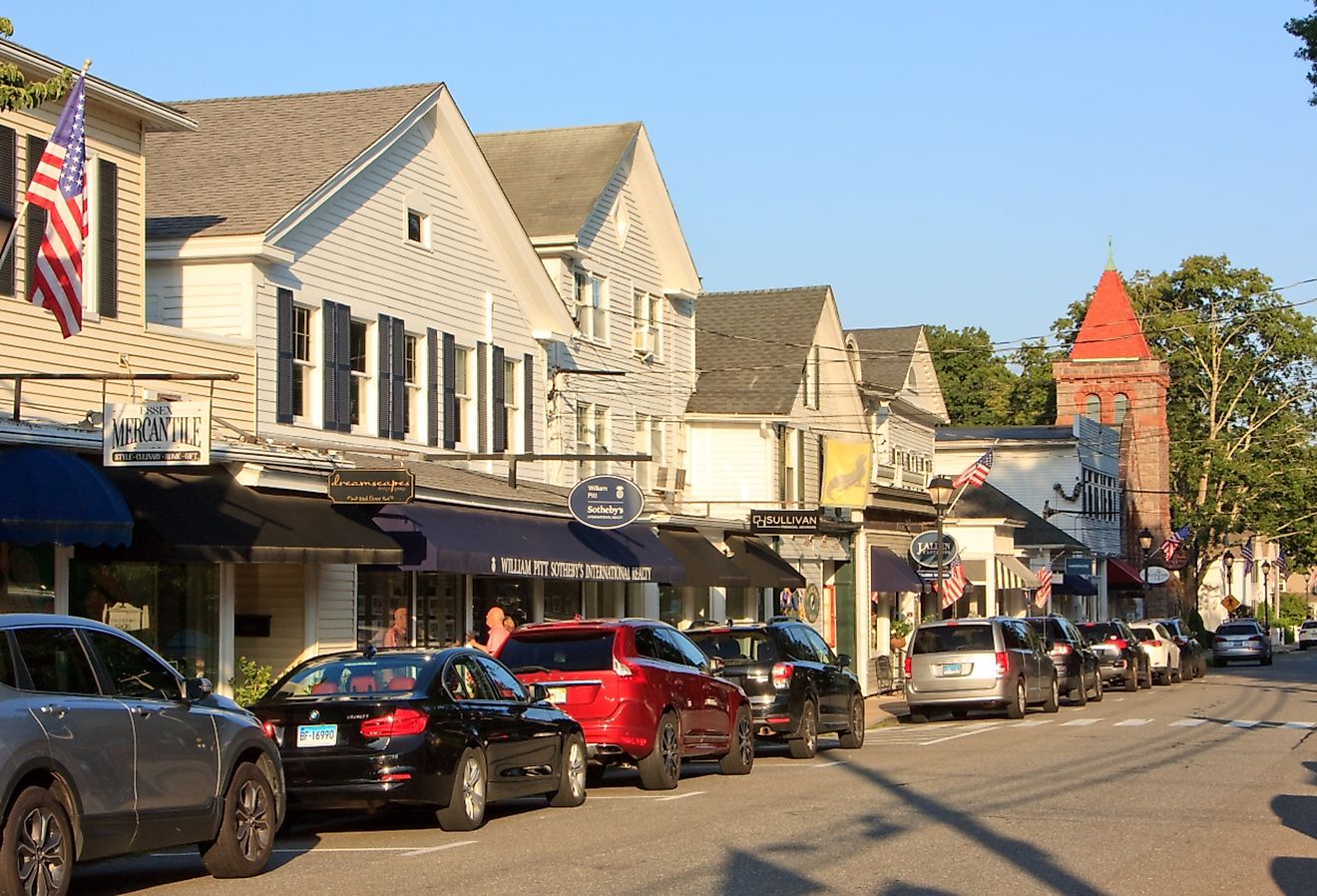
Chatham marks the elbow of Cape Cod. The Atlantic meets Nantucket Sound here. English settlers founded the town. They named it for Chatham in Kent, England. Eighteenth-century houses and old storefronts line a walkable Main Street. Every afternoon the boats come in with the catch. A crowd gathers on the fish pier observation deck.

Seals are the other draw at the pier. Gray and harbor seals haul out on the Monomoy sandbars offshore. At unloading time they crowd below the docks for scraps. The Monomoy refuge reaches south from Chatham across a chain of barrier islands. Migrating shorebirds depend on them. North of town, the Cape Cod National Seashore begins near the Chatham line. It continues about 40 miles up the Outer Cape to Provincetown.
Edgartown, Massachusetts

Whaling money built Edgartown, one of New England's old seaports. Sea captains put up white Greek Revival and Federal houses. They still line the streets on the eastern side of Martha's Vineyard. Brick sidewalks and old lamp posts make the tight downtown easy to walk. The harbor turns busy all summer. Megayachts park just offshore.

Across the harbor lies Chappaquiddick. The only way over is the On Time, a little three-car ferry. It follows no fixed schedule, so by its own logic it can never be late. The minute-long crossing lands near the Wasque reserve on the island's southeastern tip. Storms and tides constantly reshape the beach there. Back on the Vineyard side, the Felix Neck sanctuary protects woodland and salt marsh along Sengekontacket Pond. Mass Audubon maintains the trails and leads kayak tours.
Newport, Rhode Island

Newport made its name in the Gilded Age. The wealthiest families in America built summer mansions on Aquidneck Island in the late 1800s. Many open for tours, the Breakers among them. HBO filmed part of its Gilded Age series inside several. Down at the water, Bowen's Wharf packs an old waterfront with shops and restaurants.

Locals call Easton's Beach the First Beach. It has a vintage carousel and a small aquarium. The snack stands sell fried clams on the sand. The Cliff Walk traces 3.5 miles of shoreline between the open Atlantic and the mansion lawns. Fort Adams guards the harbor mouth from a stone fort of the early 1800s. Its lawns host the jazz and folk festivals each summer.
Cape May, New Jersey

Cape May is one of the country's oldest seaside resorts. The whole town is a National Historic Landmark, with one of the largest collections of 19th-century houses anywhere. Washington Street downtown closes to cars and becomes a pedestrian mall. A bandstand still plays at the center. Painted gingerbread trim wraps porch after porch on the side streets.

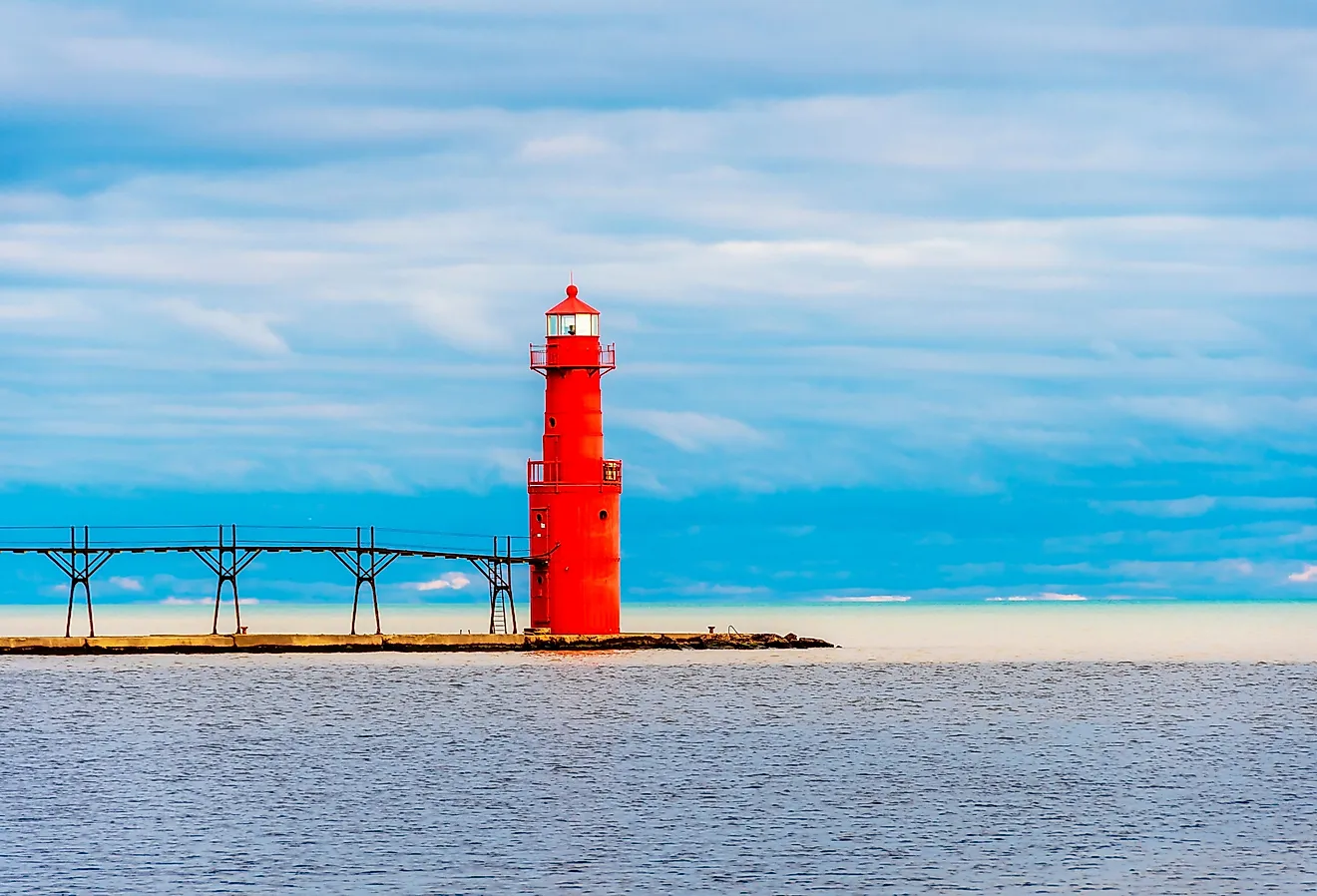
Each fall the town turns over to the birders. Hawks and songbirds funnel down the peninsula and pause before the open crossing of Delaware Bay. The Cape May Lighthouse marks the point inside the state park. Down at Sunset Beach, people comb the sand for the clear quartz pebbles known as Cape May diamonds. Just north, the Cape May National Wildlife Refuge protects habitat for several scarce nesting species.
Chincoteague, Virginia

Chincoteague calls itself Virginia's only resort island. It lies between Wallops and Assateague on the Eastern Shore. The wild ponies are the reason most people know the name. A 1947 children's book, Misty of Chincoteague, made them famous far beyond it. Local legend ties the herd to survivors of a Spanish shipwreck. The salty oysters off these waters have a name of their own.

A short wooded trail leads to the Assateague Lighthouse. The red-and-white tower has marked the coast since the 1860s. Its light still reaches nearly twenty miles out. The pony herd grazes within sight of the boardwalks. Beyond the dunes, the refuge protects the Virginia end of Assateague Island. It has been nesting ground for migratory birds since 1943.
Beaufort, North Carolina

Blackbeard ran his flagship aground off Beaufort in 1718. Divers found the wreck of the Queen Anne's Revenge nearby. The town's maritime museum displays what they raised. Beaufort dates to 1709, the state's third-oldest town. Locals call it Beaufort-by-the-sea. Nicholas Sparks set two novels here, A Walk to Remember among them. The historic district downtown preserves homes from the 1700s and 1800s.
Wild horses roam the marsh and tidal flats of the Rachel Carson Reserve. The island lies just offshore, reachable only by boat. People paddle across by kayak or skiff, often within sight of the Front Street waterfront. Up the coast in Carteret County, Fort Macon guards the inlet from a restored pre-Civil War fort. A swimming beach is right beside it.
Beaufort, South Carolina

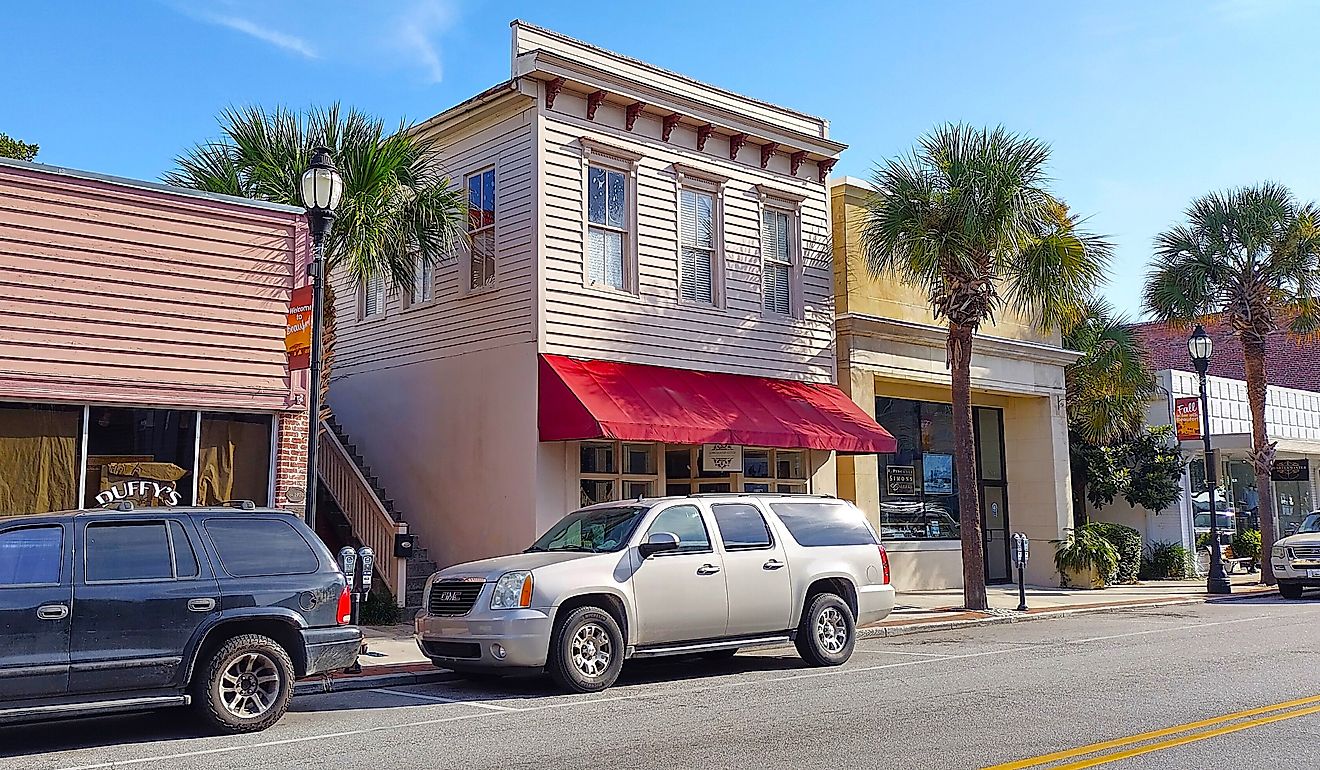
Hollywood discovered Beaufort, South Carolina, decades ago. The Big Chill and Forrest Gump both used the town as a backdrop. It spreads across Port Royal Island in the Lowcountry. An open boardwalk and waterfront restaurants line the Beaufort River. The town was chartered in 1711. Only Charleston came earlier among the state's cities.

The historic downtown is full of antebellum mansions and live oaks hung with Spanish moss. Several former plantation houses open for tours. The Cypress Wetlands carry boardwalks through a moss-draped swamp at the center of town. Alligators and wading birds live a block from the streets. The Beaufort River Blueway leads paddlers out through the marsh toward Port Royal. It is some of the quietest water in South Carolina.
Brunswick, Georgia

Brunswick works for a living on Georgia's southern coast. It is the mainland port behind the Golden Isles. Shrimp boats still unload along Bay Street. The docks once earned the town an old nickname, the shrimp capital of the world. Downtown follows a formal grid like Savannah's. The squares still carry their colonial names. A clock tower stands over the whole grid.

The Golden Isles are Brunswick's front yard. Four barrier islands lie a causeway away, including St. Simons and Jekyll. Jekyll spent decades as a winter retreat for Gilded Age families like the Morgans and Rockefellers. The old clubhouse and cottages still stand as a National Historic Landmark district. The shrimp docks and the island mansions tell the same coast two different ways.
St. Augustine, Florida

The Spanish founded St. Augustine in 1565. It is the oldest continuously occupied European-settled city in the United States. The Castillo de San Marcos still overlooks the inlet. Workers finished the coquina fort in the 1690s. Narrow lanes and balconied houses show Spanish and British influence. The whole old quarter is compact enough to walk.
The Fountain of Youth Archaeological Park marks the spot some tie to Ponce de Leon's landing. The claim is more legend than record. Visitors still line up to taste the spring water, sulfur smell and all. Across Matanzas Bay on Anastasia Island, Anastasia State Park protects four miles of Atlantic beach. Dune trails lead back from a paddling lagoon.
The Coast Wears It Well
Water and time tie these places together. Bar Harbor sends lobster boats out past Acadia's granite. Newport opens its Gilded Age mansions along the Cliff Walk. Chatham's fish pier gets busy when the day boats come in. Edgartown's whaling houses stand white against the harbor. Down south, Brunswick's shrimpers work Bay Street. Beaufort hides alligators in its Lowcountry marshes. The houses are old. The harbors still earn their living. That is the whole appeal.