Which State Spends The Most On Its State Parks?
Every state has state parks, but they treat them very differently in the wallet. Some states lavish money on their parks like a proud parent funding a gifted child's every hobby. Others run them like a stingy landlord who lets three voicemails go by before fixing the sink. So which state actually spends the most keeping its parks running? The headline answer is refreshingly simple. The fine print, as always with government money, is where things get gloriously nerdy and a little bit funny.
The Big Spender: California

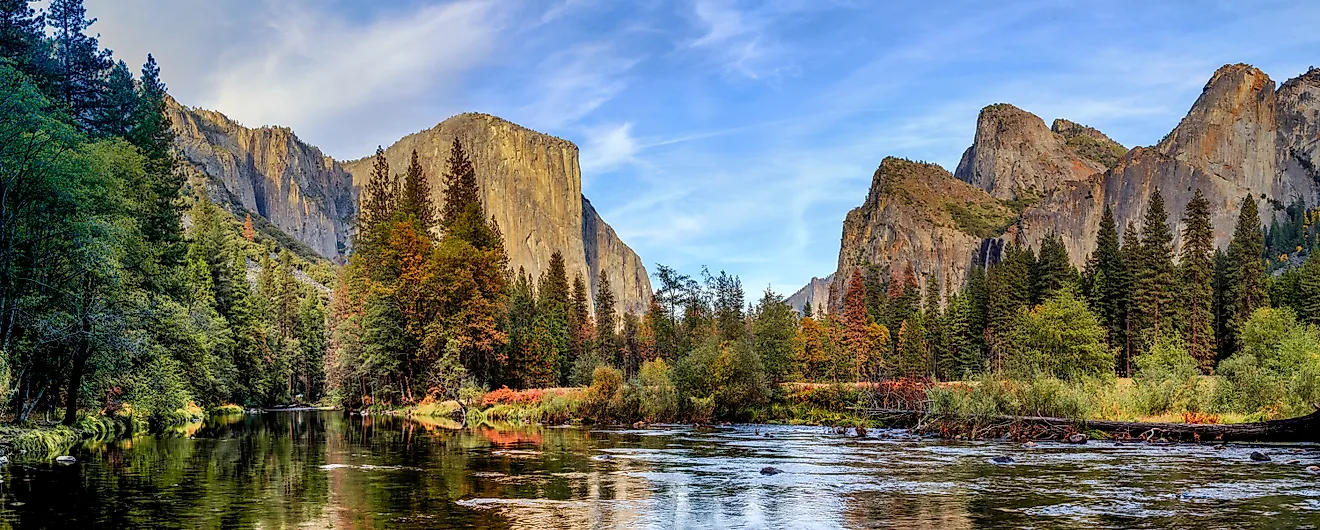
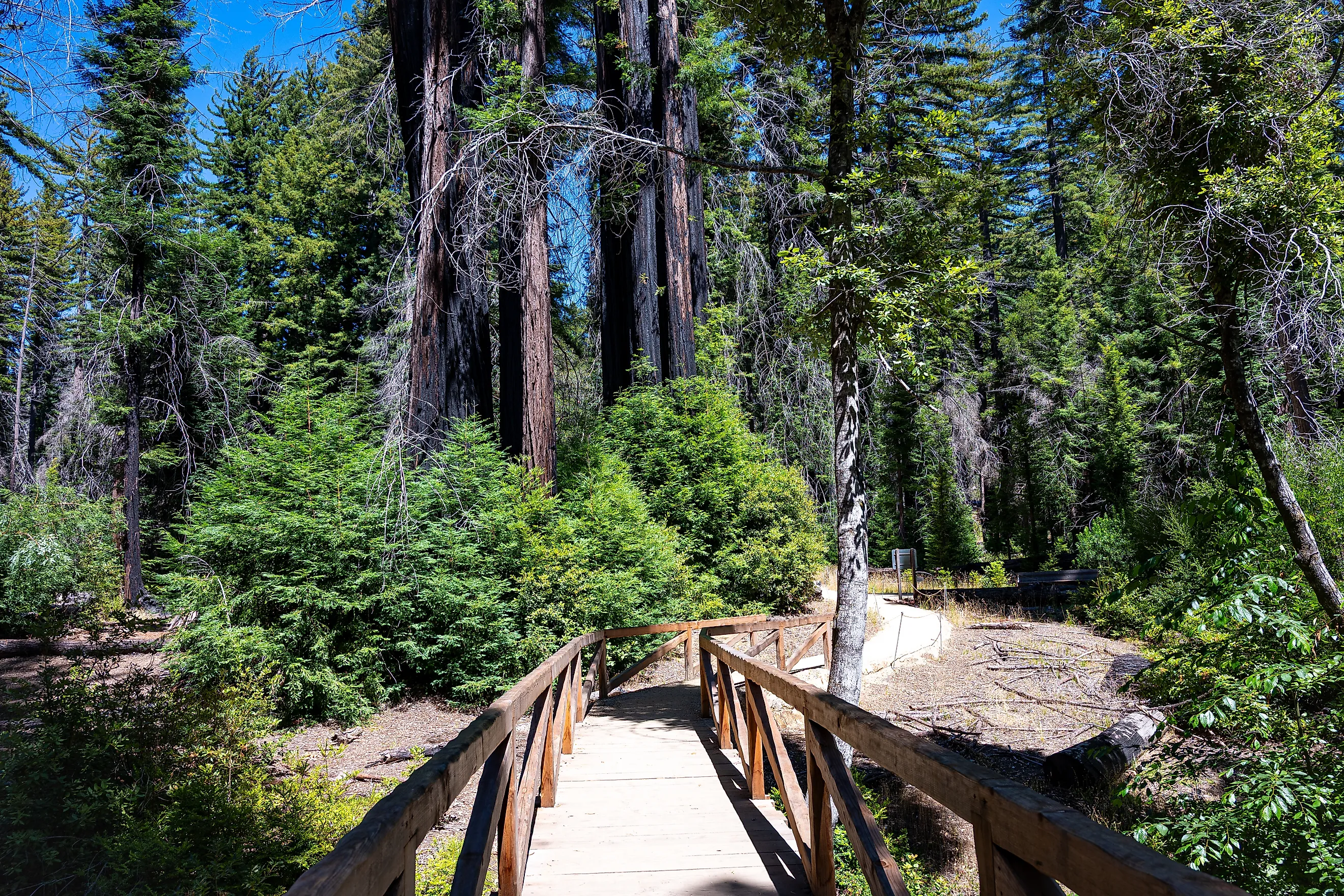
Let us not be coy: the answer is California, and it is not particularly close. The Golden State runs the largest state park system in the country, roughly 280 parks sprawling from redwood cathedrals to desert badlands to Pacific beaches, and it spends more on that system in total dollars than any other state by a wide margin. In one detailed analysis, California's park operating budget came in at about four and a half times the size of Texas's, and Texas has the second-most park acreage in the lower 48. When you run the biggest, busiest, most sprawling park empire in America, the bills add up to match. California spends the most, full stop. Case closed.
Except "The Most" Is a Trick Question

Here is where the smug case-closed energy falls apart. California spends the most in raw dollars, sure, but ask the question a slightly different way and it tumbles down the rankings. Measured per resident, or per acre of parkland, California is merely middle of the pack. It turns out that when you have got 39 million people and a single desert park the size of a small country, your enormous budget suddenly looks a lot less enormous divided up. So "spends the most" is technically California and also completely depends on what you mean by "most." It is the state park equivalent of the tallest person in the room insisting they are also the fittest.
The Usual Suspects

The rest of the big-money leaderboard is about as surprising as a sunrise. After California, the top total spenders are Florida, New York, Illinois, and Texas, which happen to be five of the six most populous states and the five largest economies in the country. Shocking, we know: the states with the most people and the most money spend the most money. Parks funding, it turns out, mostly just follows the population and the tax base. Big state, big budget, big parks department. There is no secret sauce here, just a lot of taxpayers and a lot of ground to mow.
The Per-Capita Plot Twist

Flip to spending per person and a completely different cast takes the stage. Smaller states, especially the mountain and plains states like Colorado, Nevada, Wyoming, and North Dakota, often spend far more per resident than the big population centers do. The logic makes sense once you think about it: a state with wide-open scenery and not many people has both a lot of parkland to look after and comparatively few taxpayers to split the bill. For many of these places, pouring money into parks is not charity, it is an investment, because gorgeous scenery is what lures visitors and their vacation dollars across the state line.
The Efficiency Champion

Now for California's redemption arc. Yes, it spends a fortune overall, but it also serves a genuinely staggering number of visitors, which makes it weirdly efficient where it counts. In that same analysis, the cost of serving a single park visit worked out to roughly $5.70 in California, versus around $10.30 in Texas. In other words, California is the Costco of state parks: the total bill is jaw-dropping, but the price per customer is a bargain because the place is absolutely packed. Spending the most and spending the most wisely are not the same thing, and on the second measure, the crowds do California a big favor.
The States That Make Their Parks Pay Rent

Here is the genuinely wild one. In a typical year, entrance fees, camping fees, and park passes cover only about a third of the average state's park operating costs, with taxpayer general funds and dedicated pots of money making up the rest. But not everywhere. Roughly eleven states receive no general fund money for their parks at all, which means those parks have to essentially earn their own keep through the turnstile. No paying customers, no operating budget. It is a brutal little business model that turns every campsite reservation and day-use fee into a survival payment, and it explains why a locked pay station in some states feels less like a suggestion and more like a threat.
So Where Does It All Actually Go?

Even the biggest budget disappears fast, because parks are shockingly expensive to simply keep standing. The money goes to rangers and staff, to mowing and trash and utilities, and above all to the endless, thankless job of maintaining roads, bridges, boardwalks, and bathrooms that an army of visitors slowly destroys. This is why even a big spender like California has wrestled with a deferred maintenance backlog running into the billions of dollars, a mountain of crumbling infrastructure that its huge budget still cannot fully catch up on. Spending the most, it turns out, does not guarantee the restroom at your favorite trailhead actually works. It just means someone is losing sleep over it.
The Verdict
So, which state spends the most on its state parks? California, comfortably and by a mile, at least when you tally the raw dollars. But the fun of this question is how quickly "the most" dissolves the moment you change the yardstick, handing the crown to a small mountain state on a per-person basis, or to a scrappy fee-funded system that squeezes miracles out of pocket change. The real lesson is that a state park budget is less a bragging right than a balancing act, a constant scramble to keep gorgeous places open, safe, and staffed. The best-funded parks are not always the biggest spenders. They are the ones that spend it well.