8 Main Streets Where Upstate New York Comes Alive
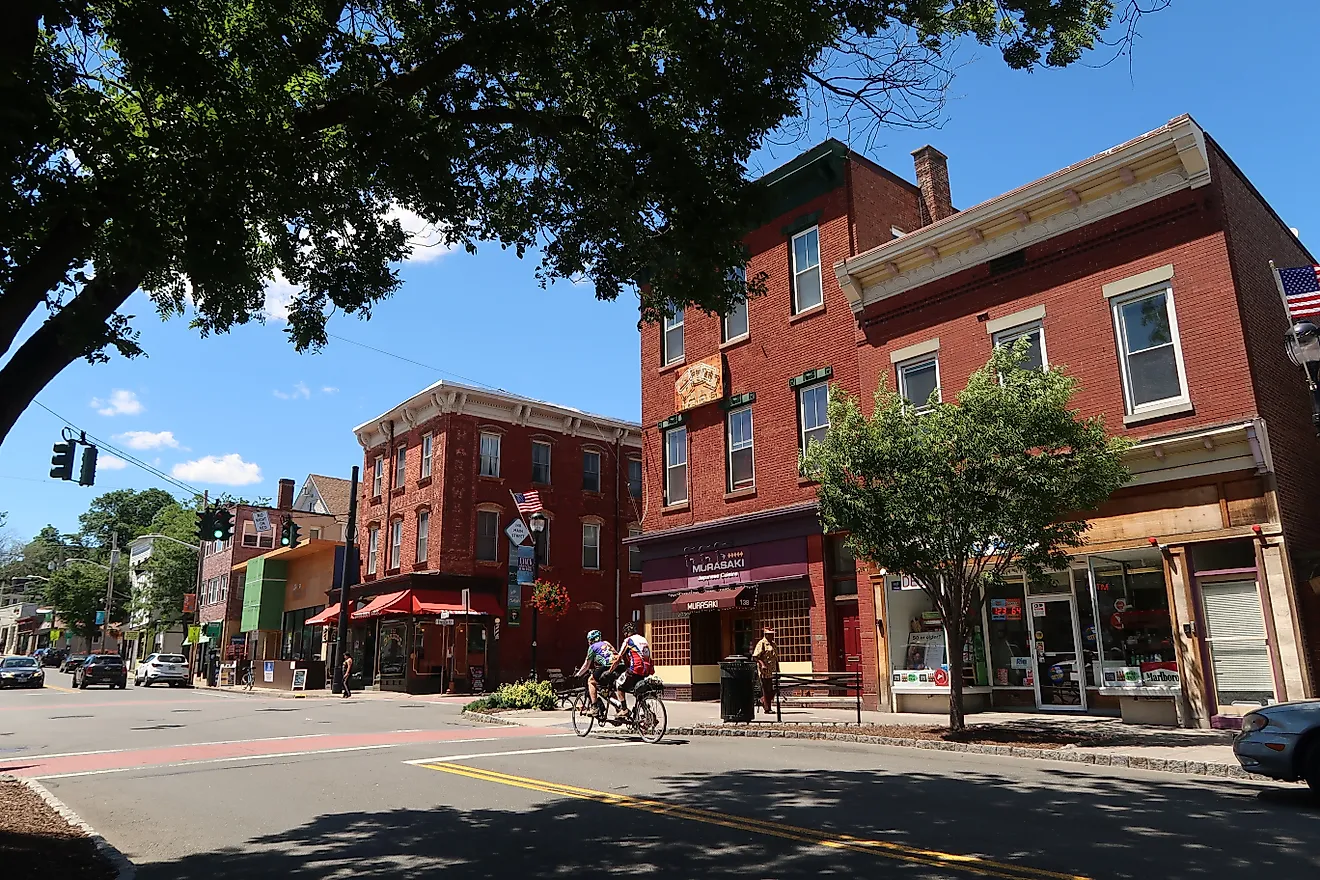
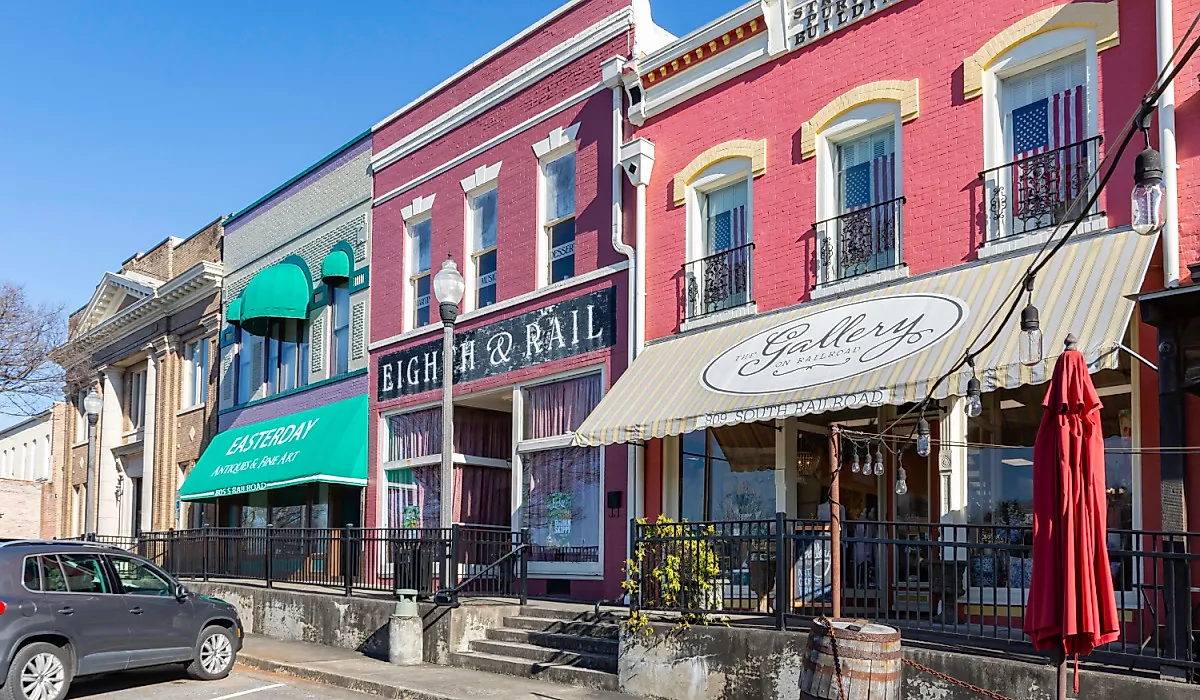
Upstate New York still does main streets better than almost anywhere else in the US. The whole downtown in Skaneateles faces one of the cleanest lakes in America, storefront windows and all. Walk three blocks in Cooperstown and the baseball caps around you are all headed for the Hall of Fame. These are the eight where the downtown is still the best show in town.
Skaneateles

Skaneateles sits at the head of one of the cleanest lakes in America, and you can see the water from nearly every storefront window on Genesee Street. Fire leveled the original business district in 1835. Local builders answered with a run of brick Greek Revival storefronts that still stand shoulder to shoulder today. The Sherwood Inn has held down the corner since 1807, back when Isaac Sherwood ran it as a stagecoach stop. Ask for a room at the front and you get the lake. Across the street at Clift Park, the benches face the water and fill up on warm evenings. Then there is Skaneateles Bakery, where the glazed donuts move fast. Dorothy Coye opened the place with her husband in the 1950s after training at the Wilton cake school in Chicago, and locals have been lining up ever since.
Hudson

Warren Street was a run of shuttered buildings when the first wave of Manhattan gallery owners started buying in during the 1990s. They bet the block would come back. It did. Today that same mile holds antique shops and design stores end to end, and the trade made Hudson one of the Hudson Valley's busiest weekend towns inside a decade. Carrie Haddad opened the city's first fine-art gallery here and now shows around eighty artists across seven exhibitions a year. For a room, The Maker leans into old-world drama, all velvet and dark wood and candlelight. When you have had enough of browsing, walk down to Promenade Hill Park at the old port and take in the wide bend of the Hudson River.
Corning

Glass built Corning, and the master glassblowers gave Market Street its nickname: the Gaffer District, after the craftsmen who shaped the city's trade. A flood tore through downtown in 1972. Residents rebuilt the whole strip, and it now holds around a hundred shops, galleries, and restaurants along well-kept 19th-century blocks. The Corning Museum of Glass holds the largest glass collection in the world, more than 50,000 pieces across 3,500 years, and you can watch a gaffer pull a glowing bowl out of the furnace on a live demo. A short walk away, Centerway Square is the meeting point, ringed by cafés and boutiques. Time your visit to GlassFest or a farmers market morning and the street fills with music and demonstrations. The Rockwell Museum, a Smithsonian affiliate a few blocks off the main drag, holds a deep collection of American art. Cap the day at Hand + Foot over a fried chicken sandwich, or catch a show at the locally owned Palace Theater.
Cooperstown

Baseball is the whole point of the street in Cooperstown. Kids and dads in ball caps fill three blocks marked by a single stoplight and a tall flagpole, even though the town's claim as the birthplace of the game is a matter of dispute. Strict preservation and zoning rules have kept the street looking much the same for seventy years, a wall of mint-condition 19th-century homes that read like life-size dollhouses. The National Baseball Hall of Fame and Museum is the reason most people come, with roughly 40,000 artifacts and a plaque gallery for the inductees. Doubleday Cafe is steps away, with American plates in a tall brick-lined room. Walk it off at Cooper Park, named for the town's founder, or head down to the Susquehanna River, which starts near here and runs 444 miles to become the longest river on the East Coast.
Saratoga Springs

Broadway holds the best Gilded Age blocks in the state, and Gideon Putnam laid the street out in 1805 when he founded the town. The restored 19th-century buildings mix period styles like High Victorian, Beaux-Arts, and Richardson Romanesque. At the south end sits Congress Park, full of gardens and fountains, with Saratoga Arts inside where you can meet local painters and browse the gallery. When you want food, Druthers Brewing Company has a beer garden right in the middle of town, and the kitchen is known for sharp wings and pretzel bites. Book lovers should save time for Northshire Bookstore, where the staff write out their recommendations by hand on cards set right into the shelves.
Rhinebeck

The Beekman Arms has taken in guests without a break since 1766, which makes it, by the inn's own account, the oldest continuously operating inn in the country. George Washington, Benedict Arnold, and Alexander Hamilton all passed through during the Revolution. Local lore holds that the Burr and Hamilton feud picked up steam in the tavern room, years before the 1804 duel that killed Hamilton, though historians trace the bad blood back much further. Behind the inn you will find the Beekman Arms Antique Market, and a few doors down, Little Goat is the spot for coffee and a pastry. For a longer look, the Wilderstein Historic Site is an ornate Queen Anne mansion on 40 acres above the river, an easy seven-minute drive from the middle of town.
Owego

A fire in 1849 wiped out more than a hundred buildings across the Front and Lake Street business district in Owego. The town rebuilt along the Susquehanna, and the railroad's arrival that same decade turned it into a busy trading stop for lumber, farm goods, and manufactured wares. The result is River Row, a stretch of 19th-century Victorian and Greek Revival storefronts facing the water. The 1867 Parkview Inn comes with its own ghost stories, and visitors report bells that ring and objects that shift in empty rooms. At the Early Owego Antique Center, more than ninety independent dealers share two floors of the old J.J. Newberry building. Down the block, Riverow Bookshop is a solid stop for old books, maps, and blueprints. Draper Park sits at one end of Owego's Riverwalk, the half-mile path that opened in 2010 along the riverbank.
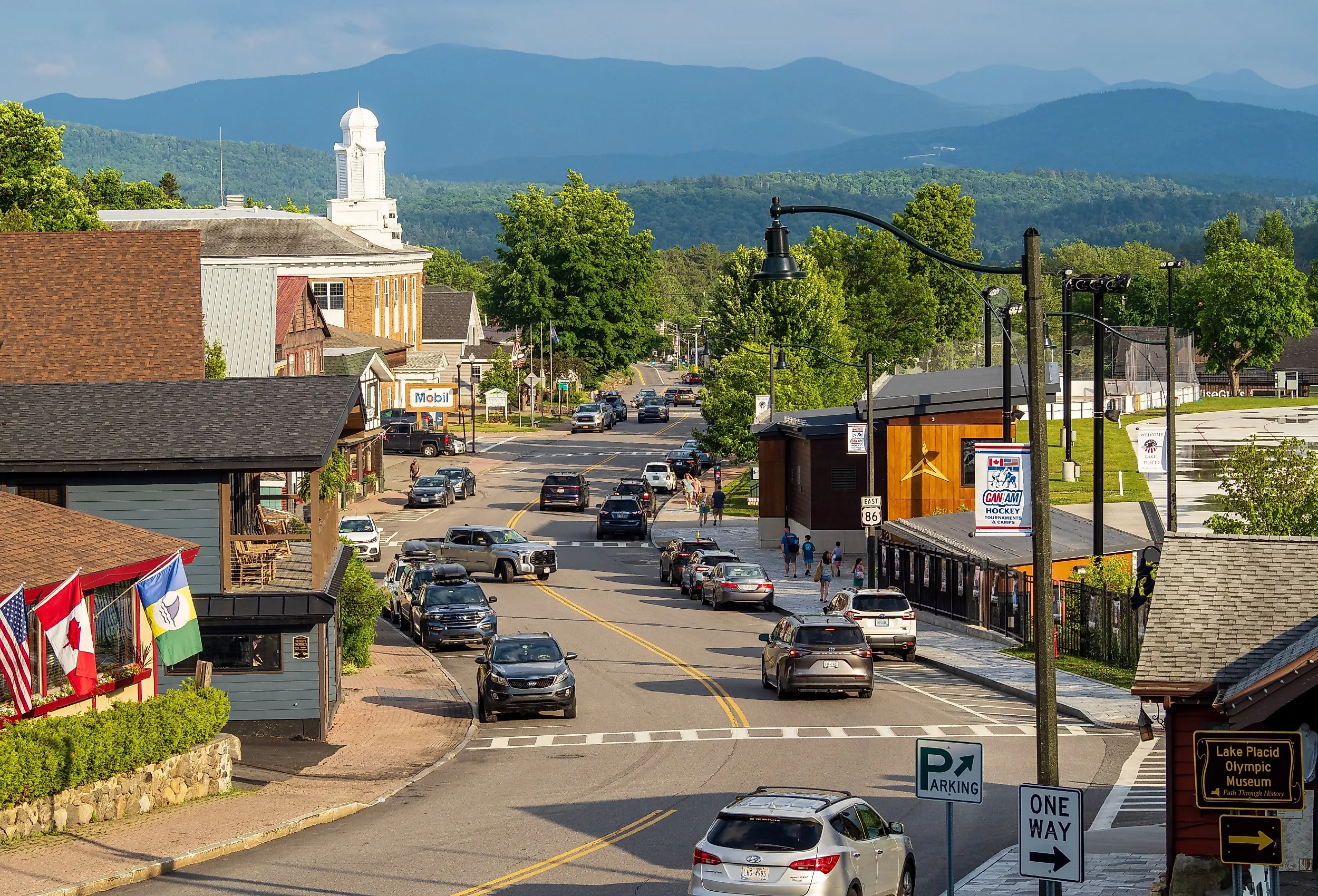
Lake Placid

The 1980 "Miracle on Ice" happened here, and the town has never let you forget it, in the best way. In Lake Placid, Main Street sits right along Mirror Lake, with shops and cafés on one side facing the water and the Olympic Center a short walk away, where the U.S. hockey team stunned the Soviets that February. The village also hosted the 1932 Winter Games, one of only three places on earth to stage the Olympics twice, alongside the Adirondack peaks that ring the town. The Lake Placid Olympic Museum lays it all out in one of the largest Winter Olympic collections anywhere. For dinner, Smoke Signals has a lakefront barbecue patio with live music, and the Golden Arrow Lakeside Resort has firepits and a private beach on Mirror Lake for the overnight crowd.
The Common Thread
These are not backdrops. They are the rooms where each town does its living, with the history worked right into the brick. Skaneateles and Owego both came back from fires that could have finished them, and both chose to rebuild on the same ground. Hudson and Corning went from empty storefronts to full sidewalks because people put in the work to fill them. Walk any of the eight and the tell is the same. You will barely see a chain store, and you will not miss it once. Just good storefronts, water views, and a street that still belongs to the people who live there.