7 California's Sierra Nevada Towns Where Time Stands Still
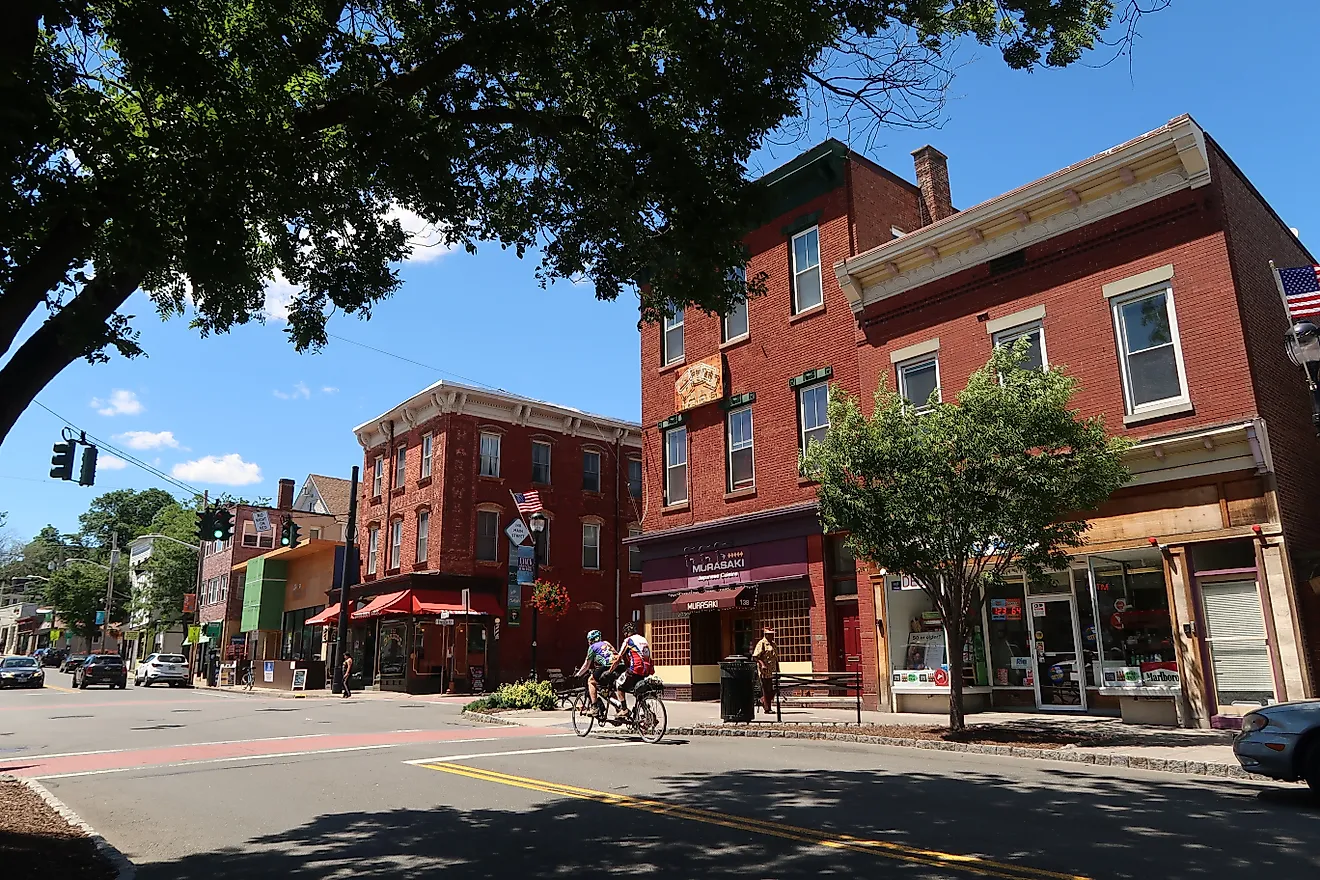
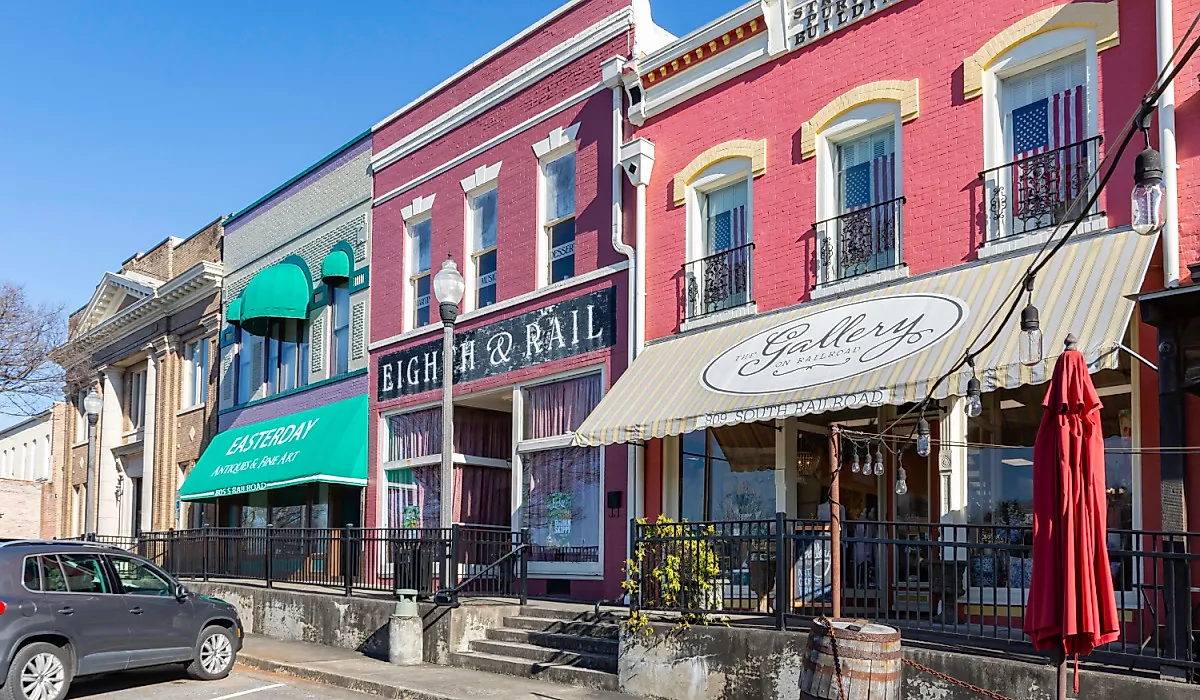
The best days in California's Sierra Nevada move at the speed of a walk. Broad Street in Nevada City still glows under gas lamps at night. Murphys sits on a tree-lined Main Street planted during the mining days, with wine tasting rooms up and down the block. These are Gold Rush towns that traded the boom for something better. They kept an easy, unhurried pace worth driving out for. The brick storefronts and old hotels are all still here to enjoy. These seven towns turn a weekend into a step back in time.
Nevada City

Gold came fast to Nevada City. Miners founded the camp along Deer Creek in 1849, and within months the population had jumped to 10,000, making it one of the richest mining towns in the state. Fires in the 1850s burned much of it down, so residents rebuilt in brick, and that brick downtown still stands today as a National Historic Landmark district. Walk gaslit Broad Street past the National Hotel, which has rented rooms since the Gold Rush was still on. The Nevada Theatre opened in 1865 and still stages plays and concerts, which makes it one of the oldest working theaters in California. Mark Twain gave one of his early lectures on that stage, back when the ink was barely dry on his new pen name. Fewer than 3,000 people live here now, but the town wears its boom years well.
Downieville

Beside the Downieville courthouse stands the only authentic wooden gallows left in California. It was built in 1885 for a single hanging, that of James O'Neill, a young Irishman convicted of killing a Webber Lake dairyman named John Woodward. That execution was the last legal one in Sierra County. It is a fittingly frontier keepsake for a town that once ran fifteen hotels and a long row of saloons, back in the boom decade when it nearly won the state capital. The saloons are mostly gone now, but Main Street kept its storefronts, and it makes a fine walk. When the history runs out, the town heads outdoors. The Downieville Downhill drops fifteen miles of expert mountain-bike trail through Tahoe National Forest, and a chicken sandwich at the Two Rivers Cafe, right over the water, is a good way to finish.
Truckee

Truckee grew up around a road and a railroad. It sat on the Truckee Route, the first wagon road pushed over the Sierra Nevada, and later on the transcontinental line that finally tamed the crossing. The mountains here do not forgive much. The Donner Party learned that near Truckee Lake in the winter of 1846, trapped by snow that buried their camp and drove the survivors to cannibalism. Donner Memorial State Park marks that story, and in warmer months the lakeshore fills with campers, kayakers, and anglers. The covered sidewalks along Commercial Row look much as they did a century ago. Duck under them, then cross to the Truckee Railroad Museum for the fuller story of how the trains remade this town. When you are done, the Truckee Tavern & Grill across the way sets out mountain views with its cocktails.
Murphys

John Muir walked through Murphys and could not stop reading the ground. He wrote that its granites, slates, quartz veins, and gold-bearing gravels lay open "before the student like a book." The book is still here, along the tree-lined Main Street where stone and brick buildings from the 1850s hold their places. The Murphys Historic Hotel has rented rooms since 1856, one of the longest runs of any hotel in California, and the guest register holds some famous names from the mining days. Just outside town, Mercer Caverns has run guided tours of its underground rooms for well over a century, making it the state's longest continually operating show cave. Come evening, the Murphys Creek Theatre stages its shows a short walk from the same downtown Muir once studied at his feet.
Sutter Creek

The California Gold Rush started downstream at Sutter's Mill in Coloma, where a carpenter spotted gold in the tailrace in 1848. The land belonged to John Sutter, and this town, which he prospected nearby, took his name and later the nickname "Jewel of the Mother Lode." Sutter himself never struck it rich, which is one of the great ironies of the whole affair. Balconied brick buildings from the 1800s line Main Street, now holding boutiques, inns, and antique shops. One of them, the Hotel Sutter, hangs its wooden balcony right out over the sidewalk. The real showpiece sits a few steps off Main. Knight Foundry is the last water-powered foundry and machine shop in the country, and it still fires up. Guided tours run one Saturday a month, when visitors can watch the forges glow and the sand-casting demonstrations turn out iron the old way.
Bridgeport

Bridgeport got its start with a border mistake. Nearby Aurora served as the Mono County seat until surveyors confirmed in 1863 that the town actually sat across the line in Nevada, and the seat moved here. The 1880 courthouse rose on Main Street soon after, an Italianate landmark that still hears cases as California's second-oldest courthouse in continuous use. The rest of Bridgeport spreads out toward the mountains and the water. Soak in the mineral pools at Travertine Hot Springs, cast a line into Bridgeport Reservoir, or make the short drive to Bodie State Historic Park. Bodie is the real ghost town, a mining boomtown left to what the park service calls "arrested decay," its houses and shops standing just as the last residents walked away from them.
Bishop

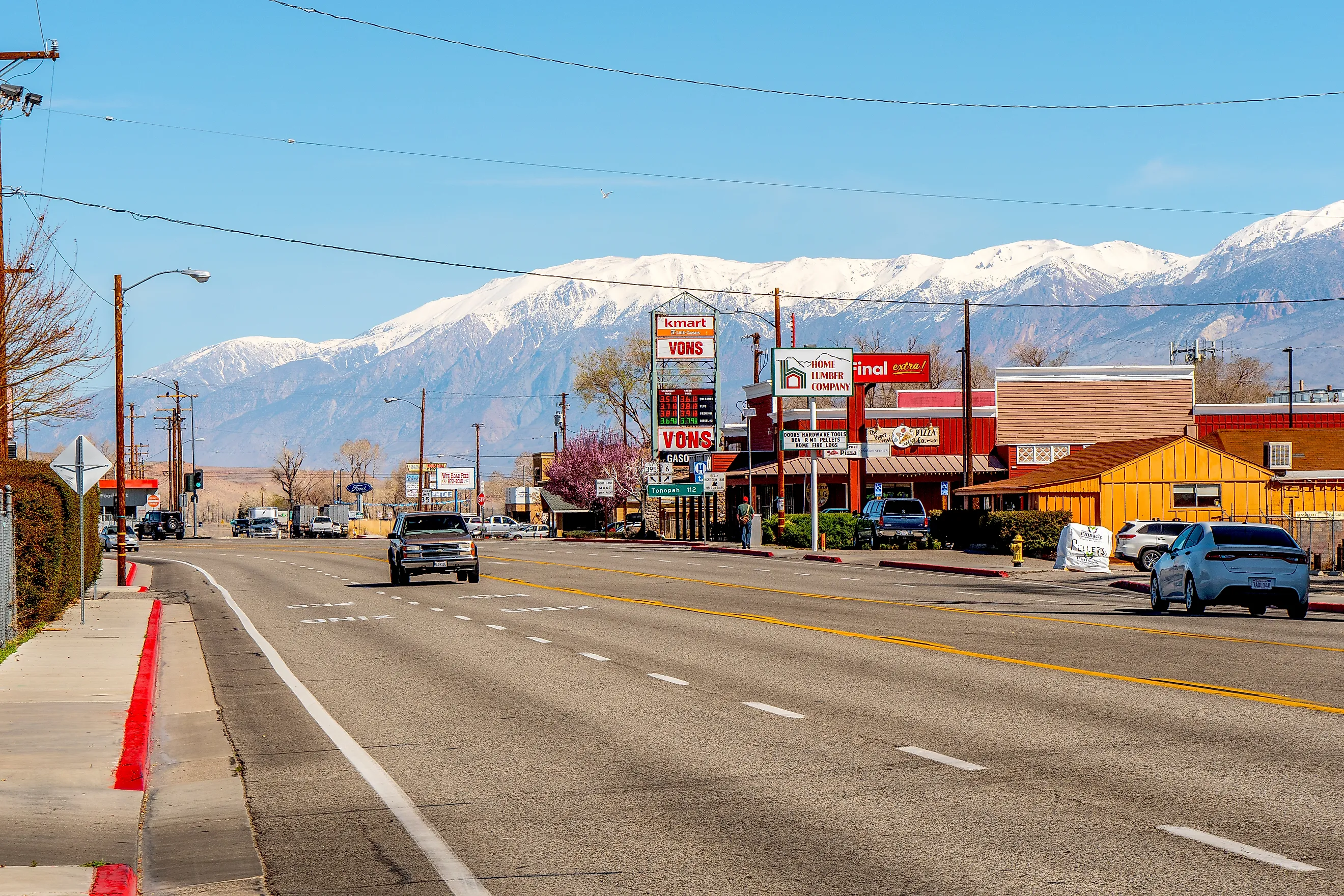
Bishop sits on the dry eastern side of the range, in the Owens Valley, with the Sierra crest towering over Main Street. This is the base camp for the eastern Sierra, and the town wears that role happily. Anglers come for the trout streams, climbers for the granite, and hikers for the trailheads that lead up into Inyo National Forest. When they come back down, the first stop is usually Erick Schat's Bakkery, a Main Street landmark since the early 1900s, where the sheepherder bread is still shaped by hand. Bishop also goes by the "Mule Capital of the World," and each Memorial Day weekend Mule Days fills the fairgrounds with pack strings and what organizers bill as the longest non-motorized parade anywhere. For the quieter history, the Laws Railroad Museum keeps a whole narrow-gauge depot town intact a few miles northeast. Murals around downtown fill in the rest, from the 20-mule teams to the building of the Los Angeles Aqueduct.
Where the Past Still Clocks In
What makes these seven towns such a pleasure is how little they ask of you. There is no rush here, just brick sidewalks worn smooth by 150 years of boots and a Main Street you can see end to end. Spend a morning over coffee, an afternoon on a river trail, and an evening under the gas lamps, and you have done the place right. Each town rewards the slow visitor, the one who settles in for a wine tasting or a foundry tour instead of racing to the next stop. The Gold Rush built these streets in a hurry. The best way to enjoy them now is to take your time.