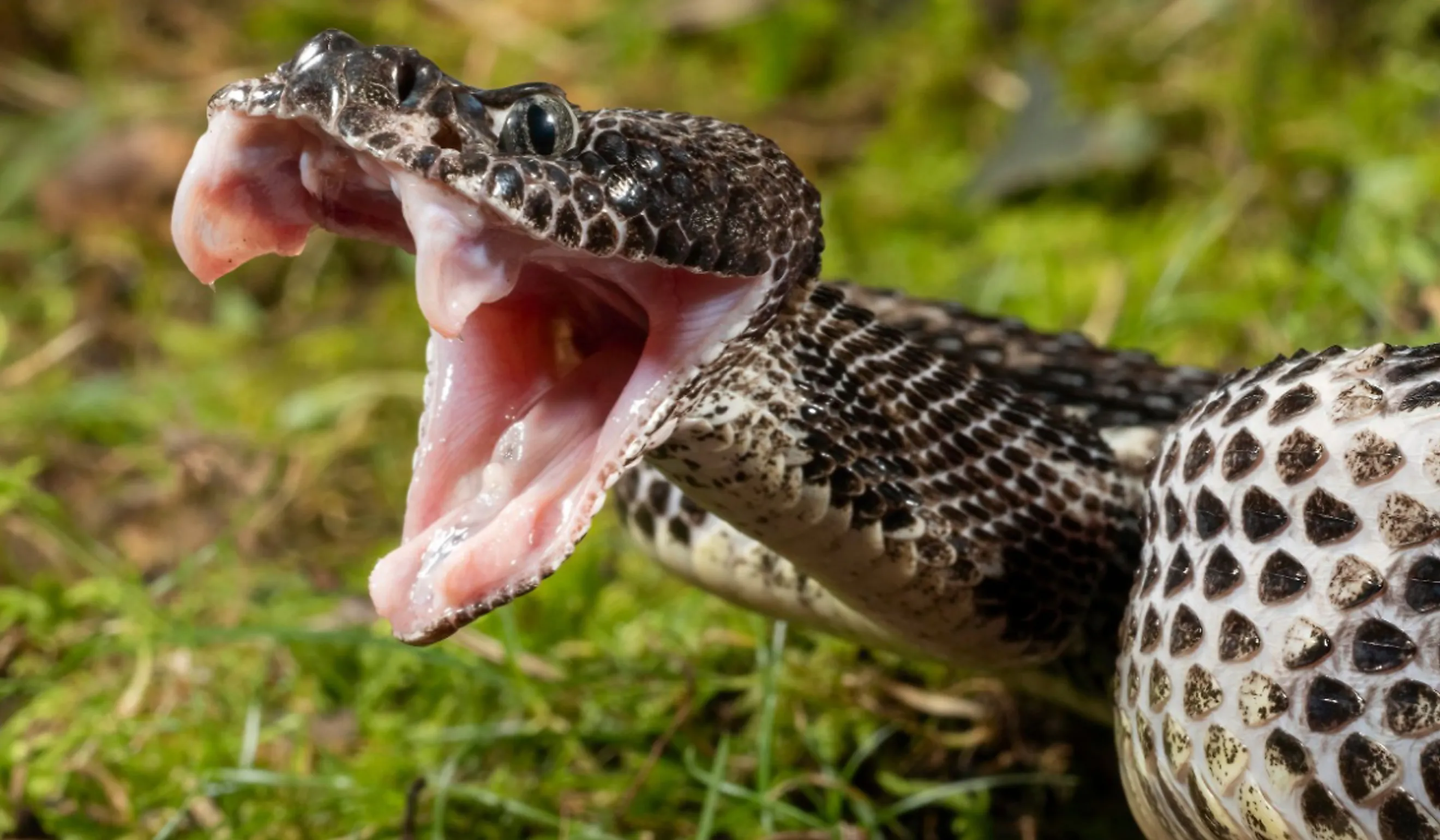
6 Snake-Filled Waters In Kentucky
Kentucky’s waterways reflect the Commonwealth’s varied geology and climate, from the deep coves of Lake Cumberland and the forested isthmus of Land Between the Lakes to the limestone-fed pools of the Green River and the broad shipping channel of the Ohio River. Landscapes around Mammoth Cave National Park and the rolling hills of the Cumberland Plateau create springs, backwaters, and rocky shorelines that concentrate prey species and, in turn, support abundant snake populations. The following profiles examine six Kentucky bodies of water, describing which snake species are most commonly associated with each site, the habitat features that encourage reptile activity, and practical information about access, observation, and seasonal patterns. Attention to where snakes bask, forage, and seek shelter clarifies why certain marinas, coves, and river bends consistently record higher sightings. Agencies that manage these reservoirs and river corridors, like the Kentucky Department of Fish & Wildlife, also influence snake distributions through habitat restoration, water-level management, and public education, factors that are noted where relevant in the profiles below.
Lake Cumberland

Lake Cumberland ranks among Kentucky’s largest reservoirs and supports extensive shoreline habitat where watersnakes and other reptiles thrive. The lake’s long coves, submerged timber, and rocky points produce abundant feeding grounds for fish, frogs, and crayfish, which in turn sustain healthy populations of common watersnakes and related species. Many boaters and anglers report seeing Nerodia watersnakes sunning on partially submerged logs, while black rat snakes move along bluffs and riparian edges hunting rodents and birds. Wolf Creek Dam and the surrounding recreation areas create concentrated access points where human use and snake activity overlap; visitors often encounter snakes near marinas, campgrounds, and shallow coves in warm months.

The lake’s wide shoreline and extensive boat traffic shape the habitat, while wildlife guides from Kentucky’s resource agencies are helpful reference points in cataloguing the water-associated snakes that are widespread across reservoirs in the Cumberland watershed. For naturalists, Lake Cumberland offers reliable opportunities to observe snake behavior from a safe distance, especially in spring and early summer when reptiles are most active.
Land Between the Lakes National Recreation Area

The wooded peninsula known as Land Between the Lakes spans the strip of country between Kentucky Lake and Lake Barkley, and its mixed wetlands, ponds, and creek networks support a dense reptile community. The recreation area emphasizes wildlife education and holds regular programs that introduce visitors to native snakes and their ecological roles, from controlling rodent populations to cycling nutrients. Marsh edges and oxbow ponds inside the reserve host aquatic species such as queensnakes and common watersnakes, while upland trails frequently reveal rat snakes and garter snakes moving between shaded cover and sunny basking sites.

Because Land Between the Lakes manages both public access and habitat restoration, the area functions as a living classroom where interpreters discuss safe coexistence and identification of venomous species, such as the cottonmouth, where it is locally present. The mosaic of lakeshore, wetland, and forest, including numerous small ponds created by river meanders, makes LBL a dependable place to learn about Kentucky’s reptile diversity and to find snakes in a variety of microhabitats.
Green River and Green River Lake

The Green River corridor and the reservoir areas, such as Green River Lake, form one of Kentucky’s most species-rich freshwater systems. The long, meandering river cuts through karst country, producing spring-fed “blue holes,” limestone bluffs, and backwater channels that maintain cool, oxygenated pools favored by many aquatic organisms. These conditions attract prey species and create excellent hunting grounds for watersnakes, including the common watersnake. At reservoir margins and below old lock-and-dam sites, floating logs and fallen trees provide prime basking spots for reptiles, while shallow shoals concentrate amphibians and fish during warm months.

Conservation work on the Green River, including recent dam-removal projects and river restoration efforts, aims to improve habitat connectivity and water quality, outcomes that influence snake distributions as well as fish and invertebrate communities. Anglers, paddlers, and naturalists exploring the Green River system will find a dynamic river landscape where snakes are an integral component of the food web and of the region’s natural history.
Ohio River (Kentucky stretch)

The Ohio River forms Kentucky’s northern border for many miles, and its banks, backwaters, and side channels sustain large numbers of water-associated snakes. The broad flows of Ohio and its seasonally variable shorelines create habitats where common watersnakes and midland watersnakes forage among mussel beds, submerged logs, and shallow flats. Riverside sloughs and lower-gradient tributaries that feed the Ohio offer calmer waters favored by juvenile snakes and by species that prey on small fish and amphibians. Because the Ohio crosses multiple ecozones, the snake community shows regional variation, and observers often note distinct assemblages near urbanized riverfronts, industrial reaches, and relatively undeveloped stretches.

The Ohio River basin is home to several Nerodia species, and their presence emphasizes the role of the river corridor as a migratory and dispersal route for aquatic reptiles. Caution near riverbanks is highly encourage, both to avoid disturbing wildlife and to manage human safety around busy shipping channels and steep bluffs.
Nolin River Lake

Nolin River Lake and its connected river reaches supply calm coves, emergent vegetation, and rocky margins that favor water-loving snakes. The U.S. Army Corps of Engineers manages boat ramps and campgrounds that provide predictable access for visitors, and Corps materials note the lake’s diverse shoreline habitats and abundant woody debris. In marshy inlets and along the first riffles below the dam, common watersnakes and ribbon snakes hunt frogs and invertebrates, while larger rat snakes patrol the forest edge. Seasonal variation shapes where snakes concentrate: late spring and summer bring active foraging and visible basking, whereas cooler months induce reduced surface activity as reptiles retreat to crevices and burrows.
Nolin’s proximity to Mammoth Cave National Park and to other beautiful landscapes increases the richness of the local fauna, and field guides compiled by state agencies list the lake among regional locations where water-associated snakes are frequently recorded. Visitors who plan hikes or paddles around Nolin River Lake benefit from treating shoreline encounters as observation opportunities, maintaining a respectful distance, and following local safety guidance.
Barren River Lake

Barren River Lake combines forested shoreline, shallow flats, and human recreation zones that together support a healthy snake community. The project area includes developed recreation sites, forest tracts, and riparian buffers where black rat snakes, watersnakes, and occasional timber rattlesnakes have been recorded. Corps of Engineers resources describe the lake’s shallow bays, picnic areas, and fishing piers; features that create both habitat and frequent human-wildlife interactions during the warm months. The Kentucky Department of Fish & Wildlife notes that paddling conditions and downstream river segments are used by turtle and snake species for feeding and dispersal.

For photographers and naturalists, the lake offers numerous vantage points from which to view snake behavior at a distance, particularly where fallen trees and rock shoals concentrate basking reptiles along quieter coves. Seasonal awareness is important: the warmest months concentrate snake activity near water, whereas spring emergence and autumn cooling are prime times to observe movement along shorelines.
Observe Safely, Learn More
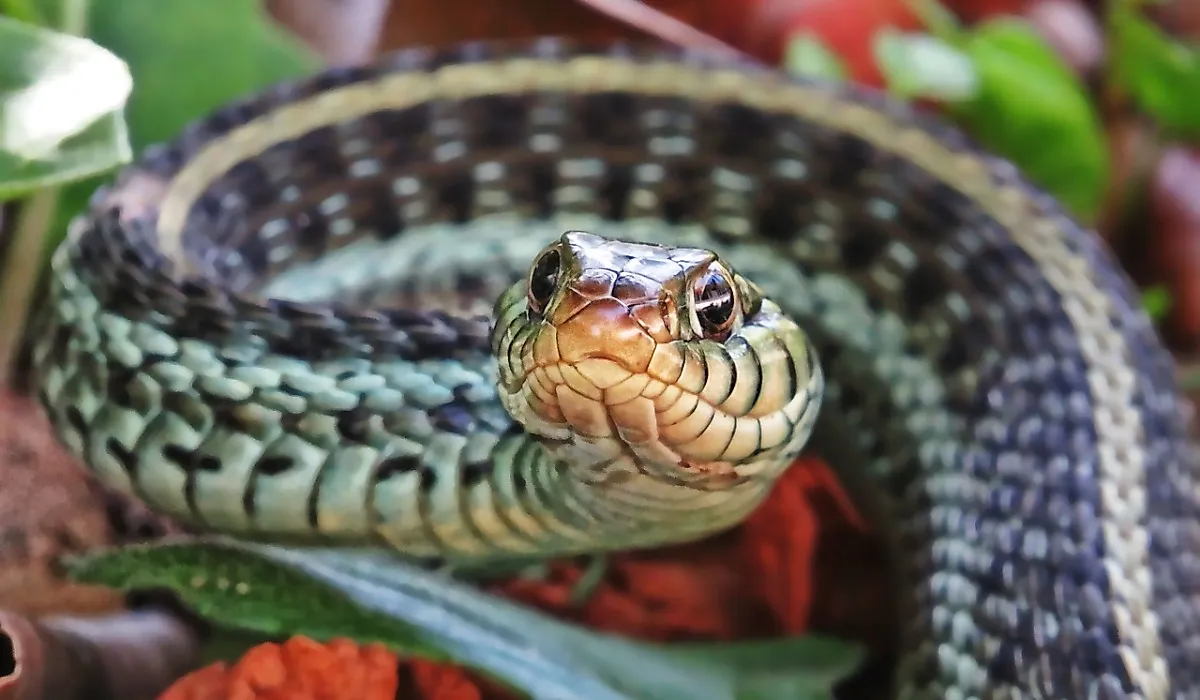
Kentucky’s lakes and rivers host an impressive array of snakes, from water-adapted Nerodia species to forest-dwelling rat snakes and occasional venomous encounters in patchy locations. Observing snakes from a respectful distance, photographing without disturbing animal behavior, and learning basic identification from state wildlife agencies will enhance any outdoor visit. Conservation efforts and habitat restoration projects influence where snakes appear and how abundantly they occur, so habitat protection benefits both reptiles and the larger communities of fish, amphibians, and birds that share the same waterways. For trip planning, consult official recreation pages for access details, and consult state wildlife guides to review species lists and safe encounter practices.