5 Snake-Filled Waters In North Dakota
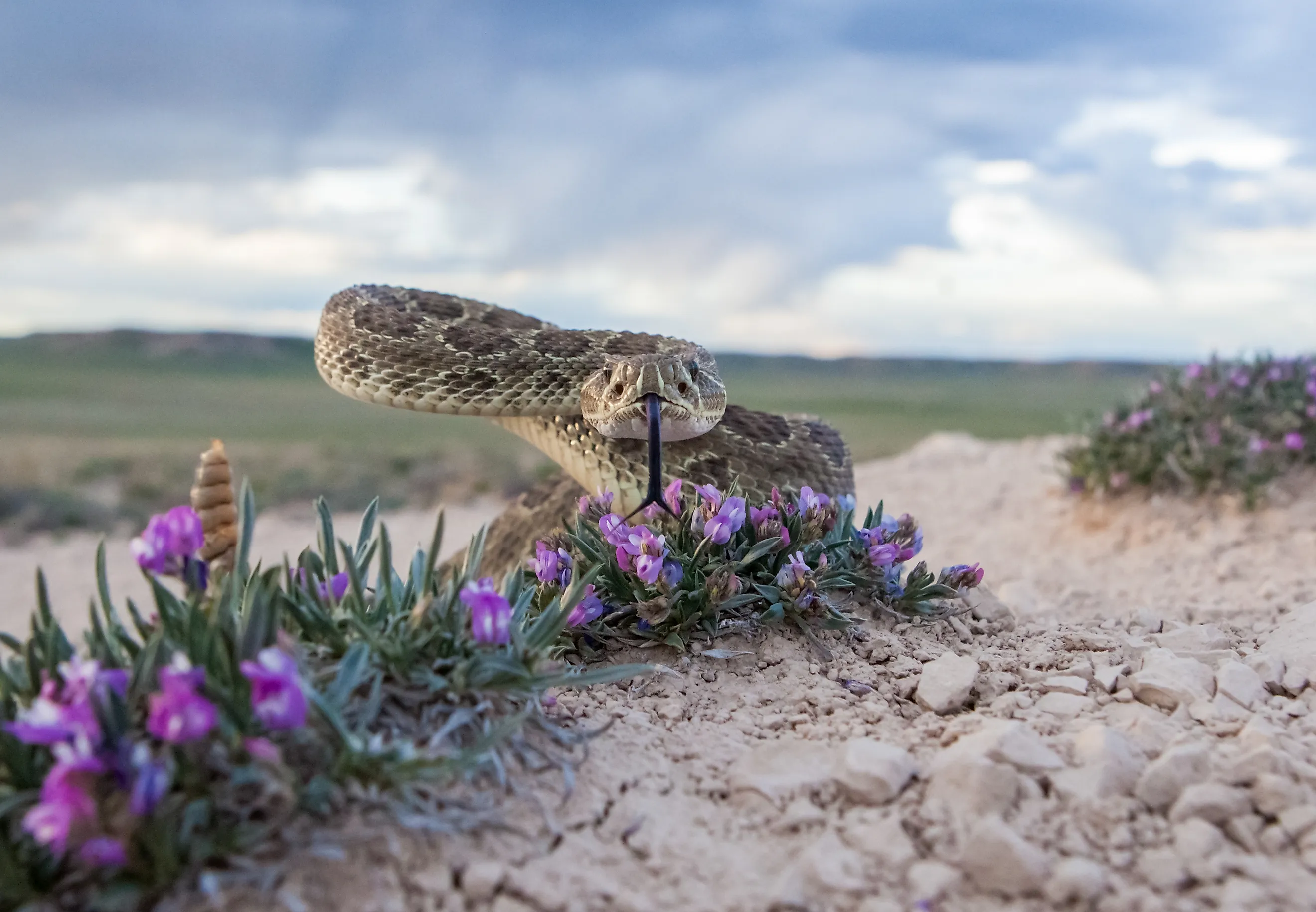
When it comes to the diversity of snakes in the United States, North Dakota is on the lower end of the scale with eight species, only one of which is venomous. This species is the prairie rattlesnake, which possesses one of the largest geographic ranges of any rattlesnake in North America (and is one of the few venomous snakes found in Canada).
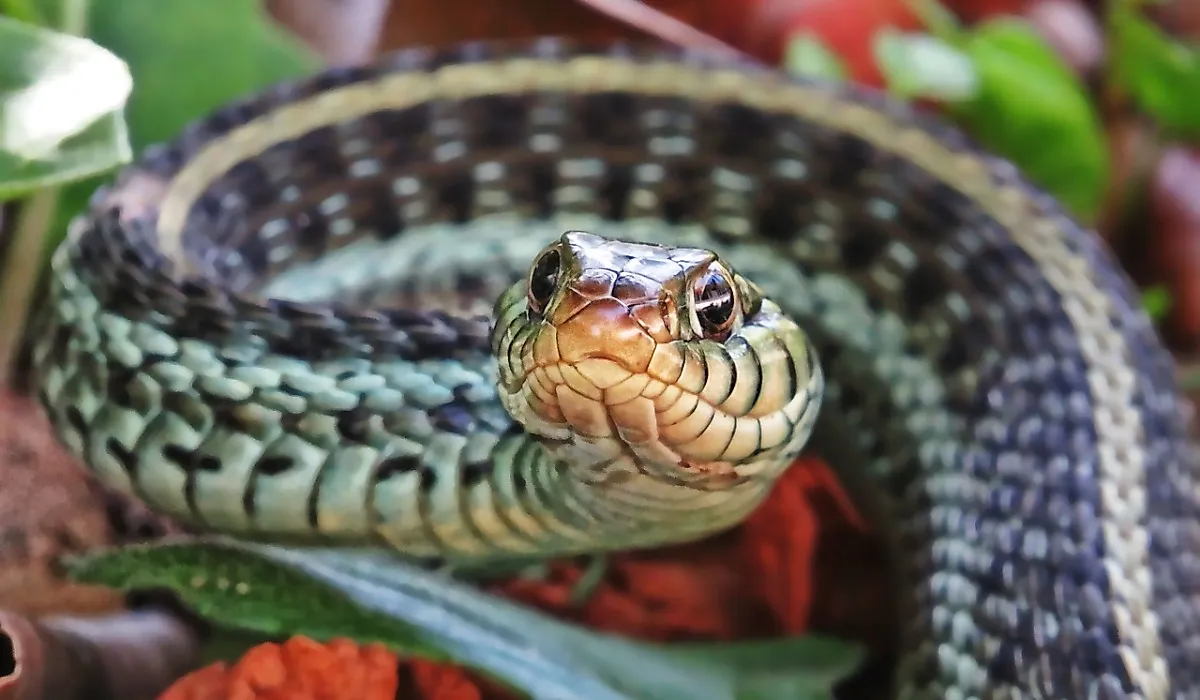
The nonvenomous snake species in North Dakota are the eastern yellow-bellied racer, plains hognose snake, smooth green snake, bullsnake (which resembles the prairie rattlesnake), northern red-bellied snake, red-sided garter snake, and the plains garter snake.
The vast, open landscapes of North Dakota make it possible for snakes to inhabit the region with relatively infrequent human contact. They can usually be found out and about during sunnier months from April through October, especially near water bodies where prey is plentiful.
Missouri River

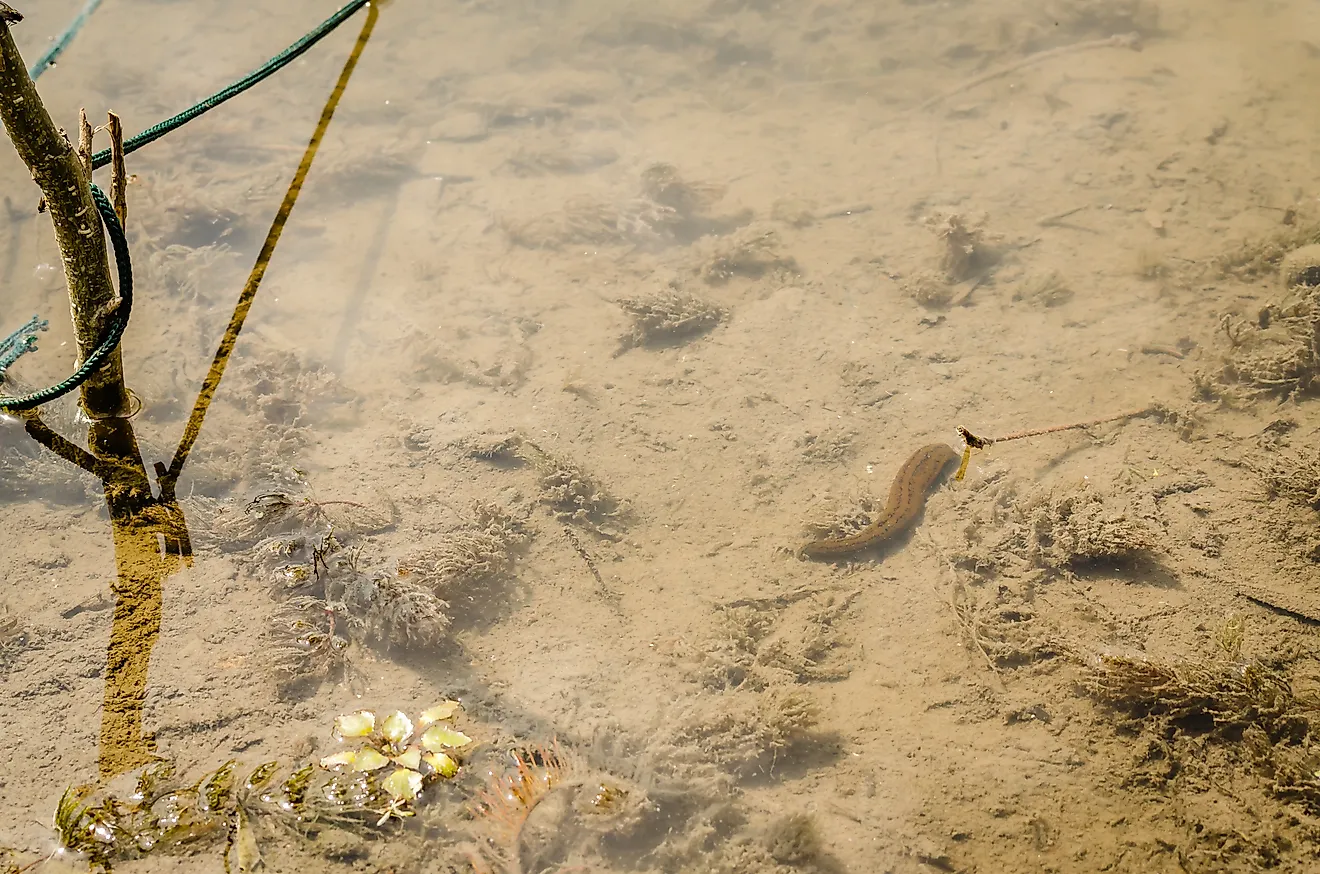
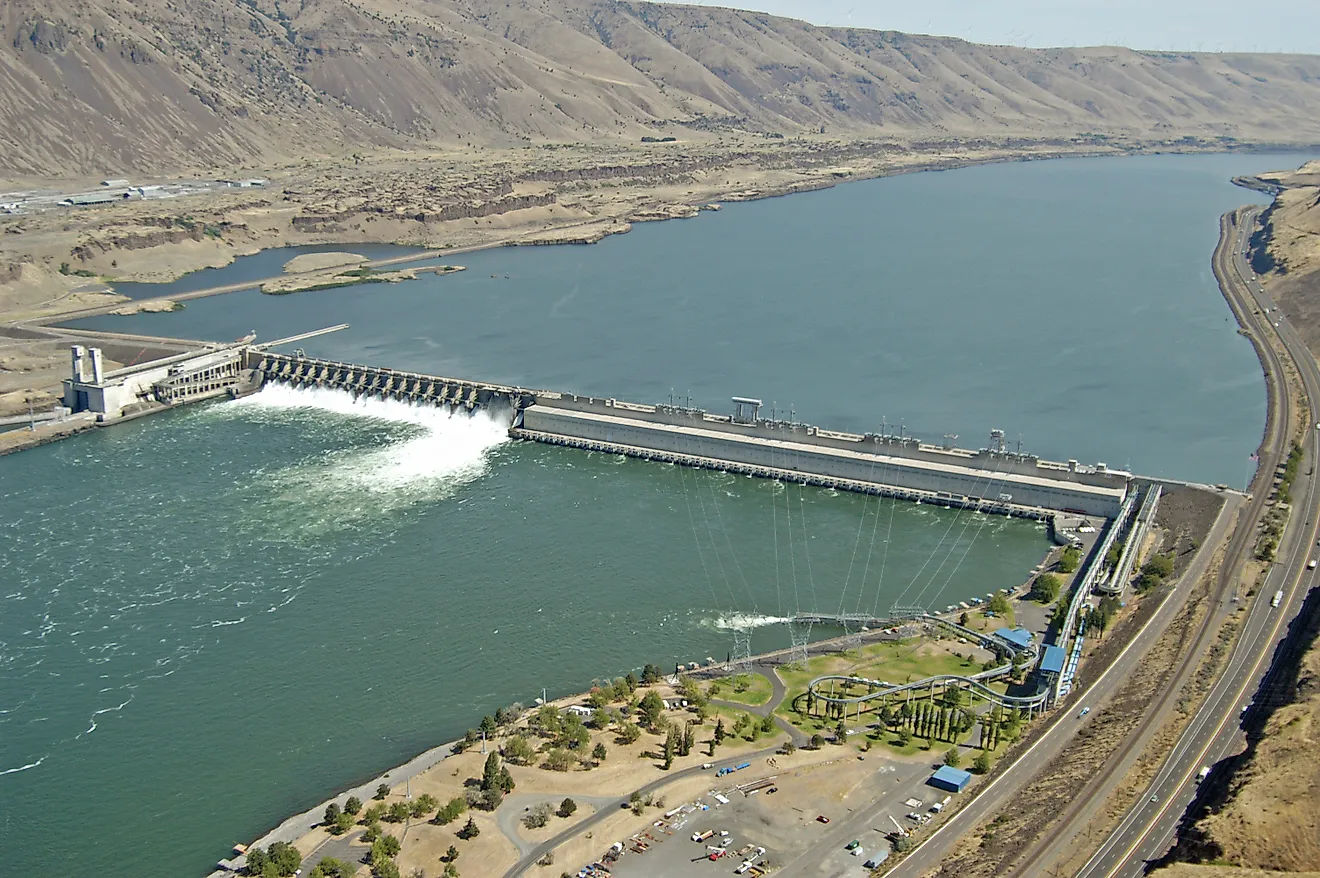
The Missouri River is one of the best-known rivers in the United States, and it flows 2,300 miles across the Midwest and through North Dakota. It is one of the most snake-infested water bodies in the US due to its size, diverse ecosystems, and range of habitats that attract various snake species. It is also the most snake-infested water body in the US. The river’s diverse ecosystem, which passes through grasslands, wetlands, woodlands, floodplains, and riparian zones, makes it the perfect habitat for snakes, providing them with a safe place to breed, hunt, and find shelter.
Moreover, the river's ever-changing flow pattern and frequent floods help alter old habitats, create new ones, and redistribute sediment, nutrients, and organic matter. Snakes are vital to the Missouri River’s ecosystem as they control the population of rodents and amphibians.
Sheep Creek Dam

Located in Grant County, southern North Dakota, four miles south of Elgin, Sheep Creek Dam is an 85-acre reservoir with 283 acres surrounding the lake. The land around the dam is largely agricultural and home to many grazing sheep. The Sheep Creek Dam Recreation Area offers visitors various activities, including fishing, swimming, boating, snowmobiling, cross-country skiing, and ice fishing in winter.
Additionally, there are 10 pet-friendly (dogs and cats) campsites. Rattlesnakes are known to frequent the dam and can even be seen swimming across the lake. Boaters and fishermen are advised to take precautions as rattlesnakes confuse boats with islands and may try to come aboard. Carefully use your oar to steer them away if this ever happens.
Lake Sakakawea

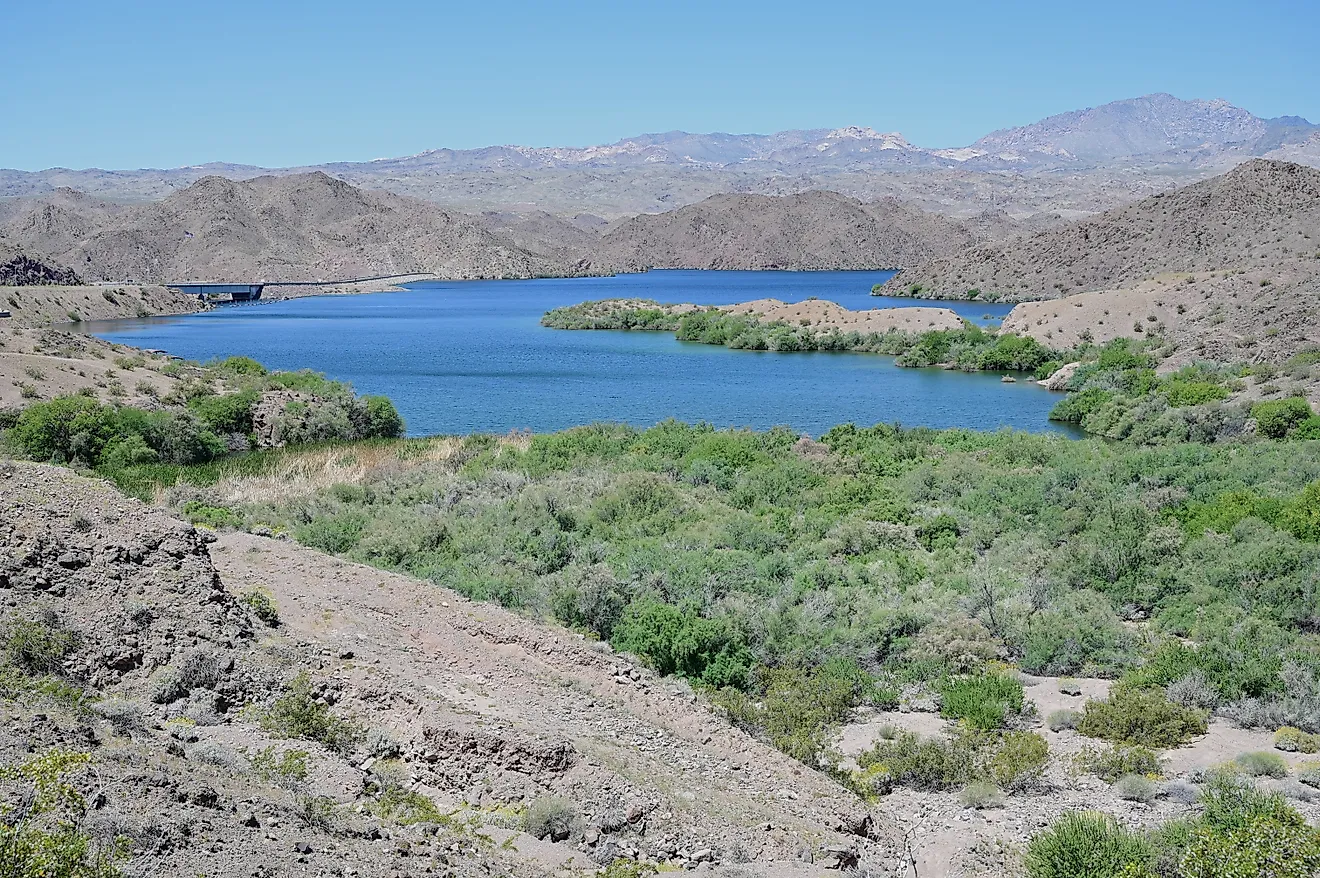
Lake Sakakawea is a manmade lake in western and central North Dakota. It is one of the biggest lakes in the state. Lake Sakakawea State Park abounds with picnic shelters, playgrounds, hiking trails, campgrounds, and premier fishing. Anglers enjoy fishing for northern pike, chinook salmon, and walleye, and the helpful facilities include a full-service marina, fish-cleaning station, and boat ramp.
The abundance of fish and lush greenery that surround Lake Sakakawea make it the perfect habitat for snakes. Sightings include the non-venomous bullsnake and plains hog-nosed snake. While painful, their bites are non-fatal; however, both species tend to avoid humans, so interactions are rare.
Cannonball River

Flowing for roughly 135 miles, the Cannonball River in Southwestern North Dakota is a tributary of the Missouri River. The river probably gets its name from a formation of round rocks found near its banks. It is an important river in North Dakota because it helps shape the land and serves as a habitat for local plants and animals.
Along the river runs the 5.5-mile Cannonball Trail for bird-watching and wildlife viewing, with occasional sightings of the venomous prairie rattlesnake. Rattlesnakes do not typically chase people and will most likely quickly dart or back away if spotted. However, it’s best to give them a wide berth if you do encounter one on your hike.
Lake Oahe

Lake Oahe is a reservoir located in both South Dakota and North Dakota. It has an elongated shape and spans 370,000 acres. The shoreline spans across 2,250 miles and offers visitors several recreational opportunities such as boat ramps, marinas, hiking trails, and campgrounds. Like Lake Sakakawea, Lake Oahe is teeming with several species of fish, including chinook salmon and walleye, making it a fisherman’s paradise.

The bullsnake and rattlesnake, which resemble each other are commonly found in the area; however, the former is non-venomous. With many visitors to the park, it is likely that you may come across these snakes while camping or hiking. If you do, it is best to back away and give them space.
Snakes are an important part of North Dakota’s ecosystem, helping maintain a balance in the local food chain by controlling amphibian and rodent populations. Coming across them at the water bodies listed above is highly likely, and therefore airing on the side of caution is best.
Remember to keep to marked trails, wear sturdy boots, watch your step, and avoid sitting around tallgrass areas or rocky outcrops that snakes frequent. If you do come across a snake, do not attempt to touch them. Respecting local wildlife can ensure you have an enjoyable experience.