5 Snake-Filled Waters In Louisiana
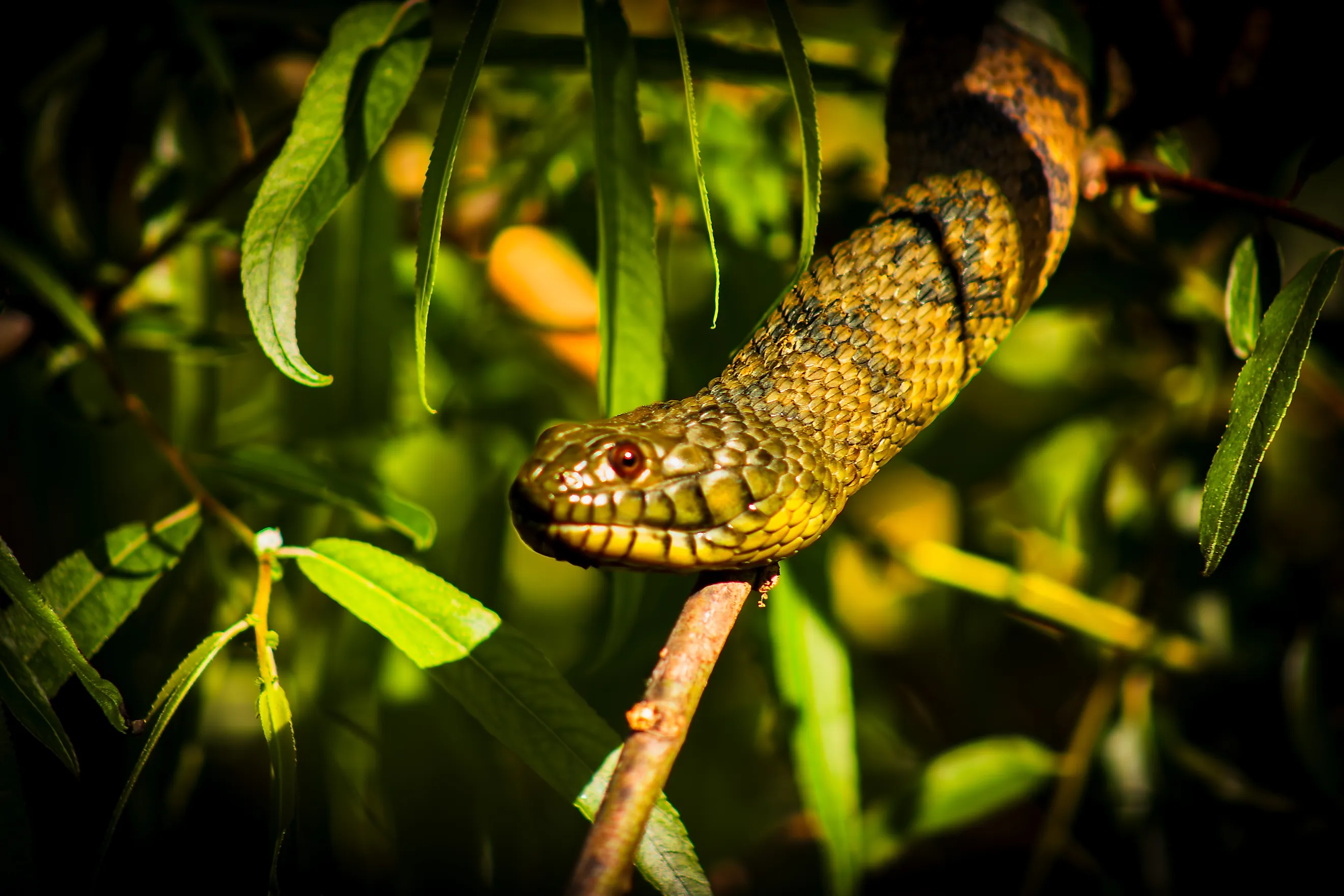
Louisiana supports one of the highest levels of snake diversity in the US, with nearly 50 documented species ranging from aquatic cottonmouths to upland kingsnakes. The state’s extensive wetland network, including bayous, marshes, river floodplains, and coastal estuaries, creates ideal habitat for both water-associated and terrestrial species. While not every snake is aquatic, many depend on Louisiana’s humid ecosystems for prey, cover, and breeding grounds. This article examines five major water bodies where snake populations are especially concentrated and ecologically significant.
Lake Providence

For unfortunate reasons, we know with near-certainty the number of snakes and snake species that filled Lake Providence for several days in various years between 1960 and 2025. The town of Lake Providence, located on its namesake lake in northeastern Louisiana, long hosted the Lake Providence Snake Rodeo, where townies competed to blast away as many lake-dwelling snakes as possible. Promoted as a "necessary" cull when snakes, especially venomous ones, became overpopulated and endangered the community, rodeo organizers tracked kills and rewarded top killers. Moreover, as a less-than-desirable but de facto survey of regional snake species, the rodeo was often attended by biologists who provided official bodycounts.

From 2003 to 2007, participants killed 389 diamondback water snakes (Nerodia rhombifer), 93 northern cottonmouths (Agkistrodon piscivorus), 16 banded water snakes (Nerodia fasciata), 4 plain-bellied water snakes (Nerodia erythrogaster), 3 western rat snakes (Pantherophis obsoletus), and 1 speckled king snake (Lampropeltis holbrooki). The last known bodycount, done for 2019's rodeo, had 88 diamondback water snakes, 22 northern cottonmouths, 20 banded water snakes, 7 western ribbon snakes (Thamnophis proximus), 3 plain-bellied water snakes, and 1 western rat snake.
Since the northern cottonmouth is the only venomous species in the counts, the vast majority of slaughtered snakes were harmless. That fact, plus the fact that all native snakes, non-venomous and venomous alike, are important parts of the ecosystem, led activists to induce Louisiana's government into banning "organized events that wantonly or willfully waste native amphibians or reptiles." It was written into law in January 2025, effectively ending the Lake Providence Snake Rodeo and other in-state snake massacres.
Caddo Lake

Straddling the Louisiana-Texas border in the northern portion of each state, Caddo Lake is a 30,000ish-acre lake, bayou, and herptile hub. According to the Nature Conservancy, the Caddo Lake area boasts nearly 70 species of amphibians and reptiles, dozens of which are snakes. Although many serpents swim and slither on the Louisiana side, they are better protected in Texas via preserves like Caddo Lake State Park and the Caddo Lake National Wildlife Refuge.

The latter's roughly 8,500 acres shelter such aquatic species as the banded water snake, plain-bellied water snake, Mississippi green water snake (Nerodia cyclopion), and mud snake (Farancia abacura), plus terrestrial species like the western rat snake, rough earth snake (Virginia striatula), western milk snake (Lampropeltis gentilis), and DeKay's brown snake (Storeria dekayi). Also present are venomous species—namely the northern cottonmouth, eastern copperhead (Agkistrodon contortrix), and pygmy rattlesnake (Sistrurus miliarius)—but, as with all serpentine envenomators, they bite only if threatened.
Gulf of Mexico

As an alcove of the Atlantic Ocean, which has no native sea snakes, the Gulf of Mexico seems like the best place to avoid serpents of any kind. Yet one small, non-venomous species, called the saltmarsh snake (Nerodia clarkii), does what few other snakes dare to do by skirting the saline shores of the Gulf States, Louisiana included. Aside from sea snakes, most snakes cannot tolerate salt water. But the saltmarsh snake spends its entire life in salt and brackish marshes along the coast, where it gets hydrated from prey and rain since it cannot drink salt water directly. In Louisiana, it is known to occupy every coastal parish.

Though the saltmarsh snake is Louisiana's sole specialized salt water snake species, many other snakes slither around the Gulf and even make their way to the Gulf Islands. They include the northern cottonmouth, common ribbon snake (Thamnophis saurita), and banded water snake, the last of which occasionally crossbreeds with the saltmarsh snake.
Mississippi River

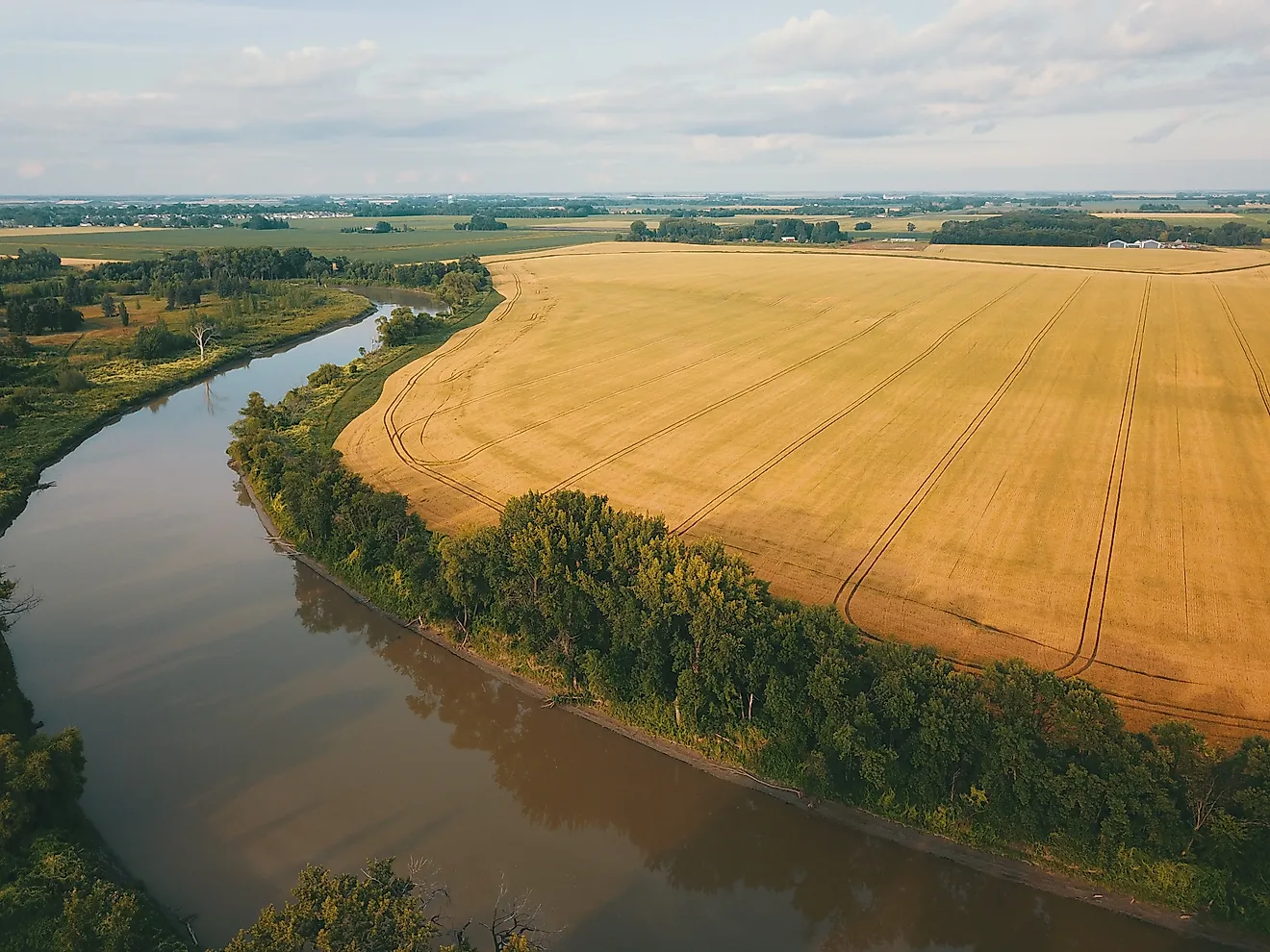
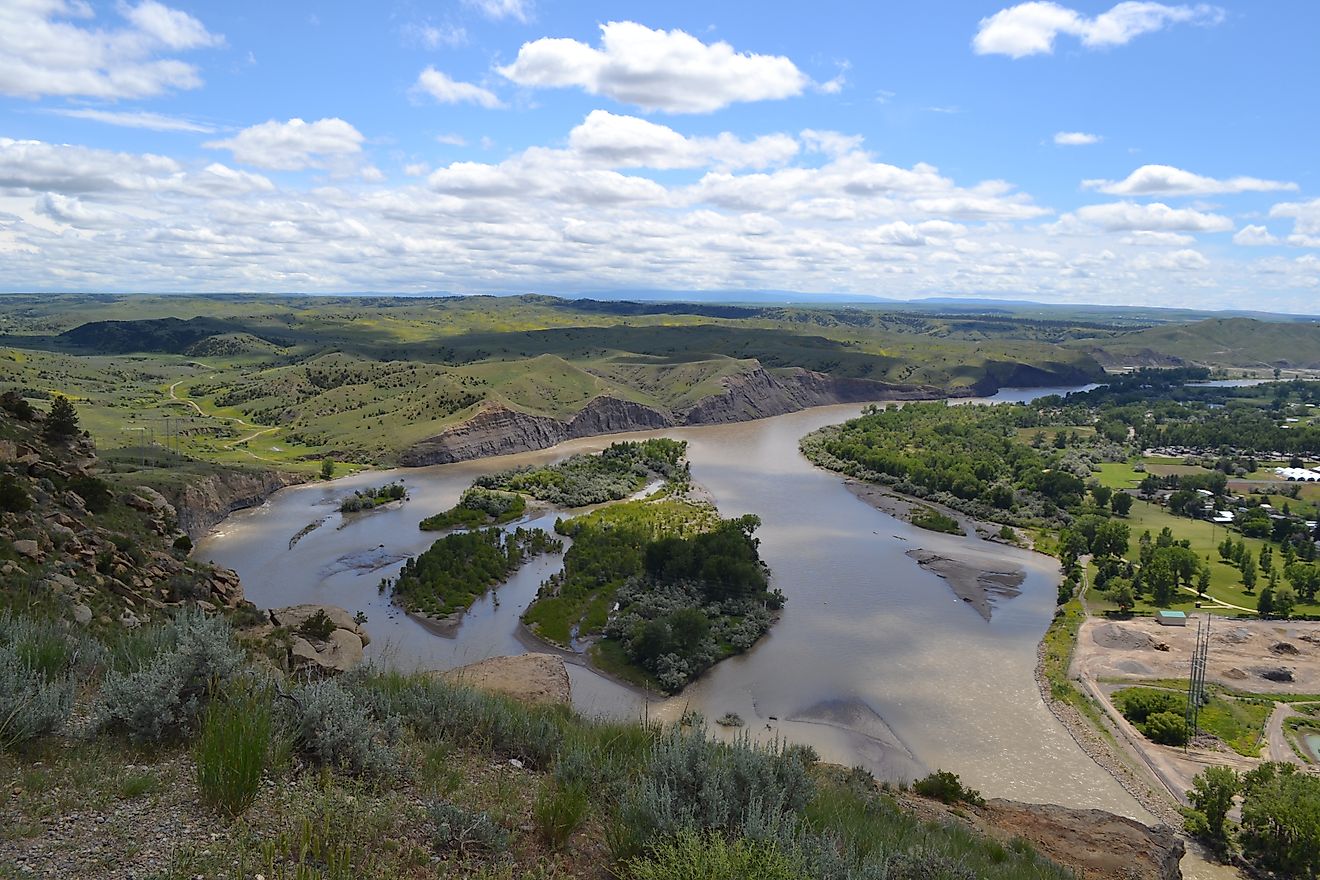
The Mississippi River, mightily spanning more than 2,300 miles throughout 10 states, empties into the Gulf of Mexico near New Orleans, LA. But before it merges with the sea and becomes the realm of the saltmarsh snake, the Mississippi nourishes dozens of snake species from northern to southern Louisiana. Along its northernmost stretch, which borders the state of Mississippi and the aforementioned oxbow lake of Lake Providence, the diamondback water snake reigns supreme. Close to its center, within the Tunica Hills, the northern cottonmouth, eastern copperhead, and timber rattlesnake (Crotalus horridus) cause substantial fear, but zero fatalities. And ahead of its final stretch, around the city of Baton Rouge, several species vie for supremacy in a veritable ophidiogarchy. Among them are the banded water snake, plain-bellied water snake, western ribbon snake, and, though not as plentiful, Graham's crawfish snake (Regina grahamii), which deserves mention for its specialized ability to feed almost solely on crayfish.
Lake Pontchartrain

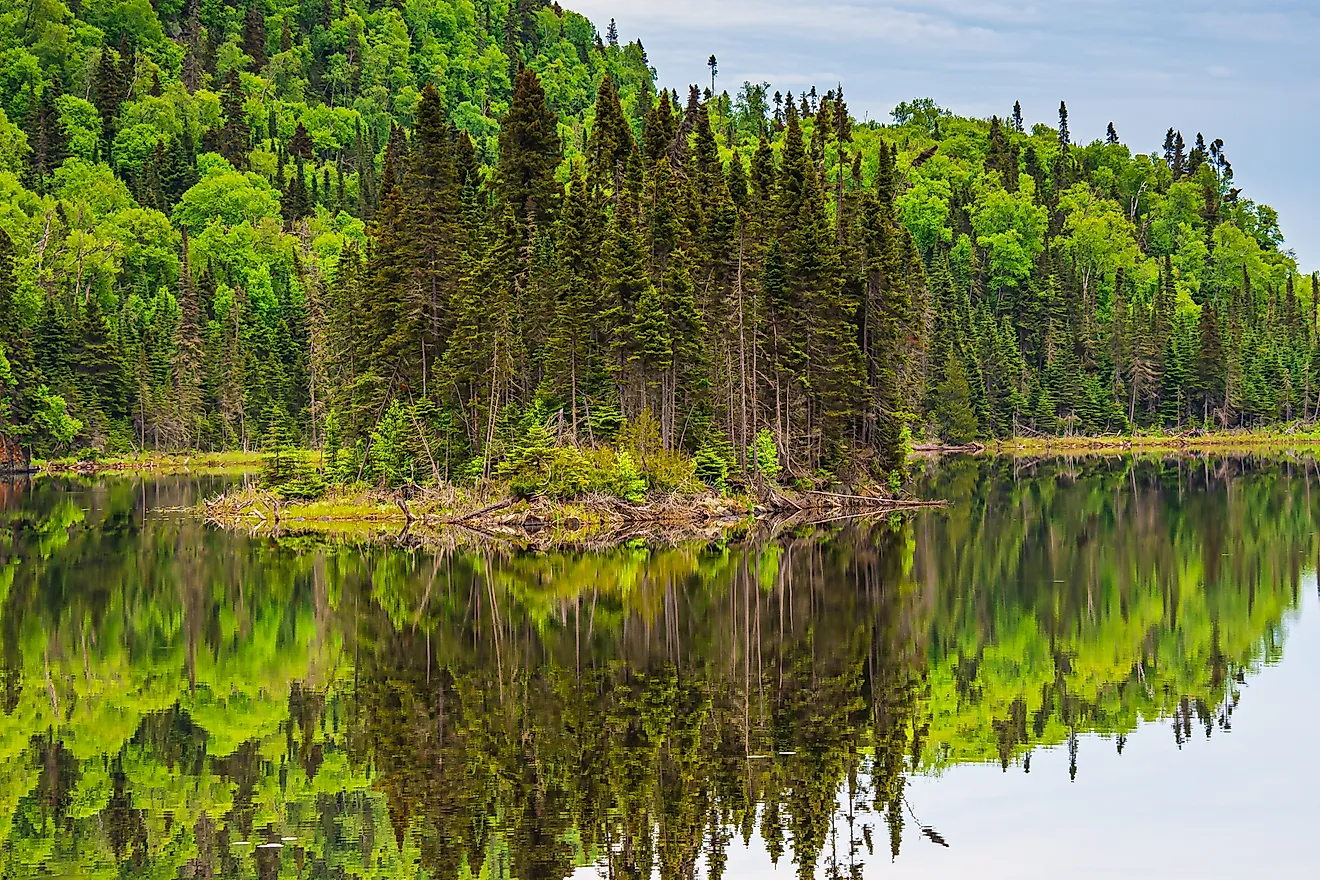
Lake Pontchartrain is a 630-square-mile estuary that is arguably Louisiana's hottest snake hotspot. The nucleus of southeastern LA, it feeds various biomes, ranging from swamplands to pine savannas to hardwood forests to Gulf waters, making it suitable for the majority of Louisianan snakes. Aquatic species like the Mississippi green water snake and the saltmarsh snake swim its brackish shallows; terrestrial species like the speckled king snake and the red corn snake (Pantherophis guttatus) slither its surrounding grounds; and arboreal species like the western ribbon snake and the rough green snake (Opheodrys aestivus) climb its sprouting trees. Lake Pontchartrain's diverse snakes and diverse habitats are protected by diverse preserves, including the Big Branch Marsh National Wildlife Refuge, Bayou Sauvage Urban National Wildlife Refuge, Manchac Wildlife Management Area, and Fontainebleau State Park.
You don't have to look long for aquatic snake hubs in sultry, swampy Louisiana. It has over 60,000 miles of rivers, roughly 1 million acres of lakes and reservoirs, and more than 10 million acres of wetlands and estuaries. Snakes can be found nearly everywhere that there is water, but certain water bodies are snakier than others. Whether you want to know where to go for a snake-heavy adventure or where not to go for a snake-free escape, keep Lake Providence, Caddo Lake, the Gulf of Mexico, the Mississippi River, and Lake Pontchartrain in mind.