6 Most Snake-Filled Bodies Of Water In Georgia
Georgia is a world-renowned hotspot for snakes, with 46 species said to inhabit the state. Snakes and alligators both thrive in the hot and humid sub-tropical climate here. Many of the state's waterways double as prime snake habitat and busy spots for boaters. Anglers and paddlers routinely share these waters with cottonmouths and watersnakes. Knowing which bodies of water hold the most snakes is worth a look before you head out.
Lake Seminole

Straddling Georgia's southwestern border with Florida, Lake Seminole hosts one of the Deep South's richest snake habitats thanks to its vast marshes, dense stands of cypress trees, and warm, shallow backwaters. Created in 1957 by the Jim Woodruff Dam, Lake Seminole is also nationally recognized for outstanding bass fishing and attracts birdwatchers hoping to spot bald eagles, ospreys, and large concentrations of wintering waterfowl, making it an important destination for both wildlife and outdoor recreation.
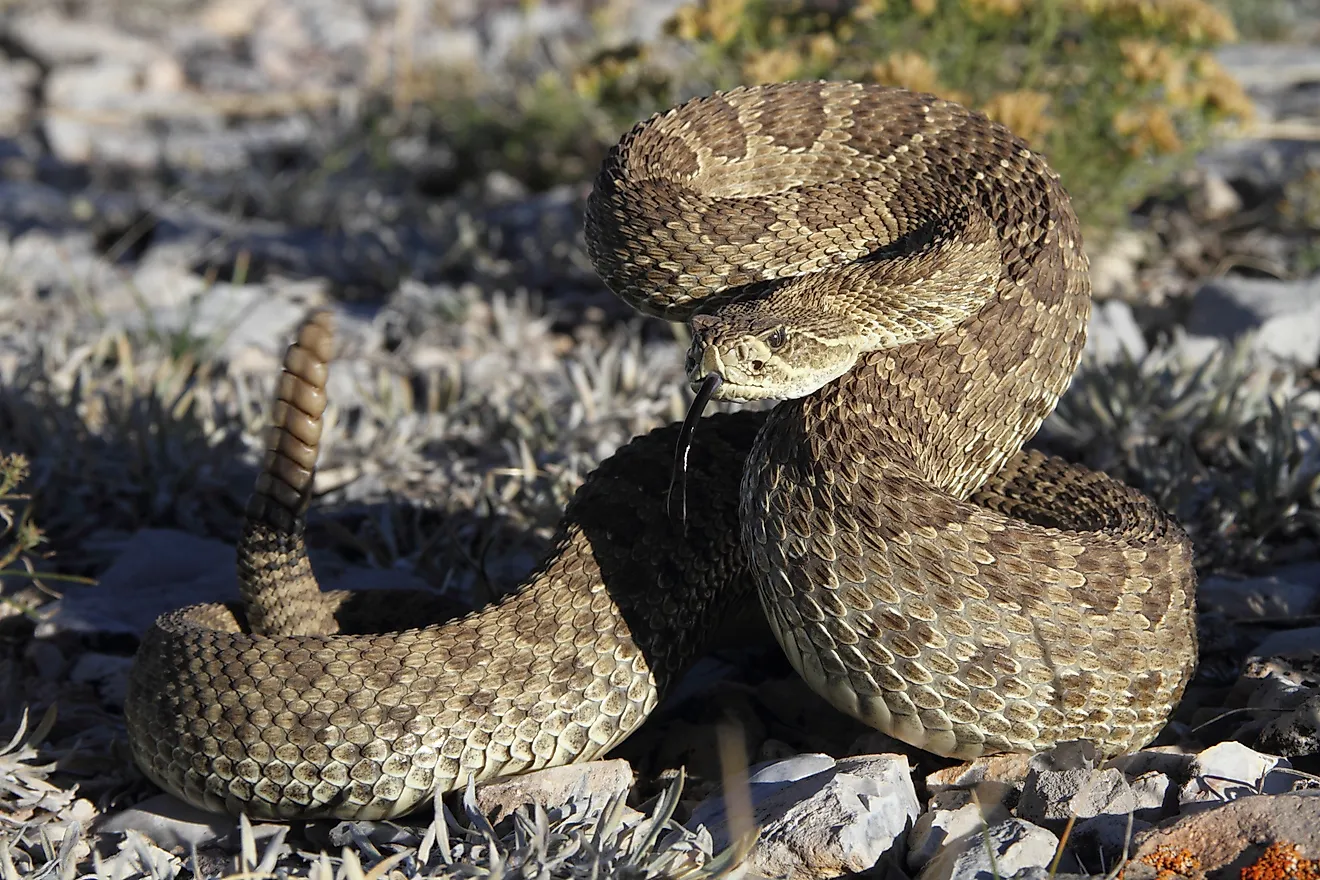
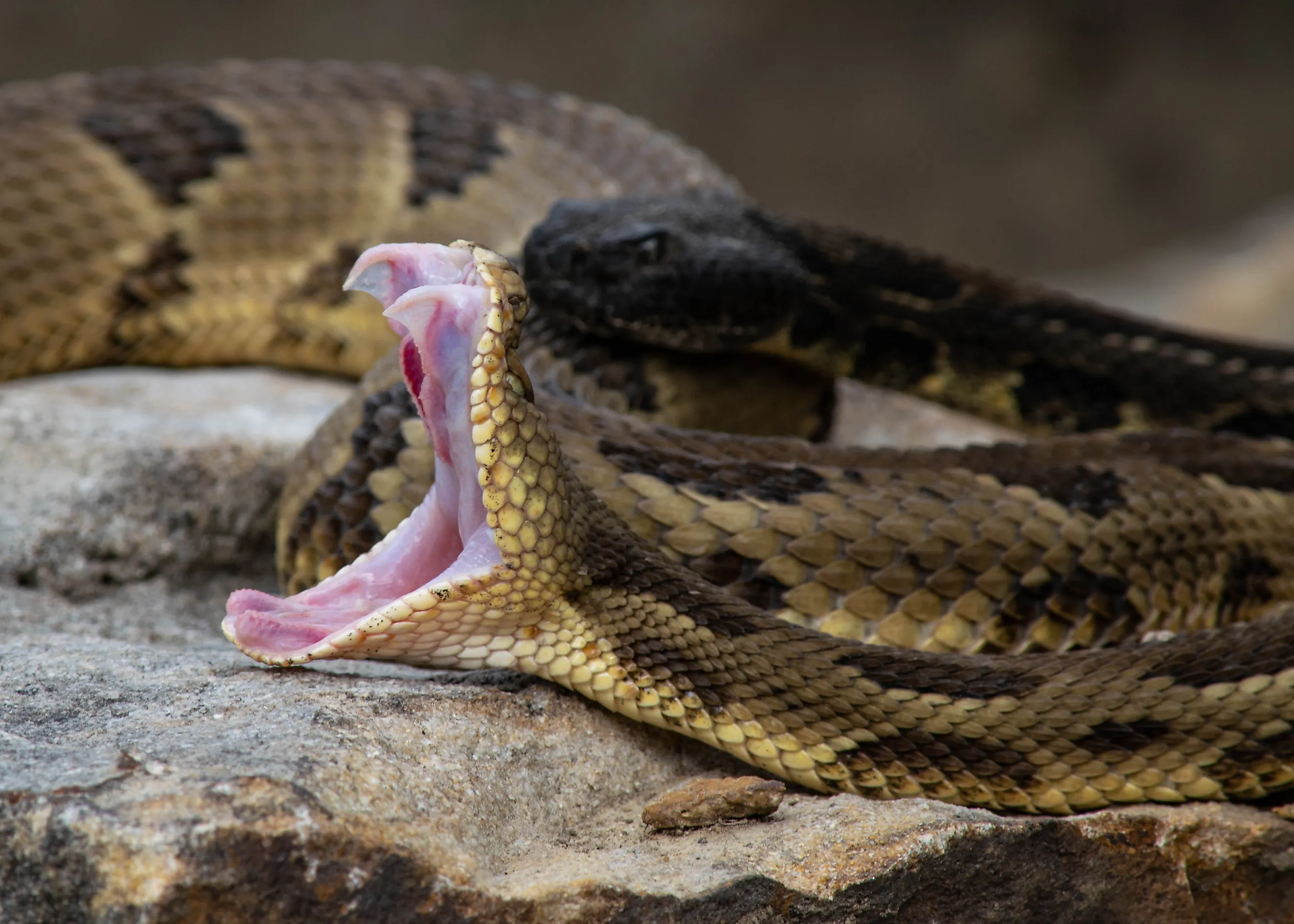
However, let's focus on this 37,500-acre reservoir's numerous snake species, including northern cottonmouths, banded watersnakes, brown watersnakes, eastern ribbonsnakes, eastern gartersnakes, and the highly venomous eastern diamondback rattlesnake in surrounding uplands. Moreover, cottonmouths (also known as "water moccasins") are especially associated with the lake's quiet coves and vegetated shorelines, where they hunt fish, frogs, and other prey. Nearby forests are also known for their rattlesnake presence, with timber rattlesnakes, eastern diamondbacks, and pygmy rattlesnakes present as well.
Keep in mind that although encounters with more water-based species are fairly common for anglers, paddlers, and boaters exploring the lake's surface, resident snakes generally avoid people unless cornered.
Okefenokee Swamp

The Okefenokee Swamp contains more than 438,000 acres of blackwater wetlands, peat-filled prairies, and slow-moving channels that provide ideal habitat for another remarkable variety of snakes. Frequently seen species include northern cottonmouths, banded watersnakes, brown watersnakes, eastern ribbonsnakes, mudsnakes, and eastern gartersnakes. Like in Lake Seminole, cottonmouths are likewise particularly well adapted to this massive swamp's shallow, vegetation-choked waterways, where they tend to feed on fish, amphibians, and smaller reptiles.
Visitors paddling or boating through narrow canals and close to shore often spot snakes basking on logs or swimming between floating vegetation, normally during warmer months. But despite their abundance, most snakes slip away long before people get close (although keeping distance is always recommended anyway).
The Okefenokee is equally famous for its American alligator population, with thousands inhabiting the swamp. Its distinctive blackwater ecosystem, stained dark by tannins released from decaying plants, also supports exceptional birdlife and an extraordinary diversity of other native flora and fauna that draw the attention of researchers almost as much as tourists.
Altamaha River

Stretching roughly 137 miles from the confluence of the Ocmulgee and Oconee rivers to the Atlantic Ocean, the Altamaha River meanders through a variety of broad floodplains, oxbow lakes, cypress-laden swamps, and tidal marshes, each of which supports an impressive diversity of reptiles, snakes no less. Cottonmouths are commonly found in quiet sloughs and backwaters, while banded watersnakes, brown watersnakes, indigo snakes, eastern ribbonsnakes, and rough greensnakes also thrive along the river's margins.
Plenty of fallen trees and overhanging vegetation further provide excellent basking and hunting sites, making snake sightings relatively common for kayakers and fishermen exploring slower sections. The Altamaha is also well-regarded for its immense ecological significance in other fields, flowing through one of the largest remaining undammed river systems on the Atlantic Coast and providing habitat for rare species such as the pigtoe mussel and Atlantic sturgeon.
Lake Blackshear

Long stretches of standing timber, lily pad fields, and sheltered inlets make Lake Blackshear attractive to many aquatic snake species. Technically a reservoir, Blackshear was created in 1930 when the Crisp County Power Dam impounded the Flint River, giving it nearly a century to develop mature aquatic habitat.
Because much of the shoreline here remains wooded, snakes and other water-loving critters can move easily between the lake and nearby wetlands without crossing developed areas. Early mornings often reveal banded watersnakes stretched across submerged branches, while northern cottonmouths patrol weedy shorelines in search of crayfish and other tasty meals. Brown watersnakes are another regular resident, frequently resting beneath docks or overhanging limbs before dropping into the water when startled or on the hunt. Rattlesnakes are prevalent as well, with timber rattlesnakes and pygmy rattlesnakes heavily documented in the area's woodlands.
Beyond its snake population, Lake Blackshear is yet another destination in southern Georgia renowned for its extensive cypress forests, which have made it one of the most recognizable weekend escapes of any lake in the state.
Satilla River

Closer to the coast, the Satilla River's lazily moving waters and dense swamp forests create conditions that favor a plethora of kinds of snakes adapted to America's southeastern wetlands. Recognized for its unusually dark appearance, caused by tannins from decaying vegetation, the tea-colored waters here flow through some of Georgia's largest remaining tracts of undeveloped swamp habitat before reaching the Atlantic Ocean near St. Simons Island.
The river's more remote stretches contain extensive bottomland forests, giving snakes, turtles, alligators, and other reptiles plenty of cover away from heavy human activity. With that, paddlers traveling through the Satilla's winding channels will often see snakes sunning themselves on boulders or on branches above the water, or slipping beneath the surface when disturbed.
In terms of specific local species, banded watersnakes are widespread along the Satilla River, often hunting in shallower areas, while other typical snakes within this state, like brown watersnakes, indigo snakes, and northern cottonmouths, occupy similar habitats among cypress roots, downed trees, and muddy banks.
Lake Lanier

Although heavily developed when compared with Georgia's remote swamps and rivers (mainly due to its location just north of Atlanta), Lake Lanier still provides a healthy habitat for countless species of snakes. Brown watersnakes, eastern ribbonsnakes, and common gartersnakes are frequently associated with the lake's shallow edges, while northern watersnakes are especially common around rocky banks and quiet coves, where they prefer this more northern-lying lake's somewhat cooler climate in relation to spots closer to Florida.
Formed by the completion of Buford Dam on the Chattahoochee River in 1956, Lake Lanier is also an important drinking water source for much of the Atlanta metropolitan area, as well as a major destination for boating, fishing, swimming, and general cottaging. But Lake Lanier's numerous islands and pockets of undeveloped shoreline still create plenty of surprisingly suitable habitat in lieu of the high levels of human recreation that take place here.
Watch Out for Snakes in These Lively Southern Bodies of Water
Georgia's array of snake-filled waters ranges from vast wetlands and coastal rivers to reservoirs shaped by man-made landscapes. These habitats often house a remarkable variety of aquatic and semi-aquatic species, each playing a role in their ecosystems. But while the thought of an encounter may seem intimidating, these slithery reptiles are important predators that help maintain balance throughout the state's diverse waterways, making awareness vital for both your safety and theirs.