7 Most Rattlesnake Infested Areas in Georgia
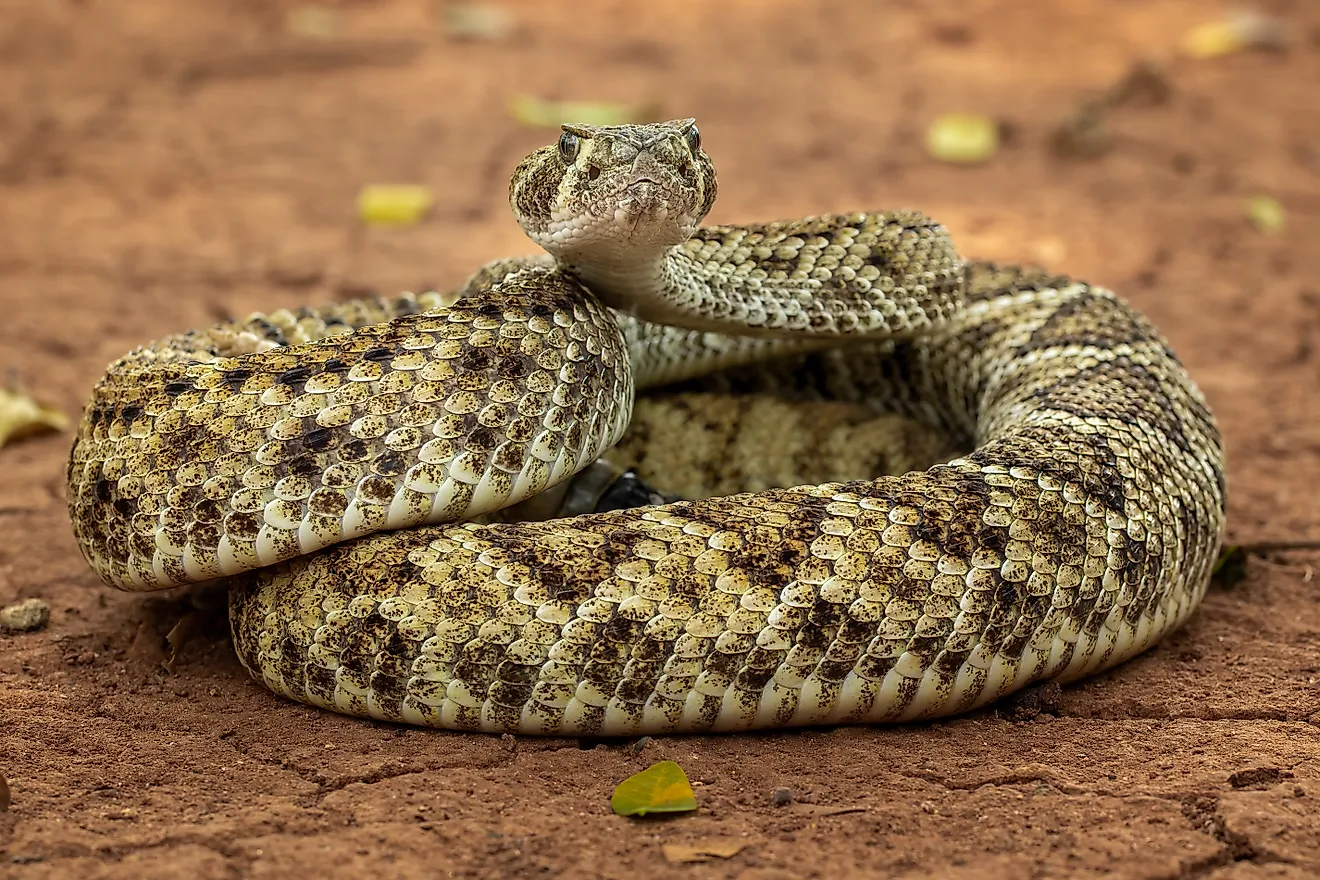
Georgia has 47 species of snakes within its borders, most of which are non-venomous, but there are six species of venomous snakes that live there as well. Half of these are rattlesnakes. From smallest to largest, Georgia is home to the Pygmy Rattlesnake, Timber Rattlesnake, and Eastern Diamondback Rattlesnake. All of these creatures are named after the rattle on the ends of their tails which they shake to warn off potential predators. They are pit vipers, which means they lie in wait for prey to pass by them. Most of them will flee from humans, but they may bite if they feel threatened.
While these snakes may be frightening to some, they serve an important role in the ecosystem of Georgia as they consume common pests like rats and mice. In addition, snake bites are a rare occurrence in the U.S., and only 5 to 6 people die nationwide from rattlesnake bites annually in the country.
Here are 7 of the most rattlesnake-infested areas in Georgia.
Florence Marina State Park

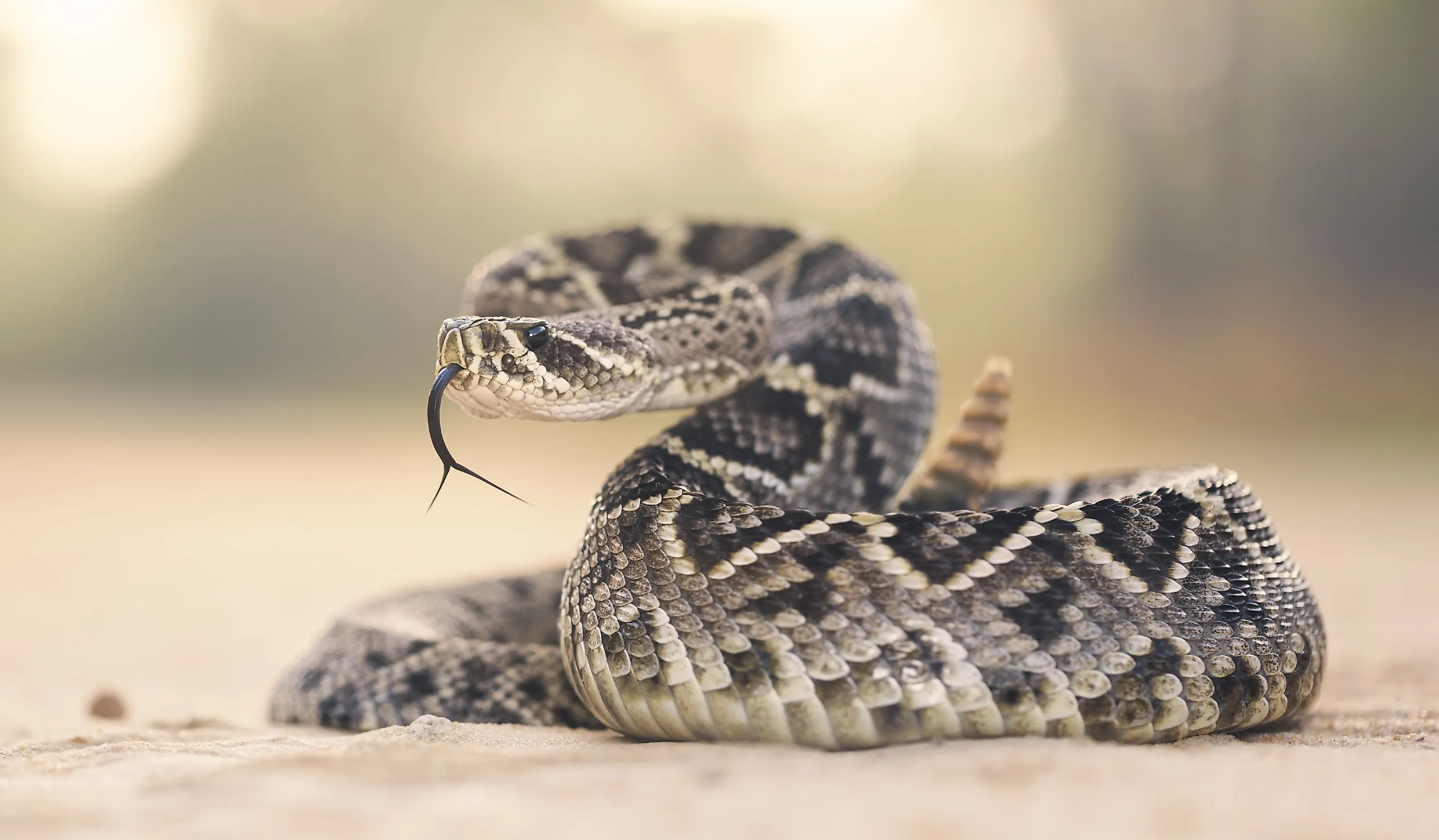
Nestled in Georgia's Southern Coastal Plain region are numerous picturesque state parks. One notable example is Florence Marina State Park, located at the northern tip of Lake Walter F. George. Popular among bird watchers, anglers, water sports enthusiasts, and history buffs—who can view Paleo-Indian artifacts from prehistoric times—this park offers diverse attractions. However, it lies within the habitat range of all three of Georgia's rattlesnake species. The Pygmy rattlesnake is a small snake, measuring only 14 to 22 inches, with a rattler that can break off due to its size. Its coloration varies from gray to tan to lavender. Timber rattlesnakes are larger, measuring 36 to 40 inches, with dark brown or black crossbands on a brown or gray body. The Eastern diamond rattlesnake, the most formidable snake in the coastal plain, is also the largest venomous snake in North America, typically reaching lengths of 3 to 6 feet. While these snakes usually prefer drier habitats, they are strong swimmers capable of crossing lakes and other bodies of water to reach new destinations.
Lake Hartwell

This man-made lake beautifully marks the border between South Carolina and Georgia, with an impressive shoreline stretching about 962 miles. Created by the Hartwell Dam back in 1962, it offers a wonderful variety of outdoor activities, including hiking, bass fishing, camping, wakeboarding, boating, and more — perfect for all adventure lovers.
While enjoying your time at this lovely lake, you might encounter a few snake species, such as the highly venomous cottonmouth and two types of rattlesnakes: Timber and Pygmy.
Timber rattlesnakes are active throughout the day but tend to hibernate during the winter months. Sometimes, they come out onto roads and trails to soak up some sun. These snakes are solitary and are rarely seen together, except during mating season from spring through late summer.
The official Lake Hartwell site suggests that a gentle spray of water from a hose usually encourages snakes to move along if they’re blocking your way.
Sweetwater Creek State Park

This charming spot is just a short drive from downtown Atlanta, making it a wonderful retreat for those wanting to escape the hustle and bustle of the city. It boasts a lovely 215-acre George Sparks Reservoir that's perfect for fishing and picnicking. Visitors can also enjoy a scenic trail that passes by the historic ruins of the New Manchester Manufacturing Company, which burned down during the American Civil War.
Thanks to its central Georgia location, you might encounter Timber or Pygmy rattlesnakes here, though eastern diamondbacks are only found in the southern parts of Georgia below the Fall Line.
While these snakes are generally unlikely to bite, it’s good to be cautious because their venom contains hemotoxins that can cause serious damage. If bitten, try to stay calm and keep the bitten area lower than your heart to slow the spread of venom. Most importantly, seek medical care immediately—prompt treatment is essential.
Fort Mountain State Park

Located within the Cohutta Mountains in North Georgia, Fort Mountain State Park is an ideal place for mountain lovers, hikers, cyclists and others. It was originally owned by the Cherokee Indians, whose impact can still be felt in the area.
There are all manner of activities in the park, from a 17 acre lake, to 27 miles of biking trails, more than 25 miles of hiking trails, campsites, and a Civilian Conservation Corp Fire Tower.
Timber Rattlesnakes can be found in the mountains of North Georgia and that includes Fort Mountain. Visitors to the area have reported running into rattlesnakes while hiking. It's a good idea to wear firm hiking boots while exploring the area in case of an encounter with one of these venomous snakes.
Pine Lake

Pine Lake is a small community nestled in the larger Dekalb County. It is named after the lake itself in the center of the city. The area also has a number of wetland areas such as Eastern Wetlands made up of stormwater runoff from Snapfinger Creek.
This wetlands environment leads to a rich ecology and is a great place for snakes to congregate, including Timber rattlesnakes and Pygmy rattlesnakes.
The tiny Pygmy rattlesnake is just as solitary as the timber rattlesnakes and is active day and night. These snakes don't dig their own burrows but steal ones from rodents or tortoises. They will eat other rodents or small lizards such as skinks. Due to their small size, they don’t have a lot of venom and are unlikely to deliver a fatal dose of venom to a person.
Jekyll Island

Nestled in the beautiful Golden Isles, Jekyll Island offers a peaceful escape for visitors exploring Georgia. While the name might evoke the mysterious tale of Dr. Jekyll and Mr. Hyde, the island itself is charming and picturesque.
Here, you can enjoy 10 miles of inviting beaches perfect for relaxing, swimming, and discovering hidden treasures. The island also offers a variety of fun activities, including the Mosaic Jekyll Island Museum, the Georgia Sea Turtle Center, mini golf, and more.
It's good to be mindful of the local wildlife, including some reptiles like alligators and the impressive Eastern Diamondback Rattlesnake. These snakes are quite common in the coastal region of Georgia and play an important role in keeping the rodent and rabbit populations in check. To ensure safety, the island uses radio-tracking to monitor these snakes, supporting conservation efforts and helping prevent human encounters.
The island kindly reminds visitors that most snake bites happen when someone tries to handle or kill a snake. The safest approach is to admire these creatures from a distance and enjoy your visit responsibly.
Cumberland Island National Seashore

Also located in the coastal region, the Cumberland Island National Seashore is only accessible via ferry in St. Marys, Georgia, and is a great destination for wildlife spotting in Georgia. On the seashore, one can explore 17 miles of undeveloped beaches or explore multiple historic buildings like the 20th century 22,000 square foot Plum Orchard Mansion, built for George Lauder Carnegie, or the Dungeness Ruins of the 1884 mansion that burned down in 1959.
However, visitors should be very careful of visiting these ruins, as they are a favorite place to hide for snakes looking for prey. This includes the Eastern Diamondback Rattlesnake. This rattlesnake can grow up to 8 feet and has a diamond-shaped pattern along its back.
This creature will bite its prey first, then wait for it to die before consuming it. It tends to be most active during the evenings or early in the mornings, while avoiding the hot temperatures in midday. Due to its highly venomous bite, visitors should be very cautious when exploring the ruins or shore of the Cumberland Island.
Snakes do not mean any harm to humans as we are not their prey. However, like any creature, it will lash out when threatened. When encountering any snake, regardless of its type, one should give it a wide berth and, if possible, snap a photo so you can better identify it.
The worst mistake one can make is trying to handle or kill one of these snakes. For one, in many places the snakes are protected and it's illegal to kill them. For another, harassing them is asking for trouble. When exploring these rattlesnake infested areas in Georgia, stay aware of your surroundings and follow local guidelines. Snake bites are rare, but it's always best to be cautious and show these creatures respect.