5 Snake-Filled Waters In Texas
Texas has more water-dwelling snakes than almost anywhere in the country, and many of its warm lakes, rivers, and reservoirs provide idyllic habitats for dense populations. Long summers and abundant food allow these snakes to remain active for much of the year as well, from the swampy out east waters to the rocky border reservoirs of West Texas and beyond.
These environments create ideal conditions for both venomous and nonvenomous species, and in many locations, seeing multiple snakes in a single outing is normal rather than unusual. Knowing that, we will highlight five bodies of water in the Lone Star State where these predatory critters are especially common, while also explaining what makes each location attractive to snakes beyond simple geography.
Caddo Lake

Caddo Lake definitely stands out as one of the most snake-filled bodies of water in this Deep Southern state. Sprawling across the Texas-Louisiana border, this maze of bayous, sloughs, and flooded cypress forests creates an ideal habitat for water snakes and land-loving species alike.
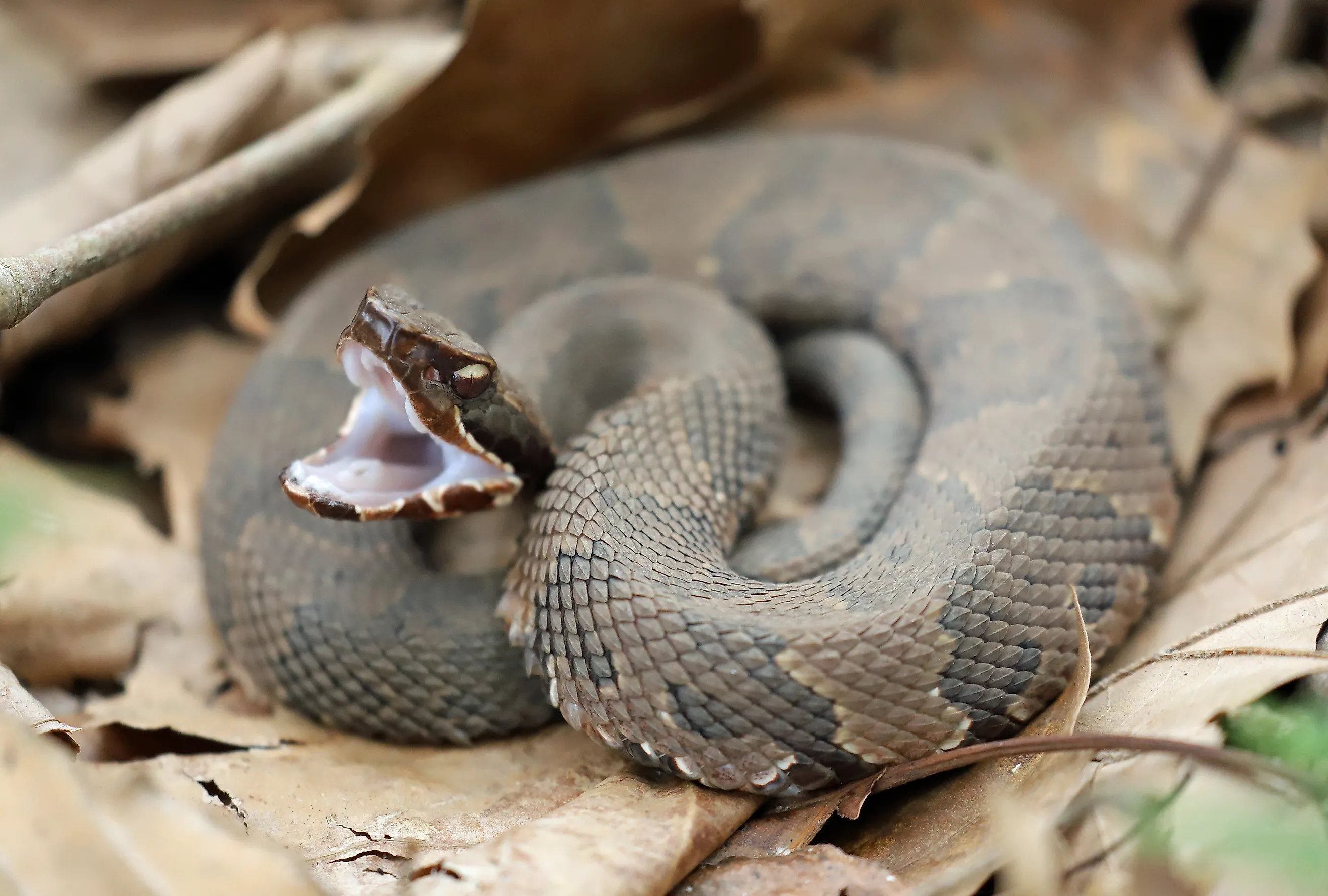
Cottonmouths are especially common here, often seen draped over low branches or swimming between stands of bald cypress, while nonvenomous diamondback watersnakes and plain-bellied watersnakes are also fairly widespread, drawn by the lake’s abundant fish, frogs, and shallow cover.

Beyond its reputation for snakes, Caddo Lake is one of the only natural lakes in Texas and supports more than 70 species of fish and hundreds of bird species. It's also a big tourist draw, known for the picturesque Spanish moss hanging from its old-growth trees that give the area a distinctly primeval feel. Moreover, kayakers and anglers frequent the lake, even though encounters with snakes are a routine part of the experience!
Lake Livingston

Lake Livingston is another famed Texas waterway where snakes are a near constant presence. Located on the Trinity River north of Houston, this man-made reservoir features a number of shallow coves, flooded timber, and marshy shorelines where a variety of fauna thrive.
Like Caddo, cottonmouths are commonly reported along the more vegetated banks and near boat ramps, especially during warmer months, while diamondback watersnakes, rat snakes, and plain-bellied watersnakes may be even more abundant, feeding on the lake’s healthy populations of fish and amphibians.

This lake spans more than 83,000 acres, making it one of the largest reservoirs in Texas and a major source of drinking water for the Houston area. It is also a popular destination for boating, crappie fishing, and camping, but despite its heavy recreational use, snake encounters remain frequent, particularly in quieter backwaters and undeveloped sections of shoreline. Always watch your step and check the water before jumping in.
Toledo Bend Reservoir

The Toledo Bend Reservoir has among the highest concentrations of water snakes in East Texas. Built along the Sabine River, this distinctive reservoir’s long, winding shoreline creates miles of flooded brush and woodlands that snakes use for cover and hunting. Cottonmouths, Texas coral snakes, canebrake rattlesnakes, and western pygmy rattlesnakes are most visible here during spring and early summer when rising water pushes them into open areas and across narrow channels.

Toledo Bend is also one of the top bass fishing lakes in the country, drawing heavy boat traffic year-round, with local anglers often reporting seeing multiple snakes in a single cove, especially near standing trees and submerged foliage. A plethora of reptiles, in fact, remain widespread here because large sections of Toledo Bend's shoreline are undeveloped and difficult to access for humans.
This combination of fluctuating water levels, lots of pristine habitat, abundant prey, and little human interference makes this reservoir a reliable hotspot for nature sightings of all kinds, let alone just for snakes.
Lake Somerville

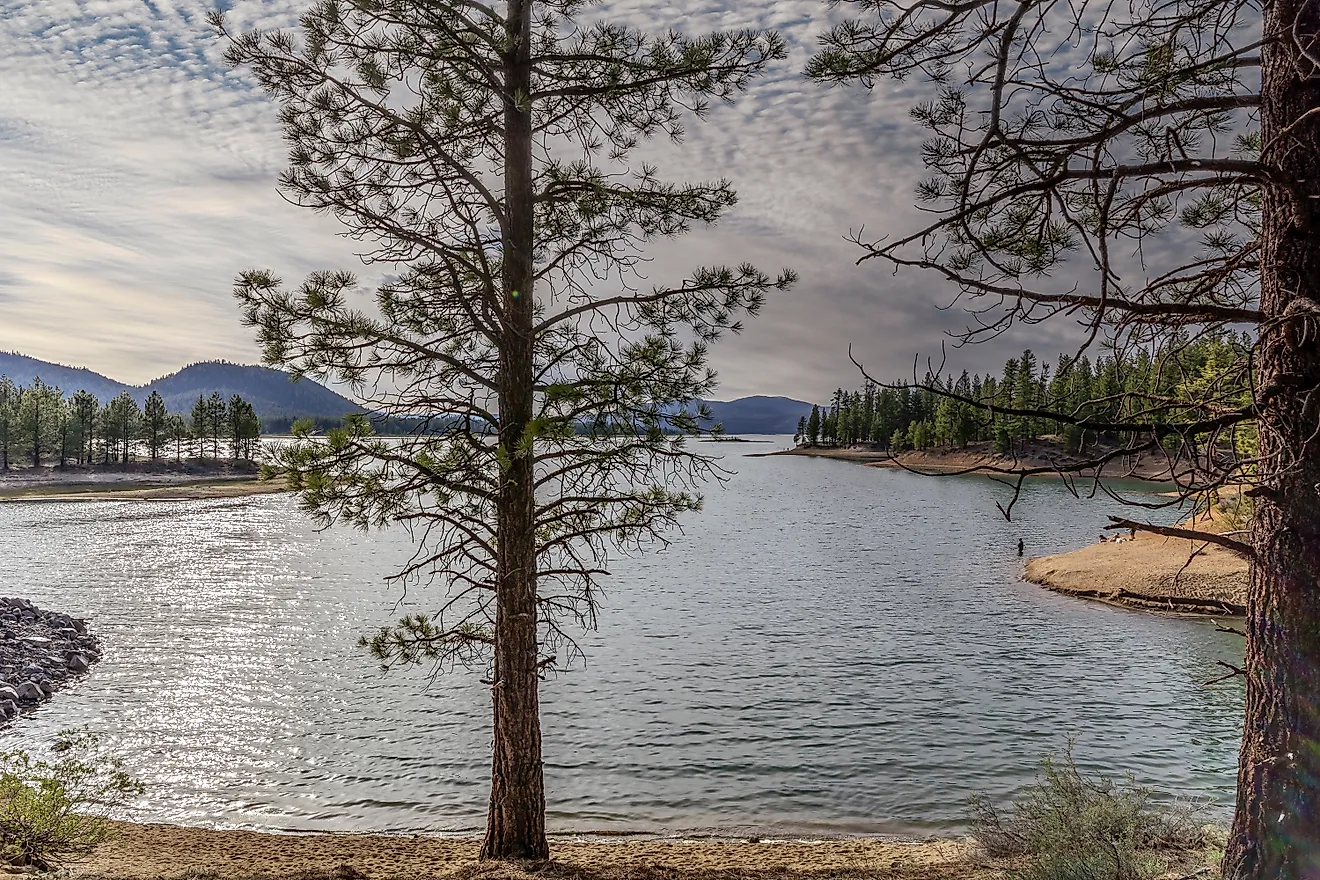
Another hotspot for weekend getaways, Lake Somerville is also frequented by another, more cold-blooded kind of creature. This lake, sitting roughly halfway between Houston and Austin, is surrounded by open prairie, brush, and low wetlands that flood seasonally.
During the warmer months of the year, local snakes are frequently seen crossing shallow water or basking along grassy shorelines, especially after heavy rains. Those fluctuations sometimes strand fish and amphibians in temporary pools, creating easy feeding opportunities for species like timber rattlesnakes (which tend to dwell inland), copperheads, and, as usual in this state, cottonmouths.

Lake Somerville is yet another Lone Star locale popular for outdoor activities, namely camping, birding, and horseback riding, so snake encounters here tend to happen on trails close to shore rather than far out on the water.
Lake Amistad

Lake Amistad presents one of the most visible snake destinations in Texas due to its clear water and highly exposed shorelines. Located along the Rio Grande near the city of Del Rio, this reservoir is exemplified by its steep limestone banks, rocky coves, and sparse vegetation when compared to the more verdant lakes out east.
Some resident snakes can be spotted swimming in open waters here, making them more noticeable to boaters and paddlers. You might spot Texas indigo snakes, Trans-Pecos black-headed snakes, copperheads, Texas coral snakes, and banded rock snakes, many of which prefer staying on land instead, though are sometimes present in sheltered inlets and along the river arms.

As mentioned, Lake Amistad is renowned for its exceptional water clarity and remote canyons, which attract divers and anglers alike. On the other hand, the surrounding desert landscape of the Amistad National Recreation Area is extremely arid and rugged, offering little shade, so snakes tend to stay close to water edges during hot weather. With that, encounters often occur near the shoreline rather than along the networks of hiking trails in the park that tend to be located further inland.
Watch Out for These Watery Snake Hotspots in Texas
Texas’s diverse array of waters offers some of the most lively snake populations in the country, from flooded cypress swamps to desert reservoirs. Encounters with venomous cottonmouths and less dangerous water snakes are fairly common, especially in quieter backcountry areas and along shallow shorelines. On top of that, these habitats support abundant wildlife of all kinds, whether it be alligators, turtles, or fish, making it important to explore with caution and respect, regardless of where you are.