5 Most Snake-Filled Bodies Of Water In Missouri
Missouri is home to countless rivers, reservoirs, and wetlands that support a wide mix of wildlife. That includes plenty of snakes. Harmless watersnakes are common, and venomous cottonmouths turn up in the southeastern lowlands.
Major systems like the Mississippi floodplain and the Lake of the Ozarks create networks of backwaters and swamps. These prey-rich shallows are where the snakes concentrate. Seasonal flooding reshapes the habitat and pushes it into places people visit. Northern watersnakes and plain-bellied watersnakes share these shorelines all across the state.
Mississippi River

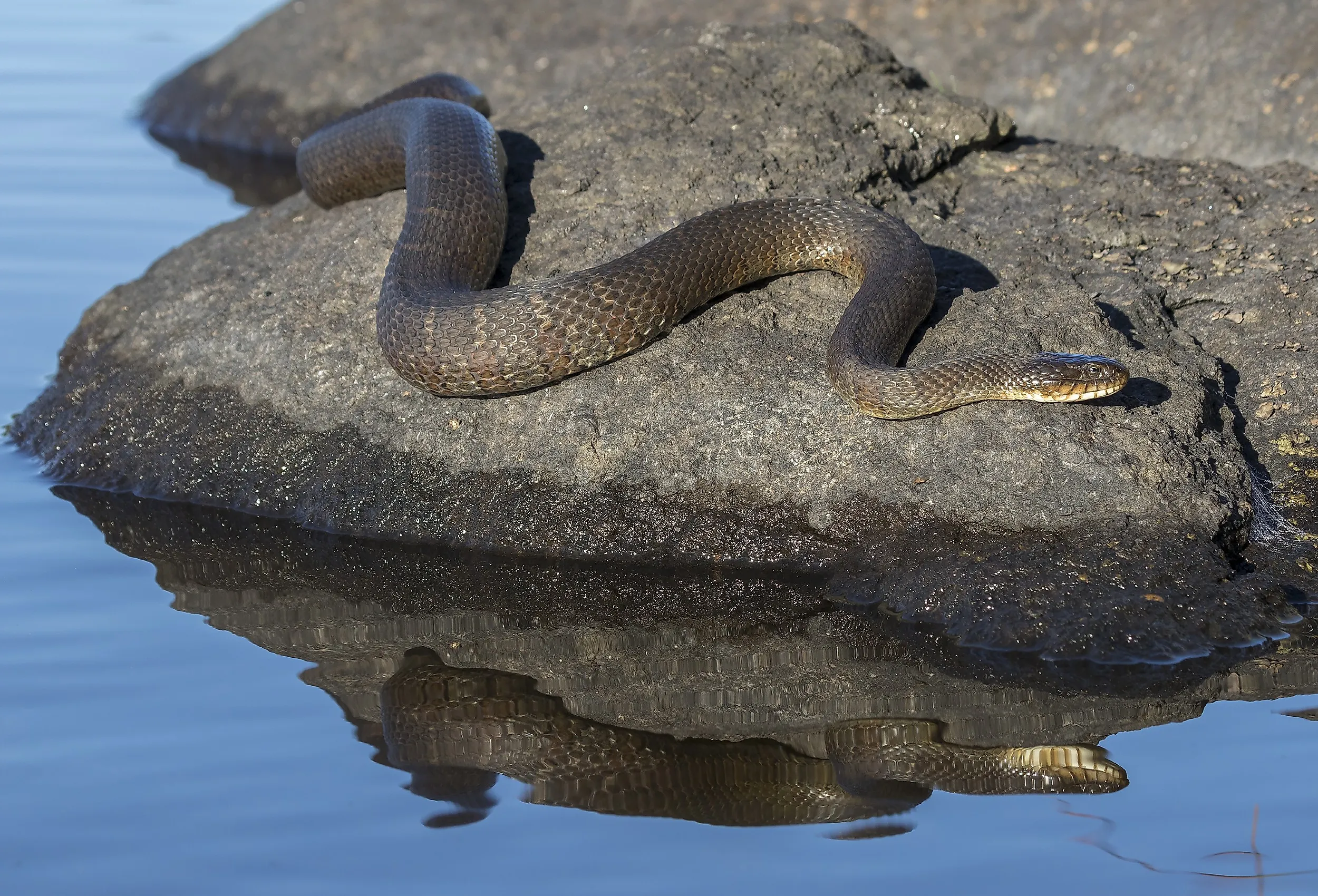
Missouri's portion of the Mississippi River has an impressive variety of aquatic and semi-aquatic snakes, making it a strong starting point for this list. Tons of backwaters, sloughs, oxbow lakes, marshes, and slow-moving side channels along the way provide ideal habitat for northern watersnakes in particular. These medium-sized, heavy-bodied snakes vary in color and can be reddish-brown or gray, and are marked with dark crossbands or blotches that often fade with age. Although frequently mistaken for venomous cottonmouths, northern watersnakes are nonvenomous and rely on fish, frogs, salamanders, and crayfish for food.

The river's extensive floodplain within the state constantly creates new wetlands, full of fallen timber, and vegetated shorelines where snakes can hunt and bask, too. Regular flooding further expands available habitat, supporting healthy populations throughout much of the river's Missouri corridor. With that, diamond-backed watersnakes also occur in many parts of the state's southeastern corner, connected to the Mississippi's wetlands and adding another significant aquatic species to the region.
Lake of the Ozarks

Lake of the Ozarks offers excellent open water habitat for several snake species thanks to its hundreds of miles of shoreline, countless coves, wooded bluffs, and quiet inlets. Among its most notable residents is the plain-bellied watersnake, a stout-bodied, nonvenomous species recognized by its nearly patternless brown, gray, or olive upper body and distinctly unmarked yellow, orange, or reddish underside.

Unlike northern watersnakes, adults often lack bold crossbands, giving them a cleaner appearance. They spend much of the warmer months hunting in shallow water before retreating beneath rocks, logs, or shoreline vegetation.
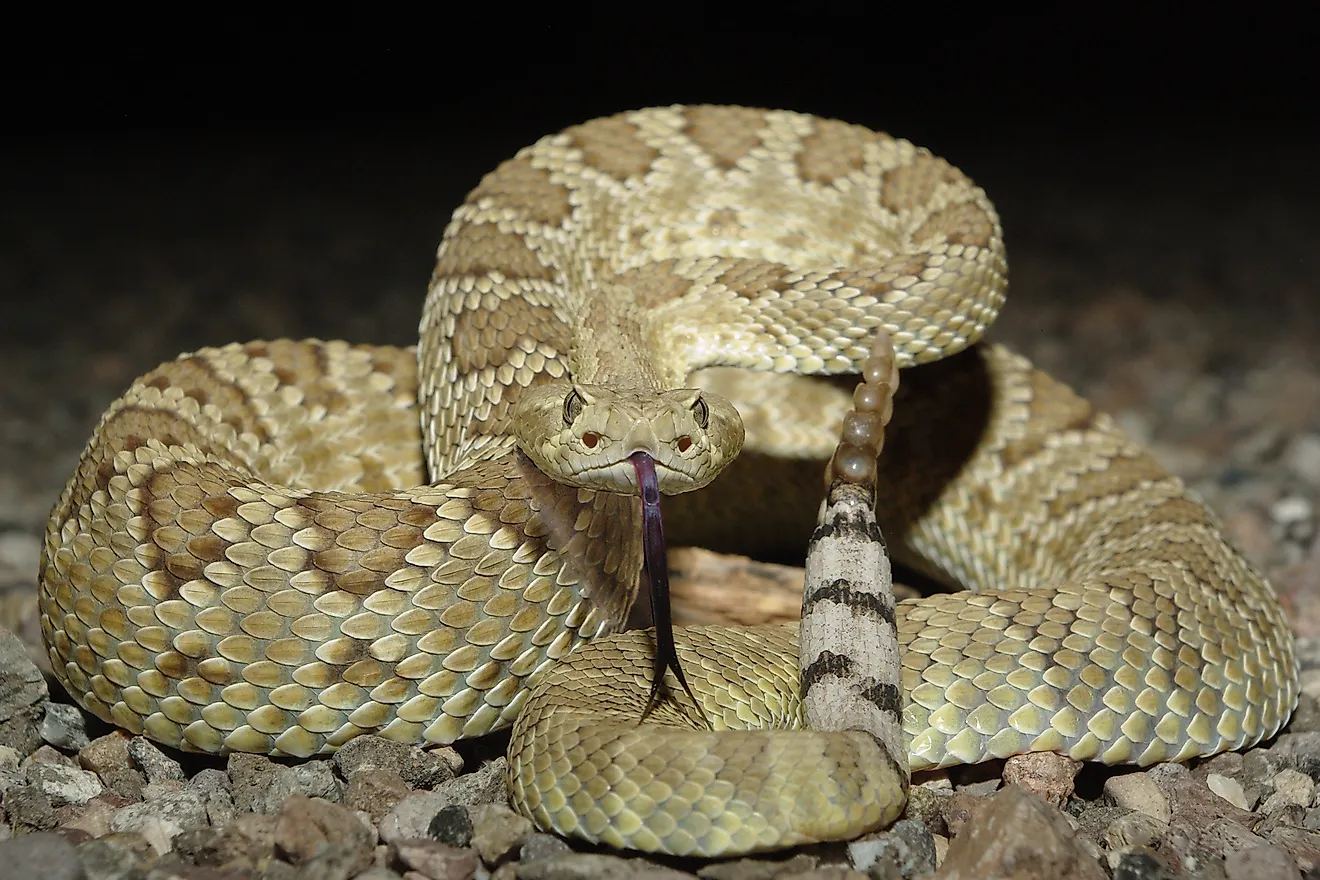
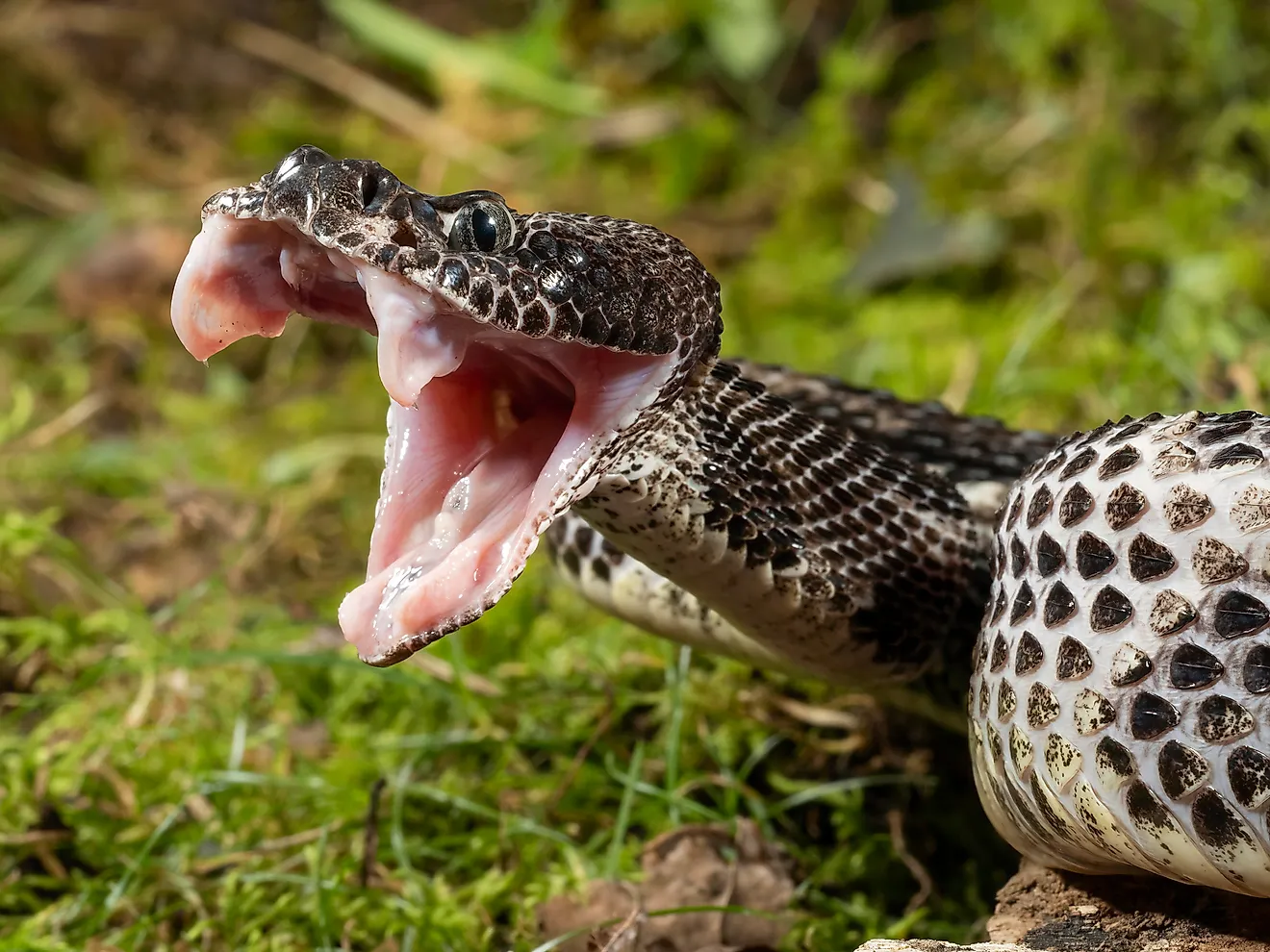
The lake's fluctuating water levels expose mudflats, submerged foliage, and rock-covered banks that create productive feeding and basking sites for numerous others, too. Common watersnakes, western ratsnakes, copperheads, timber rattlesnakes, pygmy rattlesnakes, cottonmouths, and eastern gartersnakes are also found around the reservoir, reflecting the diversity of habitat surrounding one of Missouri's largest lakes.
Mingo National Wildlife Refuge

Mingo National Wildlife Refuge in southeastern Missouri is an outstanding place for aquatic snakes because it preserves thousands of acres of cypress-tupelo swamps, marshes, oxbow lakes, and other kinds of waterways. These wetlands provide prime habitat for the broad-banded watersnake, a nonvenomous species distinguished by its wide, dark crossbands separated by lighter tan or reddish spaces. These distinctive bands remain prominent into adulthood, giving these snakes a noticeably bold pattern. Furthermore, they spend much of their time in or near shallow water, feeding on fish and amphibians before slipping beneath floating vegetation or tangled root systems for cover.

Extensive stands of aquatic plants, abundant prey, and relatively undisturbed wetland habitat allow multiple snake species to occupy the same general area, making Mingo National Wildlife Refuge one of Missouri's richest locations for water-associated snakes. The refuge boasts healthy numbers of northern watersnakes, diamond-backed watersnakes, and venomous western cottonmouths, particularly in its southern wetlands.
Hornersville Swamp Conservation Area

Hornersville Swamp Conservation Area, sitting in Missouri's Bootheel, connects directly to Big Lake National Wildlife Refuge, which surrounds a large natural lake just across the line in neighboring Arkansas, formed by the powerful New Madrid earthquakes of the early 1800s. However, shallow, warm waters and swamps on each side of the combined parkland create ideal conditions for aquatic snakes as well as a few other reptiles like American alligators and turtles.

Western cottonmouths are regularly encountered here. These venomous pit vipers are typically dark olive, brown, or nearly black, with broad, triangular heads and heat-sensing facial pits, important to keep in mind should you wish to spot one before getting too close. Moreover, younger individuals display more distinct crossbands, while older snakes often appear almost uniformly dark. Like many other snake species in the state, they generally prey on fish, frogs, turtles, small mammals, and even other snakes, taking advantage of the refuge's abundant, productive wetlands.
Big Lake itself also houses the typical local selection of northern watersnakes, plain-bellied watersnakes, and diamond-backed watersnakes, making it very possible to observe several aquatic species occupying the same marshes and drainage channels. Flooding from the surrounding floodplain continually refreshes the habitat, too, sustaining diverse and successful reptile populations year after year.
Table Rock Lake

Table Rock Lake spans a sizable chunk of southern Missouri and northern Arkansas, with its clear coves, rocky shorelines, and quiet creek arms that support several water-loving snake species. For one, eastern gartersnakes are frequently found around the lake's marshy edges and shallow inlets. These slender, nonvenomous snakes that can be spotted in many spots around the United States are easily identified by three light-colored stripes running the length of the body against a darker background that may be brown, black, or olive. Although they spend less time in open water than true watersnakes, they readily swim while hunting frogs, tadpoles, fish, earthworms, and other small prey along the lake's shoreline.

More resident aquatic species, including northern watersnakes and plain-bellied watersnakes, also inhabit suitable areas around this reservoir, where vegetation and fallen trees provide ample cover. The area is quite well-known for its rattlers as well, namely western pygmy rattlesnakes, as the lake's irregular shoreline creates countless sheltered pockets that remain productive feeding grounds throughout the warmer months.
Keep An Eye Out For Snakes In These Missouri Hotspots
Across these water bodies, aquatic snakes are a constant presence that paddlers, anglers, and hikers alike commonly run into. Floodplains, swamp systems, and both artificial and natural freshwater lakes all provide the right conditions that sustain overlapping populations consisting mostly of watersnakes, gartersnakes, and more dangerous species like cottonmouths and rattlesnakes in the country's southeast. To add to that, seasonal shifts in water levels and plenty of pristine woodlands nearby (many of which are under the protection of state or national parks) ensure these locations remain ecologically intact across the board, making way for a variety of reptile activity throughout much of the year.