How Long Would It Take To Refill The Great Salt Lake?
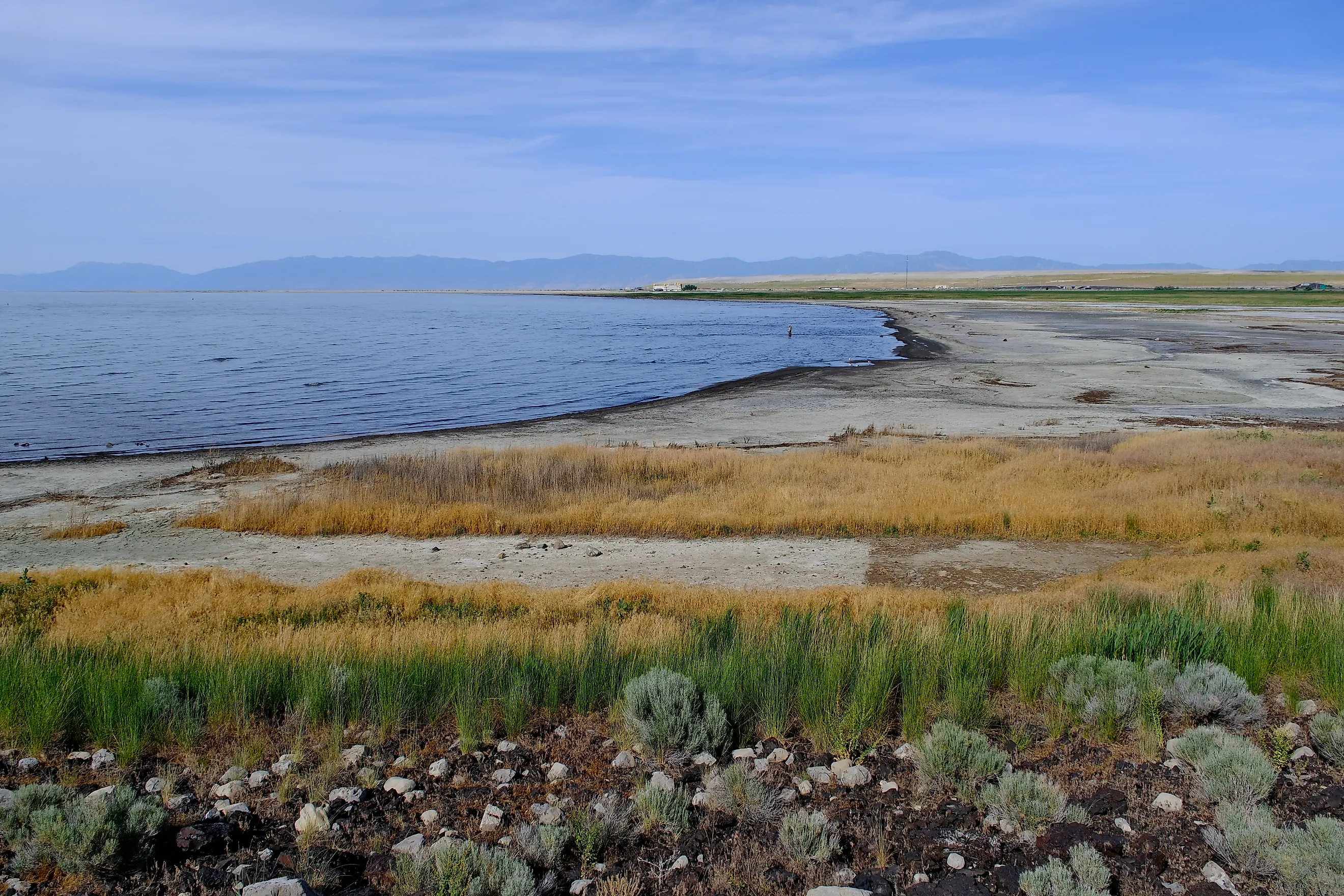
The Great Salt Lake has been shrinking, reaching a record low in late 2022, exposing about 1,000 square miles of dry, dusty lakebed and dropping to roughly six feet below the level considered healthy by scientists. By summer 2026, after a particularly dry winter, it had risen slightly to approximately 4,190.4 feet, just above its second-lowest record and less than two feet from the previous all-time low of 4,188.5 feet set in November 2022. State officials warn that another poor snow year could push it to a new low as soon as 2027. This raises an important question: can we refill it, and how long would that take? The answer involves complex factors such as hydrology, calculations, and human decisions, and it largely depends on how much effort we are prepared to invest.
Why the Great Salt Lake Is Shrinking

To grasp the refill issue, understanding the lake is essential. The Great Salt Lake is a terminal lake, where water flows in from rivers like the Bear, Weber, and Jordan but never flows out. The only exit is through evaporation into the desert air. This balance persisted for centuries. However, today, humans divert large portions of these rivers for agriculture, urban use, and industry before they reach the lake. Recently, the lake has received less than one-third of its natural streamflow, and ongoing drought conditions have further reduced inflow, leading to its record low level of about 4,188.5 feet. It is not disappearing by chance; we are effectively consuming its inflow.
You Cannot Just Fill It Like a Bathtub

There is no giant tap to open, so the only way to refill the lake is to let more water flow in than evaporates out, year after year. And the volumes involved are staggering. Because the lake is so broad and shallow, each single foot of elevation corresponds to roughly one million acre-feet of water, and the lake is sitting several feet below where it needs to be. Recent inflows total somewhere around 1 to 1.6 million acre-feet in a typical year, while evaporation relentlessly claws water back the whole time. Refilling is therefore not a matter of dumping in a fixed amount once. It is a matter of running a surplus, delivering more than nature takes away, and sustaining it long enough to matter.
What One Record Winter Proved

Here's the hopeful part: the winter of 2022-2023 brought Utah's mountains a record snowpack. When it melted, the lake rose about 5.5 feet in a year, far exceeding the usual two-foot spring increase. Salinity, which had risen sharply to 19 percent, decreased to around 13 percent. This showed that the lake can recover quickly when water is available. However, it was also a warning—the lake's level dropped again as drought and diversions resumed, ending the 2025 water year as the third-lowest on record. By August 2026, after a record-dry winter, it had fallen back to approximately 4,190.4 feet and was nearing its all-time low, with water officials praising conservation efforts for preventing a new record this year. A single miracle winter, in essence, gains time but doesn’t refill the lake.
So How Long? It Depends On Us

This is where the arithmetic gets interesting, because researchers advising Utah have essentially built a menu. To raise the lake to the healthy target of around 4,198 feet within five years, they estimate you would need an extra 1.1 to 1.7 million acre-feet of water flowing in each year, on top of current inflows, which is an enormous ask. Stretch the goal to ten years, and the yearly requirement drops to roughly 0.7 to 1.3 million acre-feet. Aim for a 30-year recovery by around 2055, and a sustained additional inflow of about 800,000 acre-feet a year could get it there. In other words, the timeline is a dial, not a date. Refilling faster simply means finding and delivering far more water, far more quickly.
What It Would Actually Take

Delivering that water means one thing above all: using far less of it ourselves. Agriculture is the largest consumer in the basin, but cities and industry together now account for around a quarter of human-caused depletions, so every sector has to give. The realistic path involves aggressive conservation, more efficient irrigation, water leasing that lets rivers run to the lake, and, ideally, a run of generous winters, since roughly 95 percent of the region's water starts as mountain snowpack. Between 2021 and 2025, various programs managed to dedicate nearly 400,000 acre-feet to the lake, a real start but still short of what is needed. Complicating everything, a warming climate means hotter, thirstier air and more evaporation, which quietly raises the bar every year. The cautionary tale sits just over in California, where Owens Lake was drained a century ago and now costs well over a billion dollars just to keep its toxic dust from blowing away.
The Honest Answer
How long will it take to refill the Great Salt Lake? If Utah takes every possible action and a few wet winters occur in succession, a significant recovery to healthy levels could happen in about five years. With a more cautious approach of ongoing conservation efforts, it could take 20 to 30 years. However, if water diversions continue unchecked, the lake may never fully refill and instead keep shrinking toward collapse. The Great Salt Lake isn't waiting for an impossible engineering solution; it's waiting for us to make a decision. The time it takes to recover largely depends on our willingness to act.