American Cities That Reversed Rivers To Protect Their Drinking Water
Making a river flow backward sounds more like the plot of a heist movie or a curse than typical civil engineering. However, Chicago faced its polluted, disease-ridden water supply and decided that reversing the river was the only practical solution. This reversal of the Chicago River stands as one of the most daring public works projects in U.S. history. A few other locations have also redirected their waters, but with far less ambitious outcomes. So, pour yourself a glass of clean tap water, and let's explore the story of how one city commanded a river to change direction.
Chicago Was Basically Drinking Its Own Sewage

To appreciate the fix, you have to understand how grim the problem was. As Chicago exploded from a frontier town into a booming metropolis in the 1800s, it did what growing cities did: it flushed everything, including raw sewage, industrial waste, and slaughterhouse waste, straight into the Chicago River. That river then flowed into Lake Michigan, which happened to be the city's source of drinking water. The results were exactly as horrifying as they sound, with repeated outbreaks of cholera, typhoid, and dysentery. A single 1854 cholera epidemic killed more than 1,400 Chicagoans. The city was, in the most literal sense, drinking its own sewage, and people were dying by the thousands because of it.
So the City Told the River to Turn Around

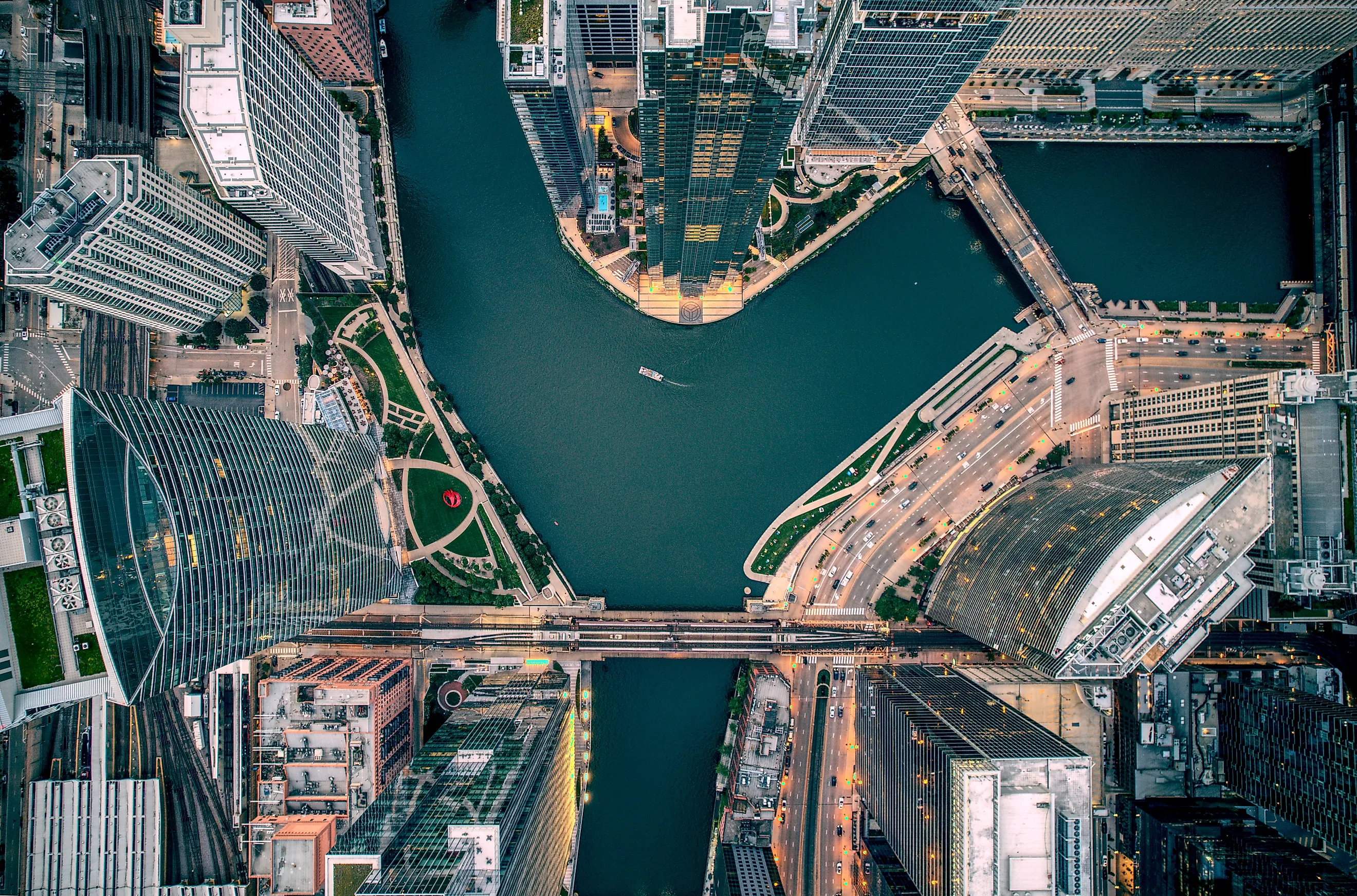
Various solutions were considered, including extending the intake pipes into the lake, but none proved effective. Ultimately, engineers devised a bold and unconventional idea: instead of allowing the river to drain into Lake Michigan, they would redirect it south and west toward the Mississippi River basin. The Chicago Sanitary District, established in 1889, excavated the 28-mile Chicago Sanitary and Ship Canal, gradually deepening it so gravity would direct water inland, with locks to regulate the flow. At the time, it was North America's largest earthworks project, and upon completion, the river reversed course. Many workers transitioned directly from this project to the Panama Canal excavation.
They Flipped It in the Dead of Night

Here's the truly amusing part. Everyone involved could see the outcome clearly, and St. Louis was already preparing legal action to stop the project. Instead of waiting for a judge, Chicago's officials decided to act quickly. On the cold early morning of January 2, 1900, a small group secretly took action at the last earthen dam holding back the river. They hacked through the frozen ground and broke it open, causing water to flood into the canal. The river then started flowing backward, and by the time the rest of the country responded, the change was already in motion. Sanitary District president William Boldenweck, who had lost both parents to cholera, reportedly gave the order with a simple "Let 'er go." You can't undo a river's course through a courtroom.
St. Louis Was Furious, and Lost

Certainly, "flowing away from Lake Michigan" actually meant "flowing toward everyone else," with the 'everyone else' being St. Louis, which drew its drinking water from the Mississippi downstream. Missouri sued, and the case escalated to the US Supreme Court. In 1906, the Court ruled in favor of Chicago, primarily because St. Louis couldn't prove the specific contaminants in its water originated from Chicago rather than other cities along the river. Chicago effectively transferred its sewage issues to its rival and was allowed to continue doing so. Meanwhile, Illinois Valley farmers, whose land flooded when the reversed flow nearly doubled the Illinois River, were quite unhappy. For the full story, you can read about that heavily polluted waterway.
The Smaller Copycats, and the River's Revenge

Chicago was not quite finished. It reversed a second river, the Calumet, via the Cal-Sag Channel in 1922 and added the North Shore Channel in 1910 to flush its northern suburbs, both far smaller encores to the main event. And that is essentially the whole list, because reversing a river is such an enormous undertaking that most cities never tried. Other Great Lakes towns protected their water with far humbler measures, mainly by pushing their intake cribs miles out into the lake, well away from the shoreline muck. Chicago stands nearly alone in flipping a river outright. But the river has had its revenge. By punching a permanent connection between the Great Lakes and the Mississippi basin, the canal created a superhighway for invasive species, which is why the country now spends fortunes on electric barriers to stop Asian carp from reaching Lake Michigan. And on the wettest days, when storms overwhelm the system, Chicago is still occasionally forced to briefly reverse the river and dump stormwater into the lake, closing its own beaches in the process. You can move a river. You cannot really outrun your own sewage.