5 Wild Animal Hotspots In Missouri
From the floodplains of the Missouri River to the Ozark highlands, Missouri has an incredible variety of ecologically rich environments within its borders. These scenic landscapes support a diverse array of creatures, making the state a prime birding and wildlife-viewing hotspot. In total, Missouri is home to more than 390 bird species, nearly 70 mammals, and 118 reptiles and amphibians.
These include the official state animal, the Missouri Mule, and the state bird, the Eastern Bluebird, as well as black bears, bison, bald eagles, mountain lions, and rattlesnakes. If you’re keen to meet some of Missouri’s native creatures, take a look at the wildlife hotspots below. These parks, preserves and conservation areas are the best destinations to experience the wilder side of Missouri. Watch wild horses roaming the bluffs, see where bald eagles like to spend the winter, and learn how the state’s wild turkeys were brought back from the edge of extinction. These natural areas are a must-see for outdoor adventurers and nature-lovers alike.
Echo Bluff State Park

One of the best ways to experience the beauty and grandeur of the Ozark Mountains, Echo Bluff State Park is a 476-acre preserve set in a valley framed by towering bluffs. The park offers hiking, camping, fishing, and swimming in the crystal clear waters of Sinking Creek.

Echo Bluff is surrounded by the pristine wilderness of the Roger Pryor Backcountry, a private forest, and within the Ozark National Scenic Riverway, making it a natural corridor for wildlife to roam undisturbed. The area is home to a herd of wild horses that are frequently seen within the park. Visitors must stay at least 100ft away from the horses, and feeding them is prohibited.
Mingo National Wildlife Refuge

With 279 resident and migratory bird species, 38 mammal species, 30 amphibians and reptiles and nearly 50 species of fish within its borders, the Mingo National Wildlife Refuge is a special place. Covering over 20,000 acres in southeast Missouri, the refuge contains a range of habitats from bottomland hardwood forest to marshy wetlands and fertile grasslands.

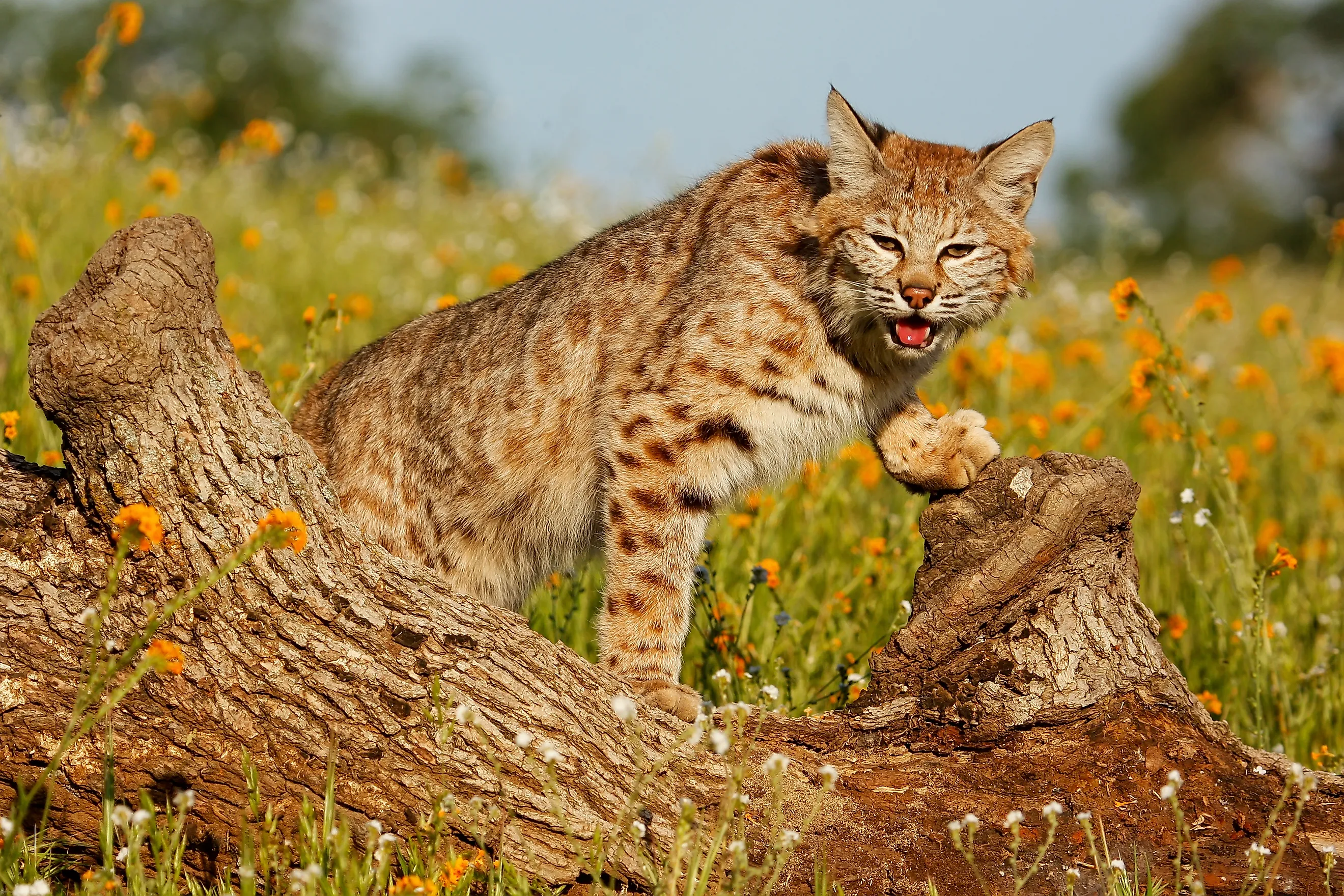
The area has been designated an Important Bird Area by the Audubon Society. Expect to see migratory songbirds, nesting waterfowl and soaring birds of prey, depending on what time of year you visit. Every two years, the refuge hosts ‘Bald Eagle Days’ to celebrate the eagles who overwinter in the preserve. In addition to birds, visitors may also catch a glimpse of turtles, deer, bobcats and coyotes when exploring the park. Stop by the Mingo National Wildlife Refuge visitor center to view exhibits on the local wildlife and pick up a map of the refuge’s self-guided auto tours and nature trails.
Caney Mountain Conservation Area

Covering nearly 8,000 acres north of Gainesville, the Caney Mountain Conservation Area protects a very unique landscape. The remnant of an ancient elevated plateau, the refuge contains rough, hilly terrain and a series of jagged peaks, including Bear Cave Mountain, High Rock Mountain, Morrison Knob, Long Bald, and Tater Cave Mountain.

This wild landscape is home to some of Missouri’s most endangered creatures. It is also a key site in wild turkey restoration, providing an ideal environment for the state’s eastern wild turkeys to repopulate their numbers. If you’re hiking Caney Mountain, you may be lucky enough to see the rare Eastern Collared Lizard, a striking reptile easily identifiable from its bright blue-green, yellow, or green markings. Birdwatchers will also enjoy spending some time in the glades and forests of the refuge, where they can spot Yellow-breasted chats, Prairie warblers, Red-headed woodpeckers, Summer tanagers, and the rare Bachman’s sparrow.
Big Muddy National Wildlife Refuge

Most of Missouri’s wildlife can be found on the Big Muddy National Wildlife Refuge, a sprawling preserve in the floodplain of the lower Missouri River. The Missouri, or ‘Big Muddy’ as it is affectionately known, is a high-sediment river with a unique ecology that supports a number of habitats from the bottomland forest along its banks to the scour holes left behind during flooding.

Deer, turkey, migratory songbirds, waterfowl, bobcats, beavers, raccoons and possums are all found on the refuge, along with the endangered pallid sturgeon. If you’re visiting in winter, take the mile-long Lewis and Clark Trail of Discovery which ends at a riverbank known for eagle viewing. You can also enjoy beautiful views of the scenery and wildlife from the mile-long Bluff Overlook Trail which winds through upland forests to a towering bluff with stunning views over the river and floodplain.
Burr Oak Woods Conservation Area

A 1,071-acre preserve in Blue Springs, just east of Kansas City, the Burr Oak Woods Conservation Area was established in 1977 to conserve the creek environment and provide wildlife viewing opportunities to the public. Animals commonly spotted on the preserve include deer, turkey, squirrels, raccoons, coyotes, and songbirds.

The area’s trail network, consisting of six self-guided nature walks, allows visitors to immerse themselves in the preserve’s stunning features such as the steep forested hillsides along Burr Oak Creek, large limestone boulders, prairie, and woodlands. There’s also a Nature Center on the property which houses an aquarium, children’s area, nature exhibits, and a special bird-watching area.
Tips For Safe Wildlife Watching In Missouri
The first rule of wildlife watching is to respect the wildlife. Always keep a safe distance from any animal, giving it plenty of room so it’s not disturbed by your presence. It’s a good idea to take binoculars if you’re visiting a nature preserve so you can stay out of sight but still enjoy seeing the animals in their natural habitat.
Be aware that timing matters. Generally speaking, the best time to view wildlife is the early morning and late afternoon/early evening when they are most active. Seasons are important too. You’re more likely to catch a glimpse of bald eagles during the winter, and spring is a good time to see migrating birds and animals with their young. Never feed wildlife, approach it, or disturb nesting or denning sites. Each of the above parks is a Leave No Trace area, meaning visitors shouldn’t leave anything or take anything during their visit. Instead, go home with memories and a new appreciation for Missouri’s unique environment and the fascinating animals that call it home.