5 Most Snake-Filled Bodies Of Water In Missouri
Missouri's lakes, rivers, and reservoirs hold healthy populations of snakes across its diverse aquatic habitats. The state's water systems support a mix of harmless and venomous species, most of which give people space when given space themselves. The five bodies of water ahead are the ones where people most often encounter snakes, especially in warm-weather months. Understanding where to expect them, and which species to watch for, makes outdoor time on Missouri water safer and more interesting.
Lake of the Ozarks

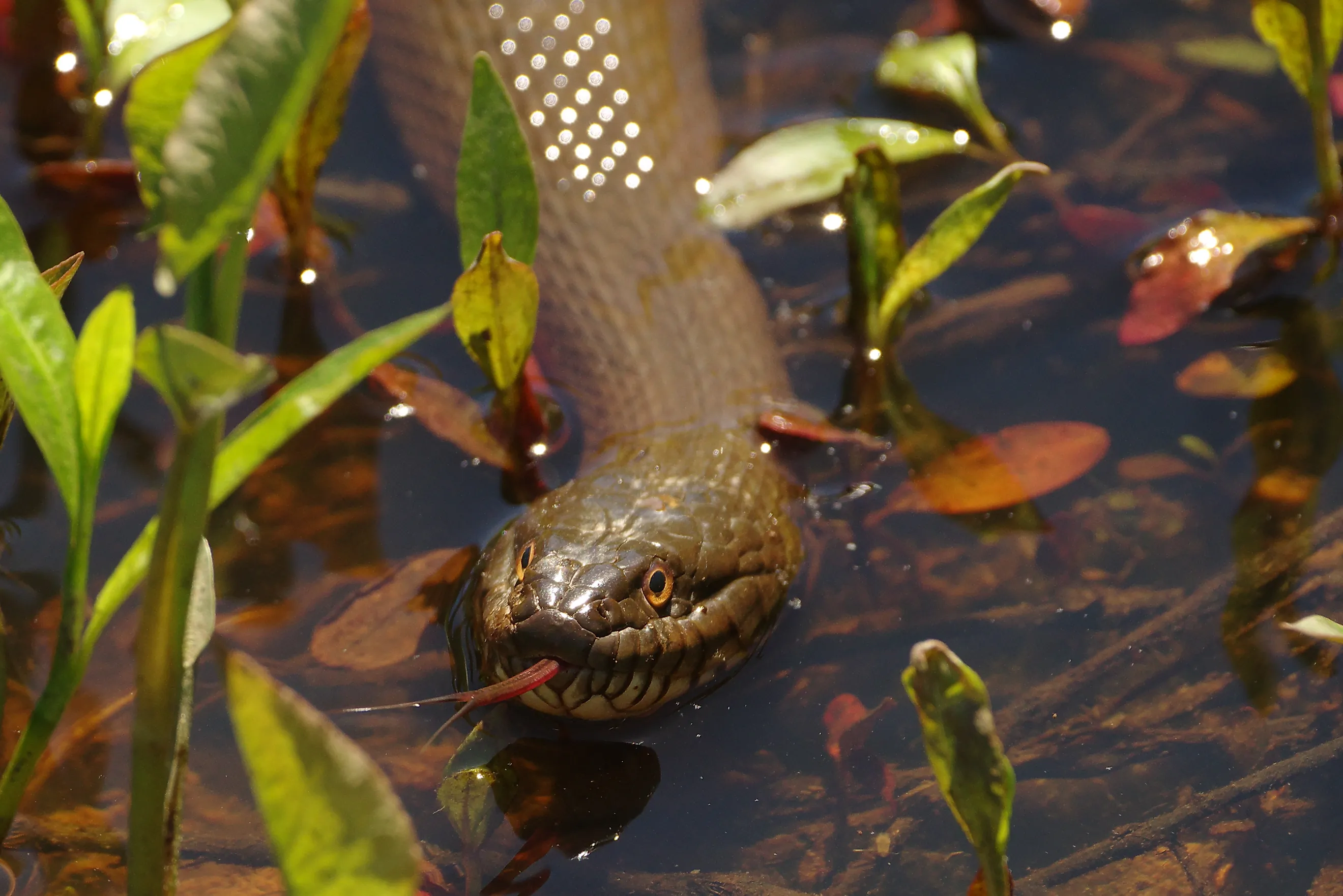
The Lake of the Ozarks, the 54,000-acre reservoir created in 1931 by Bagnell Dam on the Osage River, spans four counties and has about 1,150 miles of shoreline. The lake's coves, wetlands, and rocky banks support 25 or more snake species across the surrounding habitat. The most commonly encountered species are the harmless northern watersnake, the speckled kingsnake, and the venomous eastern copperhead.
While sightings are more frequent in warm-weather months, snakes can be spotted basking on docks, swimming across coves, or hiding among shoreline debris from spring through fall. The lake's heavy recreational use means human-snake encounters are common, especially in quieter coves away from the main boating channels. Most species are non-venomous and will move away from people if given the chance. Caution is warranted when exploring secluded coves, fishing close to brushy banks, or wading in shallow water with limited visibility.
Current River

The Current River is the principal river of the Ozark National Scenic Riverways, the National Park Service unit established in 1964 that protects 134 miles of the Current and Jacks Fork rivers in southern Missouri. Unlike slower, muddier rivers, the Current is spring-fed (Big Spring near Van Buren is one of the largest freshwater springs in the United States, with an average discharge of about 286 million gallons per day), which keeps the water cold and fast-moving year-round. Snakes still find good habitat along the quieter eddies, gravel bars, and floodplain forests.
The northern watersnake is the species most commonly encountered. Eastern copperheads inhabit the rocky hillsides and dense vegetation along the river corridor and may be encountered on portage paths and gravel-bar campsites. Canoeists and floaters who pull off onto secluded gravel bars or explore side streams are most likely to encounter them. Watch where you step, especially around brush piles and warm rocks.
Smithville Lake

Smithville Lake, about 20 miles north of Kansas City in Clay County, covers 7,200 acres with 175 miles of shoreline. The Army Corps of Engineers built the reservoir in 1979 on the Little Platte River for flood control and water supply. The surrounding parkland supports a wide variety of wildlife, including a substantial snake population in the brushy areas and along the shoreline.
DeKay's brownsnake is the most frequently encountered species, especially in wooded areas and along shaded trails. Western ratsnakes, common watersnakes, and garter snakes are also commonly spotted along the shoreline and in brushy cover. Eastern copperheads and timber rattlesnakes are less common but present in the quieter parts of the lake. The standard advice on encountering either: stop, do not approach, and give the snake space to move away. Most copperhead bites in the US happen when people try to handle or kill the snake.
Table Rock Lake

Table Rock Lake, the 43,100-acre Army Corps reservoir created in 1958 by Table Rock Dam on the White River in southwest Missouri (just outside Branson), supports a diverse snake population along its rocky shoreline, submerged-timber areas, and quiet coves. The clear water of Table Rock makes snake sightings easier than in murkier lakes elsewhere in the state.
Northern watersnakes are abundant along the shore and around boat docks. Eastern copperheads and the smaller western pygmy rattlesnake have been spotted in the remote, less-developed arms of the lake, especially where creek mouths feed into the reservoir. The pygmy rattlesnake is one of Missouri's smallest venomous species (12 to 24 inches), with a venom that causes severe local pain and tissue damage but is rarely fatal to healthy adults. Walking along undeveloped sections of shoreline and retrieving fishing lures from shallow vegetation are the higher-risk activities.
Mississippi River

The Mississippi River runs along all of Missouri's eastern border with Illinois, Kentucky, and Tennessee. The river's slow-moving sections, backwater sloughs, and floodplain forests support dense populations of northern watersnakes and common garter snakes throughout the state, with the venomous northern cottonmouth (water moccasin) found primarily in the southeastern corner of Missouri in the Mississippi Embayment region (the bootheel).
Snakes commonly swim across the river's backwaters, sun themselves on logs and deadfall, or hide in debris fields created by seasonal flooding. The river's oxbow lakes and marshy banks provide additional habitat, making encounters routine for fishermen, boaters, and waterfowl hunters in southeast Missouri. Although most snakes here are non-venomous and avoid people, the presence of cottonmouths in the lower reaches warrants real caution: cottonmouths are large (up to 4 feet), aggressive when cornered, and inflict bites that require immediate medical attention. Murky water often obscures visibility, so move carefully on muddy banks and in shallow shoreline vegetation.
Coexisting with Missouri's Snakes
Snakes are a vital part of Missouri's aquatic and riparian ecosystems. They control rodent populations, serve as prey for hawks, owls, and herons, and signal ecosystem health on waters that support them. Of Missouri's 49 native snake species, only five are venomous (the eastern copperhead, the northern cottonmouth, the timber rattlesnake, the western pygmy rattlesnake, and the massasauga), and three of those (massasauga, pygmy rattlesnake, and cottonmouth) have restricted ranges within the state. The standard precautions of watching the ground, giving snakes space, and not reaching into places you cannot see make most snake encounters non-events. Anyone bitten by a venomous species should go directly to the nearest emergency room.