7 Most Rattlesnake Infested Areas in Washington
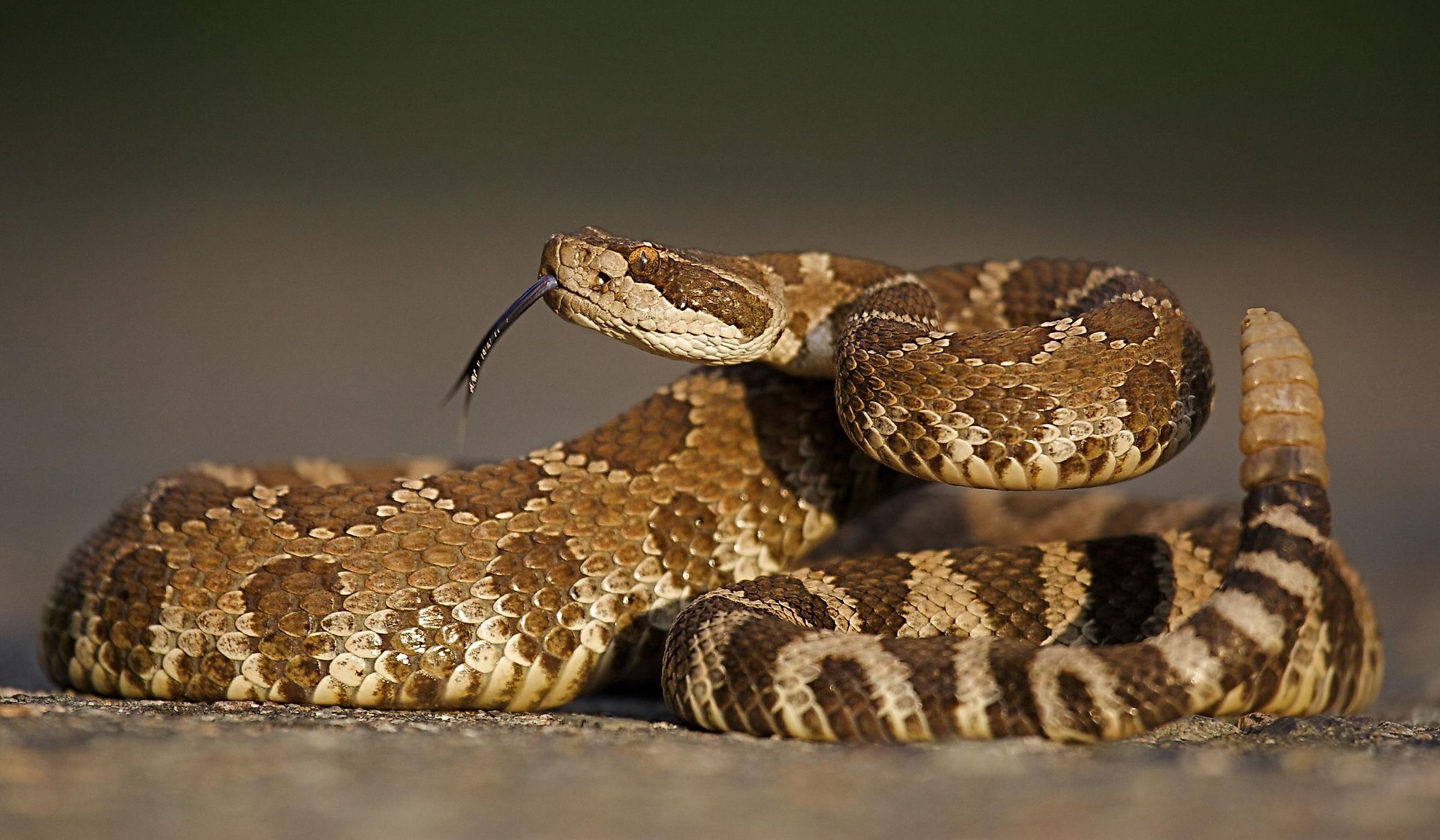
Although not widespread throughout the entire state, rattlesnakes have found suitable habitat across Washington. The western rattlesnake (Crotalus oreganus), also known as the Northern Pacific rattlesnake, lives most of its life without ever encountering humans. Despite that elusiveness, its home range overlaps with popular recreation spots like Sun Lakes-Dry Falls State Park and the trails around Lake Chelan. Hikers occasionally come across rattlesnakes coiled on the side of a trail, basking in the sun. This article covers 7 Washington areas where rattlesnake sightings are more likely.
Okanogan-Wenatchee National Forest

Okanogan-Wenatchee National Forest is one of the largest national forests in the Pacific Northwest. It covers roughly 4 million acres along the eastern slopes of the Cascade Range, stretching from the Canadian border south to Goat Rocks Wilderness, one of eight wilderness areas within the forest. Its geographic range runs from high alpine terrain above 9,000 feet (with more than 70 inches of annual precipitation) to dry shrub habitat that receives less than 10 inches.

Western rattlesnakes are among the northernmost rattlesnakes in the United States. Those living in the mountains of the Okanogan-Wenatchee National Forest have adapted to long, cold winters by denning communally, sometimes in groups reaching the hundreds. They return to the same den year after year and may share it with other nonvenomous snake species.
Sun Lakes-Dry Falls State Park

Sun Lakes-Dry Falls State Park covers roughly 4,000 acres and features 73,640 feet of freshwater shoreline at the foot of its namesake, Dry Falls. Dry Falls is one of North America's geological highlights: a former waterfall 400 feet high and 3.5 miles wide. Before it dried up, it is estimated to have carried several times the volume of modern Niagara Falls. Today, it is a desert park used by hikers, kayakers, canoers, and campers.

The hikes lead visitors past basalt cliffs, a favored habitat for western rattlesnakes. Talus and basalt rock outcroppings serve as overwintering dens. Rattlesnakes are usually spotted in the morning out in the open, or partially covered by rocks as they warm in the sun.
Klickitat River

The Klickitat River rises near Gilbert Peak and flows south for roughly 96 miles to its confluence with the Columbia River in the Columbia River Gorge. It is often cited as one of the longest free-flowing rivers in Washington. The river flows through a broad canyon in its upper course, then gradually tightens as it approaches the Columbia River. The lower Klickitat River supports a range of recreation, including boating, fishing, hiking, and camping.

The Klickitat Trail follows the river, providing views of the river and its canyon. Because the Klickitat River corridor is mostly isolated and undeveloped, it creates strong habitat for a range of flora and fauna, including rattlesnakes. Trail precautions for rattlesnake country include staying on cleared, open sections of the trail and using trekking poles to push back any brush that stretches over the path.
Ginkgo Petrified Forest State Park

Ginkgo Petrified Forest State Park covers over 7,000 acres and features one of the most significant petrified forest sites in the United States. Ginkgos are among the oldest tree species in the world. They were mineralized into rock during the great lava flows that washed over the inland Northwest. The terrain is typical western rattlesnake habitat: semi-arid shrub-steppe with basalt rock formations.

Western rattlesnakes are often seen foraging in sagebrush within the park. Western rattlesnakes typically inhabit shrub-steppe as their primary habitat, but they can also be found in white oak, ponderosa pine, and other open forest types. They are active during the day when temperatures are moderate and shift to more nocturnal habits in the warmest months.
Columbia Hills Historical State Park

Columbia Hills Historical State Park is the site of a former Native American village. The park occupies 3,338 acres on Horsethief Lake, an impoundment of the Columbia River. Visitors have access to over 12 miles of trails for hiking, biking, and horseback riding, two miles of freshwater shoreline for swimming and boating, and Native American pictographs and petroglyphs.

The terrain is classic western rattlesnake habitat, with shrub-steppe ecosystems and high-desert panoramas. Rattlesnakes do live within the park, though encounters are rare. People are more than likely to encounter non-venomous bull snakes (Pituophis catenifer), which have similar coloration and markings to rattlesnakes and are sometimes mistaken for them.
Lake Chelan

Lake Chelan is a 50.5-mile-long glacial lake in north-central Washington. Lake Chelan State Park, which sits on the lake's southern shore, is one of Washington's most popular state parks. The lake itself stretches far beyond the state park's boundaries, reaching into the North Cascades at its northern end. The area sees over 300 days of sunshine per year. Visitors use the lake and surrounding parks for biking, swimming, fishing, camping, and hiking.

The Chelan Lakeshore Trail is a 17-mile thru-hike with views of wildflowers, snow-covered mountains, and the lake itself. Late in the season, when the weather is warm, the trail can be hot and dry. Hikers may encounter rattlesnakes at this time, using the exposure of the trail to bask in the sun.
Columbia River Gorge

The Columbia River Gorge is a canyon formed by the Columbia River between Oregon and Washington. The gorge stretches 80 miles through the Cascade Mountain Range and is the largest national scenic area in the United States. Its terrain is diverse, including temperate rainforest, high desert, sea-level river passages, and alpine meadows. Elevation ranges from basalt cliffs rising over 4,000 feet above the river down to hiking trails winding through lowland forests and wildflower meadows.

Beneath the bunchgrass and against the basalt rock, rattlesnakes quietly exist in the gorge, largely unseen. That doesn't mean they are inactive ecologically: they play a role controlling rodent populations and balancing local food webs. Rattlesnakes do occasionally turn up along hiking trails on the Washington side of the gorge.
Rattlesnake Hotbeds Of Washington
While rattlesnake encounters are rare, awareness and basic precautions matter when recreating in rattlesnake country. They tend to be most active early in the morning before the sun gets too hot, but you never know when you will turn a corner on a trail and find one coiled at the edge. Checking logs and rocks before stepping over them, and staying on clear and marked paths, covers most of what is needed to recreate safely in the seven areas above, where rattlesnake sightings are more likely than in most of the state.