The State Parks With The Most Snapping Turtles
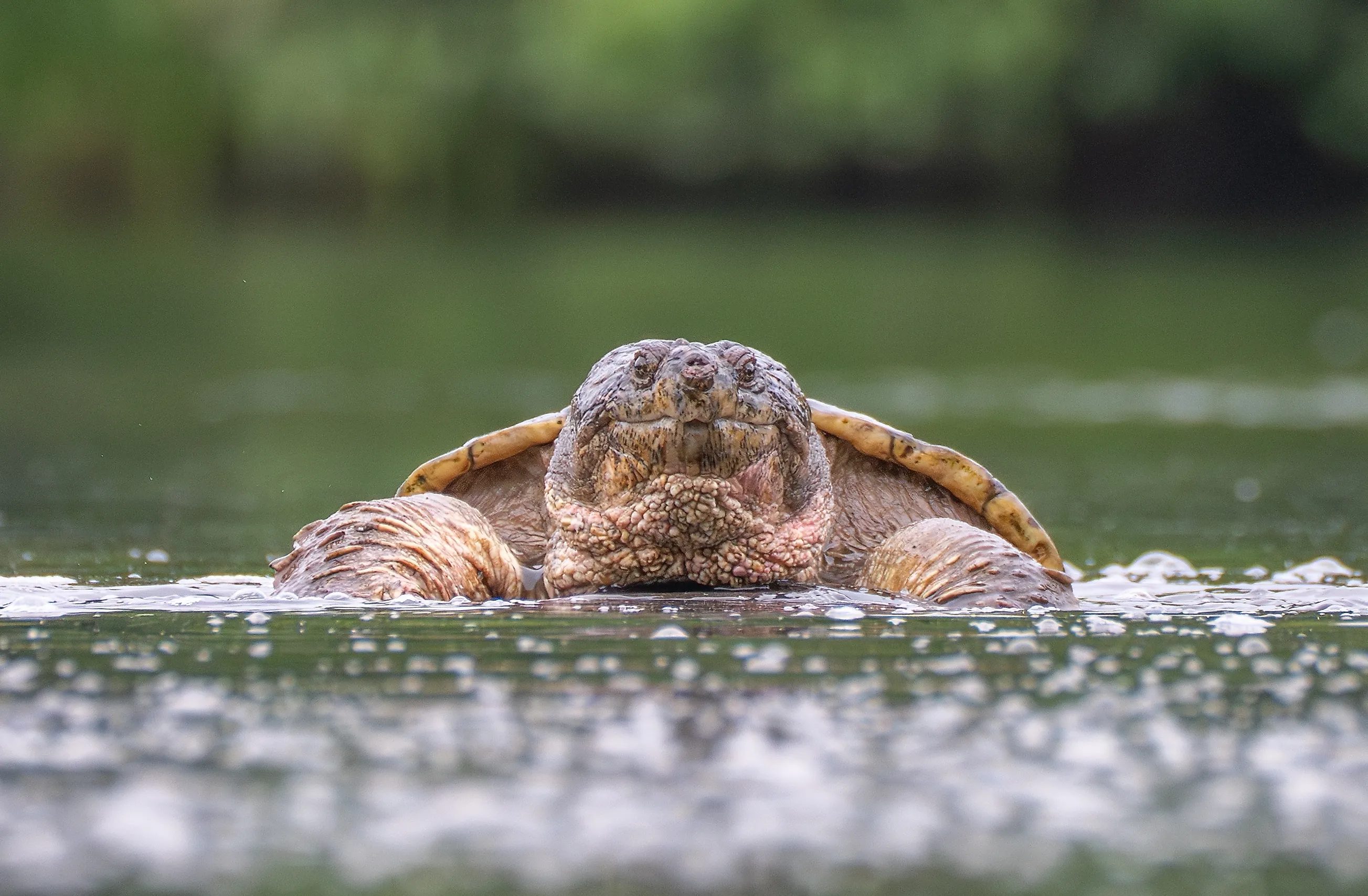
Snapping turtles live in a number of state park lakes, rivers, and swamps across much of the United States. Common snapping turtles extend into northern regions, while alligator snapping turtles tend to occupy southern waterways, where sunken logs and deep channels provide ideal cover. Their numbers also depend on suitable habitat, food, nesting grounds, and protection from excessive harvest. Some parks support abundant populations, while others have documented sightings or research records that confirm a remarkable presence in specific pockets. From Minnesota's lakes to Louisiana's backwaters, these six destinations protect places where these predatory turtles openly feed, reproduce, and spend most of their lives underwater.
Edward Ball Wakulla Springs State Park, Florida

Snapping turtles freely inhabit the spring-fed waters of Edward Ball Wakulla Springs State Park, which lies just south of Tallahassee. The park's wildlife inventory records Florida snapping turtles, which find food and shelter along the Wakulla River's vegetated margins. These bottom-dwelling omnivores eat aquatic plants, fish, invertebrates, and carrion, helping recycle nutrients through the freshwater ecosystem. Their long necks and powerful jaws also distinguish them from the cooters (another kind of widespread freshwater turtle) frequently seen basking nearby, although snapping turtles spend much more time concealed underwater.

As usual, submerged vegetation and fallen branches provide cover, making sightings less predictable than the abundance of other turtles might suggest. However, a riverboat tour may offer you a way to examine this habitat while also looking for alligators, wading birds, and manatees.
Beyond its wildlife, Edward Ball Wakulla Springs also protects a major artesian spring connected to an extensive underwater cave system beneath the limestone of Florida's Woodville Karst Plain.
Reelfoot Lake State Park, Tennessee

The New Madrid earthquakes of 1811-1812 helped create the flooded forest now protected around Reelfoot Lake State Park. That history left northwestern Tennessee with lots of shallow waters, submerged timber, and mud perfectly suited to common snapping turtles. The aquatic vegetation here similarly supports insects and other small animals, while the lake's productive fish community supplies another food source.

Resident turtles occupy the lake and depressions in its bottom, where concealment allows them to wait for passing prey. On the other hand, females leave the water to nest on land, making shoreline crossings more likely during the nesting season.
Reelfoot also hosts a number of rarer alligator snapping turtles, recognizable by their heavily ridged shells and hooked beaks, although these should not be confused with the more widespread common species. Regardless of what you are looking for, the boardwalk behind the visitor center provides a look into the cypress wetlands without requiring a boat or disturbing the soft shoreline habitat.
Brazos Bend State Park, Texas

The American alligators receive much of the attention at Brazos Bend, but numerous snapping turtles also inhabit this wetland park southwest of Houston. Its roughly 5,000 acres contain a plethora of marshes, lakes, swamps, and temporary prairie ponds, providing varied feeding grounds as water levels change.

Here, snappers can travel overland between water bodies, a useful adaptation where smaller pools shrink during dry weather. Their ability to bury themselves in soft sediment also makes them difficult to spot, even when close to shore. In fact, the park's reptile checklist commonly documents common snapping turtles alongside red-eared sliders, softshells, and mud turtles, reflecting the variety of aquatic habitats.
Mild spring and fall days are recommended for reptile watching. But for a broader visit, be sure to explore the lakeside trails and bottomland hardwood forest, where river otters and more than 300 recorded bird species add to the wildlife interest. Always keep clear of alligators along shorelines, though.
Bear Head Lake State Park, Minnesota

The fishing pier at Bear Head Lake State Park offers a place not just to watch for a fish and maybe a nice sunset, but for common snapping turtles, too. The Minnesota Department of Natural Resources regularly notes their presence here, where they sometimes pursue panfish up close to anglers.

Located near Ely, this state park demonstrates how these reptiles survive far beyond the warmer southern wetlands often associated with them. As temperatures fall, snapping turtles do retreat underwater and sharply reduce their metabolism, remaining inactive beneath the ice for much of the cold season. Conversely, summer provides better opportunities to observe them moving through shallow water or surfacing to breathe.
Make sure to watch from the pier without offering bait, which can encourage turtles to approach fishing lines. Away from the waterfront, the Norberg Lake Trail passes large white and Norway pines and overlooks Bear Head Lake's East Bay. Nearby Norberg Lake also supports brook trout, adding another distinctive fishing option if that's what you're really in Bear Head for.
First Landing State Park, Virginia

Common snapping turtles are abundant at First Landing State Park, according to the Virginia Herpetological Society, and their influence here interestingly extends to the survival of other turtles. Along with raccoons, they are considered likely major predators of the park's rare eastern chicken turtles. This makes First Landing an example of how native predators can complicate conservation when another species has a small, vulnerable population.

The park's freshwater swamps provide snappers with fresh water, muddy bottoms, submerged cover, and prey, despite their proximity to Chesapeake Bay and the Atlantic Ocean.
Follow the Bald Cypress Trail from the Trail Center to explore this habitat from swamp overlooks. The scenic bald cypress trees, including their projecting root structures known as knees, dominate the wettest sections. Elsewhere, maritime forest, lagoons, and bayfront beaches further demonstrate the range of environments protected within this Virginia Beach park, besides its sandy swimming shore.
Sam Houston Jones State Park, Louisiana

Researchers surveying southwestern Louisiana have found that one of the most productive alligator snapping turtle sites in the United States is in Sam Houston Jones State Park. This Deep South park borders the West Fork of the Calcasieu River near Lake Charles, where sheltered waterways offer idyllic habitat for these largely aquatic predators. Across the various studies, turtles were caught in smaller side channels rather than main river channels, highlighting the importance of less exposed backwaters.

Alligator snapping turtles hunt partly by holding their mouths open and moving a wormlike lure on their tongues to attract fish. You may be able to witness this unique behavior for yourself by exploring the park's lagoons and riverside trails, where replanting continues after Hurricanes Laura and Delta stripped most of its tree cover in 2020. That said, this bottom-dwelling species is usually harder to observe than animals basking openly on logs beside the park's waterways.
Help Keep These Snapping Turtle Habitats Healthy
Observing and protecting snapping turtles requires more than just visiting whichever body of fresh water is near you. Undisturbed shorelines provide nesting sites, while submerged logs and muddy bottoms offer shelter, and visitors like you can help by leaving the turtles alone, keeping fishing line out of waterways, and watching for animals crossing park roads. With that, make sure to follow all rules at your local state park regarding how to deal with local wildlife. A snapper glimpsed from a trail or pier is part of an ecosystem that extends well beyond view.