The State Parks With The Most Coyote Sightings
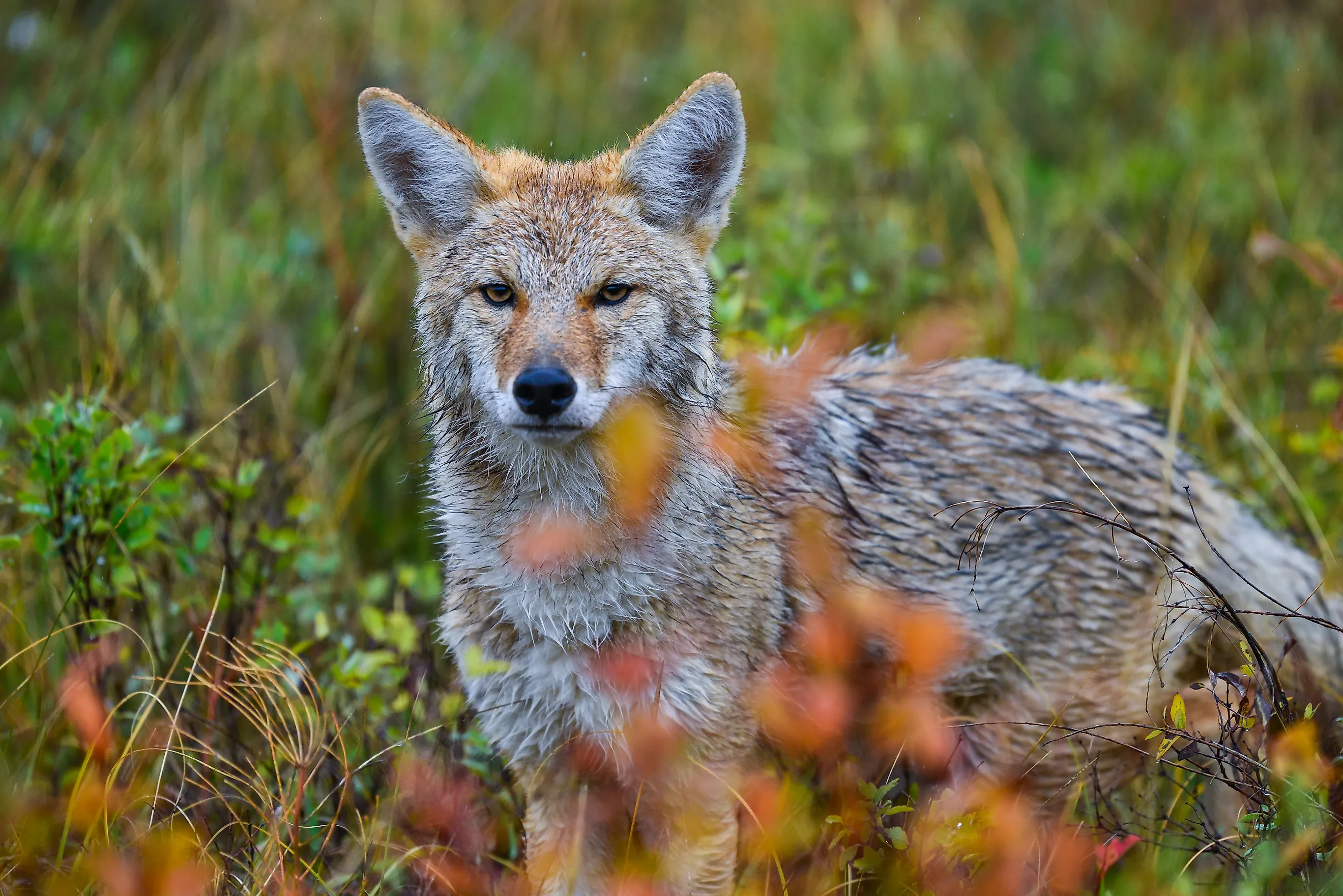
Coyotes are easier to hear than to see. Their yips and howls carry a long way, yet the animals themselves usually melt into cover long before anyone gets a good look. Park agencies in three states list coyotes among the wildlife in their state parks, and a handful of those parks stand out. One protects a canyon system that the Texas State Bison Herd also calls home. Another sits within a major metropolitan area and still holds prairie, wetlands, and an 880-acre reservoir. A third lies about 40 miles north of Manhattan, and its coyotes sometimes answer city sirens with a chorus of their own. Read on to discover seven state parks where coyote sightings are most likely, and the quiet hours when it pays to keep your eyes peeled.
Caprock Canyons State Park & Trailway
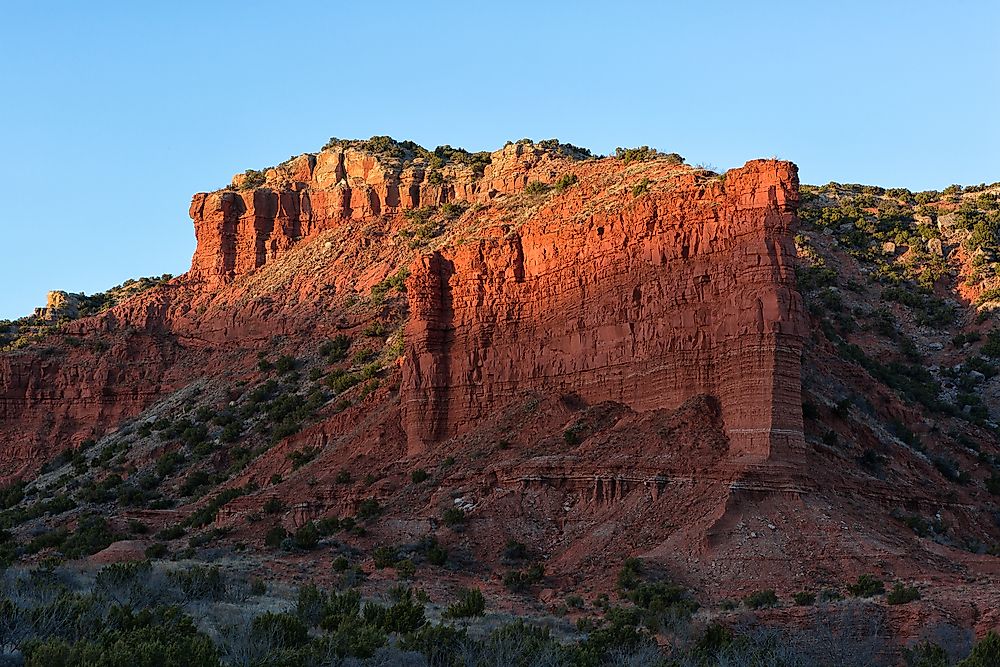
In Texas, Caprock Canyons State Park and Trailway protects approximately 17,500 acres of canyonlands and grasslands. Texas Parks and Wildlife Department (TPWD) identifies coyotes as common wildlife in the park. Its shortgrass prairie, juniper-covered slopes, and scrub oak vegetation provide habitat for these adaptable predators. Cottonwoods, plum thickets, and hackberries offer additional cover throughout the canyon system. Coyotes hunt small mammals and birds, taking advantage of both open grassland and brushy areas. You may spot them crossing exposed terrain or moving between patches of vegetation.
Early mornings and evenings are generally good times to watch for coyotes, particularly along the boundaries between grassland and canyon vegetation. The park is also home to white-tailed deer, bobcats, numerous bird species, and the Texas State Bison Herd. Visitors can explore designated trails and overlooks while watching for wildlife from a safe distance.
Palo Duro Canyon State Park

Palo Duro Canyon State Park covers nearly 28,000 acres in the Texas Panhandle, protecting grasslands, shrubs, trees, and dramatic canyon formations. TPWD identifies coyotes among the mammals found in the park, along with mule deer and bobcats. Roadrunners are also among the bird species visitors may encounter. Palo Duro Canyon extends approximately 120 miles across the surrounding region and reaches depths of around 800 feet. The state park protects a portion of this much larger geological formation. Within the park, open grasslands and brush-covered slopes create suitable habitat for coyotes, which hunt small animals across the canyon landscape.
Visitors hoping to spot a coyote can explore established trails during the early morning or late afternoon, when temperatures are often more comfortable and wildlife may be active. Watch the transition zones where grassland meets shrubs or trees, as coyotes sometimes move between the two. Sightings are unpredictable, but the park's diverse wildlife and extensive trail network make it a worthwhile destination.
Choke Canyon State Park

Choke Canyon State Park lies in South Texas brush country between San Antonio and Corpus Christi. TPWD identifies coyotes among the most common mammals in the park's Calliham and South Shore units. White-tailed deer, javelinas, raccoons, fox squirrels, and skunks also inhabit the surrounding landscape. Thickets of mesquite and blackbrush acacia provide cover throughout the park, while open areas support small animals that coyotes hunt. Choke Canyon Reservoir also attracts a wide range of wildlife. Nearby, the 5,341-acre James E. Daughtrey Wildlife Management Area protects additional habitat, although it is managed separately from the state park and has restricted public access, including hunting closures.
Because TPWD specifically identifies coyotes as common animals in both park units, Choke Canyon is a strong pick for anyone hoping to see the species. Scan clearings and established trails for movement around sunrise and sunset. Visitors should stay within areas open to the public and avoid approaching wildlife.
John Martin Reservoir State Park

John Martin Reservoir State Park occupies 12,286 acres on the southeastern plains of Colorado. Colorado Parks and Wildlife (CPW) includes coyotes among the animals reported at the park, along with deer, prairie dogs, bobcats, and raccoons. Its prairie and reservoir shoreline offer good wildlife viewing in an otherwise open landscape. Shortgrass prairie, rocky bluffs, and vegetation near the water support a variety of animal species. Below the dam, the Red Shin Trail passes through a mixture of prairie and riparian habitats, letting you watch for wildlife without leaving designated routes.
Coyotes can be active throughout the year, although sightings are never guaranteed. Dawn and dusk are useful times to watch for them, especially along the edges of grassland and thicker vegetation. The park's open terrain can make distant wildlife easier to observe, and binoculars let you watch from afar.
Cherry Creek State Park

You do not have to travel deep into Colorado's mountains to find coyote habitat. Cherry Creek State Park is located in the Denver metropolitan area, yet its approximately 4,200 acres include prairie, wetlands, riparian corridors, and the 880-acre Cherry Creek Reservoir. This mix supports wildlife despite the park's urban surroundings.
CPW's official park brochure identifies coyotes among the mammals found at Cherry Creek. The animals are well adapted to living near developed areas, particularly where grasslands and natural vegetation provide food and cover. Visitors may hear their yips or howls, although vocalizations can carry considerable distances and do not necessarily indicate that an animal is nearby. On a sunrise or sunset walk along established prairie trails, watch for coyotes moving through open areas or along brushy margins. Visitors should remain alert, keep pets under control, and give any coyotes they encounter plenty of space.
Franklin D. Roosevelt State Park

Approximately 40 miles north of New York City, Franklin D. Roosevelt State Park covers around 960 acres in Westchester County, New York. The park is known for its swimming pool and recreation around Mohansic Lake and Crom Pond. Its wooded and wetland habitats also support wildlife, including eastern coyotes. A 179-acre red maple-hardwood swamp is one of the park's notable natural features. New York State Parks specifically identifies coyotes in the area and notes that they sometimes respond to nearby sirens with yips and howls. Their calls can be heard even when the animals remain concealed in vegetation.
For anyone curious about coyotes but not keen on remote wilderness, Franklin D. Roosevelt State Park offers an accessible setting. Plan a visit near the start or end of the day, although hearing a coyote is often more likely than seeing one. Staying on marked trails and listening quietly can help you appreciate the animals without disturbing them.
Lake Arrowhead State Park

Lake Arrowhead State Park, near Wichita Falls, Texas, protects approximately 524 acres of prairie, woodland, and shoreline habitat. TPWD identifies coyotes among the mammals found in the park, alongside species such as bobcats and white-tailed deer. Open grassland and scrub create suitable conditions for animals that hunt and shelter across varied terrain. The Mesquite Ridge Trail offers a short route with views of the surrounding landscape. Rather than concentrating entirely on the lake, watch the transition areas between prairie, trees, and brush. These edges are good places to see wildlife moving between open ground and cover.
TPWD also occasionally offers wildlife education programs, including Skins and Skulls activities that introduce visitors to animal identification. While these programs do not guarantee sightings, they provide a useful introduction to the mammals found in the park. Coyote seekers can explore designated trails during quieter hours and use binoculars to observe animals from a distance.
When and Where to Spot Coyotes in the Wild
These state parks protect canyonlands, open prairies, and wooded wetlands, and coyotes make their homes in each. Coyotes are sometimes active near developed areas, but sightings remain unpredictable. Dawn and dusk can be productive times for wildlife watching, although coyotes may also be active during daylight hours. Stay on designated trails, avoid feeding or approaching wildlife, and keep pets under control. With patience and a respectful distance, you can keep watch for one of North America's most adaptable predators.