The State Parks With Fossil Beds You Can Walk Through
At certain times of year, the Ohio River runs low enough that one of the largest fossil beds anywhere on Earth lies open to the air. Visitors can walk across the 390-million-year-old Devonian seafloor, packed with fossilized corals, brachiopods, and trilobites preserved exactly where ancient marine animals once lived. It is one of the few official U.S. state parks where fossils are not locked behind museum glass or fenced off inside an excavation. Instead, they sit in the popular hiking trails, riverbeds, cliff faces, and rocky shorelines themselves, so guests can literally walk through ground that records hundreds of millions of years of Earth's history. Some parks hold dinosaur footprints pressed into Texas limestone, others a petrified forest in Washington. These state parks offer one of the closest experiences you will find to a national park-level fossil site.
Falls Of The Ohio State Park, Indiana

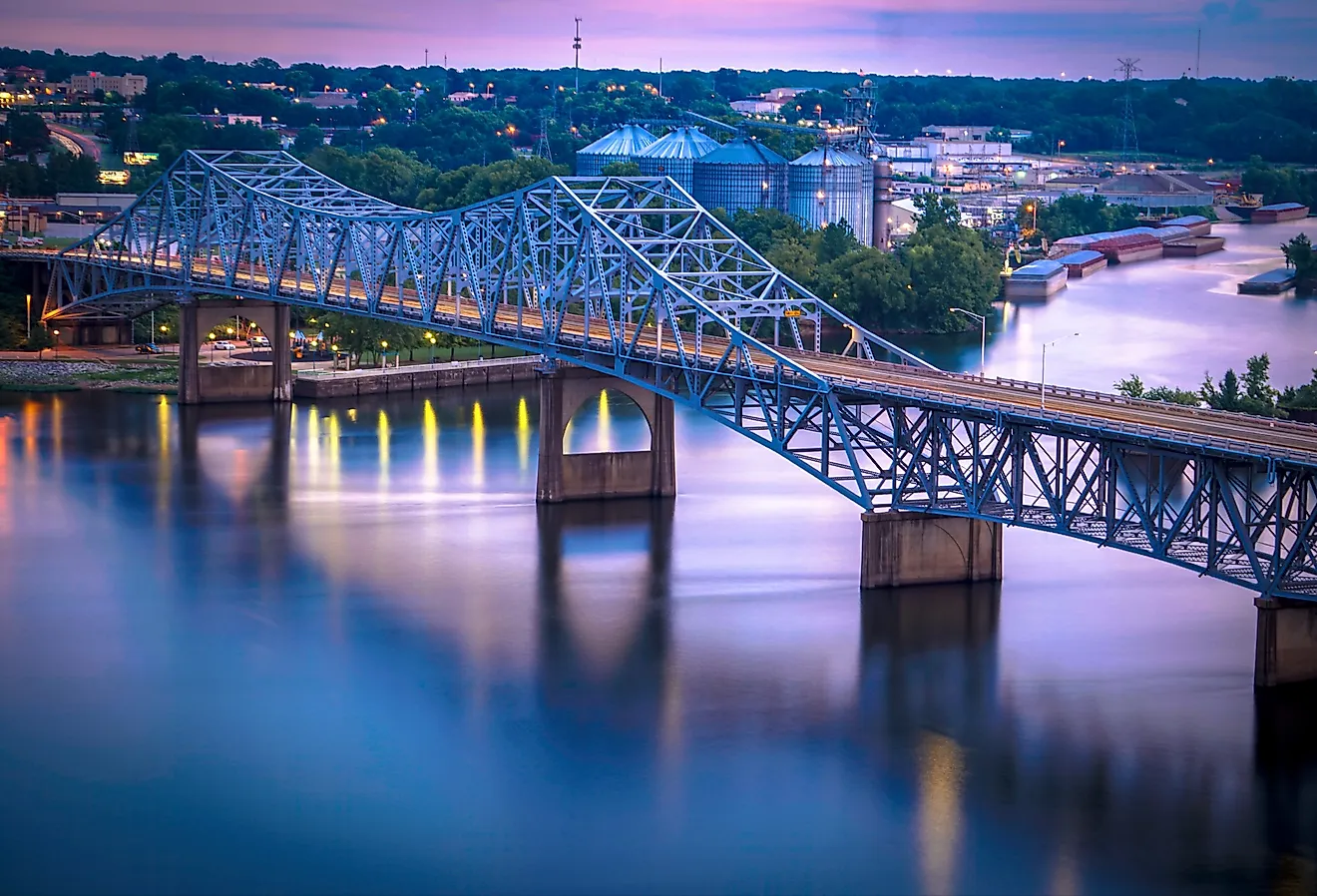
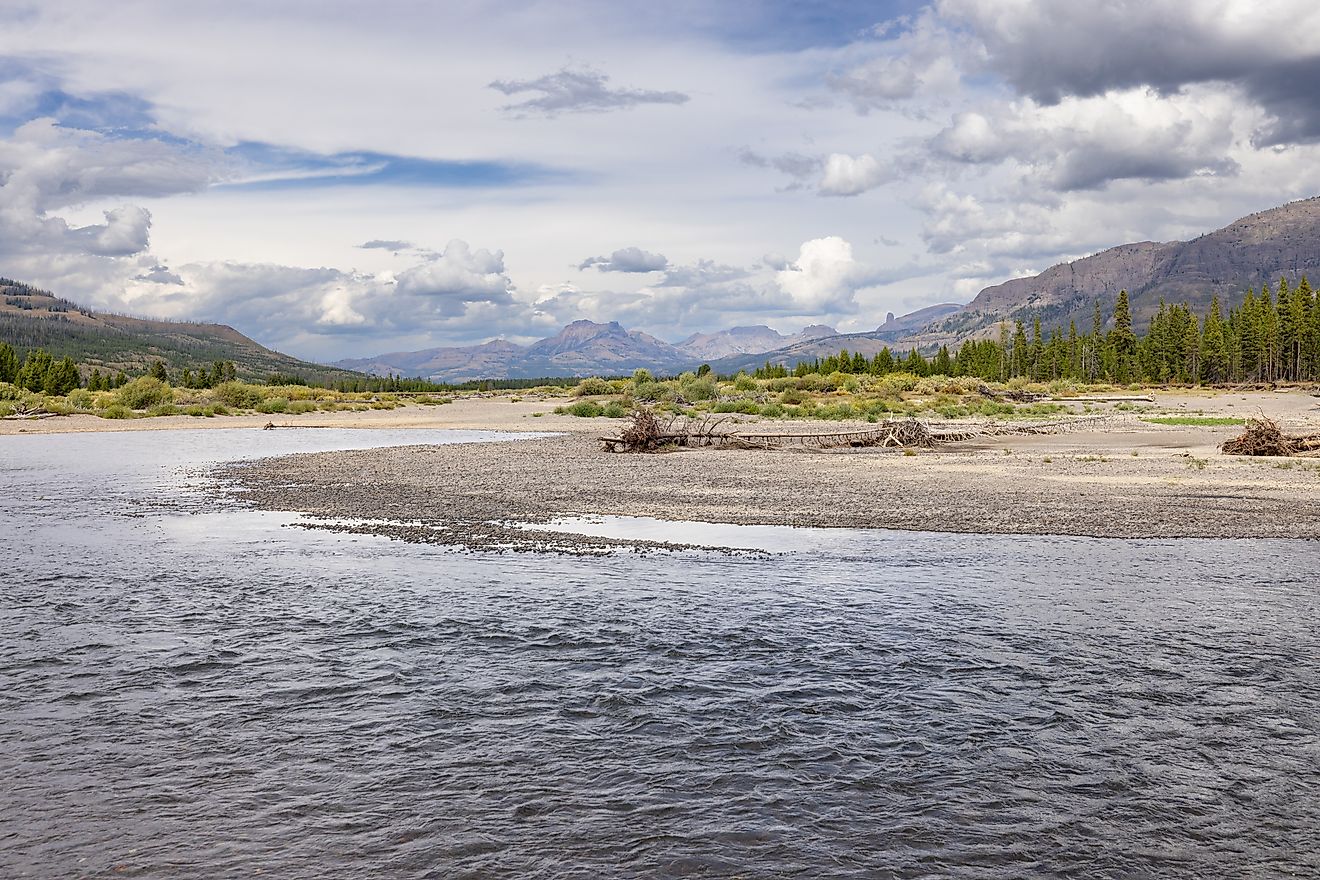
For much of late summer and early fall, the Ohio River sits low, and one of the world's largest naturally exposed Devonian fossil beds emerges across broad limestone shelves beneath the George Rogers Clark Memorial Bridge. The rock holds the remains of a tropical sea that covered present-day Indiana and Kentucky roughly 390 million years ago, more than 160 million years before the first dinosaurs appeared. Geologists often call this stretch of time the "Age of Fishes," because fish diversified dramatically while life on land was still in its very early stages.
Unlike most fossil sites, visitors don't simply view these fossils from a boardwalk or museum display. When water levels allow, they can walk directly across the exposed fossil bed, where countless corals, stromatoporoid sponges, brachiopods, bryozoans, gastropods, crinoids, and trilobites remain embedded in the original limestone exactly where they lived.
Scientists have described more than 600 fossil species within the Falls of the Ohio beds, which makes the site one of North America's most significant Devonian marine fossil localities. Preserved in the exposed rock is an ancient coral reef ecosystem from a time when warm, shallow tropical seas covered the region, long before North America reached its present position. The main fossil beds lie immediately below the park's Interpretive Center, and more fossil-bearing rock extends into the river channel itself.

According to Indiana State Parks, the best opportunities to walk the fossil beds typically occur from August through October, when seasonal river levels are often at their lowest, although access ultimately depends on the conditions of the Ohio River.
As of 2026, parking at Falls of the Ohio State Park costs $2 per vehicle, while admission to the Interpretive Center is $9 for adults (ages 12 and older), $7 for children ages 5-11, and free for children under 5. An Indiana State Park annual pass covers parking but not admission to the Interpretive Center. Naturally, collecting fossils is strictly prohibited, allowing one of the world's most remarkable prehistoric seafloors to remain intact for future visitors as well as scientific research.
Dinosaur Valley State Park, Texas

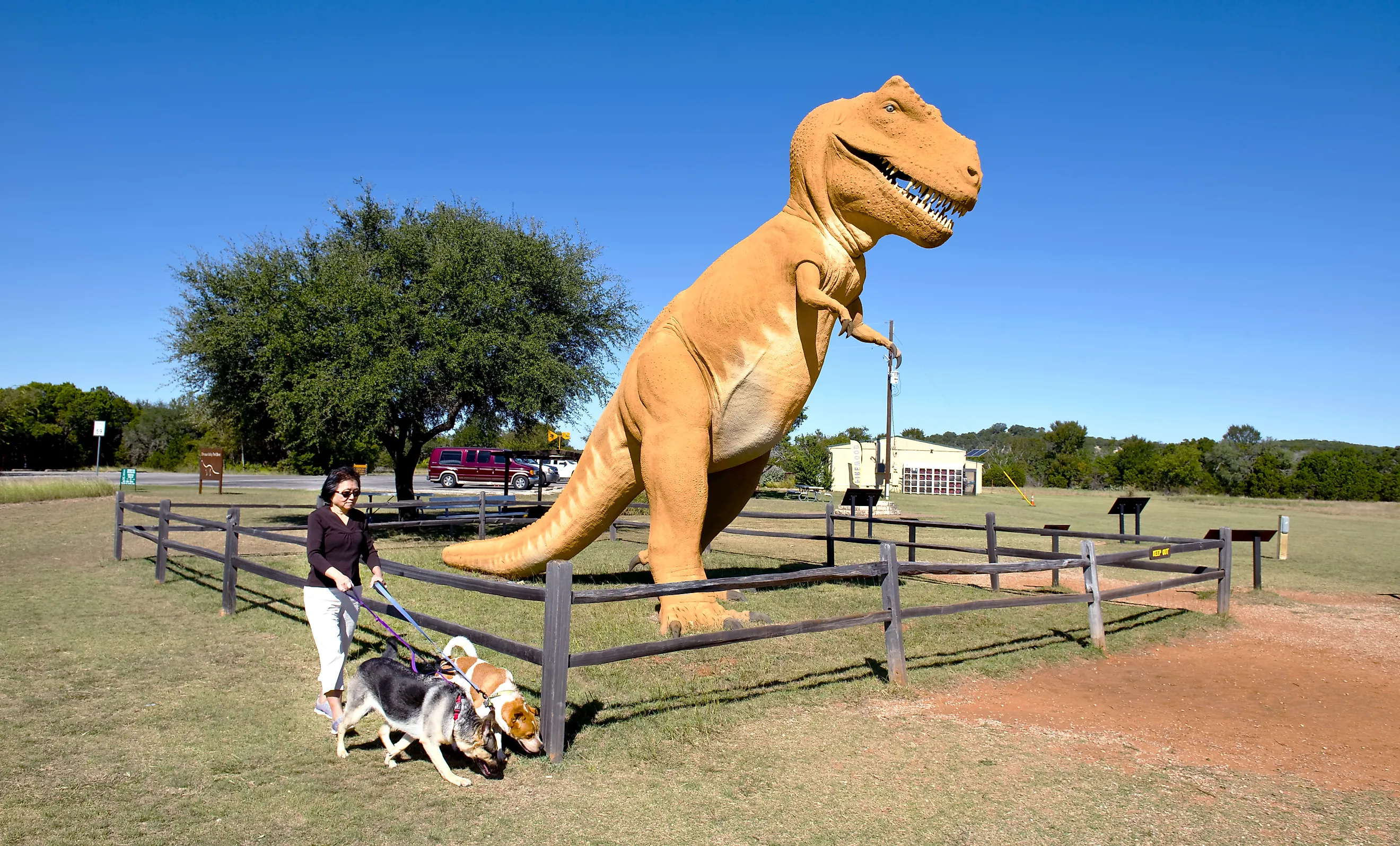
With a name like Dinosaur Valley State Park, it is no surprise that this Texas destination is one of the better places to see dinosaur tracks in a state park. More than 113 million years ago, enormous dinosaurs walked across the muddy edge of an ancient sea, leaving footprints that hardened into limestone and stayed buried until erosion along the Paluxy River brought them back to the surface. Today, visitors can wade into the river and walk beside some of the best-preserved dinosaur trackways in North America.
Unlike fossil museums or protected excavation sites, many of the park's most famous tracks remain exactly where they were first formed, allowing visitors to stand within the footprints of animals that roamed Texas during the Early Cretaceous Period, when dinosaurs dominated the planet and flowering plants were only beginning to evolve.
The tracks were left by at least two different dinosaurs. The large, elephant-sized prints are believed to belong to Sauroposeidon proteles, a long-necked herbivore and the Texas state dinosaur that could reach roughly 60 feet (18 m) in length, while the distinctive three-toed footprints were likely made by Acrocanthosaurus, a predator measuring up to about 38 feet (11.5 m) long.

Several track sites, including the Main Track Site, Ballroom Track Site, and Blue Hole Track Site, can often be reached on foot when river levels are low, though visibility varies throughout the year with rainfall and water flow. In 2026, the day-use fee is $8 for adults ages 13 and older, while children 12 and under enter free. Beyond the dinosaur trackways, the park has more than 20 miles of hiking trails, along with camping, mountain biking, paddling, and swimming in the Paluxy River.
Caesar Creek State Park, Ohio

In Ohio, Caesar Creek State Park takes in the 2,830-acre Caesar Creek Lake, more than 43 miles of hiking trails, and space for camping, boating, fishing, mountain biking, and one of the state's largest public beaches. There is no vehicle entrance fee as of 2026, and, most relevant here, the park holds one of the best fossil attractions in any U.S. state park.
Construction of Caesar Creek Dam in the 1970s unexpectedly exposed one of the Midwest's richest fossil sites. Crews excavating the dam's emergency spillway cut through layers of limestone and shale that date back roughly 450 million years to the Late Ordovician Period, when present-day Ohio lay beneath a warm, shallow tropical sea teeming with marine life.
Today, visitors can walk directly through the exposed spillway, where fossil-bearing rock stretches across the valley floor, and countless ancient sea creatures remain preserved beneath their feet. Unlike many fossil sites, the landscape is constantly changing as rain, flowing water, and seasonal freeze-thaw cycles naturally expose additional fossils from the surrounding bedrock.
Caesar Creek is also one of the few state parks where visitors are encouraged to become amateur paleontologists. The U.S. Army Corps of Engineers, which manages the spillway, issues free permits for fossil collecting within the designated area for personal, non-commercial use, which makes it one of Ohio's premier public fossil-hunting destinations. Collectors pick up the permit at the visitor center before heading to the spillway.
Berlin-Ichthyosaur State Park, Nevada

About 225 million years ago, central Nevada lay beneath a warm tropical sea filled with giant marine reptiles known as ichthyosaurs. They were dolphin-shaped predators that swam the oceans long before the first dinosaurs became dominant on land. Berlin-Ichthyosaur State Park now holds North America's most abundant concentration of the largest-known ichthyosaur fossils.
Visitors can hike through the same fossil-bearing landscape where the fossils were found, explore the surrounding desert hills, and then join a ranger-guided tour of the park's Fossil House, where multiple ichthyosaur skeletons remain preserved.
Among the remains here is Shonisaurus popularis, Nevada's official state fossil and one of the largest marine reptiles ever discovered. Some individuals exceeded 50 feet (15 meters) in length. Scientists believe dozens of Shonisaurus died in the same area during repeated events in the Late Triassic, although exactly why so many accumulated together remains an active area of research.

Beyond the fossils, the park's 1,540 acres take in one of Nevada's best-preserved nineteenth-century mining ghost towns, an unusual pairing of prehistoric and Wild West history within a single state park.
Day-use admission is $5 per vehicle for Nevada residents and $10 for non-resident vehicles, as of 2026, while guided Fossil House tours cost $5 for adults and are free for children 12 and under.
Ginkgo Petrified Forest State Park, Washington

At Ginkgo Petrified Forest State Park, a 1.25-mile interpretive trail runs through an ancient fossil forest, with dozens of petrified tree trunks exposed along the hillside. The trees lived between 15 and 16 million years ago during the Miocene Epoch, when volcanic eruptions buried the forests beneath layers of ash and sediment. Over millions of years, silica-rich groundwater gradually replaced the wood's organic material with stone and preserved the trees in remarkable detail. For a standard day-use fee or a Discover Pass for vehicle access, hikers can walk among these fossilized logs, with the Columbia River and the basalt landscape carved by the Ice Age Floods spread out below.
The park takes its name from a petrified ginkgo tree found here in the 1930s, but researchers have since identified more than 50 species of petrified wood, one of the most diverse fossil floras documented in North America. Along the Trees of Stone Interpretive Trail, visitors can see many of these fossils outdoors in their original geological setting, and the nearby Interpretive Center holds additional specimens with exhibits on how lava flows and volcanic ash turned an ancient forest into stone.
Dinosaur State Park, Connecticut

What began as an ordinary construction project in Rocky Hill, Connecticut, became one of North America's most important dinosaur discoveries. In 1966, workers excavating the site uncovered hundreds of fossilized footprints preserved in sandstone, evidence that dinosaurs had crossed the area roughly 200 million years ago during the Early Jurassic Period. Rather than lift the trackway and move it elsewhere, state officials left it where it lay and built Dinosaur State Park around it, an official state park set over one of the continent's largest dinosaur track sites.

Today, more than 750 dinosaur footprints lie beneath a distinctive geodesic dome, where visitors can view the original track surface exactly where it was uncovered. Most of the three-toed impressions were left by carnivorous theropod dinosaurs, though paleontologists have not been able to identify every trackmaker with certainty. Admission to the dome and the park's 2-mile Arboretum Trail, which runs through the same fossil-bearing landscape, is $6 for adults and $2 for children ages 6-12. As of 2026, it is free for children under 6.
Standing In Deep Time
Walking across a 390-million-year-old reef at Falls of the Ohio, tracing dinosaur footprints along the Paluxy River at Dinosaur Valley, or searching Caesar Creek's spillway for a trilobite gives visitors something a museum display never can. At each of these state parks, prehistoric history sits right underfoot, and a visitor can stand in an ancient ocean, a petrified forest, or a dinosaur landscape in the exact place it formed millions of years ago.