The Nut Trees Forest Wildlife Depend On Most
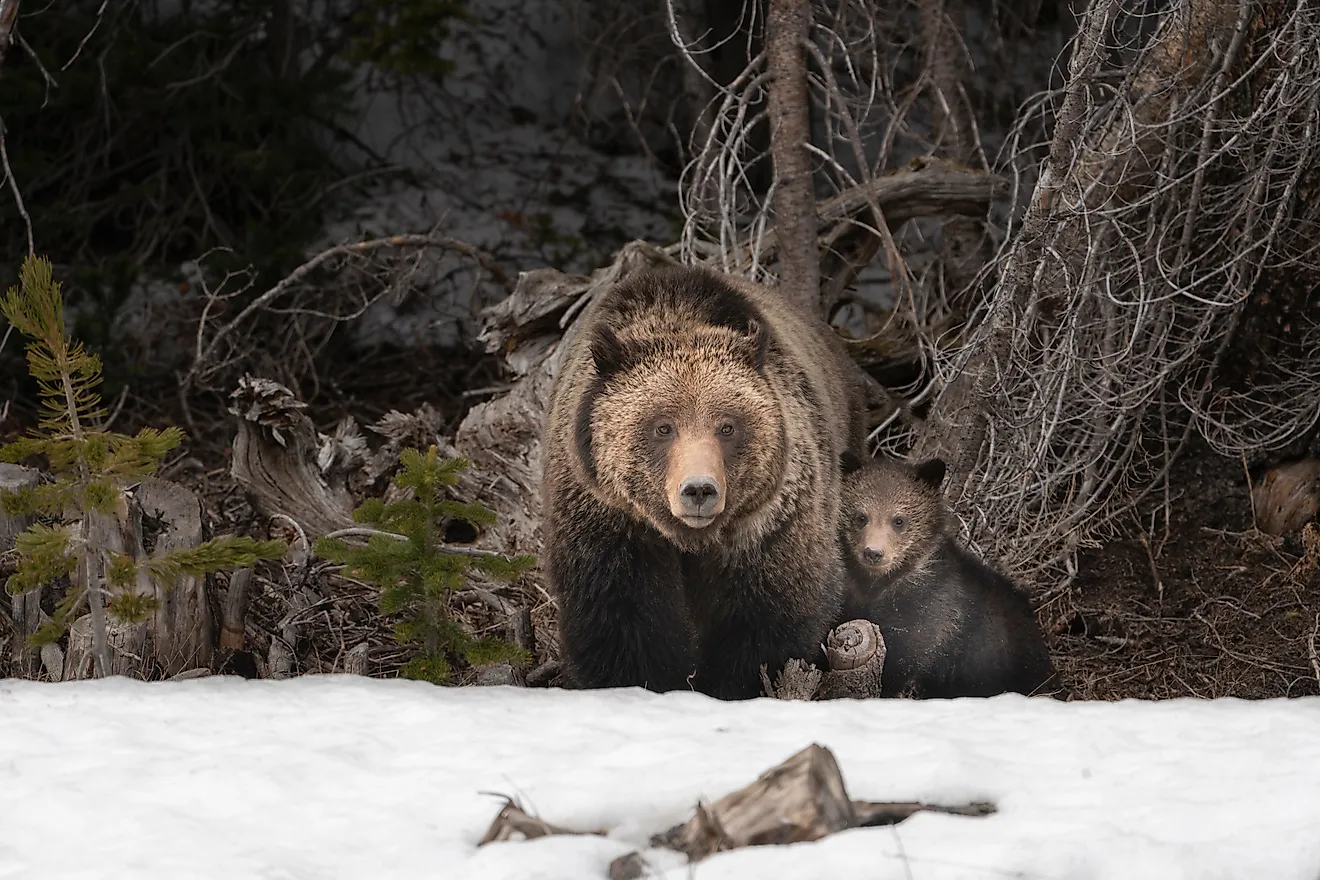
A productive oak can drop thousands of acorns in a good year, turning the forest floor into a winter pantry. Those nuts, known as hard mast, feed squirrels, deer, and black bears. The size of the crop can even affect the reproductive success of some wildlife during the following year. Oaks and hickories supply much of that hard mast across eastern forests, but other trees matter too. Pecans, walnuts, and beeches produce concentrated sources of energy just as wildlife is building reserves for winter or hibernation.
Oak Trees

Among trees that produce nuts, oaks are some of the most valuable wildlife trees in American forests. More than 90 oak species occur in North America, and their acorns feed wildlife across a wide range of habitats. Acorn production varies considerably by species and year. Oaks in the white oak group mature their acorns in one growing season, while those in the red oak group require two. Having several oak species in the same forest increases the chance that at least some acorns will be available in a given year.
White oak acorns are generally lower in tannins and often disappear quickly after falling. Red oak acorns contain more tannins and usually remain dormant until spring before germinating, allowing some to persist longer on the forest floor. Together, the two groups provide an important source of food for deer, squirrels, and wild turkeys.
Hickory Trees

Alongside the widespread acorns of oak trees, nuts from hickory trees provide another crucial source of nutrition. About 20 species of hickory occur in the United States, and their nuts are eaten by squirrels, chipmunks, and wild turkeys during fall.
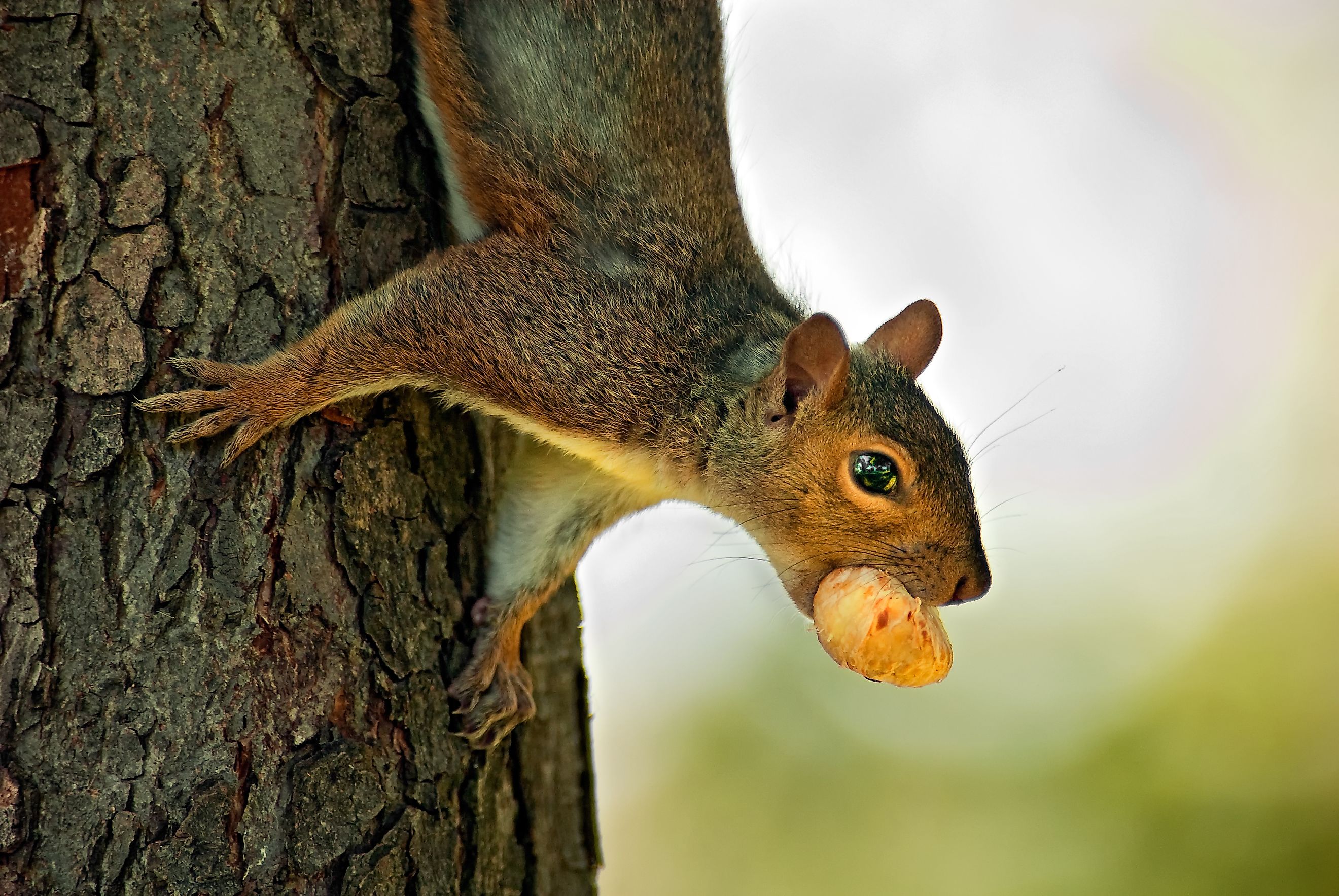
Age is an important factor in nut production, although the timing varies by species. Shagbark hickory begins producing significant amounts of seed at about 40 years old, with its best production generally occurring between 60 and 200 years. Squirrels frequently carry and bury the nuts, helping hickories spread when some caches are left uneaten.
Shagbark hickory is one of the most notable hickory species in North American forests. The trees can live for centuries, and some continue producing seeds at around 300 years old. Their nuts feed black bears, squirrels, and several bird species across the eastern and midwestern United States.
Pecan Trees

Pecan trees belong to the same genus as hickories and are among its largest members. Individual trees in natural stands may take as long as 20 years to begin producing seeds, while seed production has been reported in pecans as old as 300 years. Native pecans grow principally in the lower Mississippi Valley, with their range extending into eastern Kansas and central Texas. They favor humid climates and well-drained bottomland soils.
Pecan nuts mature in September and October before being dispersed through the fall. Squirrels, raccoons, and opossums eat the nuts, while squirrels also help disperse them. The foliage supports insect larvae as well, extending the tree's role in the forest food web beyond its nut crop.
American Hazelnut

American hazelnut trees are vital as a source of both food and shelter for forest animals. The trees grow in a number of different environments across a number of states but can mainly be spotted growing in woodlands, rocky hillsides, and upland forests and prairies. Being so widespread allows them to serve a number of animal populations in the U.S.
As they loosen from their bracts and fall to the ground, the hazelnuts feed beavers, groundhogs, and white-tailed deer, as well as birds like blue jays and woodpeckers that can travel up higher. Since they grow in dense groups called thickets, American hazelnut trees provide cover for forest animals, as well as a safe nesting area for songbirds.
Black Walnut Trees

Black walnut trees grow in scattered groups across forests in the central and eastern United States. Their nuts provide a valuable food source for wildlife, particularly squirrels and other rodents.
Black walnuts can begin producing some seed surprisingly early. Open-grown trees may bear nuts at four to six years old, although large crops generally do not appear until trees are 20 to 30 years old. The best seed production begins around age 30 and can continue for another century. Despite the name, black walnuts first appear inside round green husks with a strong aroma. Squirrels eat the nuts and bury others for later use. Many of those forgotten caches eventually germinate, helping black walnut spread through the forest.
Butternut Trees

Butternut trees, sometimes called white walnut, are closely related to black walnuts and grow across much of the eastern United States. Their elongated nuts develop inside sticky green hulls rather than the rounder husks associated with black walnut. Squirrels and other rodents eat butternuts and frequently carry them away from the parent tree, where uneaten nuts can later produce new trees. Butternut populations have declined substantially because of butternut canker, a disease that has killed trees throughout much of the species' North American range.
American Beech

American beech trees are common across much of the eastern United States and can live for centuries. Some reach 300 to 400 years of age. Beech generally begins producing substantial amounts of seed at about 40 years old, although good crops occur irregularly at intervals of roughly two to eight years.
The triangular beechnuts develop inside prickly husks and fall during autumn. They provide an important food source for wild turkeys, black bears, and squirrels. Blue jays can also carry beechnuts considerable distances, helping disperse the seeds beyond the parent tree.
Nut Trees Provide the Nutrition Forest Wildlife Needs
The importance of a nut tree extends beyond the sheer amount of food it produces. Hard mast supplies concentrated carbohydrates, protein, and fat during the part of the year when many animals need substantial energy reserves. Nut crops also change dramatically between years, making a diverse forest especially valuable. Oaks may have a poor mast year while hickories or beeches produce more heavily. Wildlife completes part of the cycle by carrying and hiding nuts. Some of those caches are never recovered and eventually grow into another generation of mast-producing trees.