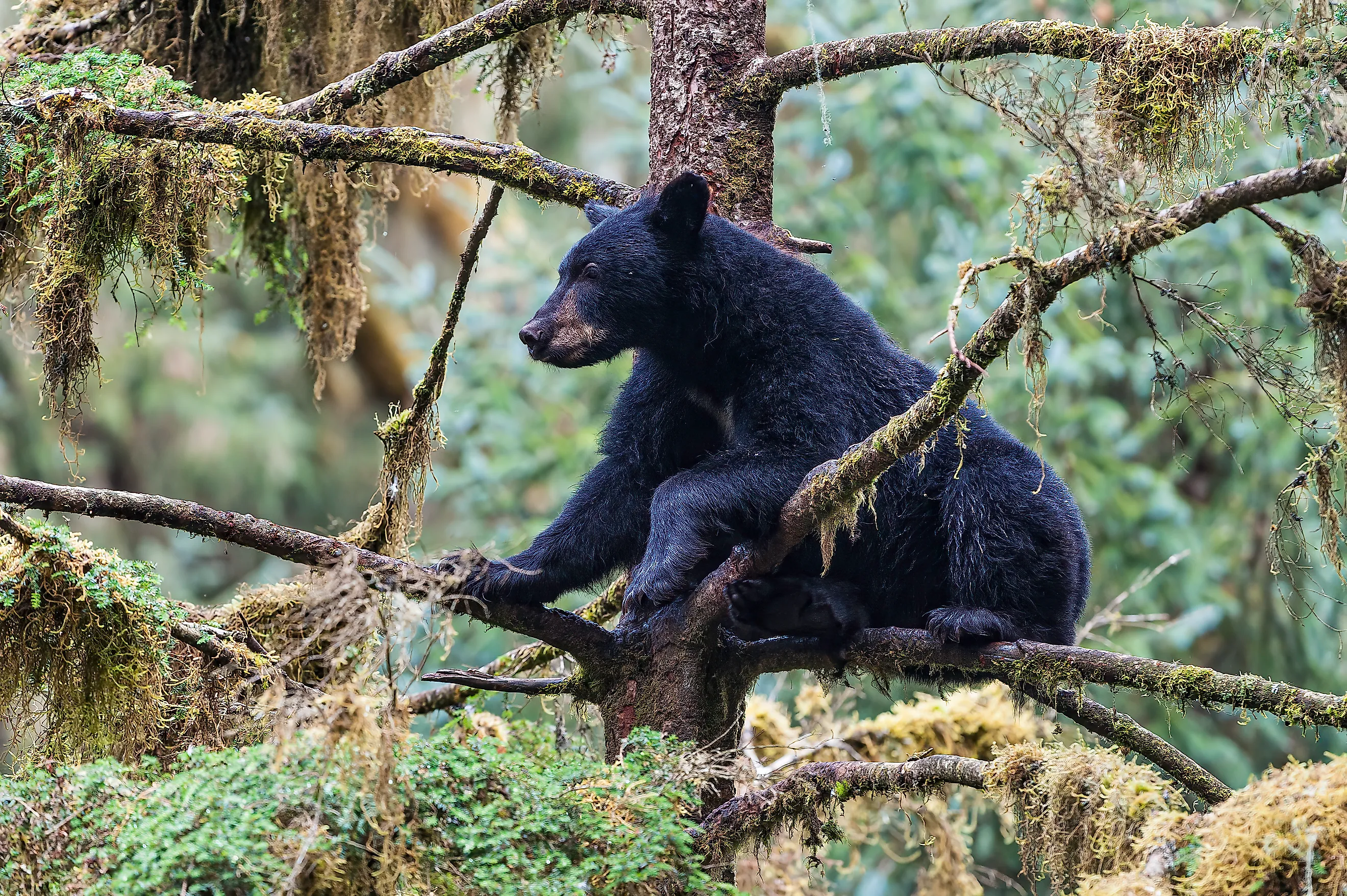
Why Black Bears Get More Dangerous In Fall
A typical backyard birdfeeder holds about seven pounds of black oil sunflower seed. That single feeder contains roughly 20,000 calories, which is exactly what a black bear is trying to eat every day in autumn. The same number would require nine pounds of acorns or seventy pounds of wild cherries, foraged across twenty hours. One feeder, or one unsecured bin, replaces an entire day of work. That arithmetic is the real reason autumn is the dangerous season, and it is worth being precise about what the danger actually is, because bears do not become more aggressive in fall. They become more present, more mobile and considerably more distracted.
Hyperphagia Is A Tenfold Increase

The autumn feeding period has a name, hyperphagia, which translates roughly as excessive eating, and the scale of it is difficult to overstate.
North Carolina's black bear biologists put the shift precisely: a bear consuming 2,000 to 3,500 calories a day in spring and summer moves to approximately 15,000 to 20,000 in autumn. Other agencies cite figures up to 24,000. Either way it is roughly ten times the normal intake.
A bear in hyperphagia can put on three pounds a day and gain anywhere from 20 percent to nearly 100 percent of its summer weight before denning.
They Barely Sleep

Meeting that target is a full-time occupation, and the behavioral consequences matter more than the numbers.
Bears forage up to 20 hours a day during this period, and BearWise notes they seldom sleep more than three or four hours. They are sleep-deprived, constantly moving and narrowly focused on calories.
That focus produces the single most useful line in any bear safety material: bears can be so absorbed in finding food that they may not see, hear or notice you. The classic autumn incident is not an attack. It is a surprise.
They Leave Their Own Territory
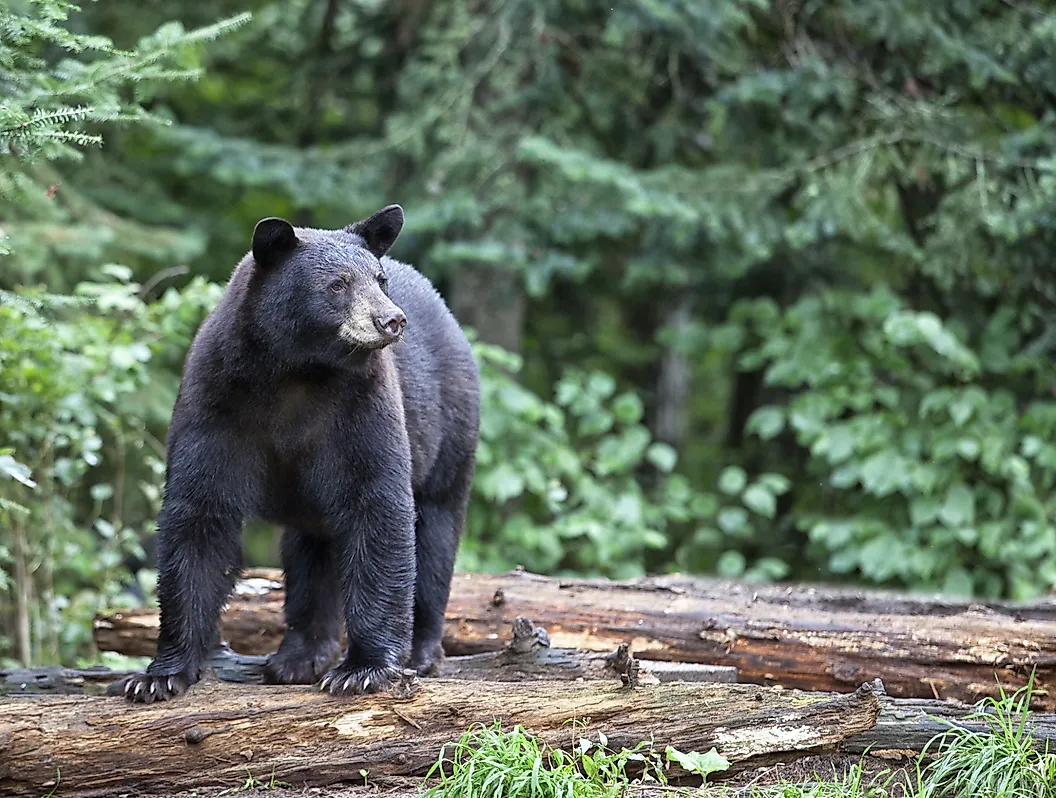
Bears in hyperphagia travel extensively, sometimes far beyond their normal home ranges, which is why autumn sightings turn up in places with no bear history at all.
Connecticut is the clearest illustration. Conflicts there tripled over five years, and bears have now been sighted in all 169 of the state's cities and towns. A bear that spends most of the year in one patch of forest may cover a great deal of unfamiliar ground in October.
They will also take risks they would not otherwise take, venturing near homes, campgrounds and trails, and attempting to cross busy roads.
Calories Decide Everything

Understanding what a bear is actually optimizing for explains most of its autumn behavior.
A pound of acorns contains about 2,100 calories. A pound of blueberries contains 256. A bear with a twenty-thousand-calorie target and limited daylight is going to prioritize hard mast, nuts and anything dense, which is why acorn and hickory crops matter so much to how a bear season goes.
It also explains the appeal of human food, which is dense beyond anything available in a forest. Bears are not drawn to bins because they are bold. They are drawn to bins because bins are efficient.
It Is A Clock, Not A Thermometer
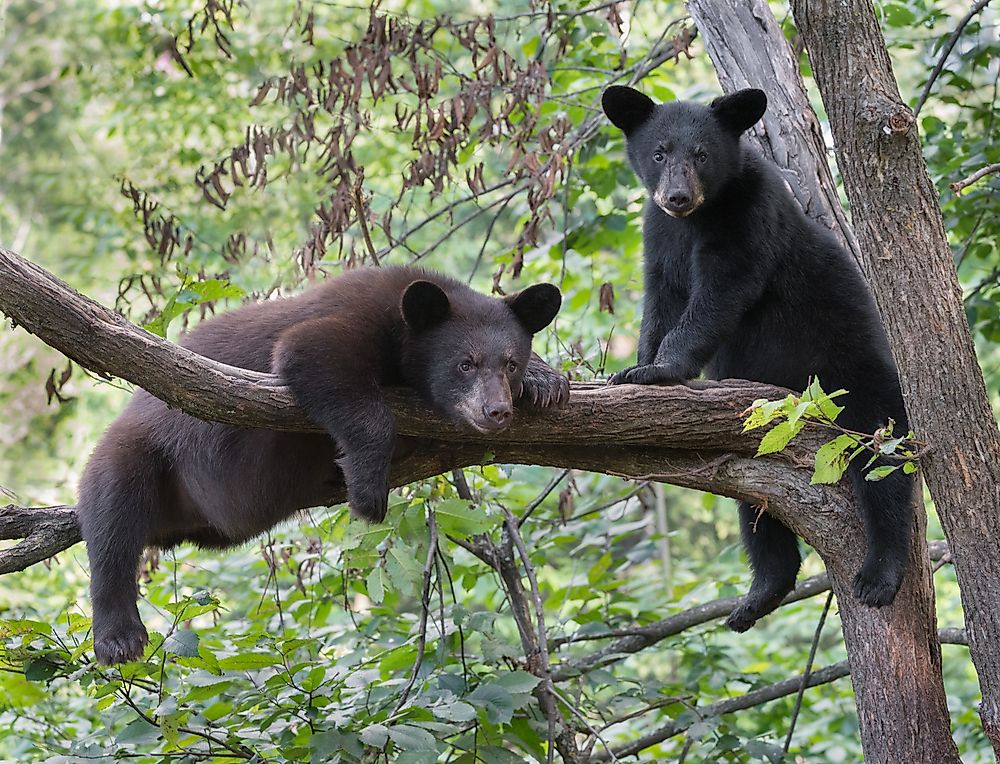
One detail surprises people in warmer states, and it rules out the assumption that this is a cold-weather behavior.
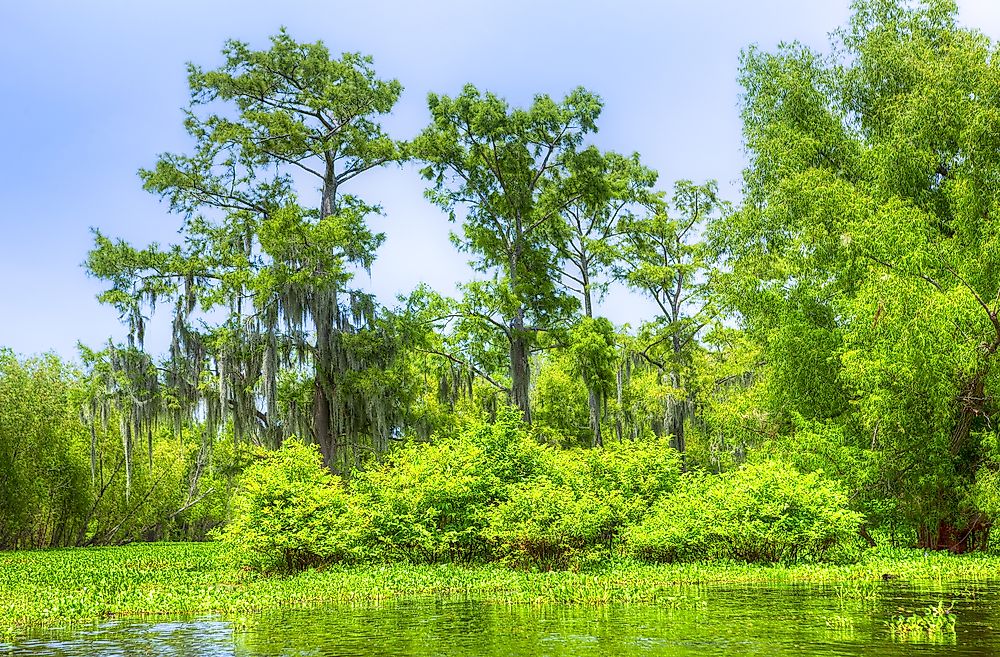
Bears in southern climates that den only briefly, or not at all, still enter hyperphagia every autumn. Wildlife officials in North Carolina note that winter food scarcity rather than temperature is what activates the process, so a bear's biological clock runs the feeding frenzy regardless of how mild the winter will be.
Florida bears do it. Louisiana bears do it. The trigger is the calendar and the coming shortage, not the weather outside.
Why A Fed Bear Is A Dead Bear
This is the part that matters most and gets the least attention, because the eventual victim is usually the bear. A bear that repeatedly accesses human food becomes habituated, meaning comfortable around people, and food-conditioned, meaning it associates people with meals. It loses its natural wariness, returns to the places that fed it, and causes property damage.
At that point the outcome is close to fixed. Food-conditioned bears pose a greater risk to public safety and to themselves, and the usual end point is a destroyed animal. The bear did not become dangerous on its own. Somebody left something out.
Bad Mast Years Are Worse
Oak and hickory do not produce the same crop every year, and that variation drives the conflict statistics. In a good mast year there is abundant natural food and bears can hit their target in the woods. In a failure year the same biological imperative applies with nothing in the forest to satisfy it, so bears travel further and push harder into human areas.
Which means the severity of a bear autumn is set months earlier by how the oaks performed, and it varies considerably from year to year and region to region.
What They Are Actually Like

Keeping proportion matters here, because the species' reputation does not match its behavior.
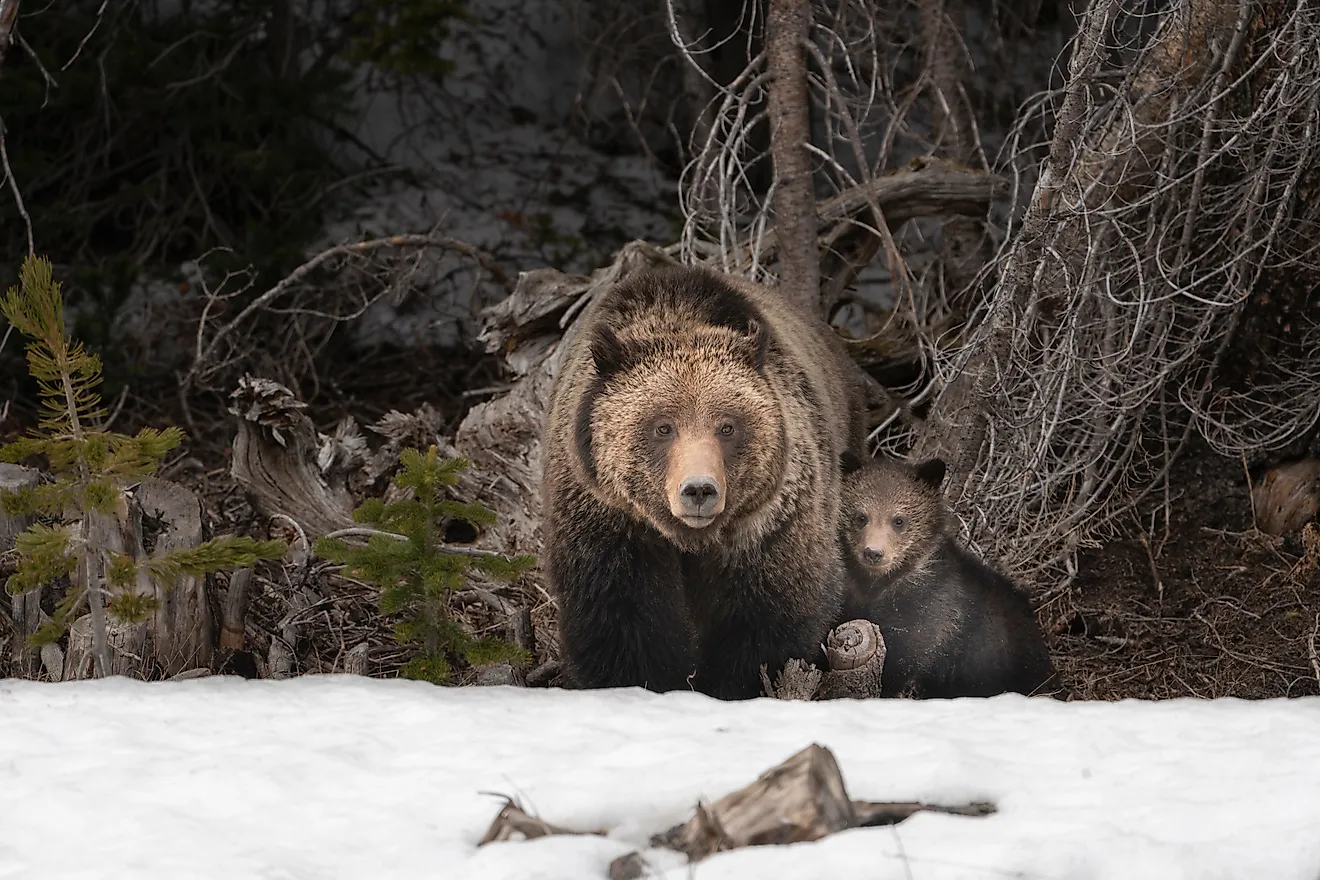
Roughly 85 percent of a black bear's diet is berries, plants, nuts and acorns, with most of the protein coming from insects, grubs and carrion rather than hunting. They are the smallest of North America's bears and overwhelmingly inclined to leave when they notice a person.
Colorado's guidance includes the detail that people have successfully fought off a black bear simply by convincing it they were not worth the trouble, which tells you a great deal about the animal's risk calculus.
What Actually Reduces The Risk
Because the problem is food rather than temperament, the solutions are domestic rather than heroic. Take bird feeders down for the autumn, or accept that you are running a bear buffet. Use bear-resistant bins or keep trash indoors until collection morning. Store pet food inside and bring outdoor bowls in at night. Clean grills thoroughly, including the grease trap. Pick fallen fruit from under trees.
On trails, make noise so a distracted bear knows you are coming, since surprise is the actual hazard. Keep dogs leashed, walk in daylight, and if you see a bear, give it room and let it leave.
The Short Version
Black bears are more hazardous in autumn because hyperphagia pushes them to roughly ten times their normal calorie intake, keeps them foraging up to twenty hours a day, sends them outside their home ranges and leaves them too absorbed in the search to notice a person approaching.
They are not angrier in October. They are hungrier, busier and in more places, and a single birdfeeder represents an entire day's work accomplished in one visit. Remove the shortcut and almost all of this stops being a problem.