The State Parks Where Feral Hogs Are Closing Trails
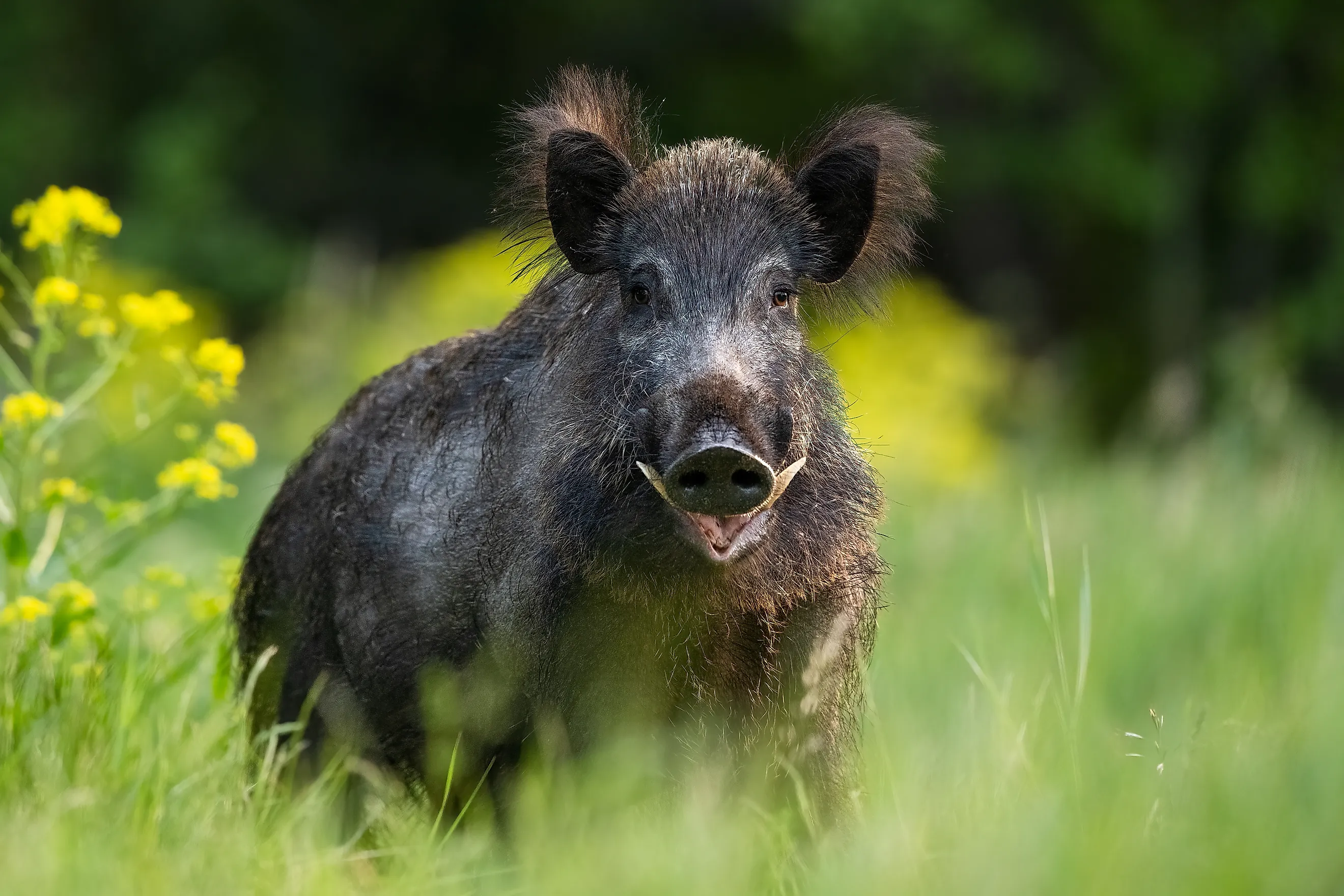
In December 2025, feral hogs shut down two Missouri state parks for four days, but the animals themselves were not what drove hikers away. The parks closed to make way for an aerial operation to remove them. Feral hogs reproduce rapidly, compete with native wildlife, damage trails as they root through the soil for food, and turn aggressive when cornered. To control them, wildlife managers sometimes use helicopters and firearms, and those operations require temporary closures to protect the public.
The Missouri closures took in all of Johnson's Shut-Ins State Park and Taum Sauk Mountain State Park, along with sections of the Ozark Trail. Florida's Myakka River State Park has closed its backcountry trails for a similar reason. Texas has also scheduled a closure of Fort Boggy State Park, where permitted hunters will take part in a feral hog hunt in January 2027.
Johnson's Shut-Ins State Park, Missouri

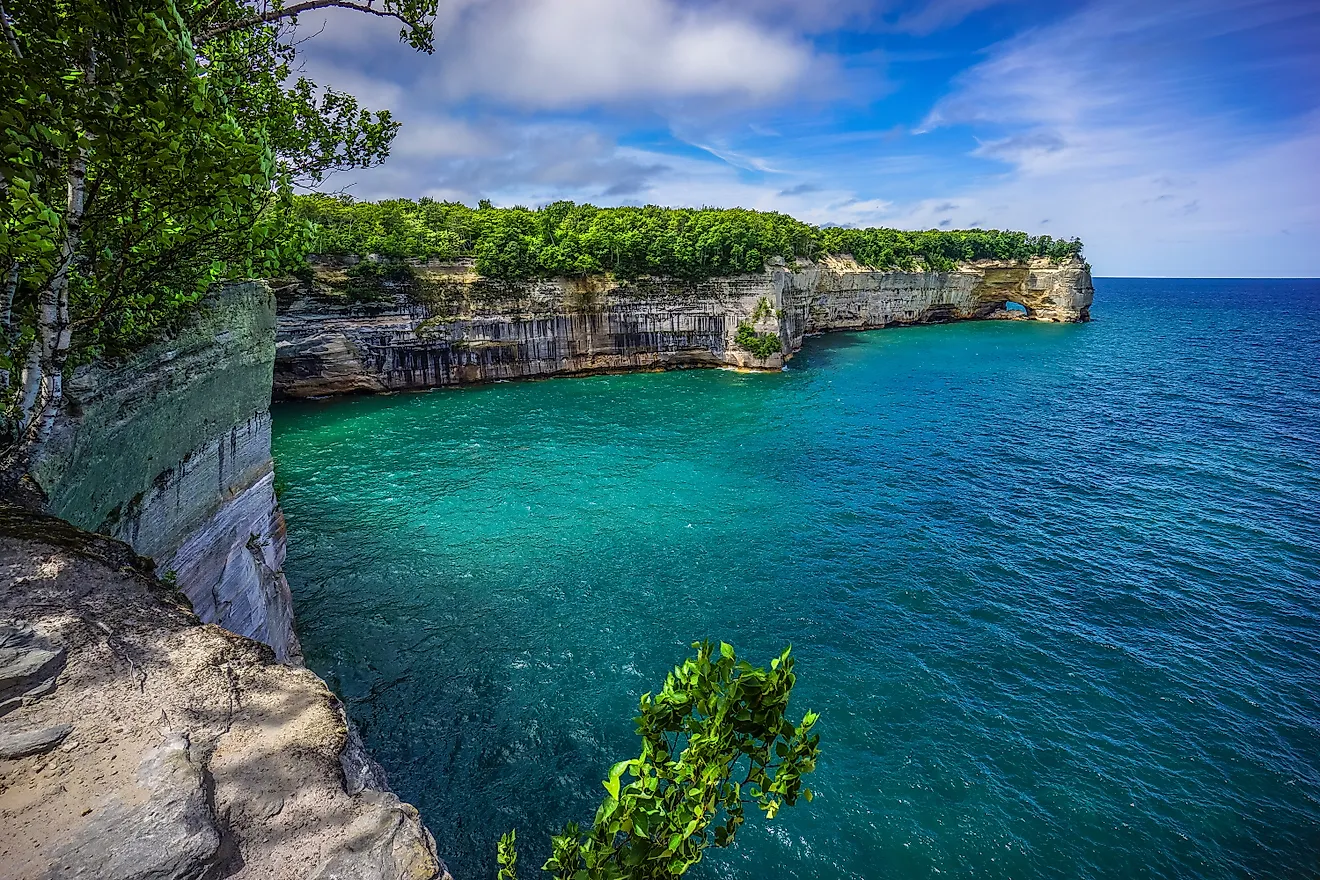
Johnson's Shut-Ins State Park is located in Missouri's St. Francois Mountains. The park is named for the rocky channels, or "shut-ins," where the East Fork of the Black River flows between ancient volcanic rocks. It has natural pools and chutes that draw swimmers in summer, as well as hiking trails that lead through the surrounding Ozark forests. As groups of feral hogs search for roots, insects, and other food, they overturn soil, harm native vegetation, damage trails, and cause erosion.

In December 2025, the park was closed for four days while crews conducted an aerial feral hog removal operation. From December 16 to 19, the closure affected the entire park, including sections of the Ozark Trail, a lengthy hiking route that connects public lands across southern Missouri. Wildlife managers use several methods to control feral hogs, including helicopters, large traps, nighttime shooting, and drones equipped with thermal cameras to locate and track the animals.
Taum Sauk Mountain State Park, Missouri

Missouri's highest point, Taum Sauk Mountain, rises 1,772 feet above sea level in Taum Sauk Mountain State Park, where the Ozark Trail crosses rugged terrain on its way to Mina Sauk Falls, the state's tallest waterfall. The park's rocky landscape also supports rare plants, including Mead's milkweed, a federally threatened wildflower. Feral hogs have damaged populations of this plant in the Taum Sauk area through their rooting and foraging activities.

The entire park closed at the same time as Johnson's Shut-Ins for the same aerial operation. Feral hogs move across boundaries separating state parks, national forests, and private property, so controlling them requires cooperation among landowners and wildlife agencies. Aerial removal has become an established part of feral hog management in eastern states, allowing crews to reach animals in remote areas that are difficult to access from the ground.
Myakka River State Park, Florida

Feral hogs have also caused problems in Myakka River State Park, one of Florida's oldest and largest state parks. The park contains about 37,000 acres of wetlands, prairies, pine flatwoods, and elevated areas of oak forest known as hammocks along the Myakka River. Backcountry trails take hikers through these habitats, where they can encounter deer, wading birds, and other wildlife, including hogs. The Wilderness Preserve includes Deep Hole, a sinkhole famous for attracting large numbers of alligators. Wild hogs forage in these areas, sometimes leaving roads and paths churned up from their rooting.

In September 2018, park officials closed the backcountry for three days while the US Department of Agriculture conducted a feral hog removal operation. The park subsequently carried out additional removal efforts. At a January 2022 meeting, a park representative reported that USDA crews had shot nearly 90 hogs from a helicopter over three days.
Fort Boggy State Park, Texas

Fort Boggy State Park covers about 1,800 acres of rolling hills, hardwood forests, and open meadows near Centerville, Texas. Its hiking trails wind through the woods around Sullivan Lake, where visitors can fish, paddle, and swim. Feral hogs threaten these areas by rooting through soil and damaging native vegetation. Texas has one of the country's largest feral hog populations.

Fort Boggy takes a different approach to hog removal. Instead of using helicopters and wildlife management crews, the park will allow a small number of permitted hunters to hunt the hogs. The hunt is scheduled for January 18 through 22, 2027. The entire park will close to the public at noon on January 17 and reopen at 2 p.m. on January 22. The Texas Parks and Wildlife Department has allocated five permits, and hunters must remain in their assigned blinds, which are shelters used to conceal hunters.
Why Feral Hogs Are So Difficult To Control

Feral hogs are extremely adaptable, eating everything from roots and acorns to insects and small animals. They also reproduce quickly. According to the Missouri Department of Conservation, a sow can produce two litters of about six piglets each year, and under favorable conditions, populations can grow by as much as 166% annually. Their rooting can turn over soil as deep as eight inches, and their wallowing can damage wetlands and muddy waterways.
Humans have also contributed to the problem. During the 1990s, some people in Missouri raised European wild boars for hunting and meat, and some escaped or were released. The state now discourages recreational hog hunting because shooting a few animals can scatter the rest of a group, or "sounder," making them harder to trap. Since Missouri launched its Feral Hog Elimination Partnership in 2016, the number of watersheds occupied by feral hogs has declined by approximately 84%, according to University of Missouri Extension.
The Ethics Of Killing Feral Hogs

Killing feral hogs has caused objections, particularly when crews shoot them from helicopters. In a 2013 review of a California hog eradication project, the Humane Society of the United States argued that aerial shooting was unnecessarily cruel and questioned whether wildlife managers had adequately considered alternatives. Missouri residents have also raised concerns about public safety and the potential for other wildlife to be harmed. State conservation officials maintain that trained crews follow strict safety procedures.
In Missouri, crews generally leave carcasses where the animals were killed but move them away from waterways. Scavengers consume some of the remains, while the rest decomposes naturally. Wildlife managers, meanwhile, argue that removing invasive hogs protects native plants, animals, and sensitive habitats. The ethical dilemma extends beyond the hogs themselves. Allowing invasive populations to expand can harm native wildlife and ecosystems, while eliminating entire groups raises questions about animal welfare.
What Hikers Should Know

Encountering a feral hog on a hiking trail is not necessarily dangerous, but it is important to give the animal plenty of space. They generally avoid people, but they can be aggressive when cornered, injured, or protecting young. Feral hogs have sharp tusks and can move very fast. Hikers who encounter one should remain calm, avoid approaching or feeding it, and slowly move away while leaving it a clear escape route. Dogs should be kept on leashes, since they can provoke a confrontation.
Overturned soil, muddy patches where hogs have been wallowing, and hoofprints are all signs that hogs have been in the area. Hikers should also check for park closures before heading out, especially when wildlife management crews are working to remove the animals.
When Feral Hogs Close The Trails
Feral hog management can temporarily close hiking trails and even entire state parks. The closures at Johnson's Shut-Ins, Taum Sauk Mountain, and Myakka River demonstrate how wildlife agencies restrict public access during removal operations. Fort Boggy's scheduled hunt shows another approach to controlling the animals. Although these closures can disrupt recreational plans, they allow wildlife managers to address an invasive species that damages native habitats and threatens the ecological health of protected lands.