The 9 Can't-Miss Towns On Florida's Emerald Coast
Florida's Emerald Coast is famous for its brilliant turquoise water and snow-white beaches, but there is much more to this stretch of the Gulf Coast than its shoreline. From historic downtowns and waterfront parks to nature preserves and communities shaped by fishing, farming, and maritime traditions, the region has a character that extends well beyond its popular beach destinations. Each town has its own story and offers a different perspective on life in this corner of Northwest Florida.
In Destin, generations of fishing traditions remain part of the community's identity, whereas Milton reflects the region's earlier history as a center for lumber and shipbuilding along the Blackwater River. Gulf Breeze highlights its connection to coastal nature and the waterways that define the area. Together, these 9 communities show why exploring the Emerald Coast means discovering more than beautiful beaches.
Gulf Breeze

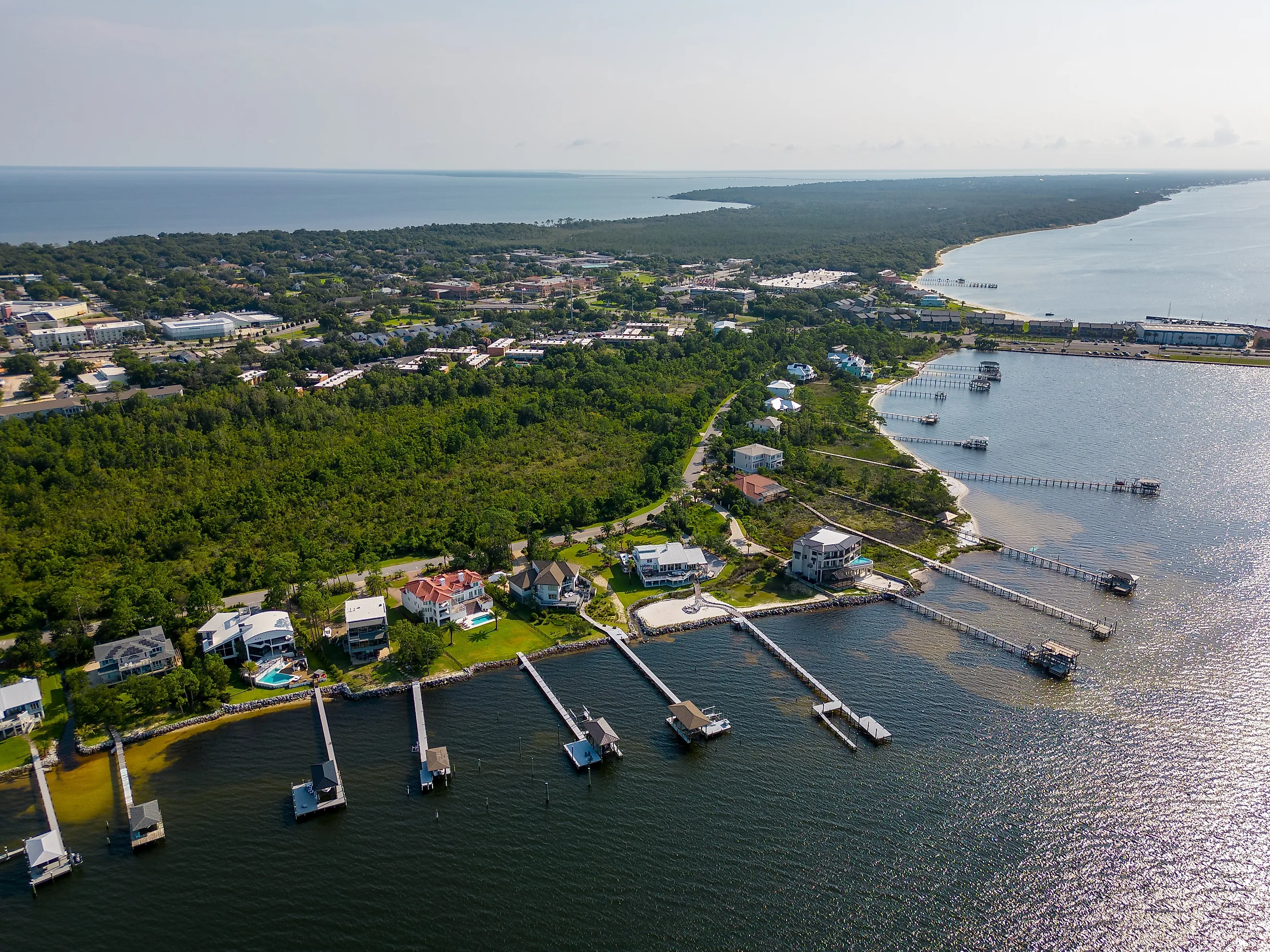
Located on the Fairpoint Peninsula between Pensacola and Pensacola Beach, Gulf Breeze is a small waterfront city with a relaxed atmosphere and plenty of outdoor recreation. Surrounded by Pensacola Bay and Santa Rosa Sound, the town appeals to people who enjoy boating, fishing, and exploring coastal nature.
Gulf Breeze has several attractions that highlight its outdoor vibe. The Naval Live Oaks Nature Preserve, part of Gulf Islands National Seashore, offers 7 ½ miles of hiking trails that wind through coastal forests and is a great place for birdwatching. For the non-native species, the Gulf Breeze Zoo offers a chance to see animals from around the world, mine for gemstones and fossils, and take a safari train ride.
For waterfront recreation, Shoreline Park has walking paths, picnic areas, and recreational facilities. Here you can book a dolphin-watching cruise, rent a kayak, or take surfing lessons.
Gulf Breeze is an excellent example of a quieter coastal experience with easy access to some of the region's best-known attractions.
Milton

Milton is a historic Northwest Florida city on the Blackwater River in Santa Rosa County. Founded in the early 19th century, the community developed around the timber, lumber, and shipbuilding industries. Today, its historic downtown, riverfront setting, and access to some of the area's most beautiful natural landscapes make it an appealing destination for history enthusiasts and outdoor adventurers alike.
The Blackwater River is one of the town's main attractions. True to its name, its tannin-stained water runs dark over a bright, sandy bottom, which provides a perfect setting for paddling and swimming. One of the state's last remaining tracts of wet prairie is found at the Yellow River Marsh Preserve State Park. The park is home to Florida's largest community of carnivorous plants.
The Milton Riverwalk, which is along the Blackwater River, has easy access to canoe and kayak launches, but if you're more interested in staying dry, it's also a great place to enjoy views of the river and explore the historic downtown area. Just south of downtown, the history of the region's railroad legacy is on display at the West Florida Railroad Museum.
Milton offers a different side of the Emerald Coast, combining small-town history with outdoor adventure away from the crowded beaches.
Fort Walton Beach

The coastal city of Fort Walton Beach has beautiful beaches, fascinating history, and family-friendly attractions. Situated on the Choctawhatchee Bay, the town provides convenient access to the Gulf beaches of Okaloosa Island. While the surrounding area is known for its tourism industry, the waterfront parks, cultural attractions, and historic downtown give Fort Walton Beach an identity of its own.
The region has a history stretching back thousands of years, and visitors can explore some of that history alongside modern entertainment. Gulfarium Marine Adventure Park is a popular attraction where visitors can see and learn about dolphins, sea lions, penguins, and other marine animals.

Unlike many museums, the Emerald Coast Science Center is a hands-on science museum that encourages people to interact with exhibits, experiment, and explore the wonders of science through discovery. Being right on the Gulf Coast, Fort Walton also has the traditional coastal experience. Okaloosa Island has the white-sand beaches and warm Gulf water, right off the Island Boardwalk with a pier, picnic areas, shops, and restaurants.
Fort Walton Beach is a great destination if you're looking for a blend of coastal recreation and educational attractions.
Niceville

Located on the northern shore of the Choctawhatchee Bay, Niceville is a small town known for its scenic waterfront, outdoor recreation, and, as its name indicates, its welcoming community. The city is surrounded by beautiful waterways, perfect for kayaking, fishing, boating, and exploring nature. Although it is inland from the Gulf beaches, Niceville is only a short drive from Destin and other popular Emerald Coast destinations.
One of the city's most distinctive attractions is Turkey Creek, a natural waterway with clear water and shaded banks. The Turkey Creek Nature Trail and Pavilion is an ideal place to explore the river. Walk the scenic boardwalk while watching for turtles and birds, or cool off in the swimming areas.
Rocky Bayou State Park offers another opportunity to enjoy the outdoors, with hiking trails, pine forests, and waterfront scenery. It includes the Rocky Bayou Aquatic Preserve, which, at only 367 acres, is the state's smallest aquatic preserve. There is more to Niceville than the outdoors. The town's artistic side comes alive at the Mattie Kelly Arts Center, where the stage has a rotation of concerts and theatrical productions, and cultural events and art exhibits round out a full schedule of events.
Niceville offers a pleasant mix of peaceful outdoor recreation and local arts and culture.
Destin

Famous for its emerald-green water, sugar-white sand, and deep-sea fishing, Destin has grown from its humble beginnings as a small fishing village into a major vacation destination. However, it has not neglected its roots. Its location on a peninsula between the Gulf of Mexico and the Choctawhatchee Bay provides plenty of opportunities for boating, water sports, and fishing excursions.
Having been dubbed the World's Luckiest Fishing Village by the Florida governor in 1956, Destin remains popular with anglers. Today, Destin sports more fishing charter boats than anywhere else in the state. They start lining up before dawn at HarborWalk. If you're not interested in taking a charter, there are plenty of spots where you can cast a line for pompano, whiting, or Spanish mackerel. Henderson Beach State Park is a popular place because there are generally fewer swimmers than at some of the other shorelines.

HarborWalk Village offers more than just a place to find a charter or book a dolphin cruise. It is also a great place to browse shops, book a dolphin tour, and enjoy waterfront restaurants. If you did take one of the fishing charters, there are several restaurants that will cook your catch for you. Among them is Harbor Docks, which also has its own fleet of charter boats. To learn how Destin grew from a small fishing village into the thriving community it is today, stop by the Destin History and Fishing Museum.
Fishing has long been at the heart of Destin, earning it a reputation as a historic fishing village and influencing its culture and way of life.
Freeport

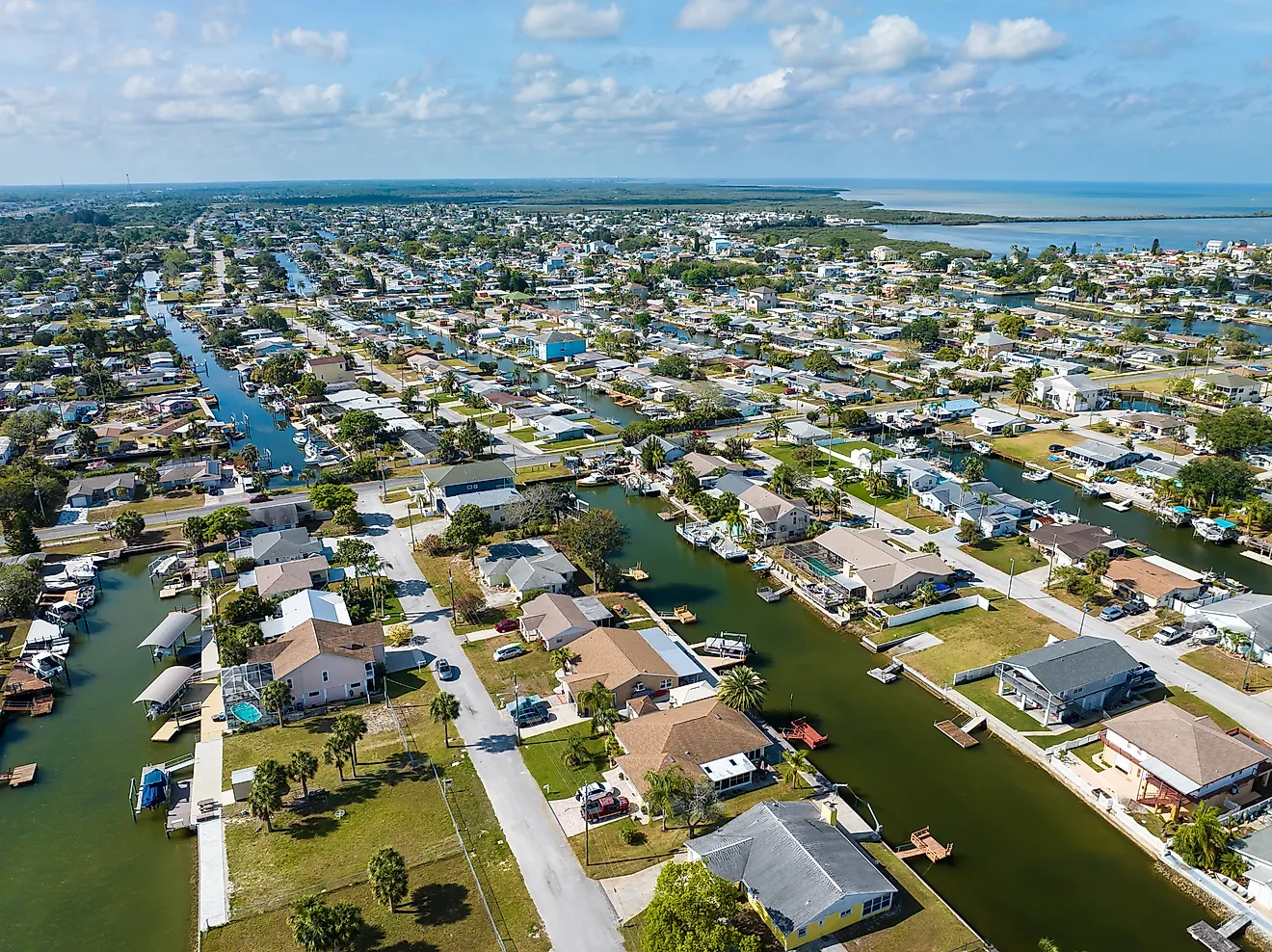
Freeport is one of Florida's fastest-growing cities. Its prime location on the shore of Choctawhatchee Bay makes it a convenient gateway to the popular beaches and coastal communities of Walton County, while its quieter surroundings offer opportunities to explore the area's waterways and natural landscapes.
The city's proximity to the bay, rivers, and nature preserves makes it an especially appealing place for people who enjoy fishing, boating, and exploring Florida's natural environment. Grady Brown Park has prime waterfront views, fishing, and access to the surrounding waterways. Visitors can also explore Choctawhatchee Bay by kayak, paddleboard, or boat, taking in the marshes and shoreline along the way.
A short drive away, Eden Gardens State Park covers 163 acres of land that were part of the historic Wesley Homestead. The renovated house and carefully maintained gardens are open for tours. If the gardens and the Emerald Coast's biodiversity have piqued your interest, the E.O. Wilson Biophilia Center on the Nokuse Preserve is worth a stop. The 56,258-acre private nature preserve is the largest private conservation project east of the Mississippi River.
Freeport reflects the quieter, more natural side of Walton County, where waterways, wetlands, and wooded landscapes help define the community.
Panama City Beach

Panama City Beach is one of the region's best-known vacation destinations, offering 27 miles of white-sand beaches along the Gulf of Mexico. This Bay County town embodies the classic Emerald Coast image, with its sugar-white beaches, turquoise waters, and unmistakable coastal character. Although it has a relatively small year-round population, the community welcomes large numbers of visitors, particularly during the summer months.
Panama City Beach offers more than sunbathing and swimming, with state parks, shopping, outdoor recreation, and opportunities to explore the Gulf's underwater environment. St. Andrews State Park is a favorite for swimming, snorkeling, fishing, hiking, and relaxing on beautiful natural beaches. Nearby, the undeveloped barrier island of Shell Island is accessible only by boat. There, people can spend a day swimming, snorkeling, and collecting shells, including conch and whelk, olive shells, as well as sand dollars and shark teeth.
The Panama City Beach Conservation Park brings the outdoor recreation onto dry land. Encompassing more than 2,900 acres, the park has 24 miles of trails and more than a mile of boardwalks through cypress domes. After a day in the sun and surf, Pier Park, an open-air shopping, dining, and entertainment complex, offers a break from the beach. While Pier Park features major retailers, the Shop the Shore Boutique Trail focuses on local independent boutiques and specialty shops.
With its broad beaches and active coastal scene, Panama City Beach represents the energetic, highly developed side of Florida's Gulf Coast.
Panama City

Panama City is the largest incorporated city in Bay County and serves as the county seat. Situated along St. Andrews Bay, between Pensacola and Tallahassee, it has a rich maritime history and a downtown district that blends historic architecture, local businesses, waterfront attractions, and a growing arts scene. Although it is often overshadowed by neighboring Panama City Beach, the city has plenty of attractions of its own and offers a different perspective of life on Florida's Gulf Coast.
Its waterfront location has helped shape the community, with fishing, boating, and maritime industries remaining important parts of its identity. The city has two distinct historic neighborhoods, Historic St. Andrews and Downtown Panama City. Historic St. Andrews District was a fishing village and a center for salt production in the mid-1800s. Beyond the boutiques and restaurants, it has the Publishing Museum with a vintage printing press and the Native Spirit Museum and Gallery.

Downtown Panama City has several outdoor dining options, the Bay County Historical Society Museum, and the Historic Downtown Walking Tour, which unveils local secrets and showcases fabulous architecture. The Panama City Center for the Arts offers rotating art exhibits, cultural programs, and community events. Those who enjoy outdoor art can follow the Panama City Mural Trail, which features nearly three dozen installations.
Panama City blends its historic roots with a growing arts presence and a waterfront culture that remains central to the community.
Lynn Haven

Located just north of Panama City, Lynn Haven is a waterfront city along North Bay in Bay County. Founded in the early 20th century by Civil War veterans, it developed as a residential and agricultural community and has grown into one of the area's larger municipalities. Despite its proximity to Panama City, Lynn Haven maintains a quieter atmosphere with neighborhood parks, waterfront recreation, and local community events.
Lynn Haven has made outdoor spaces part of its community landscape with 12 parks and trails for walking and recreation, and access to the area's natural surroundings. Its bayfront setting further connects the community to the water. Leslie Porter Park is a popular place with a sandy waterfront swimming area, playgrounds, picnic facilities, and an elevated walking bridge overlooking North Bay.

Lynn Haven Bayou Park and Preserve has 98 acres to explore and balances recreation with habitat conservation. Nearly two-thirds of the park preserves the habitat of the threatened Panama City crayfish. Converted from an old railway line, the Rail Trail winds through Lynn Haven, providing a safe route for outdoor exercise or a quiet walk. Right next to the 7-acre A.L. Kinsaul Park, which includes a waterfront multiuse field, a covered pavilion, and spectacular views of a sunset over the bay, is the Bark Park. The Bark Park is a little more than an acre and has fenced areas for large and small breeds and shaded seating for their humans.
Lynn Haven combines a relaxed residential atmosphere with neighborhood parks and a waterfront setting that make outdoor recreation part of everyday community life.
More than a Beautiful Coastline
The Emerald Coast's appeal comes from the variety of communities that make up the region. Some, like Fort Walton Beach, combine coastal recreation with museums and cultural attractions, while Niceville is known for its natural waterways and local arts scene. Farther east, Panama City has a maritime past and a growing arts presence that give it a character distinct from its better-known beach neighbor. Lynn Haven, meanwhile, shows how waterfront parks and outdoor spaces remain central to everyday community life.
Whether a town is known for its history, its natural surroundings, its fishing heritage, or its connection to the Gulf, each adds something to the identity of Florida's Emerald Coast. The beaches may be what first draws attention to this part of the state, but its towns are what reveal its depth and variety.