The State Parks Where Copperheads Are Still Moving In November
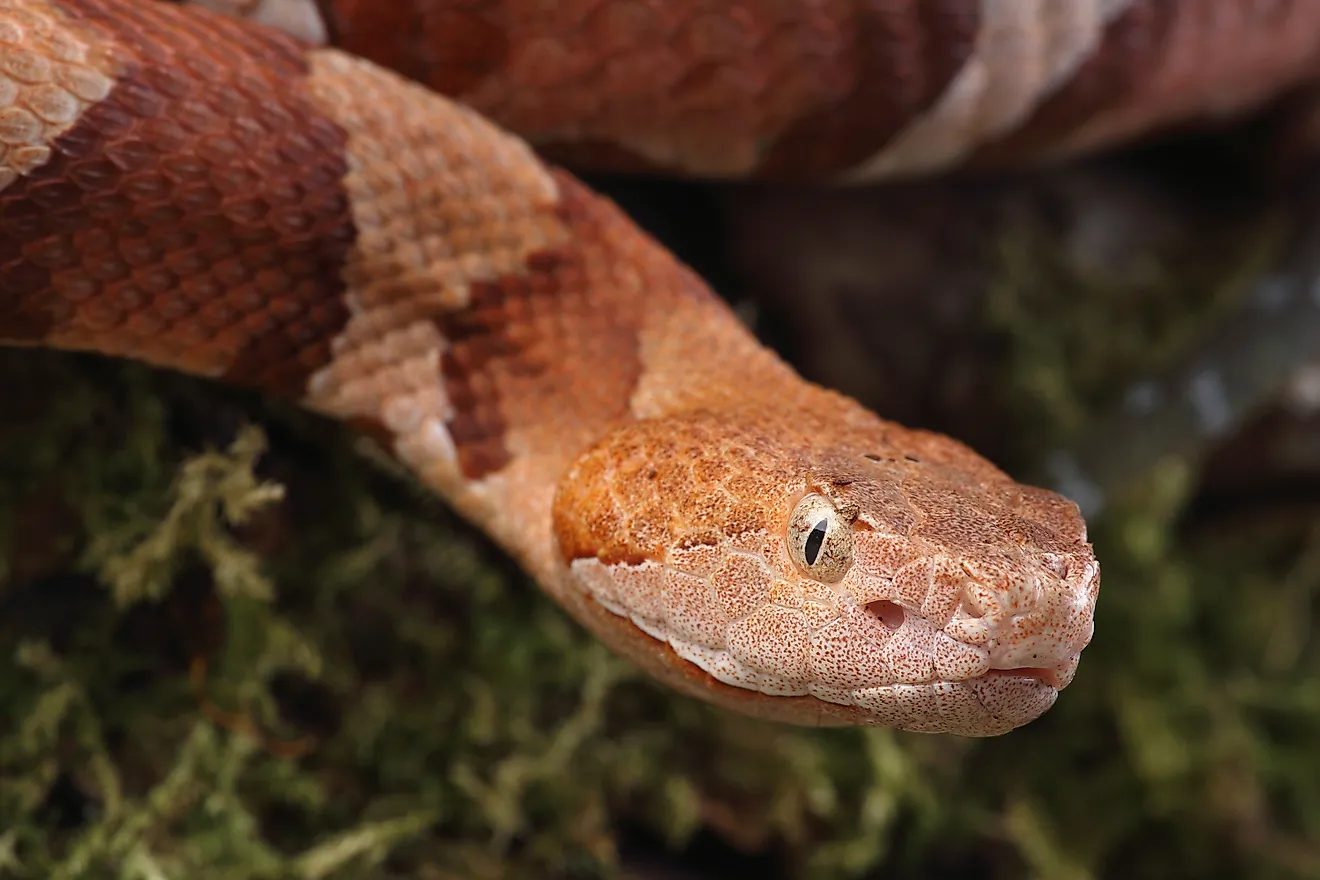
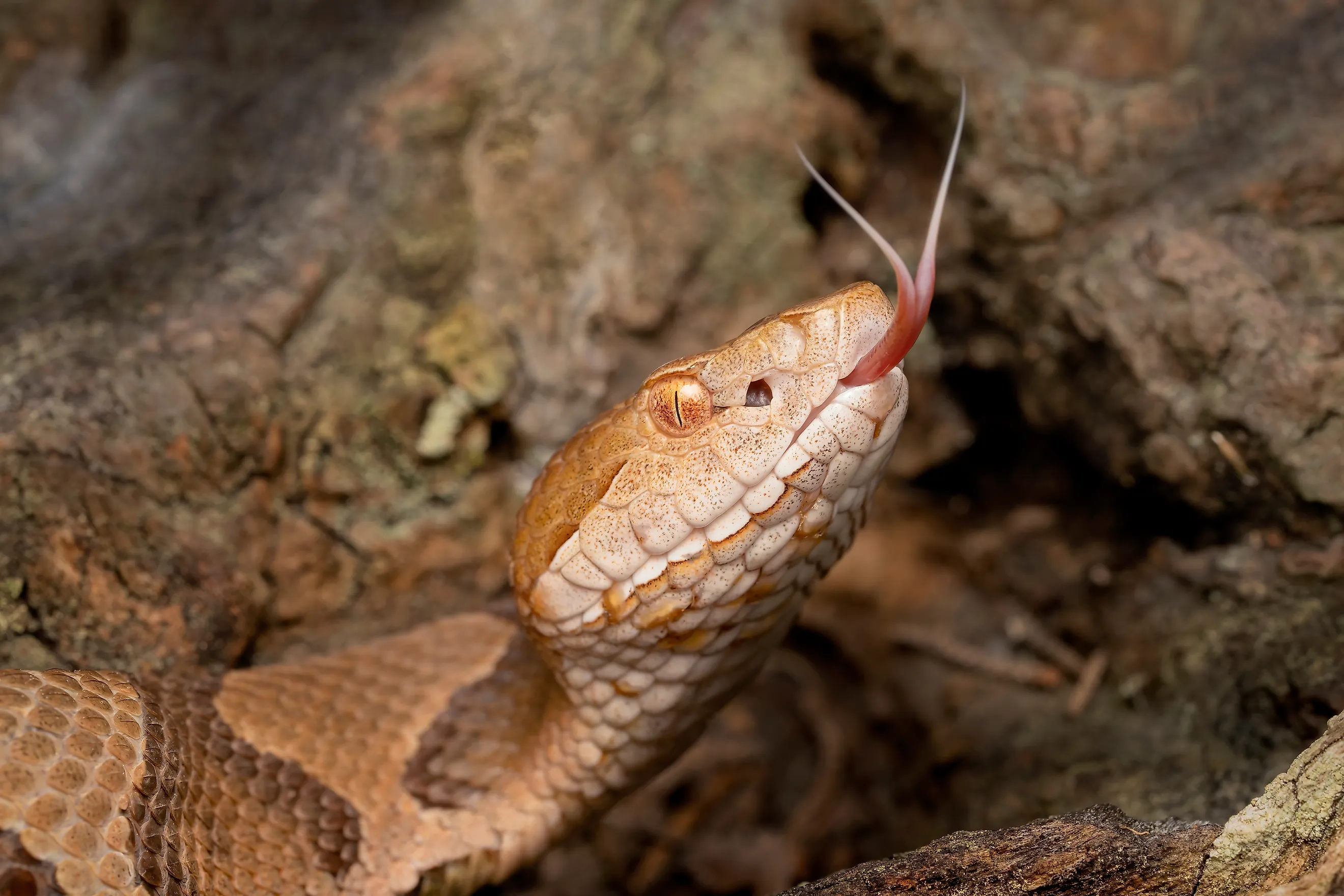
November is the last stretch of the year for copperheads, and on the warmer days of the month some are still out on the ground. North Carolina wildlife biologists say snakes will come out in the daytime when temperatures rise, even in fall and winter, and Oklahoma's wildlife department notes that copperheads, mostly active at night through the summer, usually switch to daylight activity in spring and fall. That shift puts many of the late-season snakes out in the same daylight hours that people spend hiking and camping in state parks at this time of year.
In a handful of state parks across the South, those November copperheads keep turning up close to where visitors go, in the leaf litter beside trails and on the roads and campground loops that run between them. A few copperheads are born as late as early October, so some of the snakes still moving in November could be only weeks old.
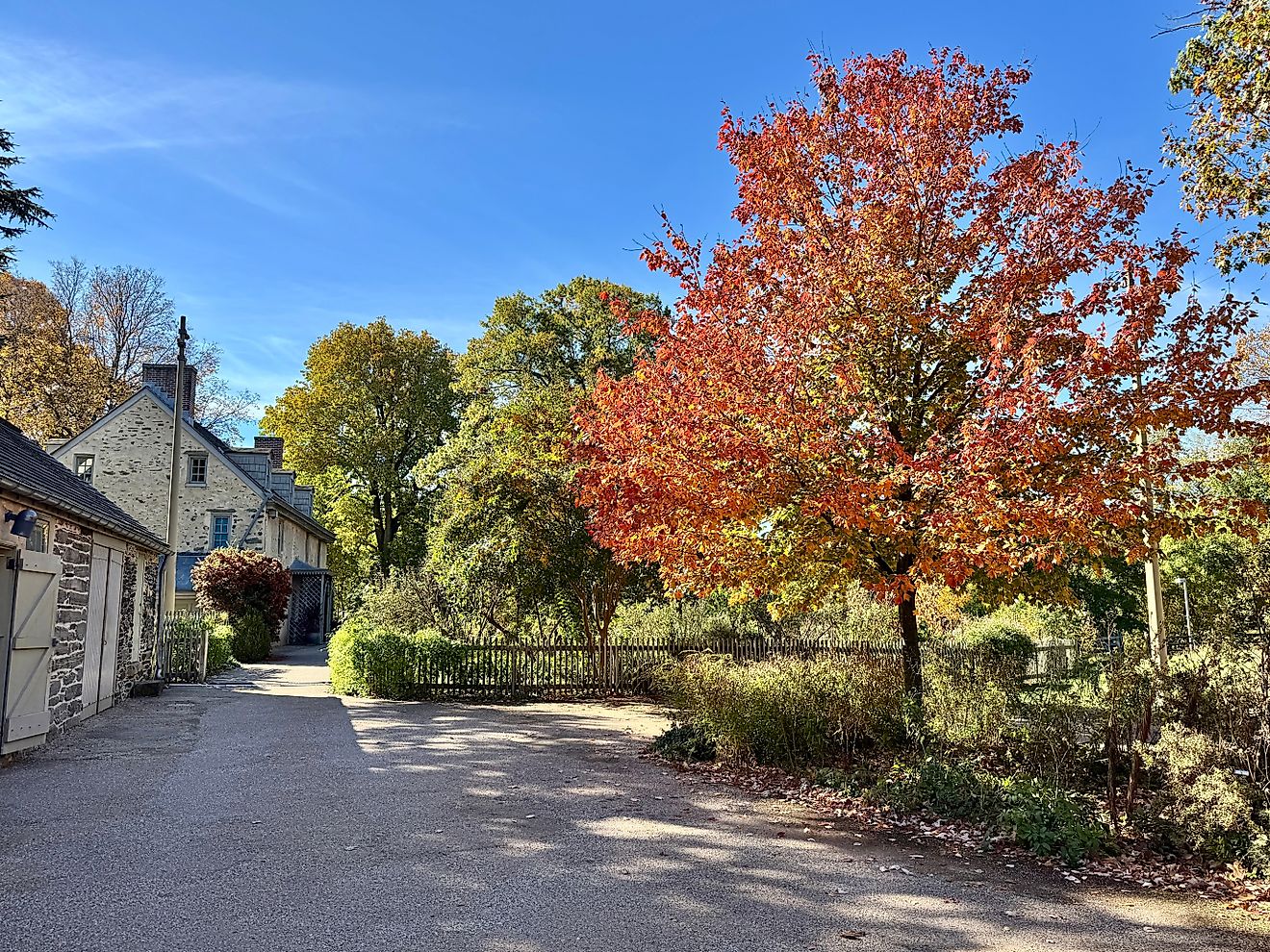
Eno River State Park, North Carolina

Along the Eno River near Durham and Hillsborough, the state park's late-season copperhead records run deep into the fall. One was photographed in the park on October 30, 2023, and on November 8, 2025, another lay on the pavement of a road at the park's western edge at 8:26 in the evening.
The latest of them came on November 25, 2022, when a copperhead was photographed at 3:38 in the afternoon in leaf litter lit by the sun. The state's wildlife agency says copperheads favor rocky, south-facing slopes and spend the winter in stump holes and rock fissures below the frost line, and across North Carolina the species has been recorded in every month of the year.
Rocky ground is easy to find here. The Laurel Bluffs Trail follows the river and climbs onto ridges where cliffs and bluffs crowd the bank, with its east section running 2.2 miles one way, and the 1.5-mile Buckquarter Creek loop starts at the Piper-Cox Museum parking lot and heads up the river at Few's Ford, where a staircase leads to a view of the rapids.
Cummins Falls State Park, Tennessee

West across the mountains, Cummins Falls State Park covers 457 acres in the hills of Jackson County near Cookeville, around a gorge of rocky ledges and cliffs with a 75-foot waterfall. A juvenile copperhead was out in the park around midday on November 6, 2024. Tennessee's wildlife agency says copperheads there are born in late summer or early fall, so a juvenile out in early November could have been born only weeks or a few months before.
Getting down to the base of the falls means wading and climbing over rocks, and it requires a Gorge Access Permit. Winter hours took effect on November 1, 2026, and run through March 14, 2027, so the gorge closes at 3:30 in the afternoon and permit sales stop at 2:30. Because the gorge is prone to flash flooding, the route depends on the water. Visitors who stay on the rim can take the Falls Overlook Trail, the one trail in the park where all-terrain wheelchairs can be used.
Huntsville State Park, Texas

The first freeze at Huntsville State Park, in the East Texas Pineywoods, typically arrives in late November, and Texas Parks and Wildlife notes that southern copperheads are active in daylight during late fall. Live copperheads were found in the park in the early afternoon of November 2, 2017, and in the late morning of November 6, 2020, the second one lying in pine-needle litter.
The park's 21 miles of trails include routes around Lake Raven, a 210-acre lake with kayak rentals near Raven Lodge. On a hike around the lake in May 2018, a Sierra Club group spotted a copperhead moving quickly through the leaf litter just off the trail, and its camouflage was so effective that the snake was easy to overlook against the forest floor.
Brazos Bend State Park, Texas

Alligators are common in some parts of Brazos Bend State Park, about 45 miles from downtown Houston, and the 40 Acre Lake Trail is one of the places to see them. Texas Parks and Wildlife says the southern copperhead, the form found here, prefers wooded lowlands, usually within a river bottom, which describes the bottomland forest that the Pilant Slough Trail follows and the 1.9-mile Hale Lake Loop crosses on its way around an oxbow lake on the east end.
Winters here are mild, with an average January low of 41 degrees, and the park's most recent November copperheads appeared after dark. On the evenings of November 3 and November 7, 2024, copperheads were found alive on park roads between about 6:20 and 7 p.m., and one of them did not move off the road, which the observer put down to the cold.
Cedar Hill State Park, Texas

About 20 miles from downtown Dallas, Cedar Hill State Park covers rugged limestone hills and pockets of rare prairie on the shore of the 7,500-acre Joe Pool Lake, and the 0.8-mile Plum Valley Trail reaches an overlook where the Tallgrass Blackland Prairie meets the White Rock Limestone Escarpment. The copperheads here are broad-banded copperheads, the form found through central and north-central Texas, and one was photographed in daylight in leaf litter and grass on November 30, 2021, about two weeks past the park's typical mid-November first freeze. Another, killed on a park road on the night of November 13, 2025, came with a note from the person who found it asking drivers to slow down.
Lake Mineral Wells State Park And Trailway, Texas

About 45 minutes west of Fort Worth, a broad-banded copperhead crossed the campground road at Lake Mineral Wells State Park at about 2 in the afternoon on November 8, 2021, with temperatures in the mid-60s. Six years earlier, on November 25, 2015, the day before Thanksgiving, another turned up at a campsite in the park at 6:32 in the evening.
The 20-mile Trailway leads out from the park, and 12.8 miles of park trails run along the lake and into the Cross Timbers. Penitentiary Hollow, with its two vertical rock walls, is one of the few natural rock-climbing areas in North Texas.
The November copperheads in these parks turned up in two kinds of places. In daylight they were in the litter on the forest floor, in dead leaves at Eno River and Cedar Hill and among pine needles at Huntsville, where their camouflage makes them easy to overlook, and on the campground road at Lake Mineral Wells on a mid-60s afternoon. After dark they were on pavement, on the park roads at Brazos Bend and on a road at the edge of Eno River. Those mid-60s readings fall in the range in which North Carolina biologists say copperheads begin moving toward their winter sites, and once the days hold in the 50s and below, the snakes stay in the ground. The same biologists say copperheads often return to the same hole in the ground year after year.