The First Botanical Garden In America
America's first botanical garden once supplied seeds to the Founding Fathers, after it was founded in 1728. However, George Washington was not very impressed by the Bartram's Garden layout when he visited in 1787.
John Bartram's posthumous 'comeback' was that he considered the plants in his botanical garden a priority over the layout. He was right, too, and with that mindset, he created the country's first plant catalog with the help of his two sons.
Bartram's passion for botany ensured that his garden would go down in history as the first (and oldest surviving) botanical garden in the country. To claim that title, a botanical garden must feature native and exotic flora with the flora havinvg been planted for science and preservation.
While it's true that European settlers planted crop plots much earlier and Indigenous tribes grew agro-ecological landscapes before colonization, Bartram's Garden was established for science and still remains open to the public today.
There are other botanical gardens to mention, but none of them survived, or rather, ceased to operate as a scientific research garden.
The Seeds That Planted a Botanical Future

John Bartram was a Quaker, a member of the Religious Society of Friends, who encouraged people to study plants. He self-trained as a botanist and naturalist, and traveled extensively to collect his specimens.
The Bartrams also owned a seed and plant clipping business, shipping species to Europe. They eventually started selling plant clippings to Americans, as they grew native plants in their Philadelphia homestead. As the family business grew, a decision was made to open the garden to the public.
After John died, his sons, John Jr. and William, continued trading in the plant industry. They grew their nursery and expanded the botanical garden. The garden was handed down through the Bartram generations before it was sold to Andrew Eastwick.
Eastwick used the park as a private refuge before the city of Philadelphia purchased it in 1891. In honor of the founders, the John Bartram Association was established in 1893.
What Did The Original Bartram's Garden Look Like?

John Bartram's vision for his garden was a wilderness. It was this layout that befuddled George Washington, since many people were used to seeing formal gardens. Bartram and his colleagues grew a range of plants that are not easy to identify today.
Drawings dating to 1758 show the garden extending towards the Tidal Schuylkill River and several paths running through it. Another drawing made around 1850 included some information about where the home and other buildings stood.
One of these buildings was a detached study that was once used by the Bartram family and likely built by Swedish settlers.
The first garden greenhouse was built in 1760 and was one of a mere six greenhouses in Philadelphia. The greenhouse was known as the 'Seed House' and contained several different rooms.
The original greenhouse fell into disrepair, and only the stone foundation remains. More greenhouses were built over the next few years, including the Greenhouse and Orange House and the New Holland and Stonehouse.
John Bartram's Export Business
Bartram's export system worked wonders when it came to getting cuttings and seeds to Europe. He traveled thousands of miles along the East Coast from Canada to Florida every year between 1735 and 1766 in search of roots, seeds, and unique cuttings.
During the winter, he worked on his Bartram's Boxes, packing each one with a hundred or more varieties of seeds and specimens. He labeled the boxes and then shipped them off to London. Back then, a sea journey starting in winter or early spring would arrive by the end of spring.
In London, Bartram's agent Peter Collinson took over the process. Collinson created a subscription program which saw English gardeners and institutions pay a fee every year. The contents of the boxes would then be distributed to horticultural enthusiasts around the country and the continent.
This network earned Bartram the role of Botanist to King George in 1765. Some of the scientific members benefiting from the network included Sir Hans Sloane, who was the president of the Royal Society, Philip Miller, who was the director of the Chelsea Physic Garden, and Carl Linnaeus, who was a professor of Botany at Sweden's Uppsala University.
Experiencing John Bartram's Legacy Today

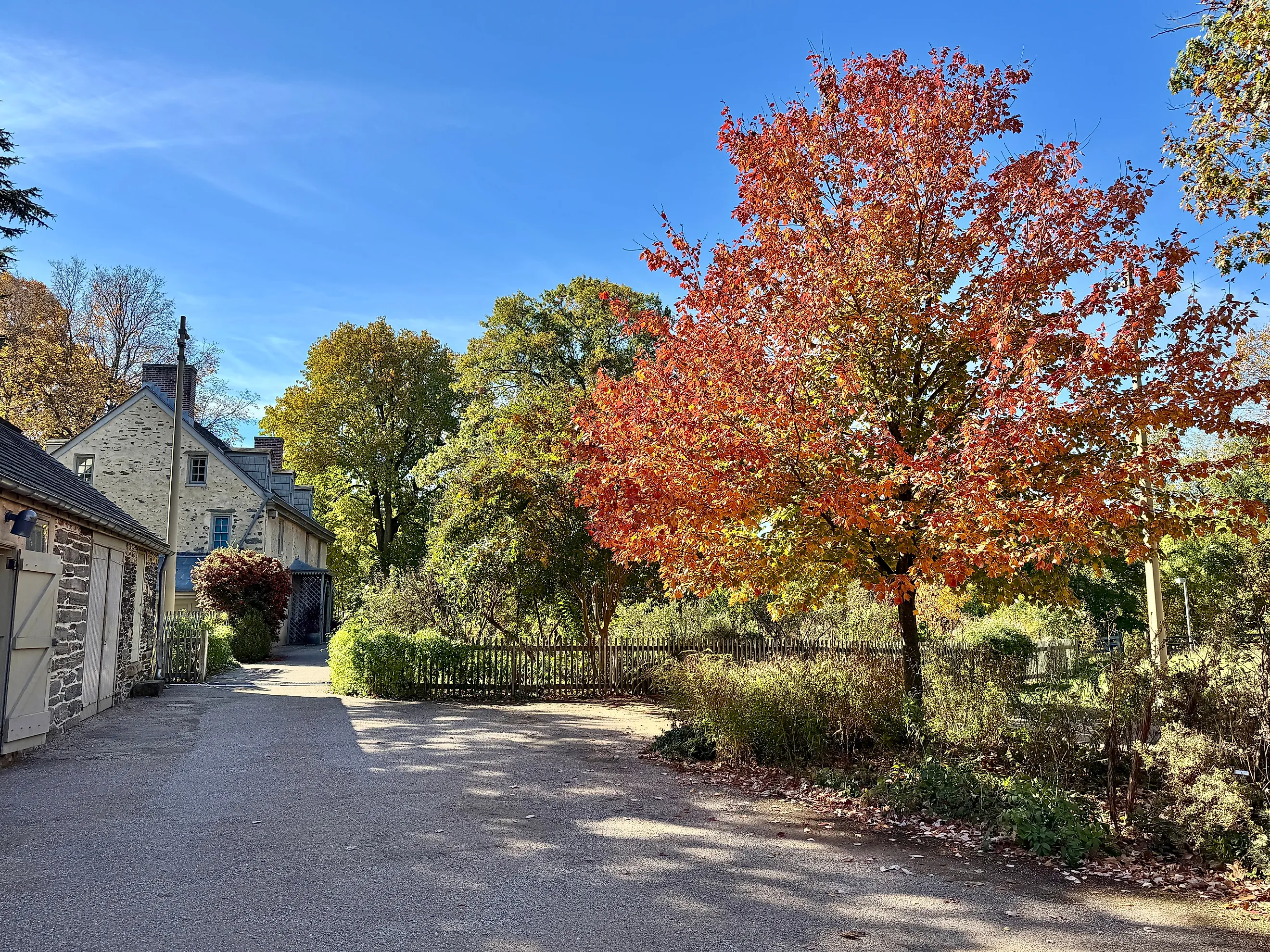
Visitors to Bartram's Garden today can expect 50 acres of plants, paths, and buildings. Some of the most popular attractions include the Bartram's Mile Trail and the Botanic Garden & Natural Lands. The trail is a path that stretches 1.55 miles through the Garden, continuing along the river.
There are multiple plant species to see along the way. The Botanic Garden itself is 14 acres and houses native and exotic plants. There are several gardens within the Garden, including the Ann Bartram Carr Garden, which is a pleasure garden, the Harvey Memorial Garden, as well as the Upper and Lower Gardens.
The Natural Lands include the Tidal Wetlands, the Meadow, and the chance to experience the woods along the river.
Some of the most notable trees to keep an eye out for include the Garden's signature tree, the Franklin Tree. William Bartram took seeds back to Philadelphia from a grove along the Altamaha River in 1777. He named the eventual tree Franklinia to honor Benjamin Franklin.
A Ginkgo biloba tree in the garden is believed to be the oldest of its kind in the country and was one of three original ginkgos sent from England. Another one of the oldest trees in the Garden is the Yellowwood, which has stood in the Kitchen Garden for more than 200 years.
The Garden is also home to the PawPaw Grove, where fruit still grows every year. Visitors can also see the Bartrams' family home in the garden, as well as the barn, the coach house, and the Seed House.
How Do Other Botanical Gardens Measure Up?

Established by Robert Prince in 1737 as Prince Nursery, the Linnaean Botanic Garden in Flushing, New York, played a major role in fruit tree imports as well as roses and shrubs. The garden was a commercial nursery and not a research garden, and the business collapsed in the 1860s.
The Elgin Botanic Garden in New York was founded by Dr. David Hosack in 1801. It covered 20 acres and was the first public botanical garden set up in the new republic. Hosack bought the land to grow medicinal plants for medical students, but since he could not get the funding he needed, he sold the land to the state of New York in 1810.
The land was eventually deeded to Columbia University. In the 1930s, the university leased the property for the construction of the Rockefeller Center.
America's Botanical History Lives On

It is said that John Bartram worried on his deathbed that invading British troops would decimate his botanical collection after the Battle of Brandywine. Fortunately, his sons took over, and his fears were not realized. When the city bought the site to preserve it as a public park, it also helped preserve the country's botanical history, and it still does so today.