Why Snakes Get Into Chicken Coops In Winter
Few things rattle a backyard flock owner quite like lifting a nesting-box lid on a cold morning and finding a snake coiled contentedly inside. It feels like entirely the wrong season for it, since snakes are supposed to be hidden away for the winter. But a chicken coop in the cold months is practically engineered to attract them, quietly offering the handful of things a snake wants most once the temperature drops. The good news is that none of it is random, and once you understand the draw, you can shut it down. Here is why snakes slip into chicken coops in winter, what they are actually after, and how to keep them out for good.
A Coop Is a Warm Winter Refuge

The single biggest reason snakes turn up in a coop during winter is wonderfully simple: it is warm. A chicken coop is an enclosed, insulated, and often actively heated space, and between the birds' own body heat, the deep layer of bedding, and any heat lamp running against the frost, the inside stays considerably warmer than the world outside. To a cold-blooded animal that cannot generate its own heat and is desperate to avoid freezing, that makes a coop something close to a perfect refuge. The decomposing litter on the floor even throws off a little warmth of its own as it slowly breaks down. In short, a coop is one of the coziest, most reliably frost-free hideouts for miles around, and snakes know it.
Free Eggs on the Menu

Warmth gets a snake in the door, but food is what keeps it coming back, and the most obvious prize in any coop is the eggs. Plenty of common snakes, especially rat snakes and kingsnakes, are accomplished egg eaters, and they can open their jaws wide enough to swallow a chicken egg whole. Once a snake discovers a reliable supply, it will often return again and again, almost on a schedule. A classic telltale sign is egg production that mysteriously tails off with no other explanation, or the occasional whole egg simply vanishing from a nesting box overnight. For an egg-loving snake, a full nesting box is just too good to pass up.
The Rodents Are the Real Draw

Here is the part that surprises most people: more often than not, the snake is not actually there for your chickens at all. The real magnet is rodents. Spilled feed, grain stored nearby, and the warmth of the coop draw in mice and rats, especially in winter when they too are hunting for a warm place to shelter and eat. Rodents sit at the very top of most snakes' menus, so a coop quietly overrun with mice is, from a snake's point of view, a beautifully stocked pantry. Seen that way, a snake in your coop is often the first sign of a rodent problem you had not even noticed yet. It also means that simply removing the snake rarely fixes anything, because as long as the mice keep coming, another snake will eventually follow the scent trail right back in.
A Frost-Free Place to Hole Up

Beyond the warmth and the easy meals, a coop simply makes excellent cover. Snakes instinctively seek out dark, quiet, enclosed spaces to hide from predators and ride out bad weather, and a coop is full of them: the gaps beneath nesting boxes, the loose bedding, the shadowy crawlspace under the floor, and any supplies stacked in a corner. In winter, a snake looking for somewhere to brumate, which is the reptile equivalent of hibernation, may well decide that the space under a heated coop is the best frost-free den available anywhere nearby. It is warm, it is sheltered, and dinner is right upstairs, which is a very hard combination for a snake to walk away from.
Which Snakes Show Up

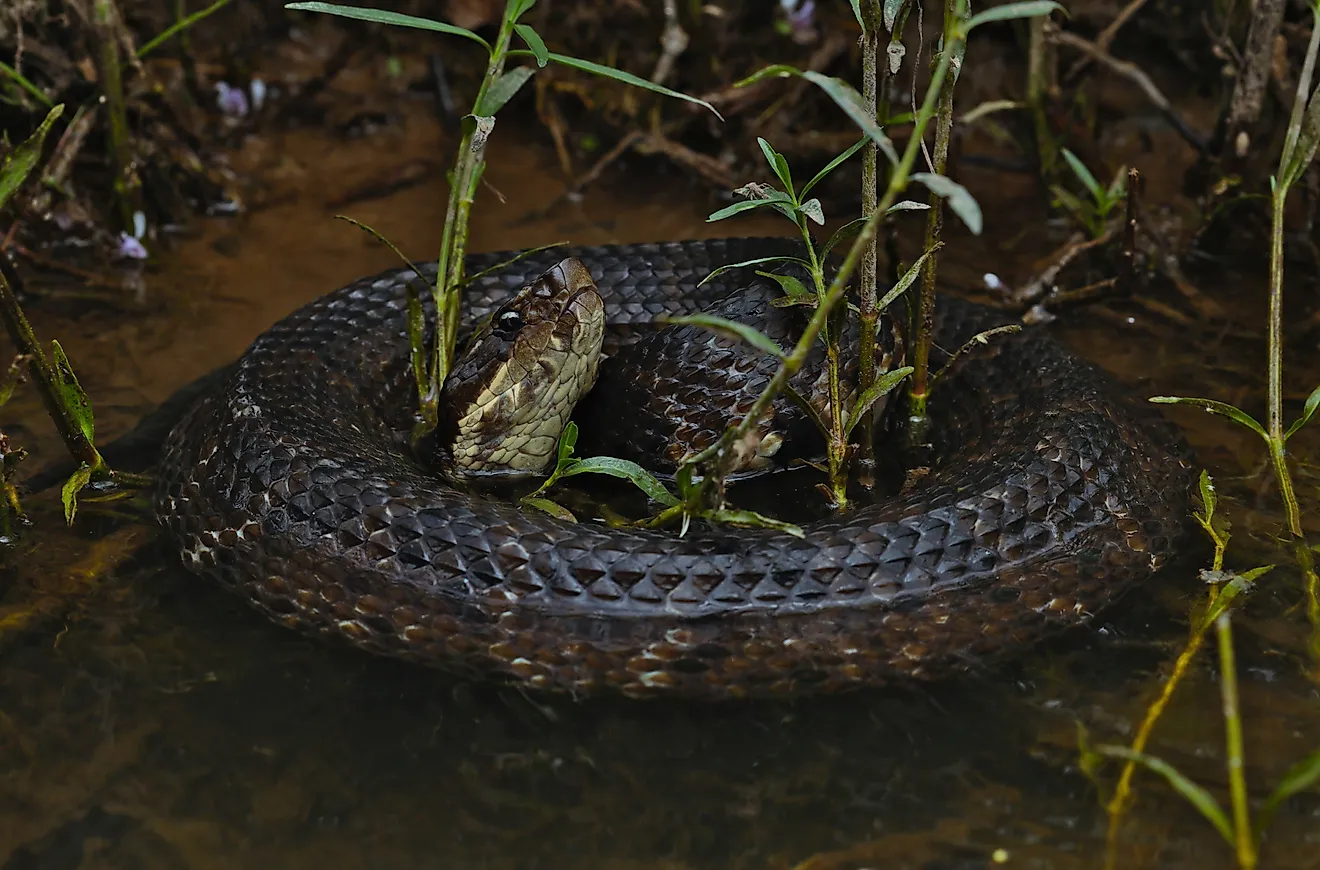
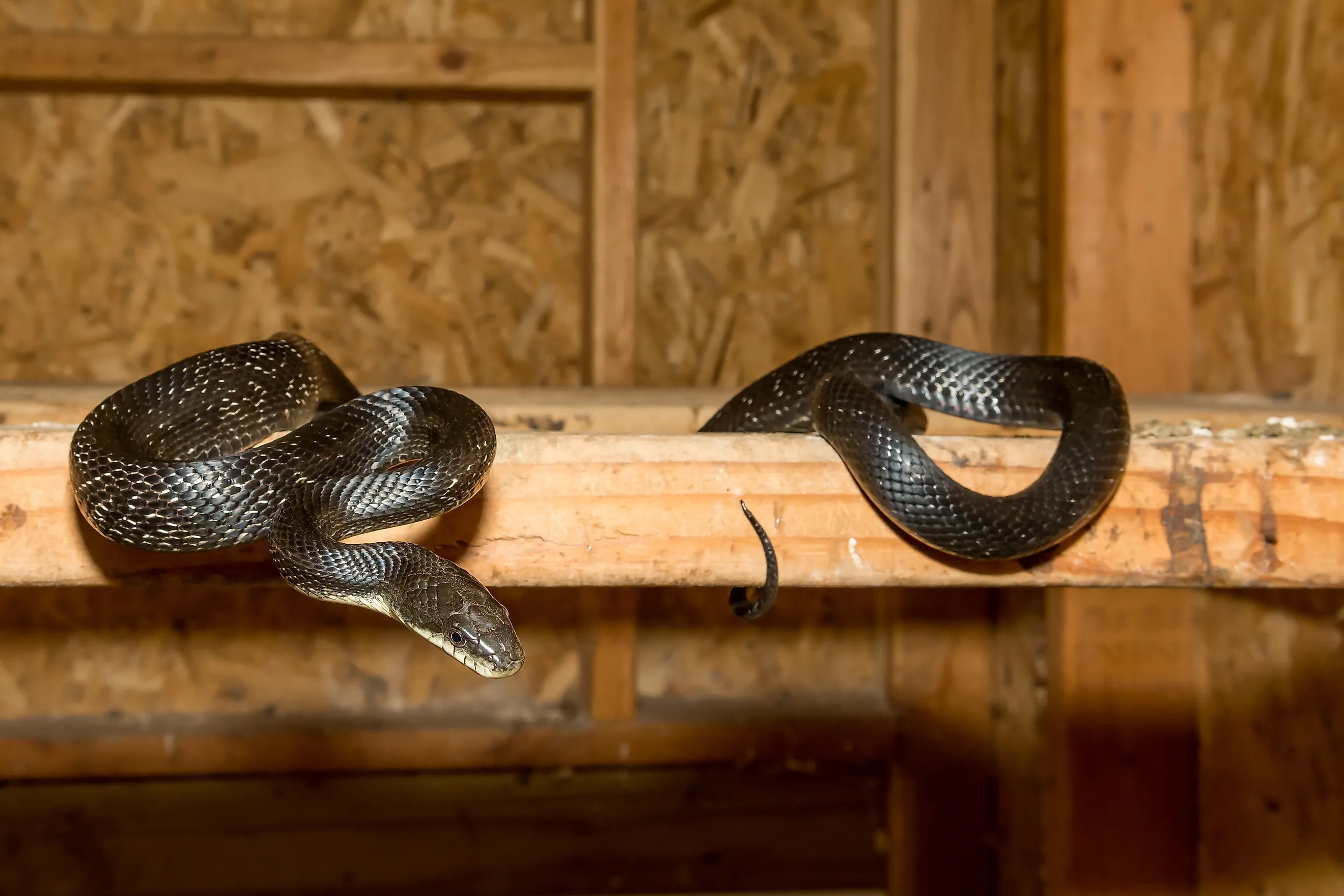
The overwhelming majority of snakes that raid a coop are completely harmless, and several are genuinely helpful to have around the property. Across much of the country, the usual culprit is the rat snake, often nicknamed the "chicken snake," a non-venomous and skillful climber that hunts both eggs and rodents. Kingsnakes and racers turn up too, and all of them provide valuable rodent control elsewhere on your land. That said, the warmth of a coop can occasionally attract venomous species such as copperheads or rattlesnakes, so it always pays to look carefully before you reach into a dark nesting box or a shadowy corner, particularly if you live in snake country. As a rule, though, the harmless species vastly outnumber the dangerous ones, and killing a beneficial rat snake usually does more harm than good by leaving the rodents it was eating to multiply unchecked.
What They Do to the Flock

So how much damage does a coop snake actually do? Usually far less than you might fear. Most are after eggs and rodents, not full-grown hens, which are simply too large for a snake to swallow. The genuine risk is to eggs and to very young chicks, which a hungry rat snake can and will eat, so brooders and chick setups need extra protection. A large snake can also stress a flock, and a cornered one may bite or try to constrict a too-curious bird, though it very rarely kills an adult chicken. For the most part, a coop snake adds up to missing eggs, the occasional lost chick, and a lot of ruffled nerves, both the birds' and your own.
How to Keep Them Out

The only approach that truly works is physical exclusion, and the key material is hardware cloth, not chicken wire. Ordinary chicken wire keeps birds in, but its openings are far too large and flexible, and a snake will slip straight through; what you actually want is quarter-inch galvanized hardware cloth. Use it to cover every window, vent, and opening, and keep in mind that a snake can squeeze through any gap wider than about a quarter of an inch, so seal the cracks around doors and wherever the walls meet the floor. Burying the hardware cloth a few inches into the ground, or bending it outward in an L-shape along the base, stops snakes and rodents from tunneling in underneath. Walk the coop every so often looking for fresh gaps, too, since wood shrinks, soil settles, and doors sag over time, quietly opening new entrances a snake will gladly use. Then cut off the food supply: gather eggs daily, store feed in sealed metal bins, and stay on top of any rodents. Lastly, clear away the woodpiles, tall grass, and general clutter around the coop that give snakes their cover in the first place. Do all of that, and your coop stops being an irresistible winter hotel, while the harmless rat snakes happily go back to thinning out the mice elsewhere on your property.