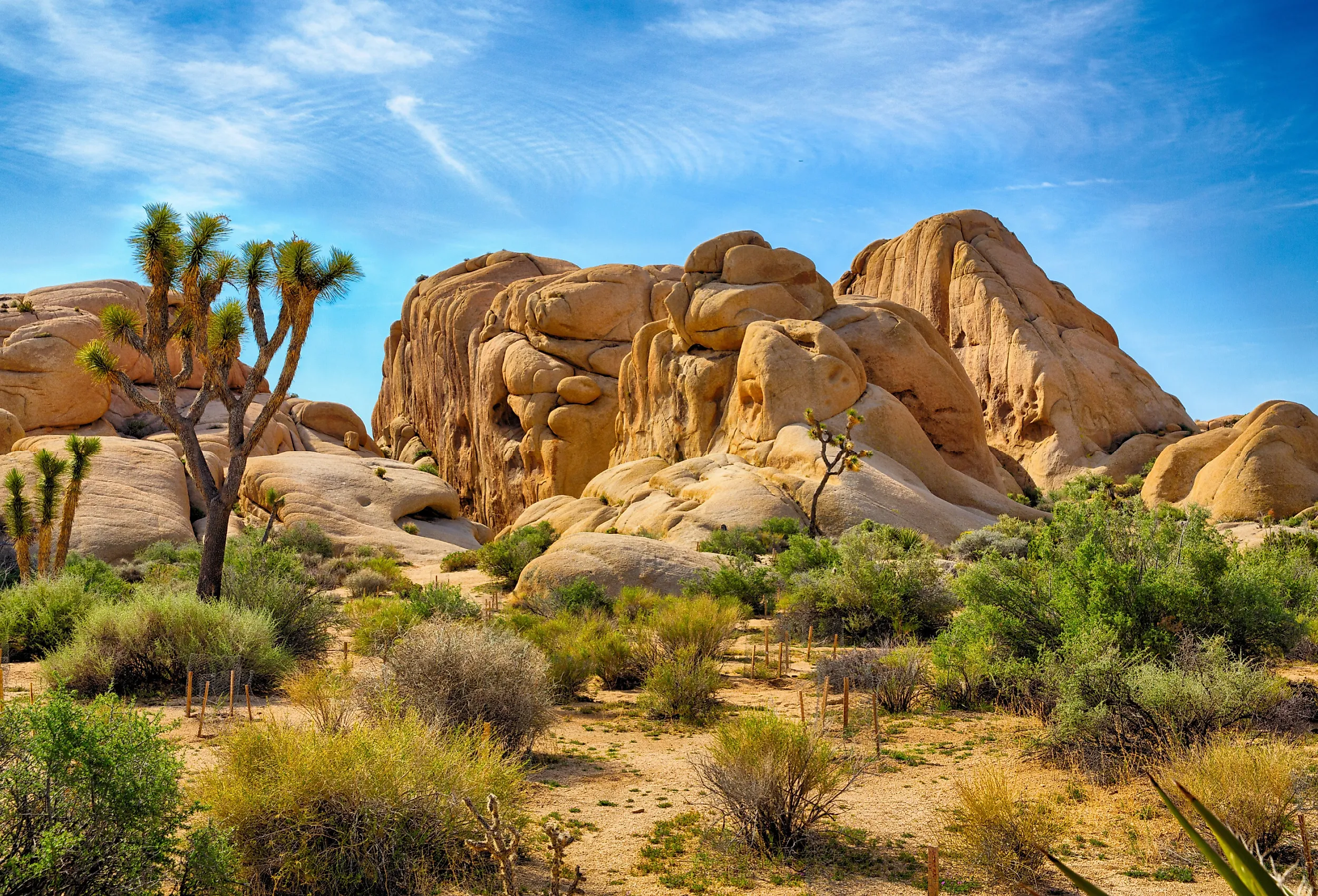
The Difference Between A National Park And A State Park
National parks and state parks have plenty in common, but there are important differences in how they are managed, funded, and protected. Both preserve natural landscapes and cultural resources while providing opportunities for outdoor recreation. The primary distinction comes down to which level of government oversees them. National parks are managed by the federal government through the National Park Service, while state parks are generally managed by individual state agencies. Their funding sources, regulations, and recreational facilities can also differ. Understanding these distinctions helps explain how America's national and state park systems operate and what visitors can expect from each.
What Is a National Park?

A national park is a federally protected area established to preserve natural landscapes, wildlife, and cultural resources for current and future generations. The National Park Service, an agency within the US Department of the Interior, manages 434 units across the country, including 64 officially designated national parks. Other units include national monuments, historic sites, national recreation areas, and memorials. Although most land within national park boundaries is federally owned, some parks contain privately owned properties known as inholdings. According to the Trust for Public Land, approximately 3% to 4% of land within national park boundaries is privately owned.

National parks are often recognized for landscapes and resources of national significance, with some attracting millions of visitors annually. Yellowstone, established in 1872, is recognized as America's first national park. Yosemite National Park, established in 1890, recorded approximately 4.28 million recreation visits in 2025, according to the National Park Service. Grand Canyon National Park received approximately 4.43 million recreation visits that same year. National parks receive substantial funding through federal appropriations, although visitor fees and other sources also contribute to their operations. For fiscal year 2026, Congress appropriated approximately $3.267 billion in regular discretionary funding to the National Park Service, which oversees national parks and many other federally protected sites.
What Is a State Park?

State parks are protected areas managed by individual state governments, typically through state park departments or natural resource agencies. Like national parks, they preserve natural landscapes, wildlife habitats, and historical or cultural resources while providing recreational opportunities. The United States has thousands of state parks, although the exact number depends on how these areas are classified. Some counts include only officially designated state parks, while broader totals include state recreation areas, historic sites, and natural areas. The National Association of State Park Directors collects information about these systems through its annual surveys.

Unlike national parks, which are administered by the federal government, state parks receive funding from a combination of state appropriations, visitor fees, camping charges, dedicated taxes, grants, and other revenue sources. The proportions vary considerably among states, with some park systems relying more heavily on visitor-generated income and others receiving substantial support from state budgets. State parks are often smaller than national parks and frequently serve regional recreational needs, although some protect extensive wilderness areas and attract visitors from across the country. Popular examples include Valley of Fire State Park in Nevada, known for its Jurassic-age Aztec Sandstone formations and ancient petroglyphs. In New York, Letchworth State Park features a dramatic gorge with cliffs reaching 600 feet (183 meters) and three major waterfalls along the Genesee River.
How National and State Parks Are Managed and Funded

One of the clearest differences between national and state parks is the government responsible for their administration. The National Park Service manages national parks under federal laws and regulations, including the National Park Service Organic Act of 1916. State parks operate under their respective state governments, which establish policies for conservation, public access, and recreational activities. Although both systems protect natural and cultural resources, their specific management priorities and regulations vary. State parks typically emphasize resources of state or regional significance, while national parks are generally established to protect resources recognized as nationally significant.

Funding also differs between the two systems. National parks receive federal appropriations through Congress, supplemented by recreation fees, donations, and other funding sources. State parks generally rely on state government appropriations, entrance fees, camping charges, and dedicated revenue programs. Federal grants can also help support state park improvements and conservation projects. Neither system operates under a single nationwide fee structure. Some national and state parks offer free admission, while others charge entrance or vehicle fees. Camping reservations, equipment rentals, and special activities may involve additional charges, depending on the park.
Recreation and Wildlife Protection in National and State Parks

Both national and state parks offer opportunities for hiking, camping, wildlife viewing, and other outdoor activities, though available facilities vary by location. Many parks offer established trails, campgrounds, and visitor centers, while others focus primarily on protecting sensitive habitats or historic resources. Camping is available at numerous national and state parks, but it is not guaranteed at every location. Certain activities, including fishing, boating, and mountain biking, may be permitted in some parks but restricted in others. Visitors should consult each park's regulations before planning recreational activities.
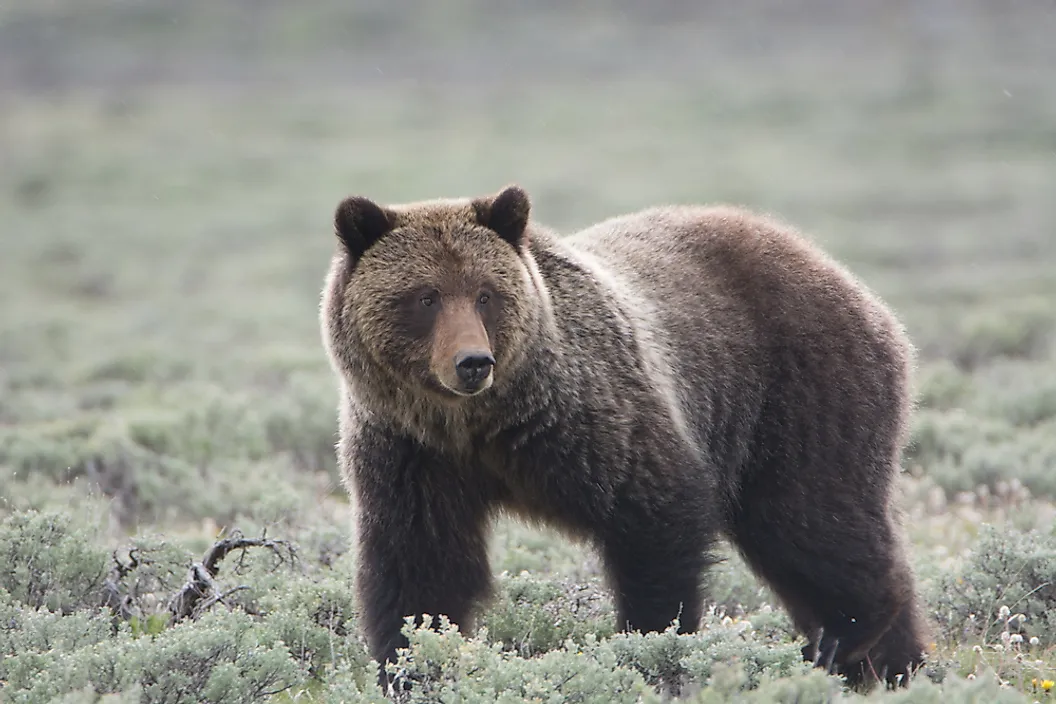
Wildlife conservation is another shared responsibility. National parks protect native species and their habitats under applicable federal laws and park regulations. State parks also contribute to wildlife protection through state conservation laws and applicable federal requirements. Both systems may restrict activities that could damage ecosystems, disturb animals, or threaten sensitive natural features. However, individual park regulations can differ significantly, particularly regarding pets, hunting, fishing, and backcountry access. The level of protection depends on the park's legal designation, management objectives, and the natural resources present.
What National and State Parks Have in Common

Despite their administrative differences, national and state parks share the important purpose of protecting natural and cultural resources while providing opportunities for public enjoyment. Both systems preserve landscapes that include mountains, forests, lakes, waterfalls, and canyons. They also protect historic sites and habitats that support native wildlife. A state park is not necessarily less impressive than a national park, and some state parks may offer less crowded recreational alternatives depending on the location and season.

National parks often receive greater international recognition, but state parks can protect equally remarkable landscapes and historically significant places. Both systems contribute to conservation, environmental education, and outdoor recreation across the United States. Ultimately, the choice between visiting a national or state park depends less on its designation than on the landscapes, activities, and experiences available at the individual location.