The State Parks Where Copperheads Den For The Winter
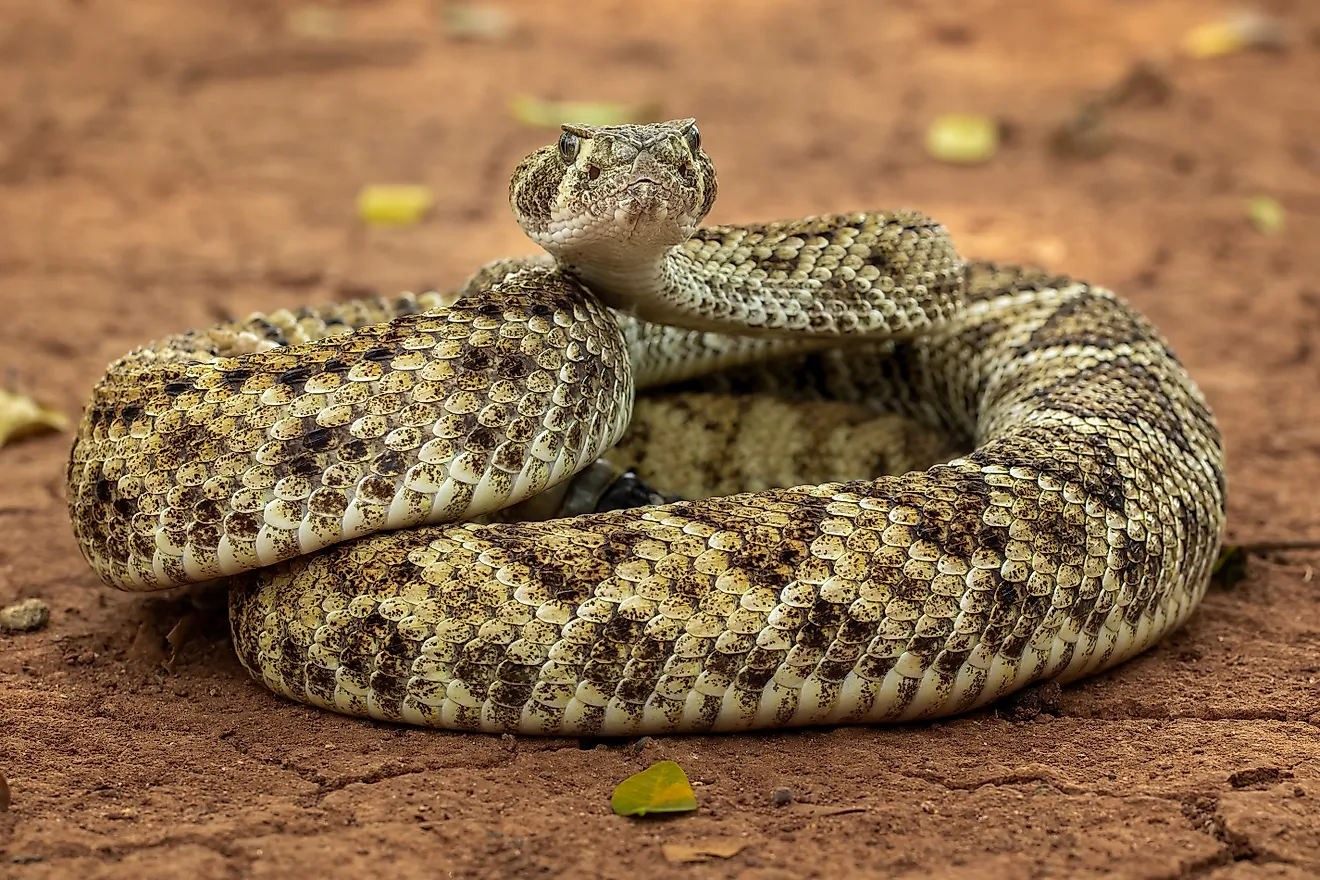
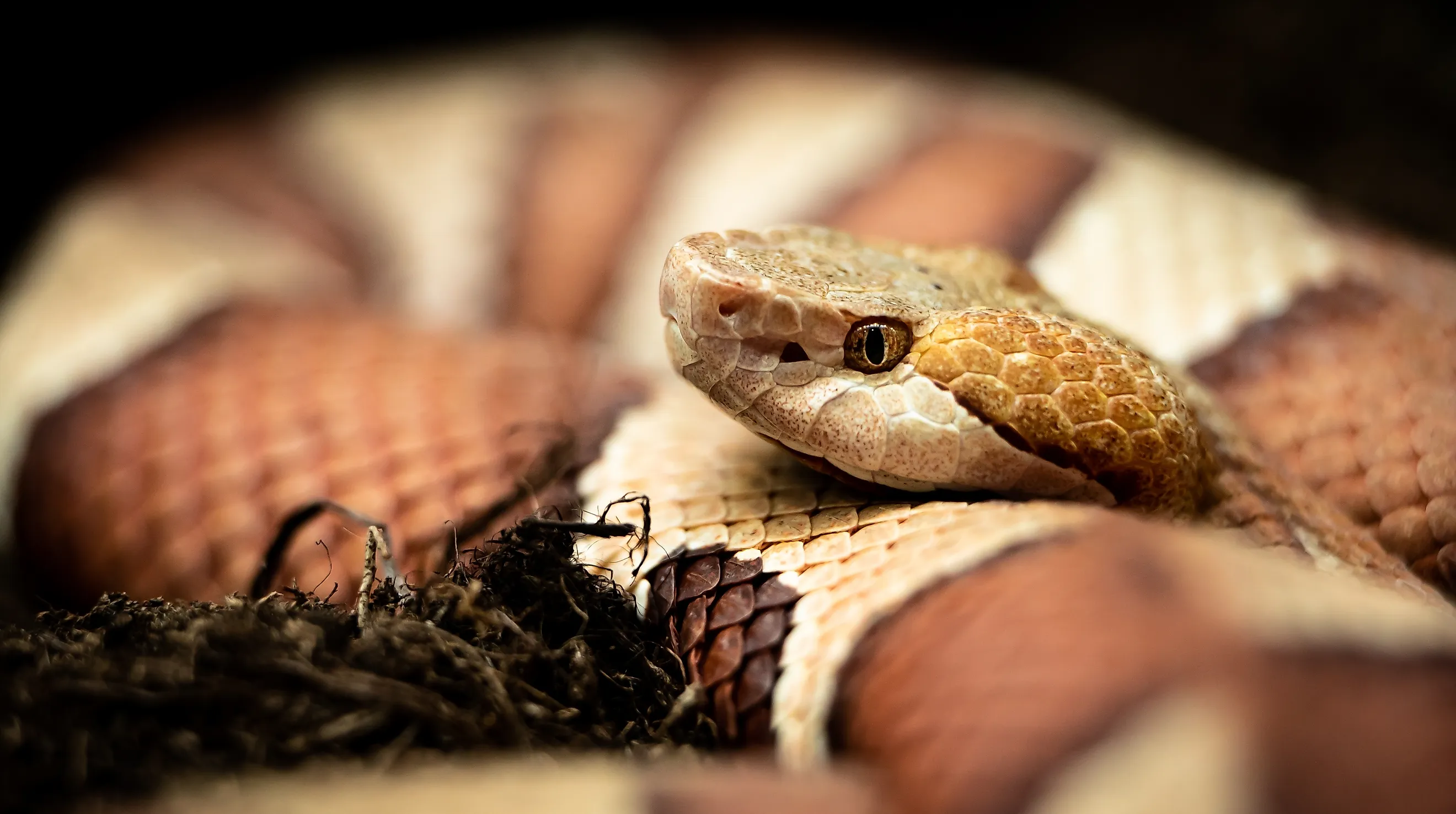
Hikers on some of the busiest trails in the eastern United States walk within a few feet of venomous snakes that have wintered in the same rock for generations. Copperheads den in south-facing cracks and slopes of broken talus, often alongside timber rattlesnakes, and several of those dens lie inside state parks with heavy foot traffic all year.
At Giant City in southern Illinois, the snakes hibernate in sandstone bluffs beside a nature trail that hundreds of thousands of people hike each year. At Sleeping Giant in Connecticut, a copperhead bit a dog in 2024, and six people carried it down the mountain on a stretcher so it could get antivenom. New York’s Hudson Highlands and the Blue Hills south of Boston hold dens of their own. Here is where the snakes go underground each fall, and what is happening on the trails above them.
Giant City State Park, Illinois

On the three-quarter-mile Indian Creek Trail at Giant City State Park, the ground beneath one sandstone bluff is sheltered from the north and west winds of winter. Copperheads are seen along this trail, and they hibernate in the park's sandstone bluffs. The copperhead is the only venomous snake known to breed anywhere in the park, which lies inside the Shawnee National Forest near Makanda.
The park takes its name from the Giant City Streets, narrow corridors between massive sandstone blocks that hikers walk through on the 1-mile Giant City Nature Trail. Along the 2-mile Trillium Trail, sandstone cliffs stand 80 to 100 feet above the forest floor, and copperheads spend the winter in those cliffs too.
Trough Creek State Park, Pennsylvania

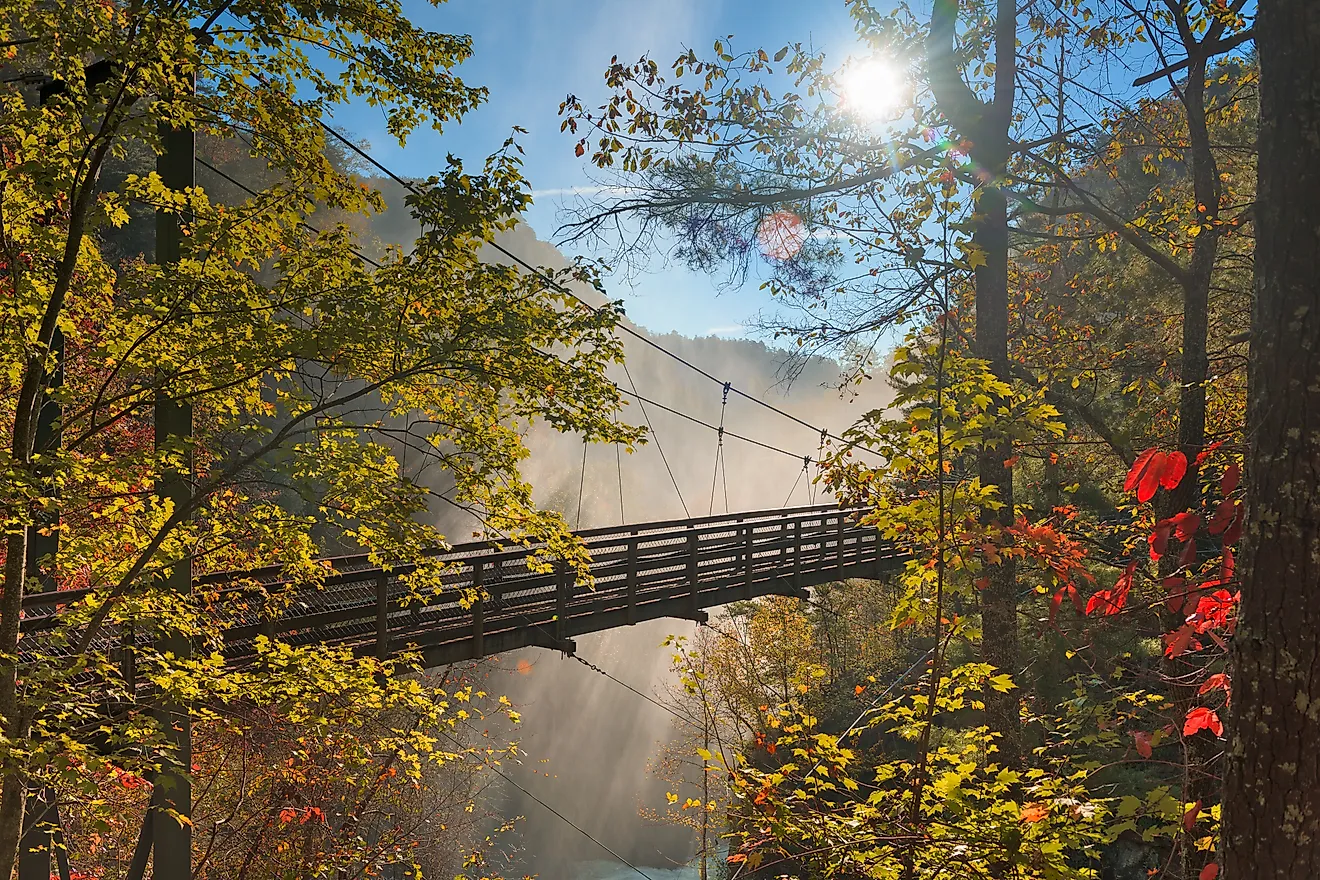
Copperheads and timber rattlesnakes can often be found sunning on rock outcrops throughout Trough Creek State Park, the same exposed stone where five-lined skinks sun themselves. Great Trough Creek runs through a gorge in Terrace Mountain on its way to Raystown Lake, and Balanced Rock is perched on a cliff edge above the water. In Pennsylvania, copperheads usually overwinter and bask where they get the most sun. Their young are typically born near the overwintering site in September and October.
Hudson Highlands State Park Preserve, New York

Within the southern corridor of the planned Hudson Highlands Fjord Trail, Little Stony Point is the only area with the west- and south-facing rocky slopes and rock outcrops that timber rattlesnakes favor for dens and birthing, according to the state's environmental review. A northern copperhead has been documented there too, on a small rocky point on the Hudson River a few hundred yards north of Cold Spring, inside Hudson Highlands State Park Preserve. The point is in the lower Hudson Valley, the center of New York's copperhead population.
Inland, on the east side of Route 9D just north of Breakneck Ridge, the woods lie closer to known timber rattlesnake hibernation dens than the riverside corridor does, and such dens typically lie on south-facing rocky slopes under closed-canopy forest with sunny gaps nearby. New York copperheads mostly winter in communal dens that they may share with timber rattlesnakes and eastern ratsnakes. The Breakneck Ridge trail up those eastern slopes has been closed since April 2025 for about two years of construction.
Minnewaska State Park Preserve, New York

Below the cliffs of the Shawangunk Ridge in Minnewaska State Park Preserve, fallen rock has piled into talus in many places where the cliff faces break and steepen. The park's master plan maps 37 acres of talus slope woodland, and the Sam's Point area holds 5 acres of ice cave talus of its own. In New York, south-facing ledges and talus slopes give copperheads important overwintering and basking habitat.
Northern copperheads are on the watch list of species recorded along the northern Shawangunk Ridge, where the preserve covers nearly 24,000 acres of Ulster County. On the neighboring Mohonk Preserve, the ledges at Split Rock were signed in 2023 as copperhead nesting grounds.
Sleeping Giant State Park, Connecticut

In June 2024, six people carried a dog down from Sleeping Giant State Park in Hamden on a stretcher after a copperhead bit it, and the dog was treated with antivenom. Hamden animal control officers confirmed afterward that northern copperheads live at Sleeping Giant, seven years after park officials warned visitors to keep dogs on short leashes and watch where they sit.
Hikers reach the stone observation tower at the top, built by the Works Progress Administration in 1936, on the 3-mile Tower Trail, a gravel out-and-back rated easy. The mountain under that route is a traprock ridge of dark igneous rock called diabase. Connecticut's copperheads are most abundant on traprock ridges like this one in the Central Connecticut Lowland, where they live on wooded basalt ridges and talus slopes and spend November through March in dens.
Before a campaign to protect the mountain began in the 1920s, quarries cut into the Giant's head. Across Connecticut's traprock ridges, quarrying and recreational use have both depleted copperhead habitat.
Blue Hills Reservation, Massachusetts

Copperheads in the Blue Hills Reservation come out of the rock around mid-April and spend their first few weeks above ground basking on ledges around the den. In Massachusetts, den entrances face south, southeast or southwest. In 2012, a MassWildlife biologist estimated that about 50 copperheads lived in the 7,000-acre reservation. The species is listed as endangered in Massachusetts and has been documented only in the Boston area and the southern Connecticut River Valley.
After spring mating, most males and some females move as far as two miles from their dens. Females give birth in August or September at their winter dens or sometimes up to a mile away. By September and October, the snakes are heading back to deep clefts in the reservation's rocky outcrops, which they often share with timber rattlesnakes over the winter, according to the Friends of the Blue Hills.
How The Timing Shifts By Region
Missouri copperheads can be active by mid-March, about a month before the Blue Hills snakes surface, and New Jersey copperheads can be out as early as late March but normally don't disperse from their dens until May. In Missouri, copperheads either winter alone or gather at favorite sites, usually on south-facing rocky ledges, and most have moved into those sites by mid-to-late October. For northern copperheads, the winter site is typically a crevice in rock that faces south or west, and pregnant females may pick wintering spots with warmer microclimates. In a Missouri study that radio-tracked six newborn copperheads, some moved as far as about 500 feet from where they were born, and none followed its mother's scent trail or ended up where she spent the winter.