Countries That Use Their Own Calendar
Somewhere in the world right now, it is the year 1404, or 2569, or 2082, depending on where you are standing. The Gregorian calendar may run the international airport, the stock exchange, and the software on your phone, but it never conquered everyone. A handful of countries keep their own official reckoning of the year, some as a light modification of the Gregorian system, others as an entirely separate way of counting time rooted in a king, a prophet, or an emperor. Here are the countries that still, officially, live in a different year than most of the planet.
Iran: The Solar Hijri Calendar

Iran runs its civil life on the Solar Hijri calendar, one of the most astronomically precise systems in use anywhere. Its year begins not on a fixed date but at the exact moment of the spring equinox over Tehran, which lands the new year, Nowruz, on or around March 21. Like the Islamic lunar calendar, it counts from Muhammad's migration from Mecca to Medina in 622 CE, but because it tracks the sun rather than the moon, it has drifted to a completely different number: a Gregorian year in the 2020s falls in the Iranian 1400s. It is a solar calendar wearing an Islamic starting line.
Afghanistan: The Lunar Hijri Calendar
For two decades Afghanistan shared Iran's Solar Hijri calendar, but that changed in 2022, when the Taliban government switched official business to the Islamic lunar Hijri calendar, the same one that sets the dates of Ramadan and the two Eids. The lunar year runs about eleven days shorter than a solar one, so its months slide steadily backward through the seasons, and its year count has pulled ahead of the Iranian version despite sharing the same 622 CE starting point. Afghanistan is the rare case of a country recently trading one of its own calendars for another.
Nepal: The Vikram Samvat Calendar
Nepal is one of the few countries whose official calendar is not just different but well ahead of everyone else's. Its Vikram Samvat calendar runs roughly 56 to 57 years ahead of the Gregorian, so a Nepali government form dated in the 2080s is describing the same week you are living through now. It is a lunisolar system traditionally credited to a legendary king, Vikramaditya, and while India uses it regionally for festivals and Hindu religious life, Nepal is where it holds the top job as the national calendar.
Ethiopia: The Ethiopian Calendar
Ethiopia may have the most appealing quirk on this list: it is running about seven to eight years behind the rest of the world. The gap comes from a different calculation of the year of Christ's birth, and because Ethiopia never adopted the Gregorian reform, it kept its own count. The Ethiopian year has thirteen months, twelve of thirty days plus a short thirteenth month of five or six, and the new year falls on September 11 in the Gregorian calendar, or September 12 in the year before a leap year. Tourism campaigns have leaned into the math with the cheerful slogan that Ethiopia is where you can be "seven years younger."
India: The Indian National Calendar
Before 1957, timekeeping in India was a genuine tangle, with dozens of regional calendars in simultaneous use, a legacy of the subcontinent's many kingdoms and traditions. To bring some order to official life, India adopted a single national calendar based on the Saka era, running about 78 years behind the Gregorian count, with its first month, Chaitra, beginning around March 22. It runs alongside the Gregorian calendar in government gazettes and on All India Radio rather than replacing it, an official second opinion on what day it is.
Israel: The Hebrew Calendar
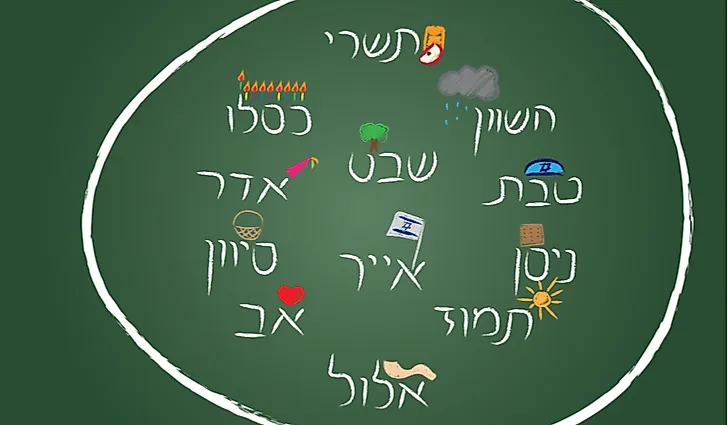
Israel uses the Hebrew calendar alongside the Gregorian for civil, cultural, and religious purposes, and it is one of the oldest systems still in official use, counting years from a traditional date of creation that puts the present in the high 5700s. It is lunisolar, which means it performs an elegant balancing act: ordinary years have twelve lunar months, but seven times every nineteen years an entire extra month is added to keep the festivals from drifting out of their proper seasons. It is the reason Jewish holidays seem to "move around" against the Gregorian calendar while never actually leaving their season.
Bangladesh: The Bengali Calendar
Bangladesh keeps the Bengali calendar, a solar system whose year count sits in the 1400s and whose new year, Pohela Boishakh, in mid-April, is one of the country's biggest public celebrations, full of processions, music, and food. A revised version of the calendar was standardized in the twentieth century to fix its dates more firmly against the Gregorian year, and it runs in daily and cultural life beside the Gregorian calendar used for international affairs.
Japan: The Japanese Era Calendar
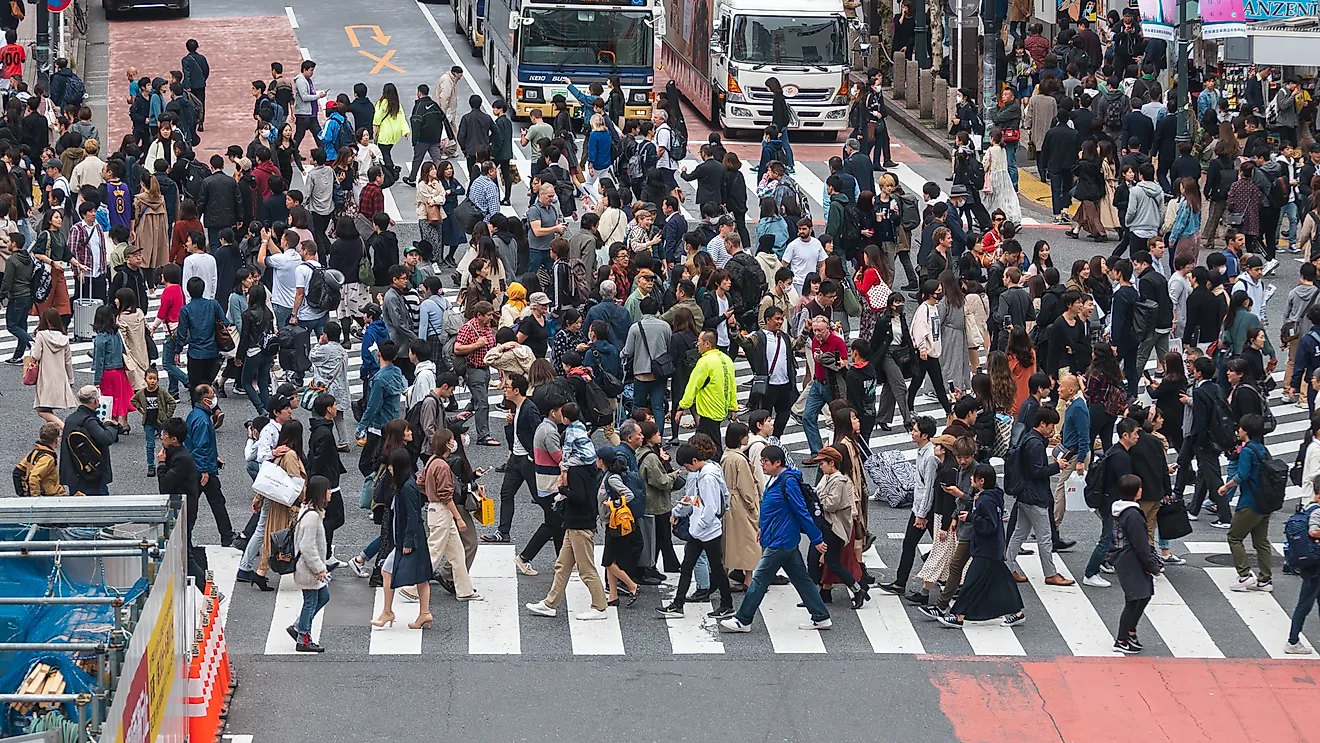
Japan uses the Gregorian calendar for the months and days but keeps its own way of counting the years, and it is the only system on this list that resets during your lifetime. Every time a new emperor takes the throne, a new named era begins and the year count starts over at one. The current era, Reiwa, began on May 1, 2019, when Emperor Naruhito was enthroned, which makes a Gregorian year in the late 2020s land in the single digits of Reiwa. Official Japanese paperwork still runs on these era years, the modern survivors of a system called gengo.
Taiwan: The Minguo Calendar
Taiwan follows the Minguo, or Republic of China, calendar for official documents. It borrows the Gregorian months and days exactly, but counts its years from 1912, the founding of the Republic of China, so that year is Minguo 1 and a Gregorian year in the 2020s reads as Minguo 11-something. The arithmetic is easy once you know the trick: subtract 1911. The system turns up on ID cards, contracts, and school records, a quiet reminder of the republic's origin story stamped on everyday life.
Thailand: The Thai Solar Calendar
Thailand adopted the Thai solar calendar in 1888 under King Chulalongkorn, aligning its months and days with the Gregorian system while counting years in the Buddhist Era. That count runs 543 years ahead of the Christian era, so a Gregorian year in the 2020s is a Thai year in the 2560s. It is the reason a receipt from a Bangkok convenience store can appear, at a glance, to be from the twenty-sixth century. The Buddhist Era dating sits on official documents, newspapers, and coins throughout the country.
The Countries Living in a Different Year
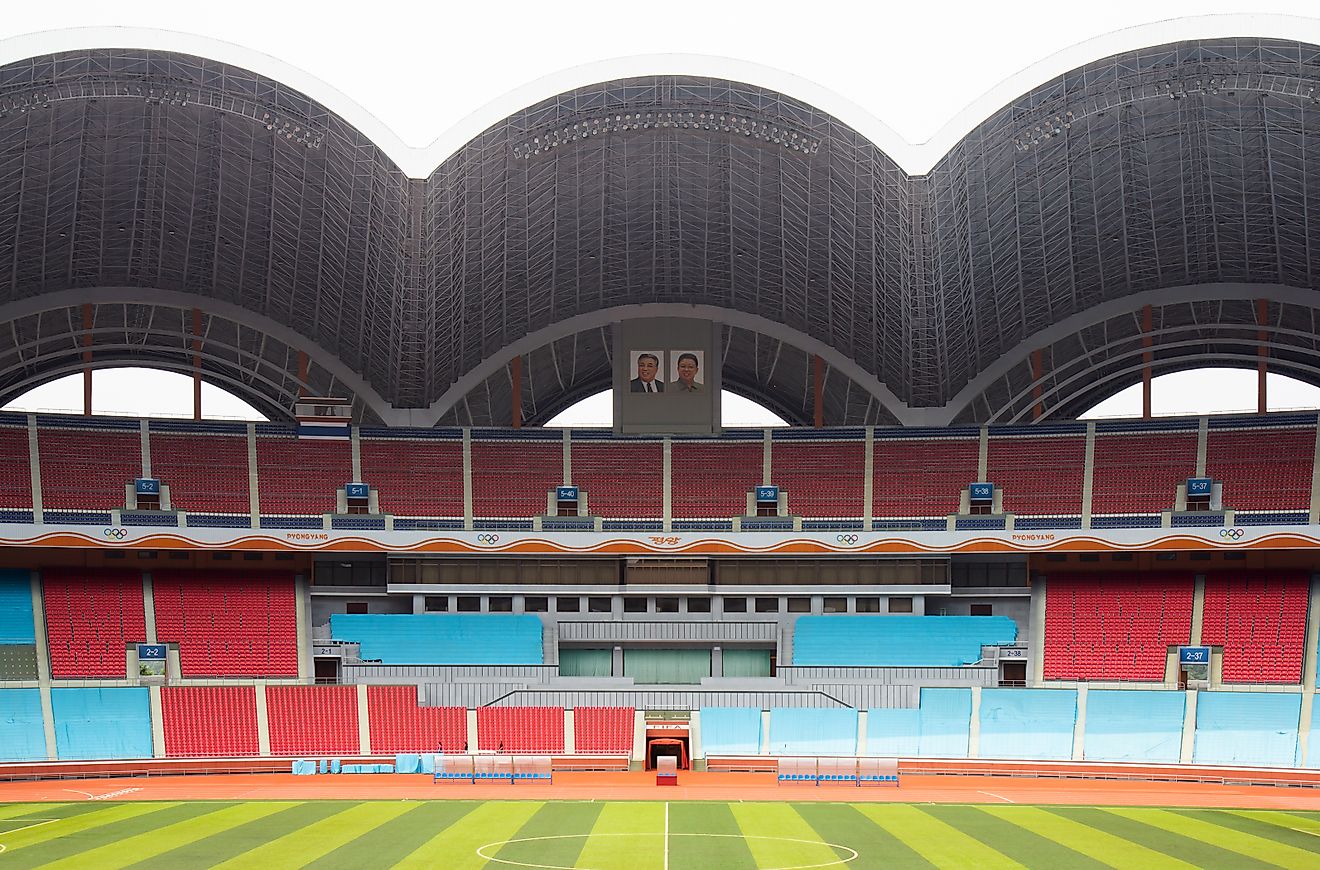
What ties these systems together is not stubbornness but memory: each calendar carries a country's founding story, faith, or dynasty in the very number it assigns to the year. Most run comfortably alongside the Gregorian calendar rather than against it, because modern life demands a shared clock for trade and travel even where it does not demand a shared history. The trend does run one direction, though. In 2024, North Korea quietly abandoned its own Juche calendar, which had counted years from the birth of Kim Il Sung, and slipped back to plain Gregorian years, a reminder that a calendar, like any tradition, survives only as long as a country chooses to keep counting.
| Country | Calendar | Roughly how the year compares to the Gregorian |
|---|---|---|
| Iran | Solar Hijri | About 621 years behind (e.g. 1404) |
| Afghanistan | Lunar Hijri (since 2022) | About 579 years behind (e.g. 1447) |
| Nepal | Vikram Samvat | About 56-57 years ahead (e.g. 2082) |
| Ethiopia | Ethiopian | About 7-8 years behind (e.g. 2018) |
| India | Indian National (Saka) | About 78 years behind (e.g. 1948) |
| Israel | Hebrew | About 3,760 years ahead (e.g. 5786) |
| Bangladesh | Bengali | About 593-594 years behind (e.g. 1432) |
| Japan | Japanese era (Reiwa) | Resets each reign; Reiwa began 2019 |
| Taiwan | Minguo (ROC) | Counts from 1912; subtract 1911 |
| Thailand | Thai solar (Buddhist Era) | About 543 years ahead (e.g. 2569) |
Note: year examples are approximate and shift with each calendar's own new year, which rarely lines up with January 1.